
Shanghai Gokai Industry Co,.Ltd.
Call Us: +86-18918606548
Call Us: +86-18918606548
- Product Name
- Product Keyword
- Product Model
- Product Summary
- Product Description
- Multi Field Search
Polystyrene Sheet, also known as PS Sheet, is a versatile thermoplastic material used in signage, advertising, printing, packaging, thermoforming, retail displays, construction, and decorative applications.
Gokai supplies three main types of Polystyrene Sheet: GPPS Sheet, HIPS Sheet, and PS Mirror Sheet. Each type is designed for different application requirements. GPPS offers a smooth, glossy and printable surface, HIPS provides improved impact resistance and forming performance, while PS Mirror Sheet combines the lightweight characteristics of polystyrene with a reflective decorative surface.
As a China-based Polystyrene Sheet manufacturer and supplier, Gokai provides standard and customized PS sheets for distributors, wholesalers, printing companies, signage manufacturers, packaging producers, display manufacturers, and other B2B customers.

GPPS, or General Purpose Polystyrene, is an extruded PS Sheet known for its smooth surface, good clarity, low water absorption, chemical stability, and easy processing.
Gokai GPPS Sheet is produced through continuous extrusion using virgin PS material. The standard product is available in 0.5–6 mm thickness and 1220 × 2440 mm size, with customized dimensions and colors available according to customer requirements.
GPPS can be supplied in clear, transparent, glossy white, matte white, and other colors. Its smooth surface is suitable for screen printing, signage, advertising boards, light boxes, decorative products, and other applications requiring a rigid and printable sheet.
HIPS stands for High Impact Polystyrene. It is an extruded thermoplastic sheet developed to provide higher impact resistance while maintaining good rigidity and fabrication performance.
Gokai HIPS Sheetis available in 0.5–6 mm thickness with a standard 1220 × 2440 mm size. Clear, transparent, glossy white, matte white, and other colors are available.
HIPS can be mechanically processed, hot bent, screen printed, blister formed, and vacuum thermoformed. It is widely used for packaging, refrigerator and freezer liners, pallets, building materials, household products, and advertising printing.
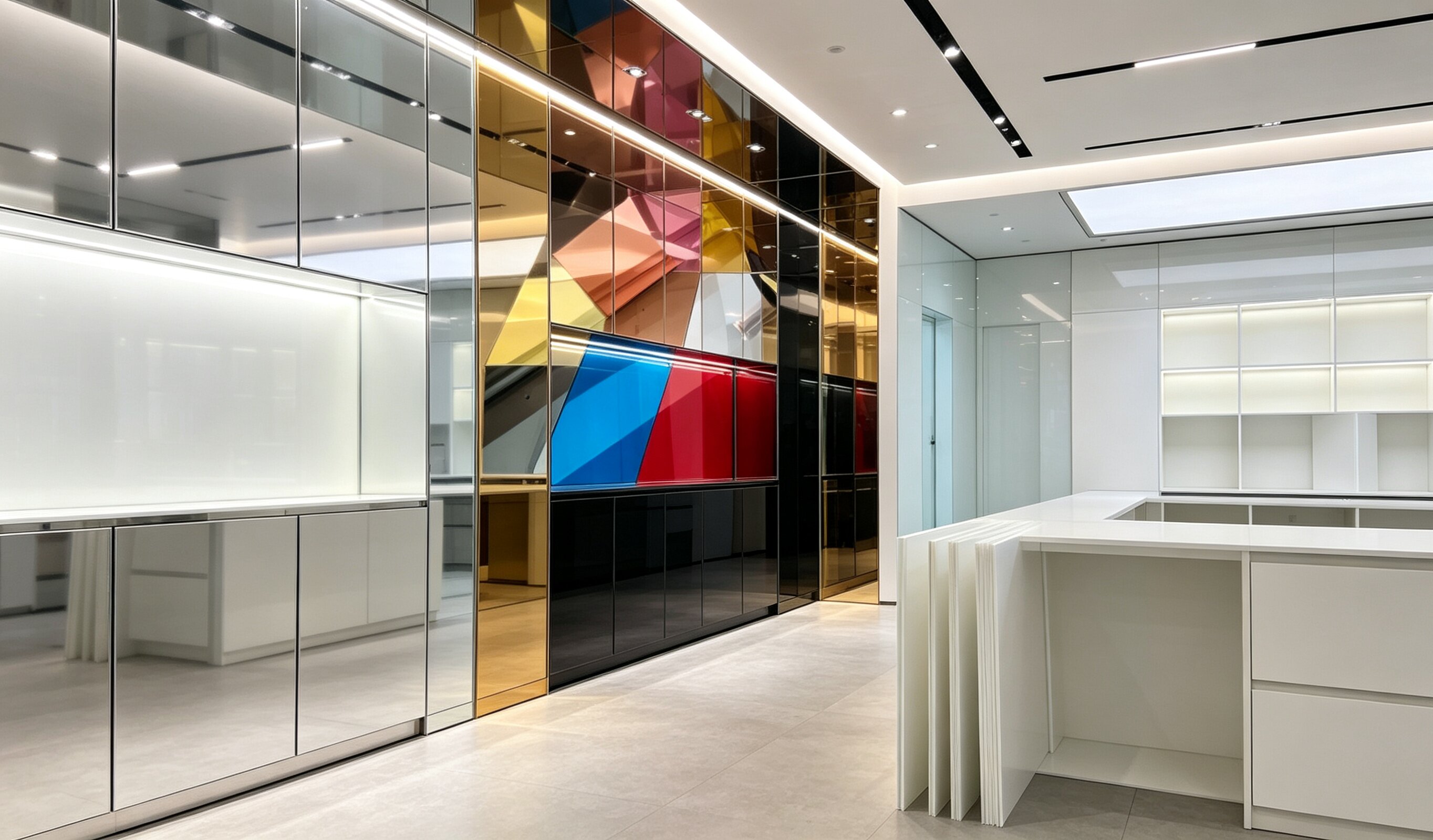
PS Mirror Sheet is produced from an extruded PS plate through a vacuum coating process. It combines the lightweight structure of polystyrene with a highly reflective surface.
Gokai offers silver, gold, copper, rose gold, black, red, blue, purple, bronze, and other mirror colors. The standard thickness range is 0.8–6 mm, with normal sizes of 1220 × 1830 mm and 1220 × 2440 mm. Adhesive and non-adhesive backing options are also available.
Compared with traditional glass mirrors, PS Mirror Sheet is lightweight, impact-resistant, shatter-resistant, and easy to fabricate. It can be cut, drilled, bent, shaped, routed, laser cut, molded, and machined according to project requirements.
Polystyrene Sheet offers a practical combination of low weight and rigid sheet construction. Depending on the grade, it can be cut, drilled, bent, formed, machined, and thermoformed.
This processing flexibility allows manufacturers to turn flat PS sheets into signs, packaging components, displays, covers, formed products, and decorative structures.
GPPS and HIPS provide smooth surfaces suitable for printing and decorative processing. Gokai lists advertising printing, signage, and related applications for its PS Sheet products.
For printing and advertising manufacturers, the availability of clear, white, matte, glossy, and colored surfaces provides flexibility for different visual designs.
Polystyrene Sheet offers low water absorption and good chemical stability. Gokai's GPPS and HIPS products are also described as providing chemical and corrosion resistance.
The appropriate PS grade should be selected according to the specific chemicals, temperature, mechanical conditions, and exposure environment of the application.
HIPS is particularly suitable for thermoforming applications. It can be processed through vacuum forming, blister forming, hot bending, and other fabrication methods.
This makes HIPS a suitable material for manufacturers producing three-dimensional packaging, refrigerator liners, formed components, and other products from flat plastic sheets.
Polystyrene Sheet can be supplied in different colors and surface effects. In addition to standard GPPS and HIPS colors, PS Mirror Sheet provides reflective finishes for decorative and visual applications.
Silver, gold, copper, rose gold, black, blue, red, purple, bronze, and other colors can be selected according to product requirements.
Polystyrene Sheet is widely used for signage, advertising boards, display panels, light boxes, and promotional products.
GPPS provides a smooth and printable surface for advertising graphics, while different colors and finishes allow manufacturers to create customized visual products.
Typical applications include:
* Indoor signs
* Advertising boards
* Light boxes
* POP displays
* Retail graphics
* Exhibition displays
* Promotional boards
HIPS Sheet is especially suitable for packaging and thermoforming because of its impact resistance and forming capabilities.
It can be used for blister packaging, package materials, pallets, refrigerator liners, freezer components, and other formed products. Its ability to undergo vacuum forming and mechanical processing provides flexibility for packaging manufacturers.
PS Sheet can be fabricated into retail displays, product stands, promotional structures, exhibition components, and decorative display products.
GPPS is suitable when printability and surface appearance are important, while HIPS can be selected when greater impact resistance is required.
PS Mirror Sheet provides an additional option for retail and display projects that require a reflective surface.
PS Mirror Sheet can be used for decorative furniture, cabinets, architectural decoration, lampshades, retail fixtures, artwork, and exhibition structures.
Its reflective appearance can create a visually distinctive finish while its lightweight and shatter-resistant characteristics provide an alternative to glass mirrors for selected applications.
Gokai offers different specifications according to the selected Polystyrene Sheet type.
* Thickness: 0.5–6 mm
* Standard size: 1220 × 2440 mm
* Density: approximately 1.05 g/cm³
* Colors: clear, transparent, glossy white, matte white, and other colors
* Material: virgin PS
* Customized sizes available
* Thickness: 0.5–6 mm
* Standard size: 1220 × 2440 mm
* Density: approximately 1.06 g/cm³
* Colors: clear, transparent, glossy white, matte white, and other colors
* Material: virgin PS
* Customized sizes available
* Thickness: 0.8–6 mm
* Standard sizes: 1220 × 1830 mm and 1220 × 2440 mm
* Density: approximately 1.05 g/cm³
* Colors: silver, gold, copper, rose gold, black, red, blue, purple, bronze, and more
* Backing: adhesive or non-adhesive
* Cut-to-size service available
For OEM and bulk orders, customers can provide the required thickness, size, color, surface finish, quantity, and application so Gokai can recommend the appropriate PS Sheet.
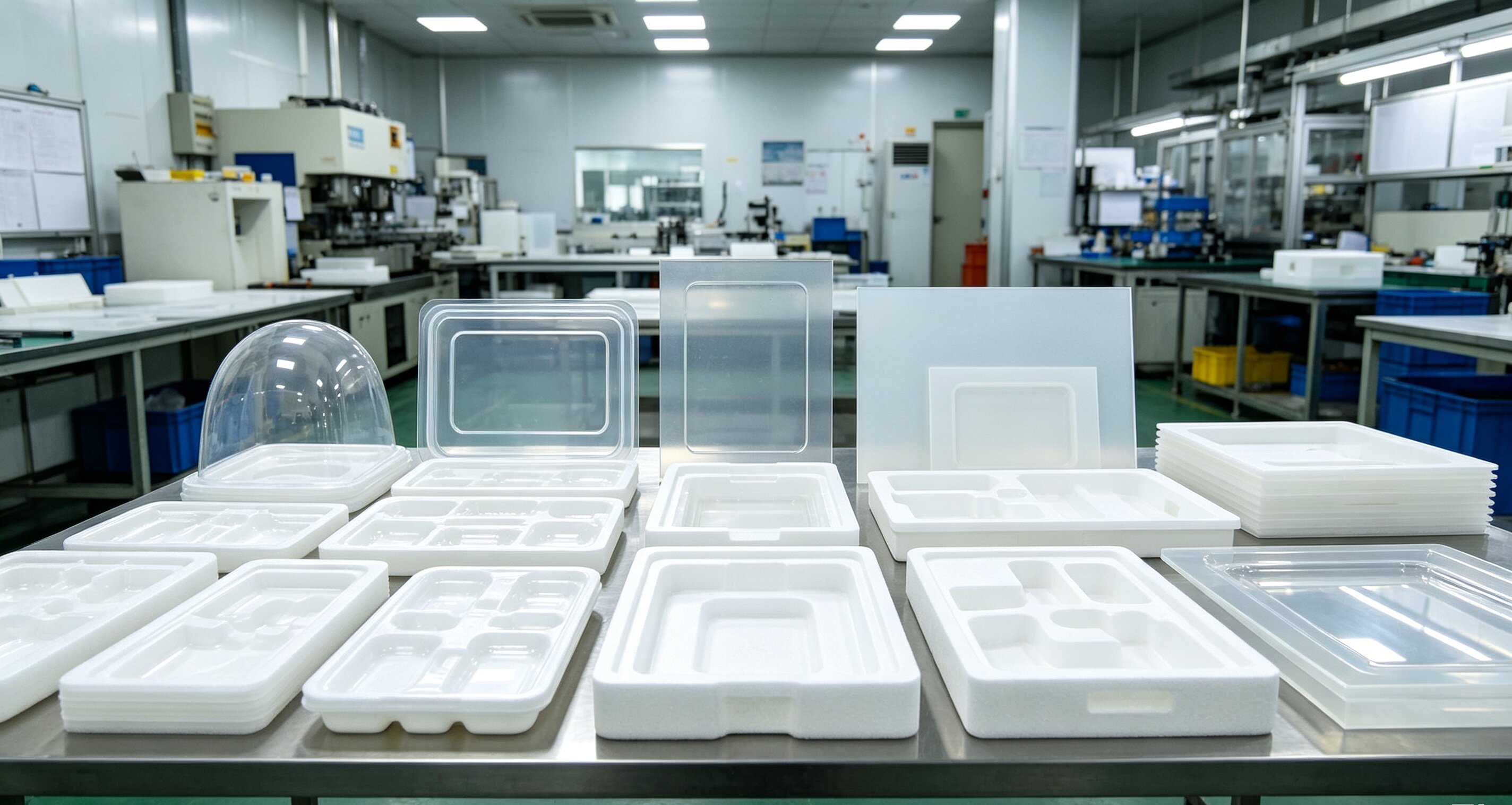
Gokai is a China-based manufacturer and supplier of plastic sheets and boards for international B2B markets. Its product portfolio includes PVC Foam Board, WPC Foam Board, Acrylic Sheet, PVC Sheet, Polystyrene Sheet, PET/PETG Sheet, ABS Sheet, Polycarbonate Sheet, and other plastic materials.
Within the Polystyrene Sheet category, Gokai provides GPPS, HIPS, and PS Mirror Sheet, allowing customers to source different PS materials from one supplier for signage, printing, packaging, thermoforming, retail display, and decorative projects.
Gokai also supports customized production requirements, including sheet dimensions, colors, thicknesses, mirror finishes, backing options, and cut-to-size PS Mirror Sheet. This makes the product range suitable for distributors, wholesalers, manufacturers, advertising companies, packaging businesses, and OEM buyers.
Whether you need GPPS Sheet for printing and signage, HIPS Sheet for packaging and thermoforming, or PS Mirror Sheet for decorative and retail applications, Gokai can provide a suitable Polystyrene Sheet solution.
Send us your required PS Sheet type, thickness, dimensions, color, surface finish, quantity, processing method, and application to discuss specifications, customization, samples, and bulk supply options.
Feel free to contact us at any time!

Gokai helped a U.S. signage manufacturer improve channel-letter production with custom cast acrylic sheets featuring better flatness, optical clarity, thickness control, color consistency, and protective-film performance. The cooperation reduced scrap, improved illuminated sign quality, and supported reliable outdoor retail-signage projects.

GOKAI showcased advanced signage materials at SIGN CHINA 2026 Shanghai, presenting PVC foam board, acrylic, PC, PETG, PP, ABS and aluminium composite panels. The team met global buyers to discuss custom solutions, samples, pricing and long-term cooperation.

Discover the best uses of polycarbonate hollow sheet for greenhouses, skylights, canopies, roofing, and OEM projects. Compare materials, choose thickness and UV protection, avoid installation mistakes, and request custom PC hollow sheet solutions from Gokai.


