Shanghai Gokai Industry Co,.Ltd.
Call Us: +86-18918606548
Call Us: +86-18918606548
- Product Name
- Product Keyword
- Product Model
- Product Summary
- Product Description
- Multi Field Search
Views: 222 Author: Loretta Publish Time: 2026-02-06 Origin: Site


Content Menu
● What Are Custom Cut Acrylic Shapes?
● Why Use Custom Cut Acrylic Shapes?
>> 1. Versatility Across Applications
>> 2. Durability and Weather Resistance
>> 3. Crystal-Clear Optics and Design Appeal
>> 4. Lightweight and Easy to Handle
● How Laser Cutting Elevates Custom Acrylic Shapes
>> 1. Precision and Repeatability
>> 4. Speed and Efficiency for Large Orders
● Top Applications for Custom Cut Acrylic Shapes
>> 1. Home Décor and Interior Design
>> 2. Retail Displays and Visual Merchandising
>> 3. Commercial and Architectural Signage
>> 4. Protective Barriers and Enclosures
>> 5. Lighting, Furniture, and Art Installations
>> 6. Educational and Museum Displays
● Industry Trends: Growing Demand for Custom Acrylic Shapes
>> Key Market and Design Trends
● Step-by-Step: How to Plan a Custom Acrylic Shape Project
>> Step 1: Define the Application and Environment
>> Step 2: Choose Material Type, Thickness, and Finish
>> Step 3: Prepare Design Files and Specifications
>> Step 4: Confirm Production Method and Tolerances
>> Step 5: Plan Logistics and Installation
● Custom Cut Acrylic vs. Other Materials
● Best Practices for Designing with Custom Acrylic
● Working with a Professional Acrylic Fabrication Partner
● Get Started with Custom Cut Acrylic Shapes
● Frequently Asked Questions (FAQ)
>> 1. What information do I need to order custom cut acrylic shapes?
>> 2. How thick should acrylic be for shelves or tabletops?
>> 3. Can custom acrylic shapes be used outdoors?
>> 4. What is the difference between laser cutting and CNC routing for acrylic?
>> 5. How should I clean and maintain acrylic surfaces?
Custom cut acrylic shapes give designers, brands, and makers a powerful way to turn ideas into durable, high-impact visuals that stand out in any space. From retail displays to architectural features, acrylic offers exceptional clarity, strength, and flexibility that traditional materials struggle to match.
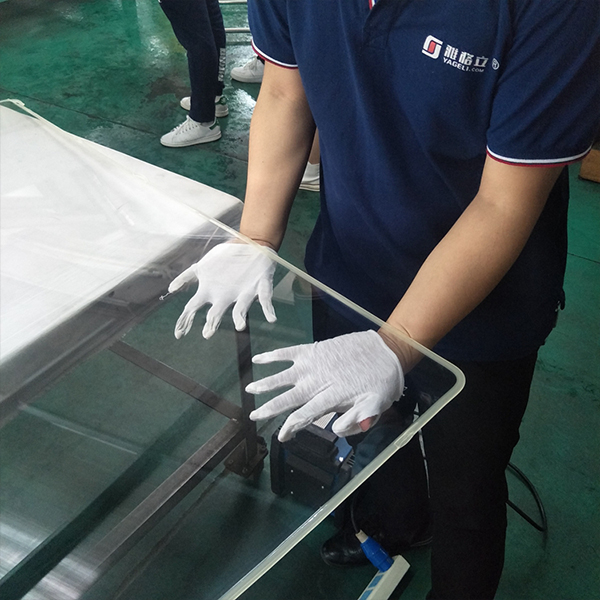
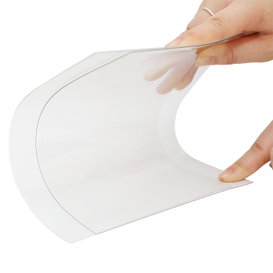
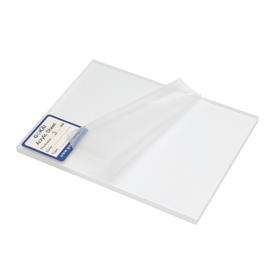
Custom cut acrylic shapes are acrylic sheets that have been precisely cut into specific sizes, patterns, or forms according to your design files or technical drawings. They can include simple geometric panels, letters and logos, complex decorative patterns, or fully engineered components for OEM applications.
- Available in clear, colored, frosted, mirrored, matte, glitter, and fluted finishes for different design styles.
- Can be produced as flat panels, layered elements, or components ready for bonding and assembly.
- Common formats: cut-to-size panels, laser-cut shapes, CNC-routed parts, and thermoformed 3D pieces.
Custom cut acrylic shapes combine aesthetics and performance, making them a go-to material for modern design and fabrication.
Acrylic can be fabricated in almost any size, shape, or contour, from tiny icons to large feature walls. This versatility supports both creative projects and technical parts in industries such as architecture, retail, automotive, and electronics.
- Flat panels for partitions, wall cladding, and signage.
- Decorative shapes for wall art, furniture accents, and lighting diffusers.
- Functional components for machinery covers, enclosures, and medical or IoT devices.
Acrylic is significantly more impact resistant than glass and performs well in both indoor and outdoor environments. With proper grades and coatings, it offers strong UV stability, scratch resistance, and long-term clarity for demanding applications.
- Ideal for high-traffic areas such as retail, hospitality, and public spaces.
- Suitable for marine, signage, and outdoor architectural features.
High-quality acrylic delivers glass-like transparency with excellent light transmission, which is crucial for displays, lighting, and architectural glazing. Designers also benefit from custom tints, frosted textures, and special effects like glitter or mirror finishes.
- Clear acrylic maintains high visibility for displays and protective screens.
- Frosted and matte finishes provide privacy and reduce glare while preserving light flow.
- Colored and glitter acrylics add branding personality and visual drama.
Acrylic weighs significantly less than glass, which simplifies handling, installation, and shipping. The lower weight reduces structural load requirements and minimizes breakage risks during transport and on-site work.
Laser cutting is one of the most effective methods for producing high-precision custom acrylic shapes at scale.
Modern laser cutting systems can achieve very tight tolerances on acrylic parts. This allows for intricate geometry, tight-fitting assemblies, and consistent results across large production runs.
- Ideal for complex logos, detailed patterns, and interlocking components.
- Ensures each part follows the exact same digital design file, critical for OEM projects.
Laser cutting melts and seals the acrylic edge during the cut, producing a clean, glossy finish without extra polishing steps in many cases. This reduces post-processing time and helps projects move from production to installation faster.
Laser cutting supports geometric shapes, organic curves, cut-out text, perforations, and complex decorative patterns with ease. It works with clear, colored, mirrored, and specialty acrylics, enabling consistent branding across different environments.
Laser cutting is significantly faster than many traditional cutting methods, especially for repetitive shapes and nested layouts. Advanced systems and nesting strategies also reduce material waste, supporting both cost efficiency and sustainability goals.
Custom cut acrylic panels and shapes are used in a wide range of real-world projects, from residential interiors to industrial equipment.
In modern interiors, acrylic is used to create light, open, and contemporary spaces without the fragility of glass.
- Floating wall art, layered acrylic panels, and decorative room dividers.
- Tabletops, coffee table inserts, and shelving elements that resist impacts.
- Photo frames, mirror surrounds, and accent pieces with custom colors and finishes.
Retailers rely on acrylic to showcase products, organize shelving, and deliver strong brand presence.
- Point-of-purchase displays, risers, and branded trays.
- Illuminated logo panels and edge-lit displays using clear and frosted acrylic.
- Changeable modular components for seasonal campaigns and promotions.
Custom cut acrylic letters, logos, and panels are standard in indoor and outdoor signage for businesses of all sizes.
- Dimensional lettering and logo badges for reception areas and storefronts.
- Wayfinding systems in corporate, healthcare, and educational buildings.
- Backlit and halo-lit signs using translucent acrylic with LED systems.
Acrylic provides transparency and impact resistance for protective barriers and machine covers.
- Machine guards and industrial housings that require clear visibility.
- Protective windows and panels in marine and transportation environments.
- Enclosures and covers for electronics, IoT devices, and control panels.
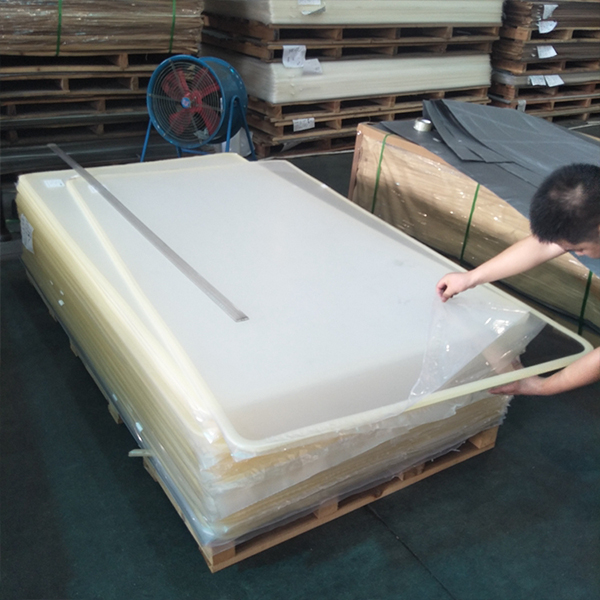
Acrylic interacts beautifully with light, making it ideal for lighting design, sculptural furniture, and public art.
- Custom lenses, diffusers, and light guides for LED fixtures.
- Thermoformed and layered acrylic for sculptural lighting and furniture pieces.
- Art installations that use colored or fluted acrylic to manipulate light and shadow.
In learning environments, acrylic is used to build interactive, durable displays that invite hands-on exploration.
- Exhibit cases and display stands that keep artifacts visible and protected.
- Anatomical models and scientific illustrations made from laser-cut parts.
- Student project showcases and signage in schools and universities.
The global demand for acrylic sheets continues to grow, driven by construction, retail, transportation, and electronics. Within that growth, customization is a key driver, as brands increasingly request bespoke shapes, textures, and finishes rather than generic sheets.
- Growth in retail and signage applications using LED-compatible acrylic formats.
- Expanded interior design use of matte, fluted, and frosted acrylic for privacy and acoustic panels.
- Increased adoption in medical and wellness environments for hygienic, easy-to-clean surfaces.
- Integration into smart home and IoT devices, where precise, clear panels are essential.
Whether you are a designer, fabricator, or brand owner, a structured process helps ensure your acrylic project runs smoothly from concept to installation.
- Clarify where the acrylic shapes will be installed (indoor, outdoor, marine, high-traffic space).
- List functional requirements: load-bearing, impact resistance, light diffusion, privacy, fire standards.
- Identify special constraints such as chemical exposure, frequent cleaning, or temperature variations.
- Select acrylic type (clear, tinted, frosted, matte, mirror, glitter, or fluted) based on design goals.
- Choose thickness suitable for structural and aesthetic needs; thicker panels for furniture and guards, thinner for signage and overlays.
- Consider extra coatings for UV, scratch resistance, or anti-glare performance if required.
- Create vector files (such as DXF, DWG, AI, or SVG) with exact dimensions and cut paths.
- Indicate which edges should be polished, rounded, or left as-cut.
- Note mounting points, hardware locations, and any engraving or printing areas.
- Decide between laser cutting, CNC routing, or a combination based on geometry and volume.
- Agree on dimensional tolerances and edge quality standards at the quotation stage.
- Request prototypes or small test runs for complex or high-visibility elements.
- Coordinate packaging, labeling, and protective films to avoid scratches during transportation.
- Schedule installation with appropriate tools, mounting hardware, and safety protocols.
- Document cleaning and maintenance guidelines for long-term performance.
When selecting a material, decision-makers often compare acrylic with glass, polycarbonate, and traditional wood or metal panels.
Property | Custom Cut Acrylic | Glass | Polycarbonate |
Weight | Lighter than glass, easier to handle and install. | Heavier, requires stronger support structures. | Similar or lighter than acrylic depending on grade. |
Impact resistance | Higher impact resistance than glass. | Prone to shattering under impact. | Very high impact resistance, often higher than acrylic. |
Optical clarity | Excellent clarity and light transmission. | Excellent clarity but heavier and more fragile. | Good clarity; some grades may yellow over time. |
Customization | Highly customizable shapes, colors, and finishes. | More limited shapes and finishing options. | Customizable but often used for more utilitarian parts. |
Edge finish | Laser-cut edges can be smooth and glossy. | Requires grinding and polishing for smooth edges. | Can be machined cleanly but usually not flame-polished. |
Cost-effectiveness | Competitive for decorative and architectural work. | Higher installation and handling costs due to weight. | May be more costly depending on grade and application. |
Good design decisions at the beginning of a project will dramatically improve the performance and aesthetics of your acrylic shapes.
- Use rounded interior corners where possible to reduce stress concentrations.
- Avoid extremely thin cross-sections on load-bearing parts.
- Specify appropriate hole sizes and edge distances for mechanical fasteners.
- Allow for thermal expansion in outdoor or high-temperature environments.
- Choose matte or frosted finishes if you need to minimize fingerprints and glare.
To turn complex ideas into reliable finished products, many businesses partner with specialized acrylic fabrication suppliers that offer both materials and processing.
- OEM and ODM manufacturing for custom acrylic components and assemblies.
- Cut-to-size, laser cutting, CNC routing, and polishing as integrated services.
- Support for retail, architectural, marine, industrial, and electronics projects across global markets.
A fabrication-capable partner can provide engineering input, cost optimizations, and process choices that help your project move from concept to production more efficiently.
If you are planning a new interior, retail concept, branded signage system, or OEM component, custom cut acrylic shapes offer an ideal balance of creativity, durability, and cost-effectiveness. From small one-off projects to high-volume production runs, the right acrylic partner can help you select materials, fine-tune designs, and deliver parts that are ready to install.
To move your project forward with confidence, prepare your drawings, quantities, and application details, then contact a professional acrylic fabrication team to request tailored material recommendations, laser-cut samples, and a custom quotation. Taking this step now ensures your next display, interior, or product component not only looks outstanding but also performs reliably over the long term.
Contact us to get more information!

You should provide dimensions, thickness, quantity, material type (clear, colored, frosted, etc.), finish requirements, and design files such as DXF, DWG, AI, or SVG. Clear information helps the fabricator quote accurately and produce parts that match your expectations.
Thicker acrylic is recommended for load-bearing surfaces, with final thickness depending on span length, weight, and mounting method. As a rule of thumb, longer spans and heavier loads require significantly thicker panels to prevent bending or cracking.
Yes, many acrylic grades are suitable for outdoor use when properly specified. For exterior projects, it is important to choose UV-stable materials and follow recommended mounting and maintenance practices to maintain clarity and performance.
Laser cutting delivers highly precise cuts with smooth, polished edges and is ideal for intricate shapes and detailed designs. CNC routing is often chosen for thicker materials, large panels, or specific edge profiles where mechanical cutting offers better control.
Use a soft microfiber cloth and mild, non-abrasive cleaners to avoid scratching the surface. Do not use harsh solvents or scouring pads, and follow any manufacturer guidelines to keep the acrylic clear and free from haze over time.
1. https://www.acmeplastics.com/content/achieve-your-design-dreams-with-custom-cut-acrylic-shapes/
2. https://www.acmeplastics.com/content/category/acrylic-shapes/
3. https://www.acmeplastics.com/content/category/customizations/
4. https://www.ttplasticland.com/blogs/news/benefits-of-using-laser-cut-acrylic-for-custom-projects
5. https://jumei-acrylic.com/acrylic-sheet-demand-trends-applications-2025/
6. https://www.acmeplastics.com/content/how-laser-cutting-shops-can-streamline-orders-with-pre-cut-plastic-sheets/
7. https://www.kunxinplastics.com/news/116/
8. https://www.welldonplastics.com/news/why-professional-designers-opt-for-custom-sized-acrylic-sheets-three-key-advantages.html
9. https://www.sanait.com/acrylic-industry-new-trends-and-opportunities-in-2025/
10. https://www.abbeyspecialties.com/blog/creative-uses-for-acrylic-in-interior-design