Shanghai Gokai Industry Co,.Ltd.
Call Us: +86-18918606548
Call Us: +86-18918606548
- Product Name
- Product Keyword
- Product Model
- Product Summary
- Product Description
- Multi Field Search
Views: 222 Author: Loretta Publish Time: 2026-02-09 Origin: Site


Content Menu
● Acrylic vs Nylon at a Glance
>> Core Differences in One Table
● Key Material Properties: Acrylic vs Nylon
>> Optical Clarity and Appearance
>> Strength, Impact Resistance, and Wear
>> Flexibility and Dimensional Stability
>> Heat Resistance and Temperature Limits
● Practical Pros and Cons of Acrylic
● Practical Pros and Cons of Nylon
● Typical Applications: When to Use Acrylic vs Nylon
● Acrylic vs Nylon for CNC Machining and Fabrication
● Cost, Lifespan, and Environmental Considerations
>> Cost and Total Cost of Ownership
>> Recycling and Sustainability
● How to Choose: A Simple Decision Guide
● Where OEM Buyers Fit Into the Picture
● When to Talk to a Plastics Specialist
● Call to Action: Get Expert Help Choosing Between Acrylic and Nylon
● Frequently Asked Questions (FAQ)
>> 1. Is acrylic stronger than nylon?
>> 2. Which material is better for outdoor use?
>> 3. Can both acrylic and nylon be machined?
>> 4. Which is more cost-effective in the long term?
>> 5. Are acrylic and nylon environmentally friendly?
Acrylic and nylon are both versatile petroleum-based thermoplastics, but their differences in clarity, strength, flexibility, and cost make them suitable for very different projects.
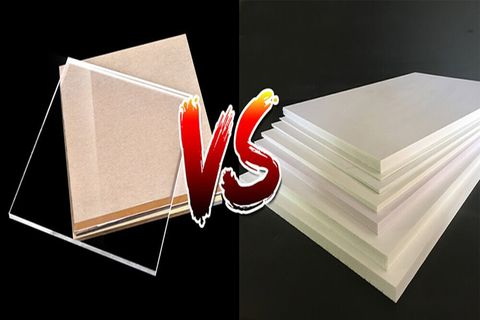
Acrylic (PMMA, polymethyl methacrylate) is a rigid, transparent thermoplastic known for its optical clarity and glass-like appearance.
It is widely used in roof panels, windows, skylights, aquariums, retail displays, and safety shields where clarity and aesthetics matter.
Compared with glass, acrylic is lighter, shatter-resistant, and easier to fabricate, making it popular in construction, signage, and display industries.
Nylon (polyamide) is a tough, flexible engineering plastic valued for its wear resistance, high tensile strength, and low friction.
It is commonly used in mechanical components like gears, bearings, bushings, and in consumer products such as clothing, brushes, and ropes.
Because nylon balances strength, toughness, and self-lubricating properties, it is often chosen as a metal-replacement material in automotive and industrial equipment.
| Factor | Acrylic (PMMA) | Nylon (Polyamide) |
|---|---|---|
| Appearance | Crystal clear, up to about 93% light transmission, glass-like look. | Opaque to translucent, milky or colored, not optically clear. |
| Rigidity vs Flexibility | Rigid and relatively brittle, low flexibility. | Tough and flexible, bends without cracking easily. |
| Impact & Wear | Good general strength but can crack under impact; scratches more easily. | High impact strength and abrasion resistance, ideal for moving parts. |
| Weight | About 50% lighter than glass of the same thickness. | Much lighter than many metals, often used as metal replacement. |
| Heat Behavior | Softens and warps at relatively low temperatures and high humidity. | Higher heat resistance in many grades, better for elevated service temperatures. |
| Water & Moisture | Very low water absorption, excellent for aquariums and outdoor signage. | Can absorb moisture, affecting dimensions and properties over time. |
| Machinability & Forming | Easy to cut and drill, but too brittle for many demanding CNC and 3D printing applications. | Well suited for CNC machining and 3D printing; good for functional prototypes and parts. |
| Cost | Generally less expensive than nylon, especially in sheet form. | More expensive than many common plastics and costlier to recycle. |
| Sustainability | Difficult and costly to recycle at scale. | Also challenging to recycle; still energy-intensive and nonbiodegradable. |
This quick comparison shows that acrylic excels in clarity and appearance, whereas nylon leads in toughness, friction performance, and mechanical strength.
Acrylic offers exceptional light transmission, with up to about 93% transparency, making it ideal where visual performance is critical.
It does not yellow easily with age, so it is frequently chosen for skylights, display cases, signage, and transparent safety barriers.
Nylon, in contrast, is usually opaque or translucent, often off-white or colored, and is rarely chosen for applications that require glass-like clarity.
Recommended visuals:
- Insert a comparison photo of an acrylic window or display vs a nylon gear or bushing under this section to make the clarity difference intuitive.
Acrylic has high rigid strength and can be cut, drilled, and machined without immediate cracking when handled correctly, but it remains relatively brittle under sharp impact.
It also scratches more easily, so surfaces may require protective films or regular polishing if exposed to abrasion.
Nylon provides superior impact resistance, tensile strength, and abrasion resistance, making it a better choice for moving parts such as gears, bearings, and mechanical guides under load.
Acrylic holds its shape very well and resists flexing, which is ideal for flat panels, signs, and structural displays that must stay rigid.
However, this low flexibility contributes to its tendency to crack rather than deform when overloaded.
Nylon can bend, flex, and absorb energy without breaking, and certain grades even exhibit self-lubricating properties that help reduce friction in dynamic applications.
Acrylic begins to soften and warp at relatively low temperatures, especially in hot, humid environments or near heat sources.
Because of this, it is not recommended for applications that involve continuous high heat or close contact with hot equipment.
Many nylon grades have higher heat deflection temperatures and can better maintain mechanical properties under load at elevated temperatures.
Recommended visuals:
- A simple chart or infographic showing typical softening or deflection temperatures for commonly used acrylic vs nylon grades.
- Cost-effective: Acrylic is typically less expensive than nylon and other engineering plastics, especially in sheet and panel products.
- High transparency: Up to about 93% light transmission, ideal for glazing, displays, and viewing windows.
- Shatter-resistant: Unlike glass, acrylic does not break into sharp shards, improving safety.
- Lightweight: About 50% lighter than glass of the same thickness, which reduces structural load and simplifies installation.
- Low water absorption: Excellent for aquariums, tanks, and outdoor signage in humid environments.
- Lower impact toughness: Acrylic can be brittle and crack if exposed to strong impact or repeated stress.
- Scratch-prone surface: It can be scratched by abrasive cleaners, tools, or improper handling, although some scratches can be polished out.
- Limited heat resistance: Acrylic can warp or deform at relatively modest temperatures and is not suitable near sustained heat sources.
- Recycling challenges: While acrylic can be remelted and repurposed, large-scale recycling is still complex and costly.
- High tensile strength: Nylon can bear heavy loads without breaking, even under demanding conditions.
- Excellent abrasion resistance: Its low-friction surface and wear resistance make it ideal for moving parts, gears, and bearings.
- Impact resistance and toughness: Nylon components can absorb shocks and impacts better than brittle materials like acrylic.
- Electrical insulation: Nylon's poor conductivity makes it a reliable insulator in many electronic and electrical applications.
- Lightweight metal replacement: Nylon can significantly reduce system weight compared with many metals.
- Heat sensitivity: Nylon can shrink or melt at very high temperatures, and its performance drops if thermal limits are exceeded.
- Moisture absorption: Nylon can absorb water over time, which may affect dimensional stability and mechanical properties.
- Environmental impact: Nylon production is energy-intensive, nonbiodegradable, and can release hazardous gases if burned, making end-of-life treatment a major consideration.
- Higher cost: Nylon is generally more expensive than acrylic and some other commodity plastics, and advanced recycling processes add further cost.
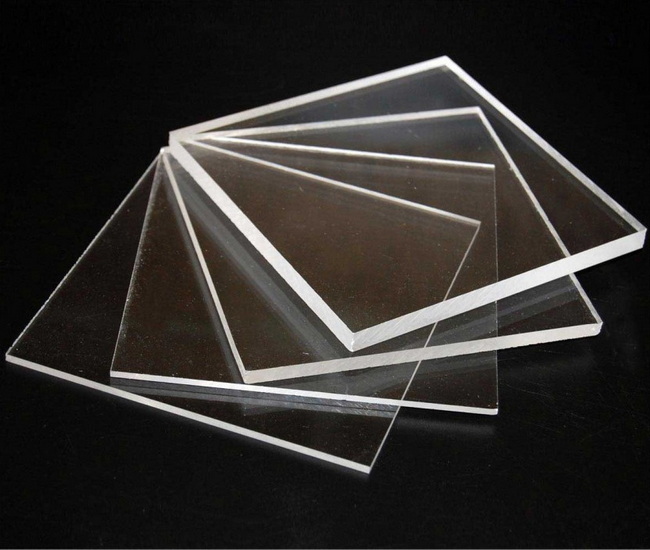
Choose acrylic when visual performance and design are the top priorities.
- Windows, skylights, and roof panels where light transmission is important.
- Retail displays, point-of-purchase stands, and exhibition panels.
- Aquarium panels, tanks, and transparent covers requiring clarity and low water absorption.
- Safety shields and guards that must be shatter-resistant but still clear.
- Light diffusers and signage where printed graphics need to remain bright and visible.
Recommended visuals:
- Under this section, place photos of acrylic retail displays, protective shields, and aquariums to show real-world usage.
Choose nylon when mechanical performance and durability are essential.
- Gears, bearings, bushings, and rollers in machinery and conveying systems.
- Structural machine components, wear strips, and guides subject to friction and impact.
- Automotive and industrial parts where weight reduction and noise reduction are important.
- Functional prototypes and small-batch components produced via CNC machining or 3D printing.
- Fasteners, cable ties, and mechanical fittings needing toughness and flexibility.
For parts that require precision machining, nylon usually offers a wider process window than acrylic.
Nylon's toughness and lower brittleness help it withstand cutting forces, making it suitable for gears, bushings, and structural components produced on CNC machines.
Acrylic can be cut, drilled, and shaped for panels and displays, but it is not recommended for demanding CNC machining of highly stressed or thin-walled parts because of its brittleness.
In 3D printing and other additive processes, nylon is frequently preferred over acrylic due to its superior impact resistance and durability in functional testing.
Suggested visual:
- A diagram or photo showing a machined nylon gear set next to laser-cut or machined acrylic plates.
On a pure material pricing basis, acrylic is generally more economical than nylon, especially for sheet and plate products.
For glazing, displays, and decorative panels, choosing acrylic instead of nylon usually lowers the initial project cost.
Nylon becomes cost-effective when extended life, reduced maintenance, or weight reduction offset its higher unit price.
For example, replacing metal components with nylon can reduce wear, lower lubrication needs, and cut energy consumption due to lighter moving parts.
Both acrylic and nylon are derived from petroleum and pose sustainability challenges.
Acrylic can be remelted and remolded, but large-scale recycling is technically complex and expensive, so most post-consumer acrylic still ends up in landfills.
Nylon has better theoretical recyclability but requires specialized infrastructure and higher processing costs, and it remains nonbiodegradable in typical environments.
When comparing two designs, it is important to consider not only recyclability but also lifetime performance, maintenance needs, and the possibility of reuse or refurbishment.
Use this quick guide when deciding between acrylic and nylon for your next project.
1. If you need transparent, glass-like panels, choose acrylic.
2. If the part will experience continuous friction, impact, or heavy load, choose nylon.
3. If weight reduction and rigidity for large, flat panels are important, acrylic is usually sufficient.
4. If you require CNC-machined functional parts, gears, or bearings, nylon is the safer, more durable option.
5. If budget is tight for a visually demanding display, acrylic typically offers the best balance of cost and appearance.
Example:
- A clear retail display for cosmetics should use acrylic to maximize transparency and visual appeal.
- A gear in a conveyor system should use nylon for its wear resistance, toughness, and low friction.
For global OEM buyers, distributors, and brand owners, choosing the right material is only part of the decision; reliable supply and fabrication support matter just as much.
Acrylic specialists can provide cut-to-size sheets, custom shapes, and finished parts for signage, displays, and architectural elements, while nylon-focused suppliers support precision components for machinery and equipment.
If you are building systems that combine clear protective panels with mechanical components, such as production lines, kiosks, or vending equipment, you may end up using both materials in one project.
Working with experienced manufacturers who understand acrylic and nylon helps you balance performance, cost, and lead times across the full bill of materials.
Suggested visual:
- A schematic showing an assembly where acrylic guards protect operators while nylon gears and bushings run inside the machine.
Because specification errors can lead to cracking, warping, or premature wear, it often makes sense to consult a plastics expert before committing to a final design.
Key times to seek expert input include:
- When your design includes both clear panels and moving parts in one assembly.
- When operating temperatures or chemical exposure are near the limits of acrylic or nylon.
- When you need tight tolerances, long service life, or strict safety compliance.
A competent materials supplier can recommend grades, thicknesses, and fabrication methods that align with your performance goals and budget.
Selecting between acrylic and nylon is not just a matter of picking a name from a catalog; it requires aligning clarity, strength, temperature, and cost with your real-world application.
If you are planning a new project that involves clear panels, displays, machine guards, gears, or wear-resistant parts, now is the time to speak with a plastics specialist about material selection, custom sizing, and OEM fabrication options.
Reach out to a professional plastics supplier that offers both acrylic and nylon sheets, rods, and machined components, and share your drawings, operating environment, and performance expectations.
With the right partner, you can reduce trial-and-error, avoid costly redesigns, and bring durable, high-performing plastic components into your product line faster.
Contact us to get more information!
Acrylic is strong in terms of rigidity and can support loads as a stiff panel, but nylon generally has higher tensile strength and impact resistance, making it tougher for mechanical parts.
For clear panels and signage, acrylic is often preferred outdoors because of its optical clarity and resistance to yellowing, as long as its lower heat resistance is respected.
For exposed mechanical components such as bushings or gears, UV-stabilized nylon can perform well, but moisture absorption and temperature limits must be considered.
Yes, both materials can be cut and machined, but nylon is better suited for demanding CNC machining of functional parts due to its toughness and resistance to cracking.
Acrylic is more commonly machined for panels, signs, and display components where edge quality and clarity are important, not high mechanical loads.
Acrylic usually carries a lower upfront material cost, making it economical for glazing and display applications.
Nylon may be more cost-effective over the lifetime of machinery or equipment because of its superior wear resistance and reduced need for replacement or lubrication.
Both materials are petroleum-based and nonbiodegradable, and each presents recycling challenges.
Nylon has somewhat better recyclability in principle, but processing is energy-intensive, and acrylic recycling remains limited and costly in most markets.
1. https://www.acmeplastics.com/content/acrylic-vs-nylon-what-are-the-key-differences/
2. https://flacrylic.com/acrylic-vs-nylon/
3. https://www.vanderveerplastics.com/compare-materials.html?sel1=acrylic&sel2=nylon
4. https://otivic.com/plastic-vs-nylon/
5. https://textile-yarn.com/blog/acrylic-vs-nylon/