Shanghai Gokai Industry Co,.Ltd.
Call Us: +86-18918606548
Call Us: +86-18918606548
- Product Name
- Product Keyword
- Product Model
- Product Summary
- Product Description
- Multi Field Search
Views: 222 Author: Loretta Publish Time: 2026-02-06 Origin: Site


Content Menu
● What Are Acrylic Clear Blocks?
● Key Material Benefits of Acrylic Clear Blocks
● 1. Arts and Crafts: Clear Stamps and DIY Projects
● 2. Retail Displays: Elevating Product Merchandising
● 3. Museum and Gallery Displays: Discreet Support and Labeling
● 4. Picture Blocks and Photo Presentation
● 5. Awards, Trophies, and Corporate Gifts
● 6. Architectural and Interior Applications
● 7. Additional High-Value Use Cases
>> 7.1 Visual Merchandising for Luxury and Tech Brands
>> 7.2 Integrated Lighting and Signage
>> 7.3 Protective Barriers and Counter Blocks
● 8. How to Choose Acrylic Clear Blocks for Your Project
>> 8.2 Finish and Edge Treatment
>> 8.3 Indoor vs. Outdoor Conditions
● 9. Acrylic Clear Blocks vs. Glass and Other Plastics
● 10. Practical Maintenance and Care Tips
● Take the Next Step With Custom Acrylic Clear Blocks
● FAQs About Acrylic Clear Blocks
>> Q1. Are acrylic clear blocks safe to use in high-traffic retail spaces?
>> Q2. Can acrylic clear blocks be used outdoors?
>> Q3. How do acrylic clear blocks compare in price to glass?
>> Q4. Can I engrave or print on acrylic clear blocks?
>> Q5. How should I clean acrylic clear blocks without scratching them?
Acrylic clear blocks are a high-clarity, impact-resistant alternative to glass that work exceptionally well in both decorative and structural display applications, from retail merchandising to architectural elements. When designed and positioned strategically, they not only showcase products or artwork but also enhance perceived value, improve light performance, and withstand heavy, daily use in commercial environments.
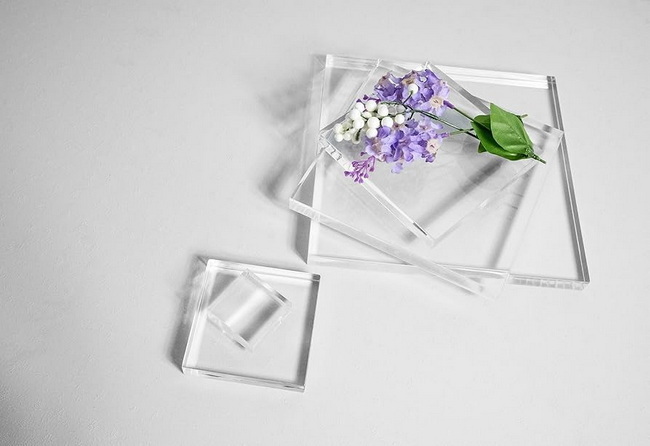
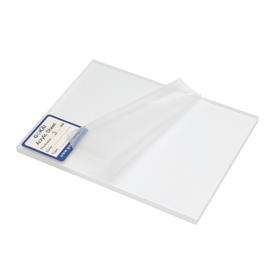
Acrylic clear blocks are solid, transparent PMMA (polymethyl methacrylate) blocks manufactured in precise sizes and thicknesses for visual and structural applications. Compared with glass, they provide similar clarity while being lighter at equal thickness and significantly more impact-resistant.
Because of their optical clarity, edge-polishing options, and excellent weatherability, acrylic clear blocks are widely used in retail displays, museums, photo presentation, awards, and architectural features. They can be custom-fabricated, engraved, printed, or combined with LEDs to create branded and illuminated installations.
- High optical clarity for unobstructed viewing of displayed items or embedded graphics.
- Lower weight than glass at comparable thickness, reducing structural loads and simplifying installation.
- Good impact resistance and fragment-resistance, making displays safer in high-traffic environments.
- Weather and UV resistance suitable for many indoor and selected outdoor uses.
- Easy to machine, polish, engrave, and bond, allowing extensive design and branding customization.
These properties make acrylic clear blocks a versatile choice for both functional and aesthetic roles wherever transparency and durability are required.
In the crafting community, clear stamps are a standard tool, and they must be mounted onto a rigid, transparent block for accurate placement. Acrylic clear blocks provide a flat, non-porous surface that lets crafters see exactly where the motif will land, resulting in clean, repeatable prints for cards, invitations, and scrapbooks.
For DIY makers, acrylic blocks can serve as multi-use tools beyond stamping: they can be used as alignment guides, mini palettes for water-based paints, or bases for small resin and vinyl projects. Because the material is easy to wipe clean and resists stains from most inks and pigments, it supports fast-paced, iterative creative work.
Acrylic clear blocks are widely used in retail to lift products off the shelf and create multi-level presentations that draw the eye. Their transparency allows light to travel around and through the product, particularly jewelry, watches, cosmetics, electronics, and accessories, making items appear more luminous and premium.
In high-traffic stores, acrylic is preferred over glass because it is fragment-resistant and can withstand daily handling, cleaning, and frequent re-merchandising without losing clarity. Blocks can be cut, polished, and engraved with logos, price information, or product names, turning each unit into a combined display prop and branding element.
Best-practice tips for retail UX:
1. Use varying block heights to create visual hierarchy between hero products and add-ons.
2. Keep edges diamond-polished to avoid visual noise and reinforce a luxury perception.
3. Combine clear blocks with focused accent lighting to maximize sparkle on jewelry and glass bottles.
Museums and galleries rely on acrylic clear blocks to support and position artifacts, sculptures, fossils, and small objects in vitrines while keeping the supports visually unobtrusive. Their transparency allows visitors to focus on the pieces themselves, while still maintaining stability and correct viewing angles.
Curators also use small etched blocks as discreet labels, engraving object numbers or brief information directly into the material, which avoids cluttered label cards inside glass cases. For traveling exhibitions, the lighter weight and impact resistance of acrylic reduce risks during transport and installation.
Printing images directly onto acrylic clear blocks creates a modern, frameless photo display with depth and dimensionality. The light-capturing behavior of acrylic enhances contrast and saturation, making brightly colored images particularly striking on desks, shelves, and reception counters.
For DIY users, a simple workflow is to print the image on clear sticker paper or photo film and adhere it to the block surface, transforming a standard block into a sculptural photo object. These blocks stand upright without additional frames, which simplifies installation in homes, offices, and retail brand storytelling spaces.
Acrylic clear blocks are an increasingly popular base for awards, trophies, and corporate recognition pieces, often replacing glass and crystal. They can be CNC-routed, laser-engraved, or UV-printed with logos, names, and event details, allowing both internal illumination and surface graphics.
Because acrylic can integrate LEDs directly into the block material, designers can create back-lit or edge-lit awards that glow around text and icons, dramatically increasing perceived value at events. The durability and scratch resistance of acrylic ensures that these pieces maintain their clarity and impact long after the event.
In interior and architectural design, acrylic clear blocks can be used to create decorative windows, partitions, balustrade infills, and privacy features. When manufactured with textured surfaces or frosted finishes, they provide privacy while still permitting generous daylight transmission, making them ideal for bathrooms, offices, and retail fitting rooms.
Unlike comparable glass blocks, acrylic versions are lighter and can reduce structural reinforcement requirements, especially in renovation projects. They are also UV-resistant and can be combined with triple-glazing, tints, or films to improve energy performance and comfort in sun-exposed areas.
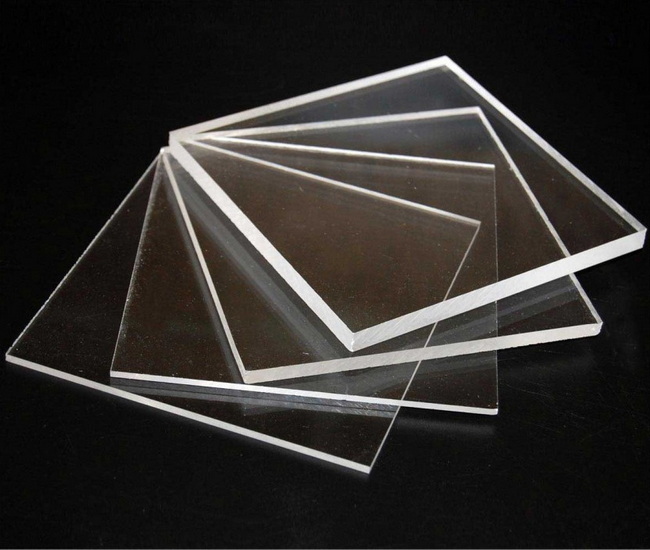
To stay ahead of competitors, it helps to recognize emerging and specialized use cases where acrylic clear blocks create measurable business value.
Premium fashion, beauty, and technology brands increasingly use acrylic blocks as modular building elements for seasonal campaigns. Clear blocks can be combined with colored or frosted acrylic, printed graphics, and metal accessories to create multi-layered storytelling environments in windows and shop-in-shops.
Because blocks are reusable and reconfigurable, visual merchandising teams can adapt layouts for new collections without rebuilding entire fixtures, reducing cost and environmental impact over time.
Acrylic block sheets are designed in some product families to accept LED modules directly in the material, producing even light diffusion for signage, logos, and directional information. This makes them ideal for illuminated logos in lobbies, edge-lit menu boards, or glowing product pedestals that highlight key SKUs.
When combined with CNC-carved channels and engraved icons, back-lit acrylic blocks offer excellent readability, even in dim environments, without the fragility and weight of glass.
Retailers, hotels, and healthcare facilities use thicker acrylic blocks and panels as protective barriers, pass-through blocks, and counter elements that still allow clear communication. Acrylic's impact resistance and shatter-resistant properties make it safer than glass in public settings while preserving transparency.
Combining blocks with sheets allows designers to build hybrid solutions, for example, a thick base block supporting a vertical barrier, that look more cohesive and premium than ad-hoc metal or wood structures.
When specifying acrylic clear blocks, consider the following practical criteria to ensure performance, safety, and visual quality.
- Lightweight decorative use (labels, small photo blocks): thinner blocks typically suffice.
- Retail pedestals supporting heavier products: choose thicker blocks to prevent flexing or stress cracking.
- Structural or architectural applications: consult an engineer or experienced fabricator for load and safety requirements.
Diamond-polished and buffed edges make blocks appear seamless and glass-like, which is important for luxury retail and gallery environments. Frosted or textured surfaces reduce fingerprints and glare and can add privacy or a soft-glow effect.
For outdoor or sun-exposed installations, ensure you specify UV-stable acrylic grades that maintain clarity and resist yellowing over time. In environments with frequent cleaning, select grades compatible with the chemicals used and adopt non-abrasive cleaning routines.
The table below summarizes key differences between acrylic clear blocks, glass, and another common transparent plastic, polycarbonate, for typical display and architectural use.
Property / Material | Acrylic clear blocks | Glass | Polycarbonate |
Weight at equal thickness | About half of glass | Heavy | Similar to or lighter than acrylic |
Impact resistance | High, fragment-resistant | Low, shatters easily | Very high impact resistance |
Optical clarity / light transmission | Very high light transmission | High clarity | Slightly lower clarity than acrylic |
UV resistance | Good with appropriate grades | Good but heavier and more brittle | Often lower without protective coatings |
Scratch resistance | Better than many plastics; can be polished | Good but chips easily | Lower; more prone to scuffs |
Fabrication (cutting, engraving, etc.) | Easy to machine and polish | Difficult; specialist processes | More challenging to finish cleanly |
Typical applications | Displays, blocks, glazing, awards | Traditional windows, décor | Safety glazing, impact shields |
For most display and presentation projects where clarity and design flexibility matter more than extreme impact resistance, acrylic clear blocks represent a strong balance of performance and cost.
To preserve the appearance and lifetime of acrylic clear blocks, follow these simple maintenance guidelines.
- Clean with mild soap or a plastic-safe cleaner and a soft microfiber cloth to avoid scratching.
- Avoid ammonia-based glass cleaners and abrasive pads, which can haze the surface.
- For light scratches, specialized acrylic polishes and careful buffing can restore clarity.
- In retail or museum settings, establish a regular cleaning schedule to maintain brilliance under lighting.
If you are planning a new display, museum exhibit, architectural feature, or product launch, acrylic clear blocks offer a proven combination of clarity, durability, and design flexibility. To get the best results, collaborate with a specialist manufacturer that can provide OEM support, custom sizes, and finishing options such as engraving, UV printing, LED integration, and textured surfaces tailored to your project.
Define your requirements in detail, including dimensions, load-bearing needs, installation environment, and visual style, then request sample blocks or prototypes to test light behavior and product fit before full rollout. By partnering with an experienced acrylic fabricator, you can turn simple clear blocks into high-impact visual tools that strengthen your brand story and enhance customer experience in every space.
Ready to transform your retail display, museum exhibit, or interior space with high-clarity, durable acrylic clear blocks? Contact our specialist team today to discuss your dimensions, load requirements, and branding needs, and we will provide OEM-ready solutions, samples, and expert advice to bring your project to life.
Contact us to get more information!
Yes. Acrylic provides higher impact and fragment resistance than glass, which reduces the risk of dangerous shards if a display is bumped or dropped.
They can, provided you choose UV-stable grades and consider factors like temperature changes, UV exposure, and cleaning chemicals to maintain clarity over time.
Pricing varies by region and fabrication, but acrylic is often cost-competitive once you factor in lower weight, easier processing, and reduced breakage losses over the lifetime of the installation.
Yes. Acrylic is ideal for CNC routing, laser engraving, and UV printing, which makes it a popular choice for branded displays, awards, and signage that require detailed graphics or text.
Use a soft cloth with mild soap or a plastic-safe cleaner, avoid harsh chemicals and abrasives, and apply acrylic polish only when needed to repair minor surface scratches.
1. https://www.acmeplastics.com/content/6-common-use-cases-for-acrylic-clear-blocks/
2. https://www.acmeplastics.com/acrylic-clear-block
3. https://americanacrylics.com/p/clear-acrylic-block/
4. https://www.weprofab.com/acrylic-block/
5. https://millenniumalloys.ca/common-uses-of-acrylic-plastic/
6. https://cambrianplastics.co.nz/product/acrylic-vs-polycarbonate/
7. https://www.rightonblackburns.co.uk/news/polycarbonate-acrylic-difference
8. https://www.shoppopdisplays.com/CS006/custom-size-solid-clear-acrylic-block.html
9. https://www.canalplastic.com/products/acrylic-blocks
10. https://www.jpplus.com/clear-acrylic-block-awards