Shanghai Gokai Industry Co,.Ltd.
Call Us: +86-18918606548
Call Us: +86-18918606548
- Product Name
- Product Keyword
- Product Model
- Product Summary
- Product Description
- Multi Field Search
Views: 222 Author: Loretta Publish Time: 2026-02-05 Origin: Site


Content Menu
● Core Benefits of Acrylic Barriers
● Top Places to Use Acrylic Barriers in 2026
>> Restaurants and Food Service
>> Retail Checkouts and Customer Service Areas
>> Offices and Corporate Workspaces
>> Classrooms and Educational Facilities
>> Hospitals, Clinics, and Medical Offices
>> Industrial, Manufacturing, and Back-of-House Areas
● How to Choose the Right Material (Acrylic vs. Polycarbonate vs. PETG)
● Practical Design Tips for Acrylic Barrier Projects
● Cleaning, Maintenance, and Safety Best Practices
● Acrylic Barriers and Modern Interior Design
● When to Consider Custom-Fabricated Acrylic Barriers
● User-Focused Checklist: Planning Your Acrylic Barrier Project
● Upgrade Your Acrylic Barrier Strategy Now
>> 1. Are acrylic barriers still necessary now that many restrictions have eased?
>> 2. How thick should an acrylic barrier be for a checkout counter or desk?
>> 3. Can acrylic barriers be recycled or repurposed?
>> 4. How do acrylic barriers compare to glass partitions?
>> 5. What is the best way to prevent scratches on acrylic barriers?
Acrylic barriers remain one of the most versatile and cost-effective ways to create safe, hygienic, and visually appealing spaces in restaurants, retail, offices, schools, and healthcare environments. In this guide, you will learn the most important acrylic barrier uses, how to design and maintain them correctly, and what to consider when choosing materials and suppliers.
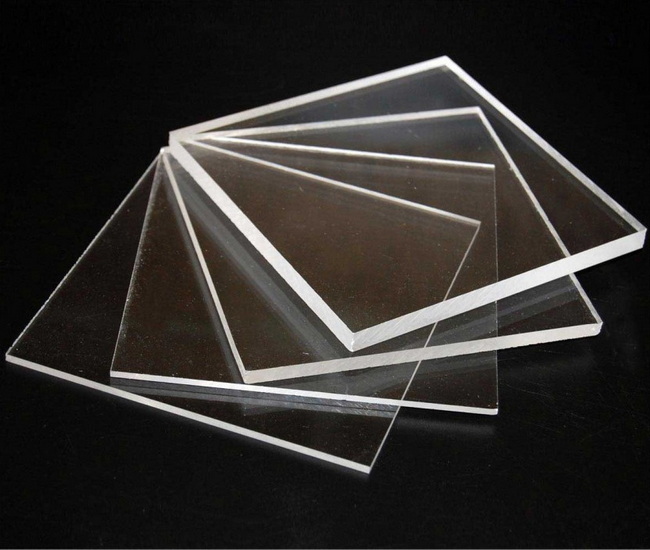
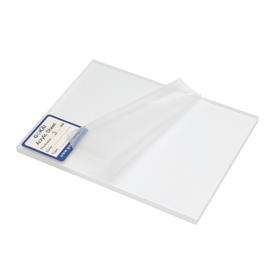
Acrylic barriers are flat or formed panels made from clear acrylic sheet (often called Plexiglass) that create a physical separation between people while preserving visibility. They are widely used as sneeze guards, cashier shields, desk partitions, and machine guards in commercial and industrial spaces.
Key properties of acrylic barriers include:
- High optical clarity for clear visibility.
- Good impact resistance compared to glass.
- Lightweight structure for easy installation and repositioning.
- Chemical resistance and ease of cleaning.
Acrylic barriers are popular because they offer an effective balance of safety, aesthetics, and practicality.
- Enhanced hygiene and protection – Barriers help block respiratory droplets and splashes between staff and customers during close interaction.
- Maintained visibility – Clear acrylic preserves line of sight, facial expressions, and brand displays better than opaque partitions.
- Flexible design options – Acrylic can be cut, drilled, bent, and fabricated into custom shapes, sizes, and mounting styles.
- Lightweight and durable – Easier to move than glass, yet strong enough for frequent use in busy environments.
- Cost-effective – Compared with structural renovations or permanent wall systems, acrylic barriers are a relatively low-cost safety upgrade.
Restaurants use acrylic barriers far beyond the traditional sneeze guard. They protect food, staff, and guests while maintaining a welcoming, open atmosphere.
Common restaurant acrylic barrier uses include:
- Sneeze guards for buffets and salad bars to shield food from respiratory droplets.
- Bakery and dessert displays with clear shields over counters to protect ready-to-eat items while showcasing products.
- Dining dividers between tables or booths using free-standing, tabletop, and booth-mounted dividers to reduce droplet spread.
- Hostess stands and cashier shields as countertop or ceiling-suspended shields at entrances and payment points.
In retail stores, acrylic barriers are now standard at checkouts and service counters.
Key retail applications:
- Cashier shields at point-of-sale terminals.
- Free-standing divider walls to define queues and separate adjacent checkouts.
- Customer service desk and returns counter barriers.
Benefits in retail environments:
- Better physical separation during payment and close conversation.
- Easily movable barriers to adapt to seasonal layouts or store remodels.
- Professional, transparent look that fits brand merchandising.
Open-plan offices rely on acrylic desk partitions to balance collaboration with safety and privacy.
Typical office acrylic barrier uses:
- Desk-to-desk partitions on benching systems.
- Tabletop dividers for shared tables and meeting rooms.
- Reception desk shields between staff and visitors.
Advantages for workplaces:
- Preserves open sightlines and a collaborative feel while adding separation.
- Can be reconfigured as teams grow or seating plans change.
- Supports hybrid work policies where hot-desking needs flexible protection.
Acrylic barriers help schools keep students and staff safer without closing off communication.
Common school uses:
- Desktop dividers on individual student desks.
- Tabletop barriers in science labs, libraries, and computer rooms.
- Cafeteria and lunchroom dividers to separate diners while seated.
Benefits in educational settings:
- Clear visibility for teachers to monitor students and maintain eye contact.
- Easy cleaning routines between classes and activities.
- Ability to remove or reposition as health guidelines evolve.
Healthcare facilities depend heavily on acrylic shields to protect both patients and healthcare workers.
Key healthcare barrier applications:
- Registration and admissions desks at hospitals and urgent care centers.
- Pharmacy counters and consultation windows.
- Protective covers for equipment, monitors, and sensitive instruments.
Why acrylic works well in medical environments:
- Non-porous and easy to disinfect with common hospital-grade cleaners.
- Excellent clarity for signs, instructions, and facial communication.
- Custom shapes available for tight spaces and specialized equipment.
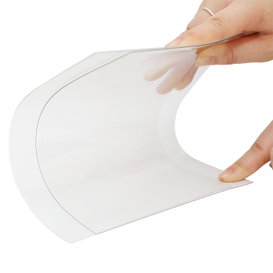
Face shields made from thinner clear plastics provide lighter, wearable protection during close procedures.
Beyond public-facing spaces, acrylic and related plastics are widely used as machine guards and process barriers.
Industrial barrier uses:
- Machine guards around moving equipment to protect operators.
- Viewing windows on enclosures, control panels, and lab hoods.
- Noise and splash barriers in manufacturing or utility areas.
Benefits for industrial environments:
- Impact-resistant clear panels help operators monitor processes safely.
- Chemical-resistant surfaces withstand cleaning and certain chemicals.
- Custom-fabricated barriers can be designed to support relevant safety guidelines.
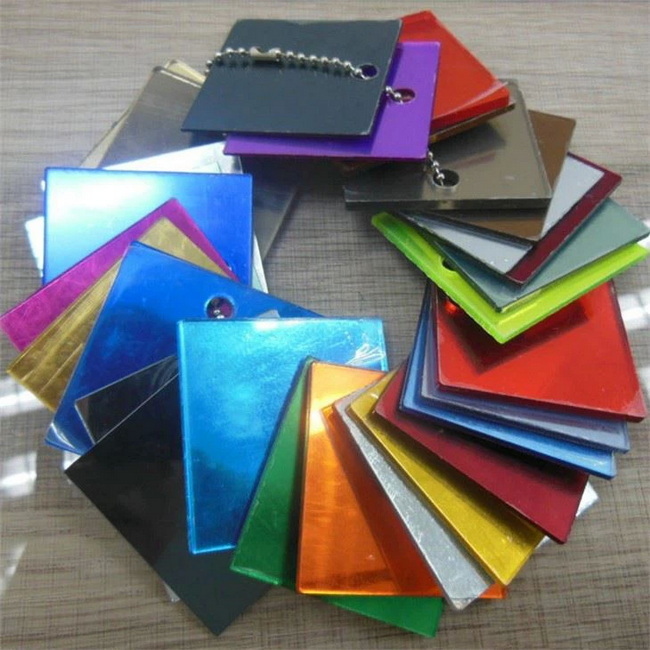
While acrylic barriers are common, other clear plastics such as polycarbonate and PETG may be better for certain high-impact or specialty environments.
Basic comparison:
Property / Material | Acrylic Barrier | Polycarbonate Barrier | PETG Barrier |
Impact resistance | Good, more than glass, not unbreakable | Very high, highly impact-resistant | Moderate to high |
Optical clarity | Excellent transparency | Very good but can scratch more easily | Good clarity |
Weight | Lightweight | Lightweight | Lightweight |
Cost | Generally cost-effective | Typically higher than acrylic | Often between acrylic and polycarbonate |
Best suited applications | Sneeze guards, cashier shields, desk partitions | High-impact guards, industrial safety shields | Formed barriers, some medical uses |
Guidelines for selection:
- Choose acrylic when you need excellent clarity, a refined appearance, and cost-effective barriers for restaurants, retail, or offices.
- Choose polycarbonate when impact risk is high, such as industrial safety guarding or high-traffic security points.
- Choose PETG when you need formable clear parts and easy fabrication for specialty applications.
To meet both safety and user experience goals, acrylic barrier design should be intentional and user-centered.
1. Get the height and width right
- Allow enough barrier height above head level when seated or standing at counters to intercept typical droplets.
- Ensure the width covers the full interaction zone between staff and customers without blocking escape routes.
2. Plan access openings carefully
- Include pass-through cutouts for payments, documents, or small items, and keep openings as small as practical.
- Place openings lower on the barrier to avoid directing airflow toward faces.
3. Consider mounting and mobility
- Use countertop stands and clamps for temporary setups, or permanent brackets and ceiling suspension for fixed installations.
- Add casters to tall free-standing barriers so staff can reposition them as layouts change.
4. Integrate your brand and wayfinding
- Apply subtle graphics, logos, or frosted bands to make the barrier visible and on-brand.
- Add small decals at eye level to reduce collision risk in high-traffic areas.
Proper care is essential to keep acrylic barriers clear, safe, and long-lasting.
Cleaning best practices:
1. Use a mild soap solution or acrylic-safe cleaner and a soft microfiber cloth.
2. Avoid ammonia-based glass cleaners that can cause crazing or cloudiness.
3. Do not use abrasive pads that can scratch the surface.
Routine maintenance:
- Inspect regularly for cracks, chips, or loosened hardware, and repair or replace damaged panels promptly.
- Check stability of free-standing units and tighten fasteners on brackets and mounts.
Safety and compliance:
- Ensure barriers do not block emergency exits, fire equipment, or required sightlines.
- In industrial and healthcare settings, select materials and designs that support applicable safety and hygiene standards.
Today's designers increasingly treat acrylic barriers as permanent elements of interior design, not temporary add-ons.
Design-forward approaches:
- Combining clear acrylic with colored accents or printed graphics to create wayfinding or branding features.
- Using acrylic partitions as multipurpose elements that divide space while supporting lighting, signage, or acoustic panels.
For offices, hospitality spaces, and retail, this design-driven approach turns necessary protection into a visual asset that supports the brand experience.
Visual suggestion:
- Show a modern office or retail interior where acrylic partitions blend with décor and branding.
Off-the-shelf sneeze guards and desk shields work for many simple layouts, but custom acrylic fabrication unlocks more precise solutions.
You may need custom barriers when:
- Surfaces have unusual shapes or limited mounting areas.
- You require cutouts for devices, card readers, microphones, or integrated signage.
- You want branded shapes or large-format partitions tailored to your space.
Professional fabricators can provide:
- CNC cutting, edge finishing, drilling, and bending.
- Mounting hardware kits and installation support.
- Guidance on material thickness and structural stability.
Use this quick checklist to make sure your acrylic barrier plan is complete and user-friendly.
1. Define the interaction: face-to-face, side-by-side, seated, or standing.
2. Measure the space: width, height, and available mounting points.
3. Select material: acrylic for clarity and cost, polycarbonate for high impact, PETG for special forming needs.
4. Choose style: countertop shield, free-standing divider, ceiling-suspended panel, or desktop partition.
5. Design openings: payment slots, document passes, and any cable or device cutouts.
6. Plan cleaning: specify approved cleaners and establish a cleaning schedule.
7. Confirm compliance: check with safety, facilities, or regulatory teams for any local requirements.
Whether you are designing acrylic barriers for restaurants, retail checkouts, offices, classrooms, or hospitals, the right material, layout, and fabrication partner will determine how well your solution performs over time. If your business needs OEM-ready acrylic sheets, PVC foam boards, or custom-fabricated barrier components for global projects, now is the time to align with a specialized manufacturer that can deliver consistent quality, tailored sizing, and reliable logistics support.
Reach out today to discuss your acrylic barrier requirements, review your current layouts, and develop customized solutions that enhance safety, improve user experience, and reinforce your brand image.
Contact us to get more information!
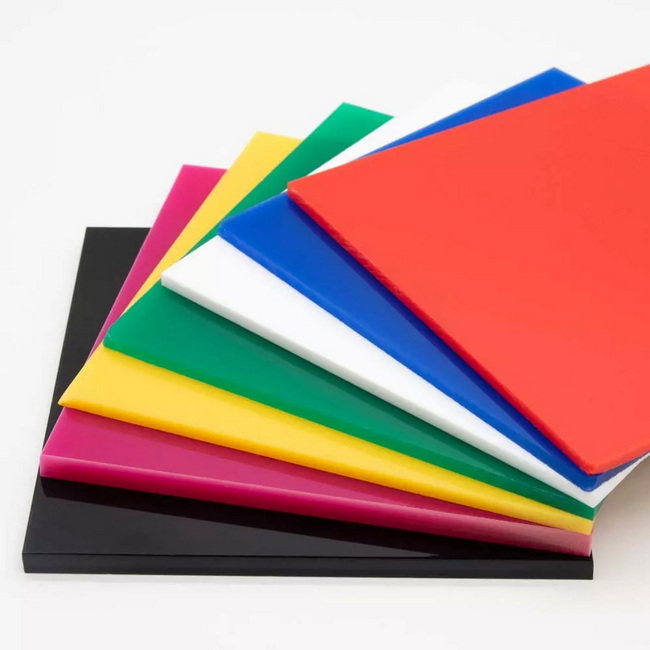
Many businesses continue using acrylic barriers because they provide an extra layer of protection against respiratory droplets, support customer confidence, and help maintain hygiene in high-traffic areas. In environments such as food service, healthcare, and transportation, acrylic shields are still viewed as a practical, long-term risk-reduction measure.
For most countertop shields and desk partitions, businesses often use acrylic in the range of a few millimeters thick, with higher thickness used for larger, free-standing panels to improve rigidity and safety. The larger and taller the panel, the thicker the material generally needs to be in order to remain stable and minimize flexing.
Many acrylic sheets can be mechanically recycled where appropriate facilities exist, and in practice, businesses frequently repurpose large panels into smaller guards, machine covers, or signage to extend their useful life. When planning a project, it is smart to ask your supplier about recycling options and design barriers that can be reused in different locations.
Compared with glass, acrylic barriers are significantly lighter, easier to fabricate, and more impact-resistant, which makes them safer to install and move in busy commercial spaces. Glass can offer superior scratch resistance and a premium feel, but it is harder to customize on short timelines and more fragile during handling and transport.
Using soft microfiber cloths, acrylic-safe cleaners, and avoiding abrasive pads or harsh chemicals greatly reduces scratching over time. In especially demanding environments, you can specify barriers with protective films or hard-coated surfaces, and train staff on proper cleaning techniques to keep acrylic panels clear and presentable.
1. https://www.acmeplastics.com/content/6-acrylic-barrier-uses-to-consider/
2. https://www.acmeplastics.com/content/category/acrylic-barriers/
3. https://www.acmeplastics.com/content/category/benefits-of-acrylic-barriers/
4. https://www.acmeplastics.com/content/category/acrylic-best-practices/
5. https://royaletouche.com/acrylic/blog/uses-of-acrylic-sheets-home-commerical-industrial/