Shanghai Gokai Industry Co,.Ltd.
Call Us: +86-18918606548
Call Us: +86-18918606548
- Product Name
- Product Keyword
- Product Model
- Product Summary
- Product Description
- Multi Field Search
Views: 222 Author: Loretta Publish Time: 2026-02-05 Origin: Site


Content Menu
● What Makes Acrylic Plastic Potentially Hazardous?
● 1. Wear Proper PPE When Working With Acrylic
● 2. Ensure Your Workspace Is Well‑Ventilated
● 3. Carry and Handle Acrylic Sheets With Care
● 4. Use the Right Tools for Cutting and Machining Acrylic
● 5. Store and Maintain Acrylic Properly
● 6. Dispose of Acrylic Waste Safely and Responsibly
● 7. Keep Your Work Area Clean and Clutter‑Free
● 8. Monitor Temperature When Heating or Laser‑Cutting Acrylic
● 9. Avoid Excessive Pressure When Polishing or Finishing
● 10. Be Mindful of Static Electricity
● 11. Use Suitable Adhesives and Solvents (Advanced Tip)
● 12. Follow Industry Standards and Risk Assessment Practices
● 13. Practical Step‑by‑Step Checklist for Safe Acrylic Fabrication
● Example Safety Measures for Common Acrylic Operations
● Frequently Asked Questions (FAQ)
>> 1. Is acrylic plastic toxic when heated or laser‑cut?
>> 2. Can I clean acrylic with regular glass cleaner?
>> 4. What is safer for machine guards: acrylic or polycarbonate?
>> 5. How should I store acrylic sheets to avoid warping?
Working with acrylic plastic sheets can be safe, efficient, and highly rewarding, provided you follow clear, evidence‑based safety practices from cutting and laser engraving to storage and disposal. This enhanced guide expands on the classic “10 acrylic plastic safety tips” with updated best practices, real‑world applications, and expert‑level insights suitable for both professionals and serious DIY users.
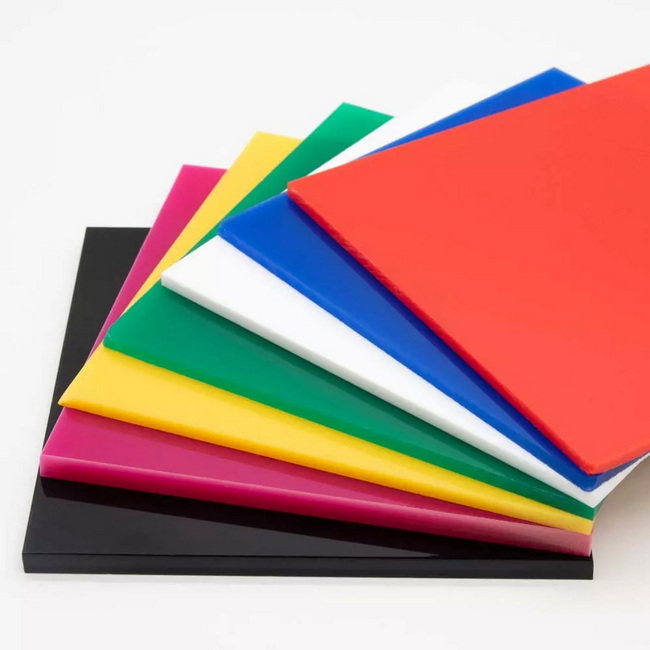
Acrylic (often called plexiglass or PMMA) is non‑toxic at room temperature, but when cut, heated, laser‑engraved, or polished, it can release fumes and fine particles that may irritate the eyes, skin, and respiratory system. The material can also crack, chip, or shatter under improper handling, creating sharp fragments and impact hazards.
Key risk factors when working with acrylic sheets include:
- High temperatures during laser cutting, CNC routing, or flame polishing
- Inhalation of dust, vapor, or fumes during cutting and sanding
- Cuts and abrasions from sharp edges or broken pieces
- Fire risk if waste acrylic is exposed to open flame
- Long‑term degradation from UV exposure, extreme temperatures, or chemicals
Understanding these risks is the foundation for choosing the right personal protective equipment (PPE), tools, and workspace setup.
The first rule of acrylic safety is to protect yourself with appropriate PPE whenever you cut, sand, polish, heat, or machine acrylic sheets.
Essential PPE for acrylic work:
- Safety goggles or sealed safety glasses to shield eyes from flying chips and dust
- Cut‑resistant gloves to reduce cuts from sharp sheet edges and broken fragments
- Dust mask or respirator (rated for particulates and fumes) when cutting, sanding, or laser‑engraving
- Face shield for tasks with high debris or splash risk, such as routing or aggressive polishing
- Hearing protection when using loud power tools like routers, saws, and CNC machines
Proper ventilation is one of the most critical, yet often overlooked, safety elements when fabricating acrylic.
Best practices for ventilation:
- Use a local exhaust or fume extraction system when laser cutting or heating acrylic
- Keep windows and doors open where possible to maintain fresh air circulation
- Avoid recirculating unfiltered air back into the workspace
- For enclosed laser systems, regularly service filters and exhaust ducts as recommended by the manufacturer
If you often bond acrylic with solvent cements or perform heavy cutting indoors, ventilation plus a suitable respirator should be treated as mandatory, not optional.
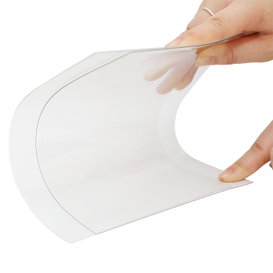
Acrylic sheets are tough but can crack or chip if dropped, bent too sharply, or knocked against hard edges.
Safe handling techniques:
- Always lift large sheets with two people to avoid flexing and sudden drops
- Carry sheets vertically, using both hands and, ideally, suction cups or carrying handles
- Avoid dragging sheets across rough surfaces that can cause deep scratches
- Keep protective masking on the sheet during storage and handling to prevent surface damage
In shipping or project staging areas, use padded supports or cardboard and foam around the edges to reduce impact risks.
Using improper tools on acrylic can cause cracking, melting, excessive burrs, or dangerous kickback.
Recommended tools and setup:
- Saws: use blades specifically designed for plastics, with fine, evenly spaced teeth
- Drills: choose drill bits designed for plastics or re‑ground bits with “dubbed” cutting edges
- Routers and CNC: use sharp, high‑quality bits with correct feed rates to minimize heat
- Laser cutters: calibrate power and speed settings to avoid burning, charring, or excessive smoke
Always clamp or support the sheet securely to prevent vibration and movement, which can lead to cracks or uneven cuts.
Proper storage and maintenance extend the life of acrylic sheets and make them safer to handle.
Storage guidelines:
- Store sheets vertically or in racks at a slight angle with full support to prevent warping
- Keep acrylic in a cool, dry area away from direct sunlight and heat sources
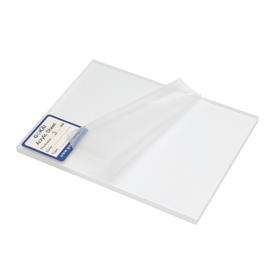
- Leave protective film or masking in place until fabrication or installation to minimize scratching
Maintenance and cleaning:
- Clean with mild soap and water or dedicated acrylic cleaner
- Use soft microfiber cloths, not rough sponges or paper towels that can scratch
- Avoid ammonia‑based glass cleaners, acetone, benzene, and abrasive powders, which can cause stress cracking and clouding
Acrylic offcuts, dust, and scrap require safe handling and disposal.
Key disposal principles:
- Never burn acrylic waste or dispose of it in open flames, as it can release harmful fumes
- Check whether local facilities accept acrylic for specialized recycling or industrial plastic recovery
- Store dust and small scraps in sealed bags or containers to prevent inhalation and spread of fine particles
Where possible, reuse offcuts in smaller projects or donate them to makerspaces and schools to reduce waste.
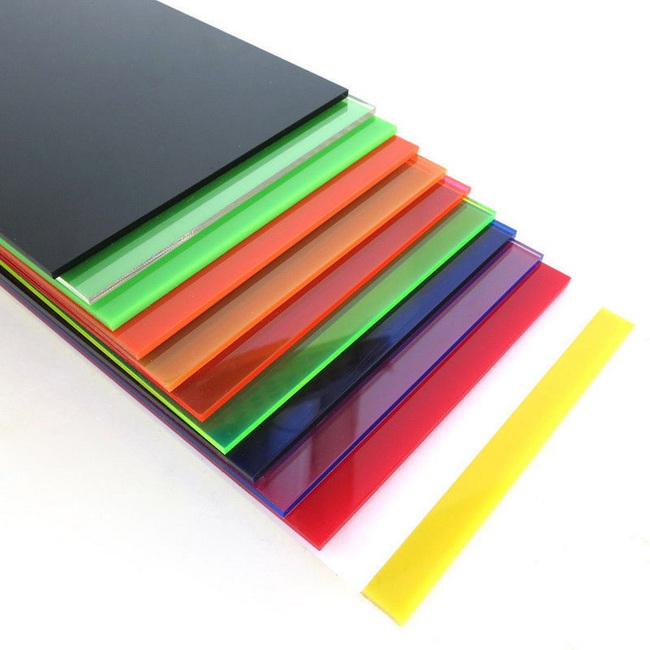
A tidy work area improves safety, precision, and overall user experience.
Good housekeeping habits:
- Regularly vacuum acrylic dust and chips using equipment with appropriate filters
- Keep power cables, offcuts, and tools organized to reduce trip hazards
- Wipe down work surfaces and machine beds after each job to prevent scratches and contamination
This is especially important around laser cutters, CNC routers, and polishing stations, where buildup of dust and scrap can increase fire risk.
Acrylic begins to soften and melt when temperatures approach its melting range, which is often reached in laser cutting and thermoforming.
Safe heating practices:
- Use controlled heaters, ovens, or calibrated laser systems with verified temperature or power settings
- Avoid overheating, which can cause bubbling, yellowing, warping, and excessive fume generation
- Allow heated acrylic to cool slowly on a flat, stable surface to minimize internal stresses and cracking
If you smell strong, irritating fumes or see visible smoke, reduce power, improve ventilation, and check your settings before continuing.
Polishing acrylic edges can produce a crystal‑clear, professional look, but aggressive techniques can cause micro‑cracks and heat build‑up.
Best practices for polishing:
- Use fine‑grit sandpapers in stages, applying light, even pressure
- Keep the surface moving when using powered polishers to avoid hot spots
- Consider flame polishing only with appropriate training, equipment, and ventilation, as it can release fumes and induce stress
Inspect polished edges for hairline cracks before installation, especially in load‑bearing or high‑impact applications.
Acrylic readily accumulates static charge, which attracts dust and may cause minor shocks.
Reducing static‑related issues:
- Use anti‑static cleaners or sprays designed for acrylic
- Increase humidity slightly in extremely dry environments
- Wipe surfaces with a soft, damp microfiber cloth instead of dry paper towels
Controlling static improves visibility, keeps displays clean, and reduces dust‑related scratches.
Bonding acrylic sheets with the wrong adhesive can create weak joints, crazing, and unnecessary exposure to harmful fumes.
Adhesive guidelines:
- Choose solvent cements specifically formulated for acrylic or plastics
- Avoid generic super glues and some epoxies, which can cloud the material and introduce stress at the joint
- Apply adhesives in a well‑ventilated area while wearing gloves and eye protection
For structural bonding or load‑bearing assemblies, always follow manufacturer data sheets and, where applicable, relevant industry standards.
In industrial or commercial settings, acrylic sheets are often used in guards, barriers, and protective enclosures.
To ensure compliance and safety:
- Conduct a formal risk assessment covering impact forces, chemical exposure, temperature, and user access
- Design machine guards and enclosures to meet applicable safety guidelines and local regulations
- Choose between acrylic and other plastics (like polycarbonate) based on impact resistance, clarity, and chemical environment
This approach is particularly important in factories, laboratories, and healthcare environments where transparent barriers serve both safety and functional roles.
When starting an acrylic project, follow this simple operational checklist to minimize risk and improve results.
1. Plan the job
- Define cut paths, drill points, and final dimensions
- Confirm sheet type, thickness, and protective masking
2. Set up PPE and workspace
- Put on goggles, gloves, and mask or respirator
- Turn on ventilation or fume extraction and clear the workbench
3. Prepare tools and materials
- Install plastic‑rated blades and bits
- Calibrate laser or CNC settings for the specific acrylic thickness
4. Perform cutting, drilling, and polishing
- Use steady feed rates and avoid forcing the material
- Check edges and surfaces for cracks or excessive heat marks
5. Clean, inspect, and store
- Remove dust with a vacuum and wipe surfaces with mild cleaner
- Store remaining sheets vertically, in a cool, dry area, with protective film intact
6. Dispose of offcuts and dust properly
- Bag small scraps and dust, and explore local recycling options
This repeatable, step‑by‑step process supports both safety and consistent product quality.
Operation | Main Risks | Key Safety Measures |
Laser cutting acrylic | Fumes, fire, melting, eye injury | Enclosed laser, exhaust system, respirator, eye protection, correct power and speed |
Table-saw cutting | Kickback, chips, sharp edges | Plastic-rated blade, push sticks, goggles, hearing protection, steady feed |
Drilling mounting holes | Cracking, breakout, flying chips | Plastic drill bits, backing board, light pressure, goggles, gloves |
Flame polishing edges | Fumes, heat damage, fire | PPE, strong ventilation, controlled flame, avoid overheating |
Solvent bonding panels | Chemical exposure, fumes, weak joints | Ventilation, gloves, eye protection, acrylic-specific cement, precise application |
Long-term display installation | UV degradation, scratches, static, cracking | UV-stable grades, proper cleaning products, anti-static care, correct fixings |
If you regularly work with acrylic or are planning your next display, sign, or protective barrier project, prioritizing high‑quality, safety‑compliant materials is essential. Partner with a specialized manufacturer such as Shanghai Gokai Industry Co., Ltd. for reliable acrylic sheets, expert guidance on safe processing, and OEM solutions tailored to your specific application requirements.
Contact us to get more information!

Acrylic itself is not toxic at room temperature, but when heated to its melting range or burned, it can release irritating fumes and gases, so proper ventilation and respirators are important.
You should avoid ammonia‑based glass cleaners on acrylic, as they may cause clouding and stress cracking; instead, use mild soap and water or approved acrylic cleaners.
Acrylic is not typically recycled in standard household programs, but specialized facilities can often reprocess it, so you should check local industrial or plastic recycling options.
Polycarbonate usually offers higher impact resistance, but acrylic provides superior clarity and scratch resistance; the best choice depends on your risk assessment and relevant safety requirements.
Store acrylic sheets vertically or at a slight angle in a cool, dry place, keep protective film on, and avoid exposure to extreme temperatures or direct sunlight.
1. https://www.acmeplastics.com/content/10-acrylic-plastic-safety-tips-to-know/
2. https://www.acrylite.co/resources/fabrication-manuals/handling-maintenance-of-acrylite
3. https://flacrylic.com/acrylic-safety-tips/
4. https://jumei-acrylic.com/10-acrylic-sheets-safety-tips-to-know-2/
5. https://www.acmeplastics.com/how-to-plastic-tips