Shanghai Gokai Industry Co,.Ltd.
Call Us: +86-18918606548
Call Us: +86-18918606548
- Product Name
- Product Keyword
- Product Model
- Product Summary
- Product Description
- Multi Field Search
Views: 222 Author: Loretta Publish Time: 2026-02-05 Origin: Site


Content Menu
● What Is Acrylic (PMMA) Plastic?
● Historical Facts About Acrylic
● Types of Acrylic: Cast vs Extruded
>> Cast Acrylic
>> Quick Comparison: Cast vs Extruded Acrylic
● Optical and Mechanical Properties of Acrylic
>> Mechanical Strength and Impact Resistance
● Chemical Safety and Environmental Considerations
● How Acrylic Is Manufactured and Processed
>> Polymerization and Sheet Production
>> Thermoplastic and Thermoforming Behavior
>> Injection Molding and Other Forming Processes
>> Finishing and Surface Treatments
● Machining, Cutting, and Bonding Acrylic
>> Polishing and Scratch Repair
● Typical Applications and Interesting Uses for Acrylic
>> Everyday and Commercial Uses
>> Aquariums and Water Features
>> Signage and Retail Displays
>> Historical and Technical Uses
● Acrylic vs Glass: When to Choose Which
● Practical Tips for Working With Acrylic
>> Cutting and Drilling Best Practices
>> Avoiding and Repairing Scratches
● Design and Application Examples for OEM and Custom Projects
● When to Consider PVC Foam Board and Other Plastics
● How to Choose the Right Acrylic Sheet for Your Project
● Clear Call to Action: Start Your Next Acrylic or PVC Project
● Frequently Asked Questions About Acrylic (PMMA)
>> 1. Is acrylic stronger than glass?
>> 2. Can acrylic be used outdoors?
>> 3. How do I clean acrylic without scratching it?
>> 4. Is acrylic safe for aquariums?
>> 5. What is the difference between cast and extruded acrylic?
Acrylic (PMMA) is one of the most widely used clear plastics in modern manufacturing, valued for its optical clarity, durability, and versatility. This guide expands beyond basic facts to give manufacturers, designers, and buyers an in-depth overview of acrylic, along with practical tips and buying guidance.
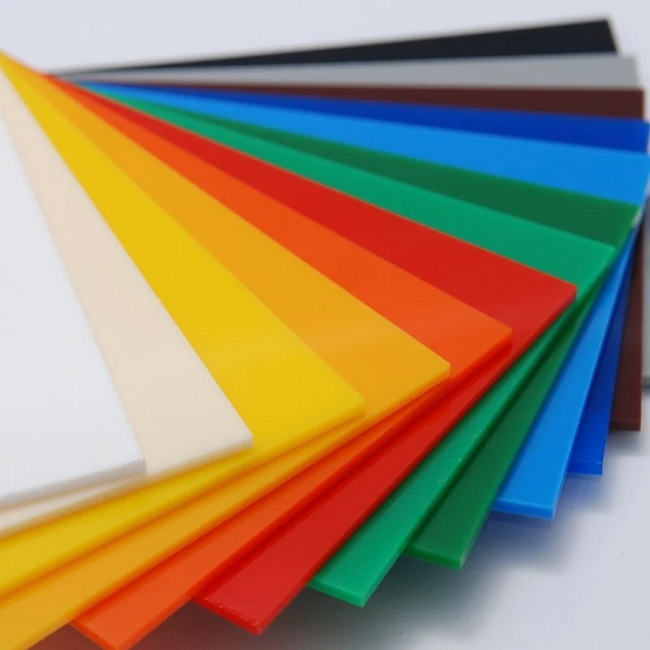
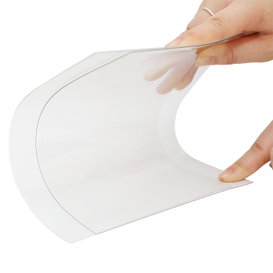
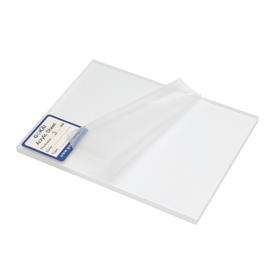
Acrylic, also known as polymethyl methacrylate (PMMA), plexiglass, acrylic glass, and Perspex, is a transparent thermoplastic often used as a lightweight and shatter-resistant alternative to glass. It is commonly supplied as flat sheets but is also available as rods, tubes, and custom-molded parts.
Common names for acrylic include PMMA, plexiglass, acrylic glass, and several brand names that vary by region and manufacturer. Compared with standard glass, acrylic offers high light transmission, lower weight, and better impact resistance, making it suitable for both indoor and outdoor applications.
Understanding the development of acrylic helps explain why it is such an established material in today's plastics industry.
- Acrylic acid, the original precursor to acrylic plastic, was first created in 1843, although its full utility was not yet recognized.
- In 1865, scientists derived methacrylic acid from acrylic acid and combined it with methanol to create methyl methacrylate.
- In 1877, German chemists Fittig and Paul discovered the polymerization process that turned methyl methacrylate into polymethyl methacrylate (PMMA).
- In 1933, the Roehm and Haas company began commercial production of acrylic plastic and marketed it under the trade name “Acrylite.”
From early chemical experiments to large-scale production, acrylic evolved into a mainstream engineering plastic used in automotive, construction, signage, and consumer products.
There are two main types of acrylic sheet, each with distinct performance and processing characteristics.
Cast acrylic is produced by pouring liquid methyl methacrylate into molds where it polymerizes into solid sheet.
- Provides excellent optical quality and clarity in many applications.
- Typically more resistant to solvents and crazing.
- Thermoformable at around 160 °C (320 °F).
- Often preferred for high-end displays, precision machining, and applications where surface finish is critical.
Extruded acrylic is made by pushing melted acrylic pellets through a die to form continuous sheets.
- Offers tighter thickness tolerance across the sheet.
- Typically more cost-effective for volume projects.
- Thermoformable at around 150 °C (302 °F).
- Well suited for point-of-sale displays, glazing, and general-purpose fabrication.
Feature | Cast Acrylic | Extruded Acrylic |
Manufacturing process | Liquid cast in molds | Melted and pushed through a die |
Thickness tolerance | Less uniform | More uniform |
Thermoforming temperature | ~160 °C (320 °F) | ~150 °C (302 °F) |
Solvent resistance | Generally better | Moderate |
Typical cost | Higher | Lower |
Common uses | Premium displays, lenses, machining | Signage, glazing, POP displays |
Acrylic is valued for a combination of clarity, strength, and weight advantages over glass.
- Acrylic has a light transmittance of about 92 percent, which is among the highest of all plastics and higher than standard glass.
- It is naturally clear but can be produced in a wide range of tints, solid colors, and diffusers.
- Specialized additives or coatings can reduce glare or provide UV filtering for outdoor exposure.
- Acrylic is roughly 6 to 17 times more impact resistant than a similar-sized sheet of glass.
- It is difficult to shatter; under extreme impact it tends to crack rather than break into sharp shards like glass.
- Typical tensile strength is around 9,400 PSI, and flexural strength is about 13,000 PSI, indicating strong resistance to pulling and bending forces.
- Acrylic sheet is approximately half the weight of an equivalent glass panel.
- The lower weight makes handling, installation, and transportation easier and more cost-effective for large panels and structures.
These combined properties make acrylic a go-to material for glazing, windows, machine guards, display cases, and many other transparent barriers.
Many users compare acrylic with polycarbonate and other clear plastics when planning projects that involve people or food contact.
- Acrylic contains no bisphenol-A (BPA) and is inherently BPA-free.
- It offers good weathering resistance and does not yellow as quickly as some lower-grade plastics under UV exposure.
- Different formulations and coatings can further improve UV stability and service life in outdoor applications.
While acrylic is a thermoplastic that can be reheated and reprocessed, actual recycling options depend on local infrastructure and regulations.
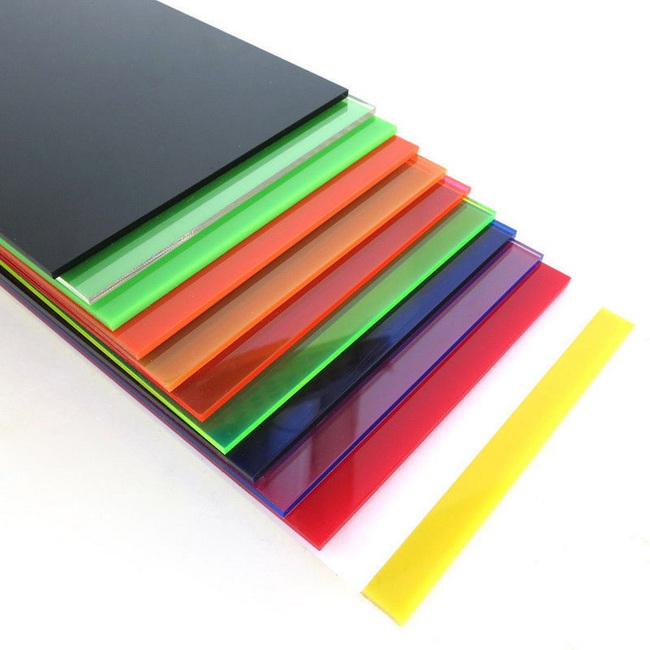
Acrylic production starts with basic monomers and ends with machinable sheets, rods, and custom parts.
- Acrylic is produced by reacting methyl methacrylate monomer with a catalyst in a process called polymerization.
- The material is then converted into either cast or extruded form, depending on the desired performance and cost profile.
- Acrylic is a thermoplastic, meaning it can be reheated after initial production and reshaped without significant chemical change.
- Extruded acrylic sheets are typically thermoformable at about 150 °C (302 °F), while cast sheets thermoform at around 160 °C (320 °F).
- Acrylic pellets can be injection molded by heating them to a liquid state, injecting the melt into a mold, and allowing it to cool into a solid part.
- Fabricators can also bend acrylic with localized heat strips, vacuum-form sheets over molds, or drape-form panels into curved shapes.
- Before reaching end users, acrylic sheet is usually sanded and polished to maximize optical clarity.
- Additives or coatings can be incorporated during production to enhance UV protection, anti-glare performance, or surface hardness.
- A matte finish can be applied, giving acrylic a frosted-glass look that diffuses light while maintaining privacy.
Acrylic is known for being relatively easy to fabricate using standard shop tools.
- Acrylic can be cut and drilled using many standard woodworking tools with appropriate blades and bits.
- With some basic guidance on feed rates and cooling, users can achieve clean edges and holes without cracking.
- Laser cutting is widely used to create intricate shapes, lettering, and detailed components from acrylic sheet.
- Acrylic surfaces can be cleaned and polished with soft cloths and suitable cleaning compounds.
- Light surface scratches can often be removed using specialized abrasive polishes designed for plastics.
- Standard household glues do not work well on acrylic because they do not properly fuse the material.
- Bonding typically relies on solvent cements that soften the acrylic surfaces so they chemically weld together, or on carefully controlled heat welding processes.
For professional-grade results, especially on structural or watertight joins, choosing the right acrylic cement and following manufacturer instructions is essential.
Acrylic's versatility is evident across a wide range of industries and environments.
- Acrylic sheet is widely used for home and commercial projects thanks to its impact resistance and low weight.
- Acrylic can be formulated into lacquer coatings for outdoor decks and furniture, providing a durable protective layer.
- Black, white, and transparent acrylic filaments are available as emerging materials in 3D printing.
- Acrylic sheets are common in aquariums because they are lightweight, relatively inexpensive, and more shatter-resistant than glass.
- Large public aquariums often rely on thick acrylic panels to withstand water pressure while offering clear viewing.
- Exterior retail and store signage frequently uses acrylic due to its weather resistance, color options, and ability to be illuminated from behind.
- Point-of-sale displays, brochure holders, and product stands are commonly fabricated from clear or colored acrylic sheets.
- Acrylic has been used in submarine periscopes, windows for World War II aircraft, and protective canopies and shields for turrets.
- Its combination of clarity and impact resistance made it a strategic material for early aviation and defense applications.
For designers and engineers, the choice between acrylic and glass often comes down to safety, weight, and optical performance.
Criteria | Acrylic (PMMA) | Standard Glass |
Light transmission | ~92% (very high) | Slightly lower |
Weight | About half the weight of glass | Heavier |
Impact resistance | 6–17× more impact resistant | Brittle, shatters into shards |
Shatter behavior | Cracks, less likely to shatter | Breaks into sharp fragments |
Machinability | Easy to cut, drill, thermoform | More difficult to machine and form |
Typical applications | Displays, guards, aquariums, signage | Windows, architectural glazing |
Choose acrylic when weight, safety, and formability are top priorities, and choose glass when scratch resistance and long-term surface hardness are critical.
Adding practical guidance increases the real-world value of acrylic information for both professionals and DIY users.
- Use blades and bits designed for plastics, with fine teeth and appropriate rake angles.
- Keep protective film on during cutting to minimize surface scratches.
- Clamp workpieces securely and avoid excessive feed pressure to reduce the risk of cracking.
- Use a soft microfiber cloth and mild, non-abrasive cleaners formulated for plastics.
- Avoid harsh solvents such as acetone that can cause crazing or surface damage.
- Rinse dust and debris before wiping to prevent grinding particles into the surface.
- Use soft cloths and appropriate cleaners routinely to prevent micro-scratches.
- For light scratches, apply acrylic polishing compounds in a small circular motion, then buff to restore clarity.
Proper handling and maintenance can significantly extend the lifetime and appearance of acrylic parts and panels.
For OEM buyers and project specifiers, acrylic's flexibility opens up many product and branding opportunities.
- Retail fixtures: Custom-cut acrylic shelves, risers, and product organizers that match brand colors.
- Architectural elements: Interior partitions, light diffusers, and decorative wall panels using clear or frosted acrylic.
- Protective barriers: Machine guards, sneeze guards, and safety shields where transparency and impact resistance are essential.
- Brand signage: Backlit acrylic signs, logo panels, and wayfinding systems in malls, airports, and office buildings.
By combining different thicknesses, colors, and finishes, manufacturers can tailor acrylic solutions to the performance and aesthetic requirements of each project.
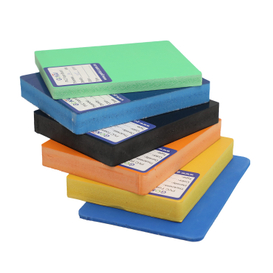
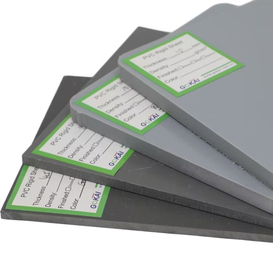
In some applications, acrylic is not the only or best option. Rigid PVC foam board is often chosen for lightweight, printable signage, exhibition panels, and displays where a matte, opaque surface is preferred. PVC foam board can provide good dimensional stability, easy machining, and excellent print adhesion for indoor and short-term outdoor use. In contrast, acrylic excels when you need transparency, high gloss, and superior light transmission.
Understanding these material trade-offs helps you select the right plastic solution—clear acrylic sheet, colored acrylic, or PVC foam board—based on visual, mechanical, and budget requirements.
To maximize performance and cost-effectiveness, consider the following factors when specifying acrylic:
1. Application environment
- Indoor vs outdoor, exposure to UV, humidity, and temperature swings.
- Risk of impact or vandalism, especially in public installations.
2. Optical and aesthetic requirements
- Clear vs tinted, frosted, or opaque.
- Desired gloss level and need for anti-glare or diffusing effects.
3. Mechanical performance
- Required thickness for structural stiffness and impact resistance.
- Need for machining, bending, or thermoforming during fabrication.
4. Regulatory and safety needs
- Food-contact or medical-adjacent applications that may favor BPA-free materials like acrylic.
- Fire rating, chemical exposure, and industry-specific requirements.
A short consultation with a specialist supplier can help align material grade, thickness, and processing with your production and performance targets.
If you are planning a new display, protective barrier, aquarium, sign, or custom plastic component, this is the ideal time to move from concept to execution. A professional OEM supplier specializing in acrylic sheet and PVC foam board can help you choose the right material, optimize thickness and grade, and support cutting, machining, and forming for consistent quality at scale.
Contact an expert team today to request samples, technical data, or a tailored quotation for your acrylic and PVC foam board requirements, and turn your design ideas into durable, high-performing products.
Contact us to get more information!
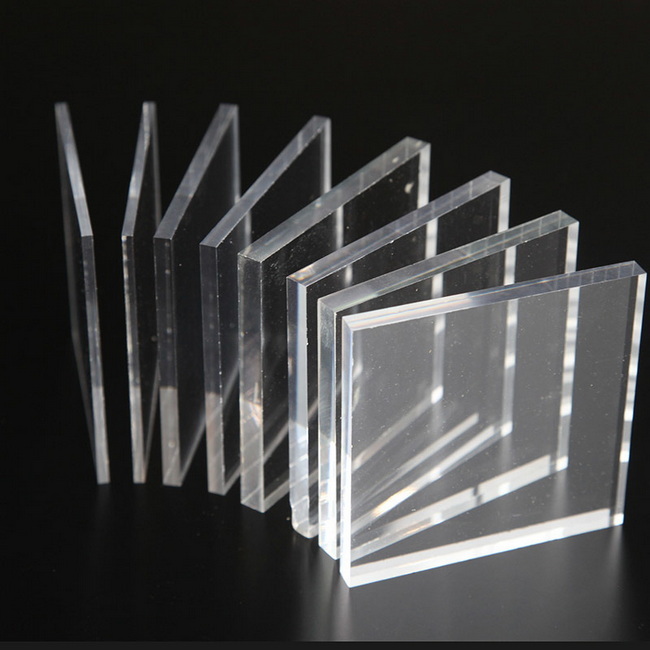
Acrylic is approximately 6 to 17 times more impact resistant than a similar-sized sheet of glass and is less likely to shatter into sharp fragments. This makes it a safer choice in many public and high-traffic environments.
Acrylic can be used outdoors when you select UV-stable grades and, if needed, protective coatings. These options help maintain clarity, color, and mechanical performance under sunlight and changing weather conditions.
To clean acrylic without scratching, use a soft cloth and a mild, non-abrasive cleaner designed for plastics. Rinse away dust and grit before wiping, and avoid harsh chemicals such as acetone or strong alcohol-based solvents.
Yes, acrylic is widely used for aquariums because it is lightweight, impact resistant, and capable of withstanding water pressure when specified at the correct thickness. It also offers excellent clarity for viewing fish and aquatic plants.
Cast acrylic generally offers better optical quality and solvent resistance, while extruded acrylic provides more uniform thickness and is often more cost-effective for high-volume projects. The right choice depends on your budget, machining needs, and visual requirements.
1. https://www.acmeplastics.com/content/30-amazing-acrylic-pmma-plastic-facts-and-figures/