Shanghai Gokai Industry Co,.Ltd.
Call Us: +86-18918606548
Call Us: +86-18918606548
- Product Name
- Product Keyword
- Product Model
- Product Summary
- Product Description
- Multi Field Search
Views: 222 Author: Loretta Publish Time: 2026-02-02 Origin: Site


Content Menu
● What Are Pre-Cut Acrylic Extruded Clear Sheets?
● Why Choose Extruded Acrylic Over Glass (and Cast Acrylic)?
● 1. DIY Picture Frames and Photo Protection
● 2. Custom Signage and Branding Panels
● 3. Protective Barriers, Guards, and Covers
● 5. Home Décor and Interior Styling
● 6. Retail Displays and Merchandising
● 7. Model Making, Prototyping, and Scale Design
● 8. Small Windows, Skylights, and Glazing Panels
● 9. Light Diffusers and LED Projects
● 10. Machine Guards, Equipment Enclosures, and Industrial Use
● 11. Emerging 2025–2026 Trends in Acrylic Sheet Applications
● Practical Tips: Selecting the Right Pre-Cut Acrylic Sheet
>> Thickness and Sizing Guidelines
>> Surface Finishes and Edge Quality
● Recommended Applications by Thickness
● How to Work Safely With Pre-Cut Acrylic Sheets
● Where Pre-Cut Acrylic Extruded Clear Sheets Fit Best
● Take the Next Step With Pre-Cut Acrylic Extruded Clear Sheets
● FAQs About Pre-Cut Acrylic Extruded Clear Sheets
>> Q1. What is the difference between cast and extruded acrylic sheets?
>> Q2. Can pre-cut acrylic extruded sheets be used outdoors?
>> Q3. Are acrylic sheets safe compared to glass?
>> Q4. How do I clean acrylic without scratching it?
>> Q5. Can I cut or drill pre-cut acrylic sheets if I need additional holes or smaller pieces?
Pre-cut acrylic extruded clear sheets are a lightweight, impact-resistant, glass-clear material that unlocks dozens of DIY, commercial, and industrial applications for makers, homeowners, and professionals.
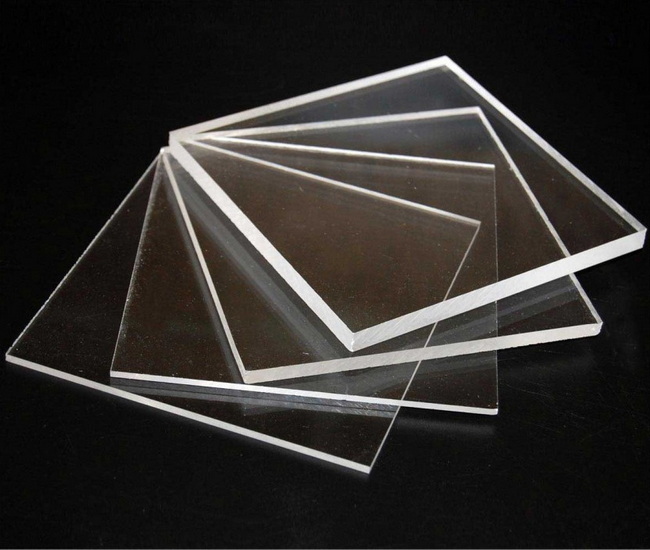
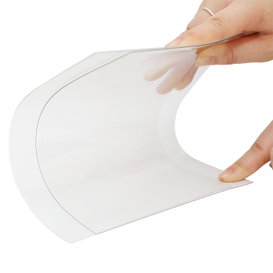
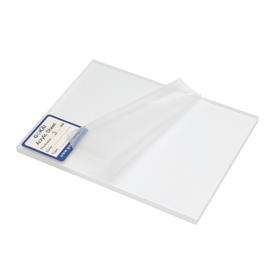
Pre-cut acrylic extruded clear sheets are clear plastic panels cut to standard or custom sizes so you can start your project without extra machining or waste. They are made from extruded acrylic, a thermoplastic known for its excellent optical clarity, durability, and ease of fabrication.
Key benefits include:
- Half the weight of glass yet significantly more impact-resistant.
- High clarity for displays, windows, and protective panels.
- Easy to cut, drill, and bond with common tools.
- Suitable for indoor and outdoor use when properly specified.
Tip: At the top of your article, add one clean product photo showing various pre-cut acrylic sizes with dimensions overlaid.
Extruded acrylic is widely used in signage, retail displays, and glazing because it balances cost, machinability, and clarity.
Compared to glass, it is lighter, more impact-resistant, and safer on breakage, making it ideal for high-traffic environments and DIY projects. Compared to cast acrylic, extruded sheet typically offers better thickness tolerance and is more economical, while still providing very good optical clarity for most applications.
This makes pre-cut extruded acrylic sheets a smart choice when you need precision sizing, consistent thickness, and fast installation.
Pre-cut acrylic sheets are a popular glass substitute in picture frames because they are lightweight, shatter-resistant, and crystal clear.
Typical use cases:
- Family photo frames in living rooms and hallways.
- Large poster frames where glass would be too heavy.
- Kids' rooms and classrooms where safety is critical.
How to use:
1. Measure your frame opening and choose a matching pre-cut acrylic size.
2. Remove any protective film only after the sheet is in place to avoid scratches.
3. Clean with a soft microfiber cloth and a plastic-safe cleaner to maintain clarity.
Acrylic extruded clear sheets are widely used in signage because they combine clarity, impact resistance, and ease of printing or vinyl application.
Common signage applications:
- Indoor office directory signs and door plaques.
- Retail hanging signs and menu boards.
- LED backlit logo panels with vinyl or printed graphics.
Implementation tips:
- Apply cut vinyl or printed films to the back for a sleek “second-surface” look.
- Use polished edges for premium brand environments.
- For illuminated signs, pair clear acrylic with light-diffusing films or opal backers.
Clear acrylic barriers are common in retail, hospitality, offices, and industrial environments as durable protective screens.
Typical barrier uses:
- Reception and cashier shields in shops, banks, and clinics.
- Machine guards and industrial enclosures in manufacturing.
- Tabletop partitions in offices and co-working spaces.
Why pre-cut sheets help:
- Standard sizes fit existing counters and desks, reducing fabrication time.
- Acrylic is lighter than glass yet resists everyday impacts in high-traffic areas.
For makers and hobbyists, pre-cut acrylic sheets are a versatile canvas. They can be cut, drilled, engraved, and combined with LEDs or vinyl.
Craft ideas:
- Laser-cut decorative panels and ornaments.
- Custom game boards, token trays, and organizer lids.
- Illuminated acrylic signs for home workshops or gaming rooms.
Fabrication tips:
- Use CNC routers or laser cutters for precise shapes and engraving.
- Avoid harsh solvents that may cause crazing; use acrylic-safe adhesives instead.
Designers increasingly rely on acrylic for modern, minimalistic home décor because it delivers a glass-like look without the weight.
Popular projects:
- Floating wall shelves with clear acrylic shelves and metal brackets.
- Clear table protectors to showcase wood while preventing scratches.
- Transparent display risers for books, collectibles, or figurines.
Acrylic's clarity helps spaces feel open and airy, and pre-cut sheets keep projects simple and repeatable.
The retail sector is one of the largest consumers of acrylic sheets, especially for point-of-purchase displays and product risers.
Typical commercial uses:
- Shoe, cosmetics, and electronics displays with tiered acrylic stands.
- Clear product bins and dividers for organized merchandising.
- Secure yet visible cases for premium or fragile items.
Why retailers prefer pre-cut acrylic:
- Consistent standard sizes minimize waste and speed up rollout in multiple locations.
- The material's scratch-resistant, glass-like appearance enhances product visibility and perceived value.
Architects, engineers, and serious hobbyists often choose acrylic for models and prototypes because it holds crisp edges and maintains clarity.
Use cases:
- Architectural models with clear windows and skylights.
- Product prototypes showcasing internal components through transparent covers.
- Hobby dioramas and scale models needing clear “glass” panels.
Pre-cut sheets are particularly helpful when you need repeatable small panels for windows, screens, or structural components.
Extruded acrylic is used for architectural glazing, including skylights, sound-reducing windows, and interior partitions.
Typical applications:
- Small shed windows, cabinet doors, and greenhouse panels.
- Interior office partitions that let in natural light while controlling airflow.
- DIY canopies and awnings where reduced weight matters.
For outdoor or structural glazing, always choose the correct grade and thickness, and consult local codes and a qualified professional.
Acrylic is common in lighting because of its high light transmission and ability to control diffusion.
Examples:
- LED edge-lit signs and nameplates where light travels through a clear sheet and exits at engraved areas.
- Light diffusers for under-cabinet lighting or display cases.
- DIY photography light boxes and soft boxes.
Design tips:
- Combine clear acrylic with frosted films or diffusing panels to reduce glare.
- Ensure LED strips are properly cooled and not in direct contact with unventilated plastic.
In industrial and manufacturing environments, extruded acrylic is often used as machine guards and covers because it provides clear visibility with good impact resistance.
Typical uses:
- Safety windows on production machinery and conveyors.
- Protective covers for control panels and instrumentation.
- Enclosures around automated equipment and robotic cells.
Benefits:
- Operators can visually inspect moving parts without exposure to hazards.
- Pre-cut panels reduce downtime during maintenance or retrofits.
The global acrylic sheet market is forecast to grow steadily, driven by construction, automotive, signage, and medical demand.
Key trend highlights:
- Increased use in architectural glazing, façade elements, and interior partitions for modern commercial spaces.
- Expansion in automotive applications such as side windows, headlamp covers, and interior displays, where weight reduction improves efficiency.
- Continued demand for protective barriers and hygienic surfaces in public and commercial environments.
This context shows that choosing versatile pre-cut acrylic sheets today aligns with long-term industry directions.
Choosing the right thickness, size, and finish ensures both safety and performance.
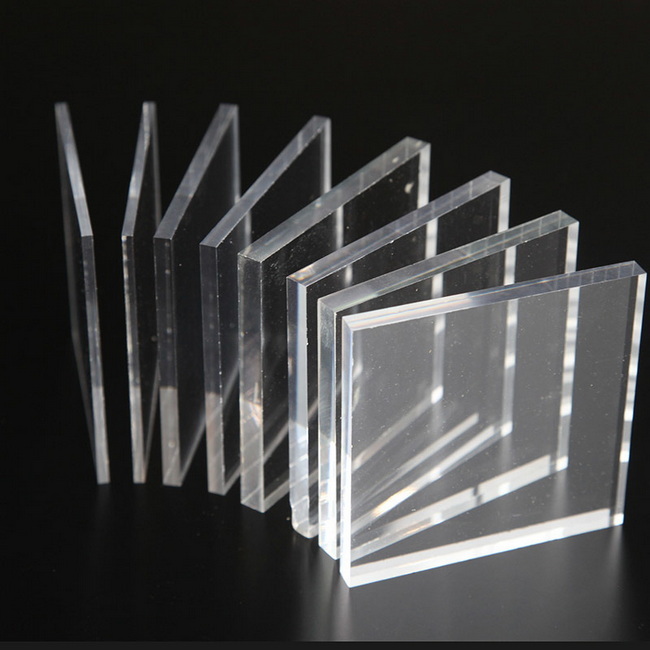
Common thicknesses range from about 1.5 mm to 30 mm, with popular sizes like 3 mm, 4.5 mm, 6 mm, 9 mm, 12 mm, 18 mm, and 24 mm. Thinner sheets are ideal for small signs and picture frames, while thicker panels are better for barriers, shelves, and machine guards.
Quick rule-of-thumb examples:
- 2–3 mm: Small signs, photos, craft projects.
- 4.5–6 mm: Retail displays, medium-sized panels, small windows.
- 9–12 mm+: Safety guards, structural displays, small load-bearing shelves.
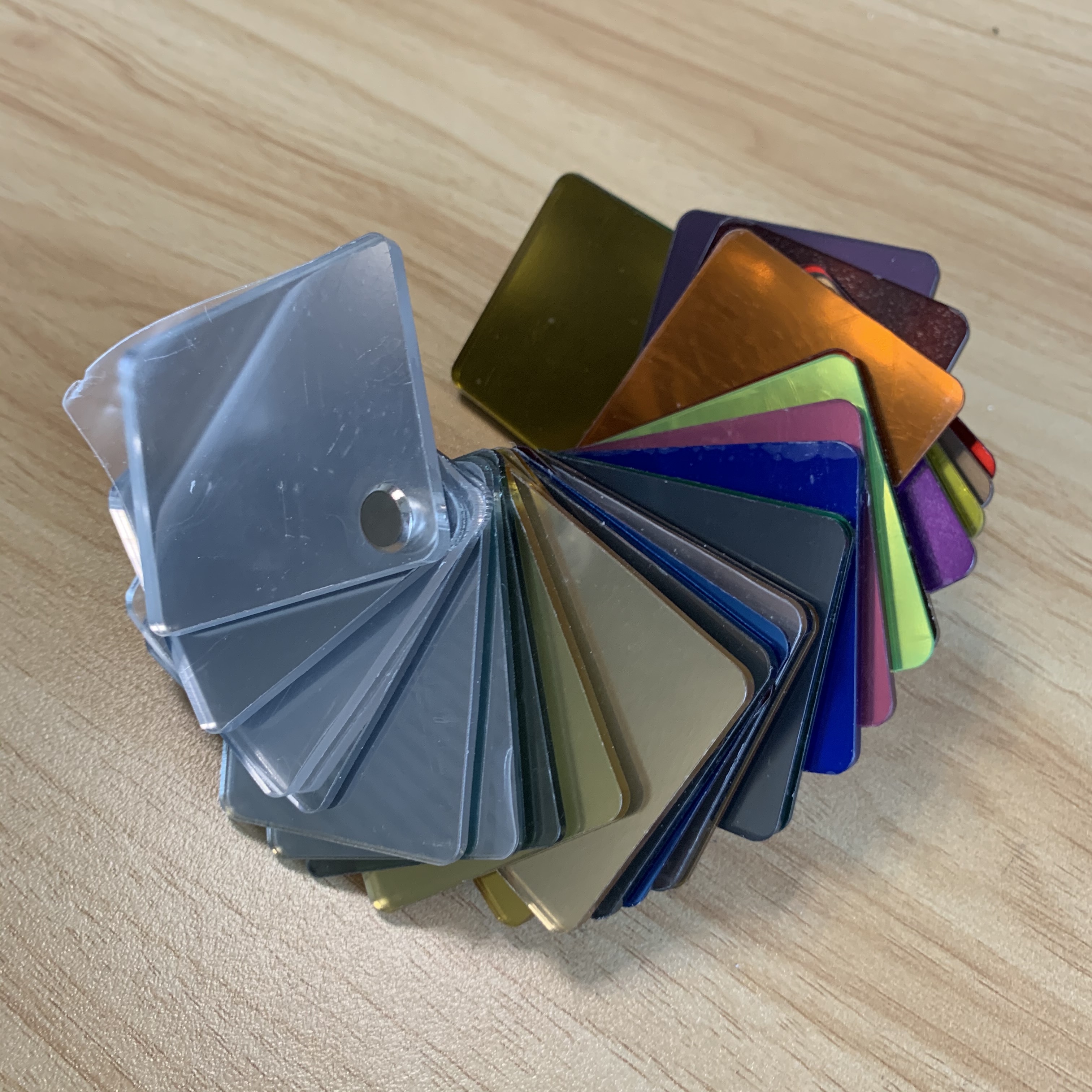
While this article focuses on clear extruded sheets, acrylic is available in clear, opal, and colored varieties for different visual effects. Flame-polished or machined edges provide a more premium appearance for high-end retail, museum, or residential applications.
Use this table to help readers choose quickly, with a clear note that it is for general guidance only and that critical applications require professional advice.
Typical Thickness | Example Uses (General Guidance Only) | Notes |
2–3 mm | Photo frames, small signs, craft panels | Lightweight, not for structural loads. |
4.5–6 mm | Retail displays, menu boards, small windows | Good balance of rigidity and weight. |
9–12 mm | Protective barriers, machine guards, medium shelves | Higher impact resistance and stiffness. |
18–24 mm+ | Specialty displays, heavy-duty covers | Consider professional engineering input. |
Even with pre-cut panels, users often need to drill holes, polish edges, or mount sheets.
Best-practice guidelines:
- Use sharp, appropriate drill bits and support the sheet to avoid cracking.
- Keep the protective film on as long as possible during fabrication to prevent scratches.
- For bonding, use compatible acrylic cements or solvent welding techniques for strong joints.
- Clean with mild soap solutions or dedicated plastic cleaners; avoid ammonia-based glass cleaners.
These sheets are a strong match for many everyday and professional scenarios.
Most common and effective use cases:
- DIY homes: Picture frames, table covers, décor, and hobby projects.
- Commercial spaces: Retail displays, signage, menu boards, and protective screens.
- Industrial environments: Machine guards, equipment covers, and control panel windows.
- Architectural and design: Small windows, partitions, skylights, and design accents.
This mix of applications shows why pre-cut acrylic extruded clear sheets are a go-to material across home, commercial, and industrial projects.
If you want professional-grade results with less cutting, less waste, and faster installation, pre-cut acrylic extruded clear sheets are one of the most practical materials you can choose. For your next project, define your application and environment, select an appropriate thickness and size, and plan edge finishing, mounting hardware, and any graphics or lighting you will add. To get started now, contact your acrylic sheet supplier to discuss your design, request the right pre-cut sizes, and secure expert guidance on material selection, thickness, and fabrication options tailored to your specific project.
Contact us to get more information!
Extruded acrylic is generally more economical, offers tighter thickness tolerances, and machines easily, while cast acrylic can provide slightly better optical quality and scratch resistance for some high-end applications. The best choice depends on your budget, fabrication needs, and visual requirements.
Many acrylic sheets offer good weatherability and UV resistance, making them suitable for outdoor applications like signage and glazing when the correct grade is selected and installation is done properly. Always check product specifications and local regulations for outdoor use.
Acrylic sheets are lighter and more impact-resistant than glass, reducing the risk of dangerous shards and making them safer in high-traffic or child-friendly environments. This safety profile is one of the main reasons acrylic often replaces glass in public spaces.
Use a soft microfiber cloth with mild soap or an acrylic-safe cleaner, and avoid abrasive pads and ammonia-based glass cleaners. Never dry-wipe dusty surfaces, as trapped particles can leave fine scratches.
Yes, extruded acrylic is easy to cut and drill with appropriate tools. Use sharp bits, support the sheet, and avoid overheating to reduce the risk of cracking or melting, and always wear proper safety equipment.
1. https://www.acmeplastics.com/acrylic-sheets/acrylic-extruded-clear-sheet
2. https://www.acmeplastics.com/acrylic-sheets
3. https://www.acmeplastics.com/cast-vs-extruded
4. https://www.piedmontplastics.com/blog/understanding-the-differences-between-acrylic-sheet-and-glass
5. https://www.kingstar.biz/collections/plastic-sheets/extruded-acrylic-sheets/
6. https://sendcutsend.com/blog/how-to-cut-acrylic-sheet/
7. https://www.plasticsolutions.ie/blogs/news/surprising-advantages-acrylic-has-over-regular-glass
8. https://www.acmeplastics.com/acrylic
9. https://www.acmeplastics.com/content/10-ways-to-use-pre-cut-acrylic-extruded-clear-sheets/
10. https://www.alandsplastic.com/news/news/cutting_acrylic_sheet.html