Shanghai Gokai Industry Co,.Ltd.
Call Us: +86-18918606548
Call Us: +86-18918606548
- Product Name
- Product Keyword
- Product Model
- Product Summary
- Product Description
- Multi Field Search
Views: 222 Author: Loretta Publish Time: 2026-02-02 Origin: Site


Content Menu
● Are Acrylic Plastic and PVC Foam Board Safe to Use?
● Common Hazards When Working with Acrylic and PVC Foam
● 1. Wear Proper PPE When Cutting or Engraving Acrylic and PVC Foam
● 2. Ensure Your Workspace Is Well‑Ventilated
● 3. Carry and Handle Sheets the Right Way
● 4. Use the Right Tools for Acrylic and PVC Foam
>> Acrylic sheet considerations
>> PVC foam board considerations
>> Recommended Tool–Material Pairings
● 5. Monitor Temperature and Fire Safety
● 6. Keep the Work Area Clean and Clutter‑Free
● 7. Store and Maintain Acrylic and PVC Foam Correctly
● 8. Avoid Excessive Pressure and Over‑Polishing
● 9. Be Mindful of Static Electricity
● 10. Dispose of Waste and Offcuts Safely
● Take the Next Step: Partner With a Safety‑Focused OEM Manufacturer
● FAQs About Acrylic Plastic and PVC Foam Board Safety
>> 1. Is acrylic plastic safe for indoor use?
>> 2. Are PVC foam boards safe inside homes and offices?
>> 3. What is the safest way to cut acrylic sheets?
>> 4. How should I clean acrylic and PVC foam without damaging them?
>> 5. Can acrylic and PVC foam offcuts be recycled?
Whether you work with acrylic plastic fabrication, PVC foam board installation, or both, this guide combines practical workshop‑level safety steps with OEM‑oriented best practices tailored for factories, signage producers, display manufacturers, and interior contractors. Shanghai Gokai Industry supports global brands through custom acrylic and PVC foam board OEM services, and this article reflects that real‑world production‑line context.
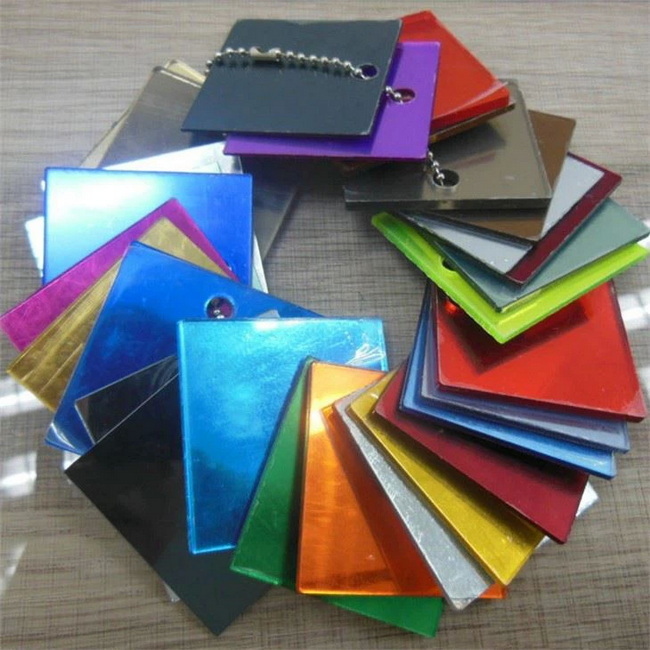
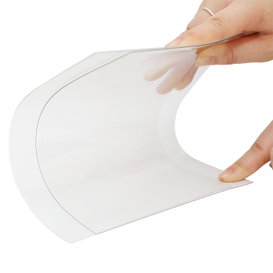
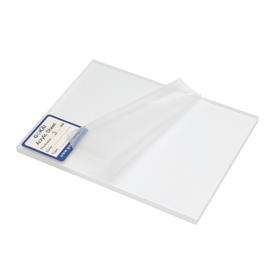
At ambient temperatures and in everyday applications, acrylic plastic (PMMA) is non‑toxic and chemically stable, making it common in signage, displays, decorative panels, and even certain medical and LED‑light components. However, when heated, cut, or engraved, acrylic releases fumes and dust that must be managed with proper ventilation and PPE.
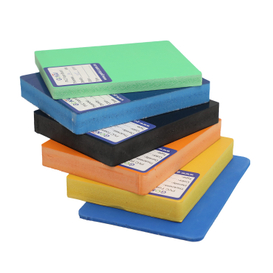
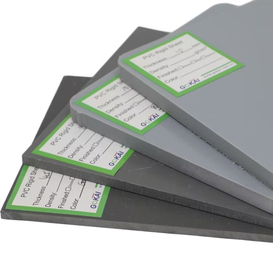
Similarly, PVC foam boards are widely used in indoor signage, exhibition stands, and shop‑fitting because they are lightweight, fire‑retardant, and low‑VOC when manufactured to international standards such as CE, REACH, and ROHS. Yet, cutting foam‑core PVC or generating dust in enclosed spaces without air exchange can expose workers to airborne particles and chemical solvents if incompatible adhesives or cleaners are used.
In short:
– Both materials are safe when handled correctly, stored properly, and processed in well‑ventilated, controlled environments.
– Hazards arise mainly during processing such as cutting, laser engraving, heating, thermoforming, or when using unsuitable adhesives, solvents, or disposal methods.
Before diving into the ten core safety tips, it helps to understand the main categories of risk.
Common hazards include:
– Inhalation risks from dust, micro‑particles, and thermal‑decomposition fumes during cutting or laser‑engraving.
– Thermal distortion and fire risk when panels soften or distort at elevated temperatures and when exposed to flames or hot surfaces.
– Mechanical injury from sharp edges, broken sheets, flying debris, and improper lifting methods.
– Chemical exposure caused by aggressive solvents, incompatible adhesives, or harsh cleaners used on PVC foam or acrylic.
– Indoor air quality concerns, as even low‑VOC PVC foam boards require good ventilation during installation to avoid localized VOC buildup.
Knowing these categories lets you design safer workshops, standard operating procedures, and training campaigns for your production facility or OEM partner network.
Personal protective equipment is the first line of defense in any plastic‑processing operation.
For both acrylic sheets and PVC foam boards, follow these recommendations:
1– Eye and face protection:
– Safety goggles rated for impact to block dust and flying particles.
– A face shield layered over goggles in workshops using CNC routers, circular saws, or laser‑cutting tables.
2– Respiratory protection for air quality:
– A particle‑filter mask such as N95 or higher when cutting or sanding creates fine dust.
– A vapor‑rated respirator when processing materials or adhesives that may emit chemical vapors, in line with local industrial‑safety regulations.
3– Hand and skin protection:
– Cut‑resistant gloves for handling sheets and preventing edge cuts.
– Nitrile or PVC‑compatible gloves when applying adhesives, cleaners, or solvents.
4– Clothing and situational notes:
– Avoid loose sleeves, jewelry, or long hair near rotating tools.
– Use disposable coveralls in dusty environments to reduce cross‑contamination in cleanrooms or display‑assembly areas.
Best practice for OEM factories is to include a mandatory PPE‑check step in standard operating procedures and to display visual PPE guidelines at each workstation. This approach also supports client audits and third‑party inspections.
Indoor workshops often underestimate how quickly acrylic and PVC dust accumulates in the air.
Practical ventilation tips:
– Natural ventilation:
– Keep doors and windows open where possible, even in colder seasons, to increase air exchange.
– Avoid relying only on standard air conditioners that recirculate indoor air unless they are equipped with fresh‑air intakes.
– Mechanical ventilation:
– Install fume‑extraction systems over CNC tables, laser‑engraving machines, polishing zones, and flame‑polishing stations.
– Use local‑exhaust ventilation hoods above dust‑generating tools and maintain a regular filter inspection and replacement schedule.
– PVC‑foam‑specific guidance:
– Avoid large‑scale PVC foam installations in confined spaces without mechanical air exchange.
– Small side‑vents or portable air‑circulation devices can significantly reduce VOC‑related discomfort during on‑site fitting or remodeling projects.
For export‑oriented factories, effective ventilation also supports compliance with environmental and occupational‑health standards and strengthens your position as a responsible OEM supplier.
Large panels of acrylic and PVC foam are heavy yet brittle under uneven stress, creating slip‑and‑crack risks.
Handling recommendations:
– Use at least two workers for sheets larger than approximately 600 × 900 mm to avoid torsional stress and corner cracks.
– Wear non‑slip gloves to improve grip and prevent fingerprints or oily residue on clear acrylic.
– Avoid one‑arm loading, where a single operator balances a full sheet; instead, pivot panels slowly on edges or move them with proper carts.
Industry‑proven sheet‑handling practices include lifting edge clamps with padded spreader bars for acrylic sheet racks and dedicated sheet‑carts or slide‑rails for PVC foam boards. These methods reduce material damage and minimize workplace injuries.
A short, clear instructional video demonstrating these methods can significantly improve user understanding and also strengthen your website's engagement and dwell time.
Using the wrong tools is a common reason for poor edge quality, excessive dust, and operator accidents. Proper tool selection varies between acrylic and PVC foam.
– Use circular saws with fine‑tooth carbide blades instead of coarse wood blades to reduce edge chipping.
– Keep feed speed and blade speed in a balanced range so that the acrylic chips cleanly rather than melts.
– Operate laser‑cutters in fully enclosed housings with active fume‑extraction; never bypass safety interlocks or run a laser with the door open.
– Use smooth, fine‑tooth blades on routers and saws to prevent frayed edges and surface tearing.
– Avoid hot‑knife engraving on PVC foam in areas with flammable materials; opt for controlled CNC or cold cutting instead.
– Select adhesives and sealants specifically rated for PVC, and avoid solvent blends that can soften the foam core.
For OEM manufacturers, it is helpful to maintain a tool matrix that matches each material type to approved processing methods and recommended parameters. This matrix can be shared with customers to enhance their own workshop safety and product quality.
Material |
Allowable processes (typical) |
Not recommended |
Clear acrylic sheets |
CNC routing, fine-tooth saw, laser-cutting, waterjet |
Manual filing without edge support, coarse saws |
Tinted acrylic sheets |
Same as clear, plus careful flame-polishing of edges |
Overheating corners during aggressive polishing |
PVC foam boards |
CNC, fine-tooth saws, cold adhesives, rivets or screws |
High-heat knife engraving near flammable surfaces |
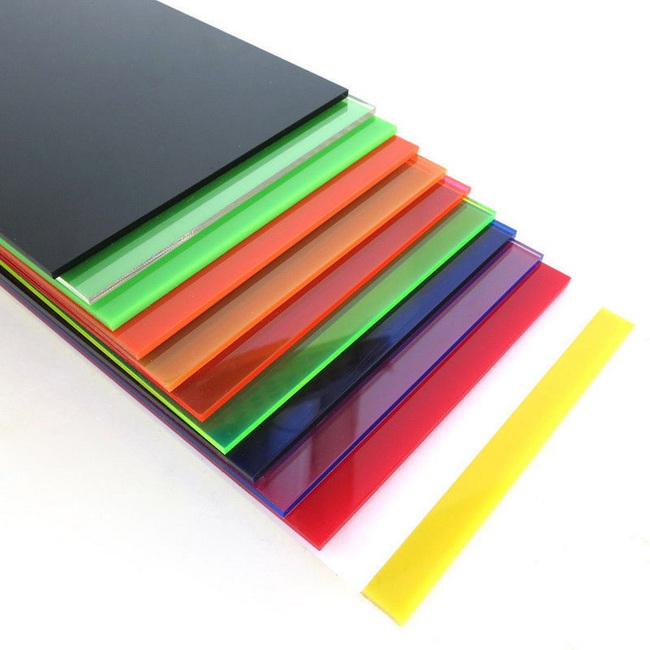
Acrylic plastic begins to soften at elevated temperatures and can emit flammable vapors when overheated. PVC foam boards, although often fire‑retardant, can still warp and release dense smoke when exposed to open flames or intense heat.
Key safety practices:
– Set temperature limits on thermoforming ovens and laser‑cutting equipment and enable automatic alarms or shutdown features.
– Avoid placing acrylic panels or PVC foam displays directly against radiators, cooktops, industrial heaters, or other hot surfaces.
– Keep curing ovens, heat guns, and high‑temperature equipment well separated from storage areas used for raw sheets and offcuts.
Fire‑response suggestions:
– Store appropriate extinguishers, such as CO₂ or water‑spray units, in clearly marked locations and provide staff training on their use.
– Maintain clear access paths to exits, fire‑alarm points, and electrical panels; do not block them with stacks of sheets or waste bins.
Prioritizing temperature control and fire‑safety procedures enhances both worker safety and customer confidence in your finished products.
Dust and offcuts are not just aesthetic problems; they are safety and quality issues.
Daily housekeeping habits:
– Vacuum dust from cutting tables, machine bases, and floors at the start and end of each shift using equipment with adequate filtration.
– Designate dedicated waste chutes or collection points for acrylic and PVC foam offcuts instead of stacking scrap along walls or near wiring.
– Label each bin clearly with the material type it should contain so later sorting, recycling, or disposal is streamlined and compliant.
A clean, organized workshop reflects the same care and consistency that customers expect in OEM‑produced displays, panels, and sign systems. It also makes internal audits easier and reduces the risk of slips, trips, and other incidents.
Proper storage and surface care help prevent warping, yellowing, and scratches, all of which can shorten product life and result in costly replacements.
Storage best practices:
– Store sheets vertically in racks with cushioned bars or spacers that support the entire panel.
– Avoid long‑term horizontal stacking without adequate support, which can cause bowing, especially with larger or thinner sheets.
– Keep materials away from direct sunlight, windows, and heat sources to reduce UV‑induced discoloration and thermal distortion.
Maintenance and cleaning tips:
– Clean surfaces with mild soap and water using a soft, non‑abrasive cloth.
– Avoid harsh solvents and acetone‑type cleaners that may fog acrylic or soften PVC foam.
– For frosted or textured acrylic, gently dust surfaces before wiping to reduce micro‑scratches.
Many OEM manufacturers offer boards with protective films to preserve surfaces during transport and fabrication; removing these films at the correct stage of processing helps maintain premium appearance and performance.
Over‑aggressive polishing can create safety and quality problems, such as overheated edges, surface stress, and unpredictable cracking.
For acrylic edges:
– Apply moderate pressure and let the polishing compound or abrasive grit do most of the work.
– Avoid holding buffing wheels in one spot for too long, as localized heating can cause stress‑crazing, clouding, or micro‑cracks.
– Monitor surface temperature when using power‑assisted polishing, especially near corners and joints.
For PVC foam boards:
– Limit abrasive polishing to edge clean‑up and use fine‑grit sandpaper with light pressure.
– Finish with a soft cloth and PVC‑compatible cleaner instead of relying on repeated sanding passes.
These adjustments improve operator comfort, reduce rework, and help maintain consistent finish quality across high‑volume OEM runs.
Acrylic is a good electrical insulator and can build up static electricity that attracts dust and, in rare cases, may contribute to sparks in sensitive environments.
Static‑control measures:
– Use anti‑static cloths or sprays on acrylic workbenches, inspection stations, and packaging zones.
– Ground metal frames, cutting tables, and guide rails where dust collects or where flammable vapors could be present.
– For applications near electronics or in static‑sensitive environments, choose anti‑static acrylic grades or apply approved surface coatings.
Static management improves cleanliness, reduces dust adhesion, and aligns with safety expectations in advanced manufacturing environments.
Responsible waste management supports safety, environmental performance, and brand reputation.
Disposal and recycling recommendations:
– Separate acrylic waste from PVC foam scrap to prevent cross‑contamination and to allow specialized recycling methods where available.
– Follow all local regulations for disposing of adhesives, solvents, and chemical by‑products, and maintain written records of disposal activities.
– Provide sealed collection bags or containers on installation sites so offcuts do not create airborne dust, sharp hazards, or site clutter.
By integrating these practices into your internal standards and your OEM documentation, you demonstrate environmental responsibility and support customers who must meet strict sustainability criteria.
If your business relies on acrylic sheets or PVC foam boards for signage, displays, furniture, or interior projects, the safest and most efficient route is to work with a manufacturer that builds safety, quality, and compliance into every step of production. Shanghai Gokai Industry Co., Ltd. specializes in the research, development, and production of PVC foam boards and acrylic sheet materials and offers OEM services tailored to the specific needs of global customers. By partnering with a supplier that follows strict safety standards, provides detailed technical support, and understands international compliance requirements, you protect your team, your end users, and your brand reputation.
Contact our team today to discuss your next acrylic or PVC foam board project, request technical data sheets, or explore customized OEM solutions that align with your safety and performance goals.
Contact us to get more information!

Yes, acrylic plastic is generally safe for indoor use when it is installed properly and not exposed to excessive heat or open flames. It does not emit significant odors under normal conditions and is commonly used in displays, signs, and protective panels. Basic precautions such as avoiding direct contact with high‑heat sources and using compatible cleaners are sufficient for most applications.
PVC foam boards manufactured to recognized standards can be safely used in interior spaces for signage, wall panels, and furniture components. They are valued for being lightweight, durable, and easy to fabricate. To maintain a healthy indoor environment, ensure good ventilation during installation, avoid harsh solvents, and follow manufacturer guidance on adhesives and cleaning products.
The safest way to cut acrylic sheets is to use well‑maintained tools suited to the material, such as a fine‑tooth carbide‑tipped saw blade or a properly ventilated laser‑cutting system. Operators should wear eye protection, gloves, and a dust mask or respirator as appropriate. Clamping the sheet to prevent vibration and feeding it steadily through the blade helps avoid chipping and reduces the risk of kickback.
For both acrylic and PVC foam, use mild soap diluted in clean water and apply it with a soft, non‑abrasive cloth or sponge. Rinse thoroughly and dry with a microfiber cloth to avoid streaks. Do not use abrasive pads, glass cleaners containing ammonia, or strong solvents such as acetone because these can cause clouding, cracking, or surface softening.
In many regions, acrylic offcuts can be collected for specialized recycling, while PVC foam may be suitable for certain recycling or energy‑recovery streams. The key is to separate materials into clearly labeled containers and consult local recycling providers about accepted grades. Where recycling is not available, follow local regulations for disposal and avoid burning these plastics in uncontrolled conditions.
1. https://www.acmeplastics.com/content/10-acrylic-plastic-safety-tips-to-know/
2. https://www.acplasticsinc.com/media/documents/MSDS_Acrylic_Acrylite_en.pdf
3. https://www.aceninja.sg/insights/2024/06/26/is-acrylic-plastic-safe-and-durable
4. https://www.boardwaybuilding.com/n1902256/Is-PVC-Foam-Board-Safe-for-Indoor-Use-Understanding-Its-Benefits-and-Risks.htm
5. https://www.lyheg.com/news-Industry/pvc-foam-board-safety.html
6. https://www.yupsenipvc.com/info/what-are-the-precautions-for-using-pvc-foam-bo-103197340.html
7. https://sitro.com.au/wp-content/uploads/2023/11/PVC-Foam-Sheet.pdf
8. https://www.mulfordplastics.co.nz/media/1348/msds-potentech-pvc-celuka-sheet.pdf
9. https://www.theplasticshop.co.uk/plastic_safety_data_sheets/foam_laminated_board_safety_data_sheet.pdf
10. https://jumei-acrylic.com
11. https://www.cnplasacrylic.com