Shanghai Gokai Industry Co,.Ltd.
Call Us: +86-18918606548
Call Us: +86-18918606548
- Product Name
- Product Keyword
- Product Model
- Product Summary
- Product Description
- Multi Field Search
Views: 222 Author: Loretta Publish Time: 2026-02-02 Origin: Site


Content Menu
● Core Mechanical and Physical Properties
>> Strength, hardness, and stiffness
>> Impact resistance vs. glass
● Optical Clarity, Light Transmission, and Color
● Thermal Properties and Thermoforming Behavior
● Chemical Resistance and Environmental Behavior
● Manufacturing Methods: Cast vs. Extruded Acrylic
>> Cast acrylic
● Processing: Machining, Bonding, and Finishing
● Health, Safety, and Sustainability Facts
● 30+ Acrylic (PMMA) Facts and Figures at a Glance
● Real‑World Applications and Industry Examples
● Practical Design Tips for Acrylic Sheet
● Maintenance and Cleaning Best Practices
● How Acrylic Compares to Other Clear Plastics
● Where OEM Acrylic Sheet Comes From (and Why Supplier Choice Matters)
● Ready to Source Acrylic Sheet or PVC Foam Board?
● Frequently Asked Questions About Acrylic (PMMA)
>> 1. Is acrylic stronger than glass?
>> 2. Does acrylic turn yellow outdoors?
>> 3. Can acrylic be recycled?
>> 4. How do I clean acrylic without scratching it?
>> 5. What is the difference between cast and extruded acrylic?
Acrylic, also called PMMA or acrylic glass, is one of the most widely used clear plastics in signage, displays, glazing, lighting, and many other applications worldwide. Understanding its properties, limitations, and use cases helps engineers, fabricators, and brand owners choose the right sheet and avoid costly mistakes.

Acrylic is the common name for poly(methyl methacrylate), a transparent thermoplastic often used as a lightweight alternative to glass. It combines excellent optical clarity with good mechanical strength, making it popular in display, architectural, automotive, and medical applications.
- Chemical name: poly(methyl methacrylate) (PMMA).
- Typical density: 1.17–1.20 g/cm³, about half the density of glass.
- Forms: cast sheet, extruded sheet, rods, tubes, and custom profiles.
Compared with standard mineral glass, acrylic is lighter, more impact resistant, and easier to machine or thermoform into complex shapes.
Acrylic offers a strong balance of stiffness and clarity for many structural and semi‑structural uses. It is widely chosen where transparency and moderate mechanical performance must be combined.
- Tensile strength: about 65 MPa (around 9,400 psi).
- Flexural strength: around 90 MPa (about 13,000 psi).
- Shore D hardness: typically around 90, indicating a relatively hard plastic surface.
While acrylic is tough compared with many commodity plastics, it behaves as a hard and relatively brittle material and is more notch‑sensitive than polycarbonate.
Acrylic sheet is often quoted as 6–17 times more impact resistant than glass of the same thickness, depending on grade and test method. It is difficult to shatter like glass; under severe impact, it is more likely to crack or break into large, dull‑edged pieces rather than sharp shards.
This combination of impact resistance and safe breakage pattern makes acrylic attractive for glazing in public spaces, retail environments, and transportation interiors.
Because its density is roughly half that of glass, acrylic sheets are much easier to lift, transport, and install. This translates directly into lower structural loads, simpler framing, and reduced installation costs on site.
One of acrylic's defining advantages is its optical performance.
- Light transmission: high‑quality clear acrylic can transmit up to about 92% of visible light.
- Refractive index: around 1.49, enabling excellent clarity and low distortion when properly fabricated.
Acrylic can be produced as:
- Crystal clear sheet for glazing and display.
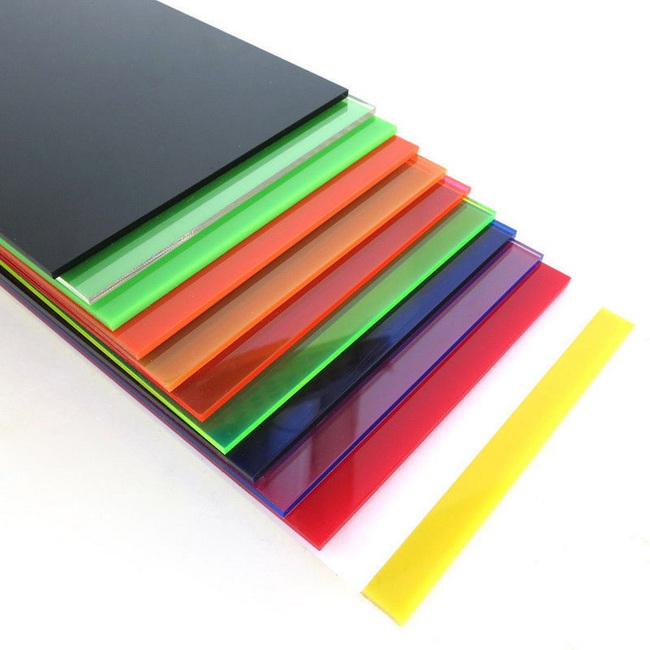
- Colored or tinted sheet in a wide range of standard and custom hues.
- Translucent or opal grades for light diffusion in LED panels and signage.
Thanks to stable UV resistance and weatherability, outdoor acrylic glazing can maintain clarity and color for many years when premium grades are selected.
Acrylic is an amorphous thermoplastic, which means it softens gradually above its glass transition temperature and can be reshaped when heated.
- Glass transition temperature: typically in the 100–130°C range.
- Heat deflection temperature: approximately 73–109°C, depending on grade and load.
- Melting or softening for forming: around 150–160°C for many sheet products.
Thermoforming is widely used for acrylic:
- Extruded acrylic sheets are usually thermoformed at about 150°C (302°F).
- Cast acrylic sheets often require closer to 160°C (320°F) for optimal forming.
When processed correctly, acrylic can be bent, drape‑formed, or vacuum‑formed without losing its optical clarity, making it ideal for display covers, machine guards, and complex lighting lenses.
Acrylic provides good resistance to many everyday chemicals but is not universally resistant.
- Generally resistant to: dilute acids and alkalis, many cleaning agents, gasoline, and mineral oils.
- Sensitive to: certain solvents such as ethanol, acetone, benzene, and some alcohol‑based cleaners, which can cause crazing or cracking.
Acrylic's combination of weather resistance and UV stability makes it suitable for outdoor glazing, illuminated signs, and solar panel covers where long‑term transparency is essential. Designers should avoid environments with strong solvents or high continuous temperatures above its heat deflection limit.
Both cast and extruded acrylic appear similar but behave differently in fabrication and performance.
Cast acrylic is produced by pouring liquid monomer into molds where it polymerizes and solidifies.
Key characteristics:
- Excellent optical clarity and thickness consistency in premium grades.
- Better resistance to crazing and cracking during machining and polishing.
- Often higher cost but superior performance for demanding applications such as aquariums and high‑end displays.
Extruded acrylic is made by pushing molten PMMA through a die to form continuous sheet.
Key characteristics:
- More economical and widely available for general‑purpose uses.
- Slightly lower molecular weight, which can make it more sensitive to solvents and stress.
- Highly suitable for thermoforming, where uniform thickness aids consistent forming behavior.
Selecting between cast and extruded grades is critical when specifying for CNC machining, polishing, or high‑end optical applications.
Acrylic is relatively easy to process with standard plastic‑working tools when correct techniques are used.
Machining and cutting
- Common processes: sawing, routing, drilling, laser cutting, and CNC machining.
- Acrylic profiles can be machined into precise shapes thanks to small shrinkage (around 0.5–0.8%) and good cutting performance.
- Proper feed rates and sharp tools help minimize heat build‑up and prevent edge cracking.
Bonding and assembly
- Solvent bonding with suitable acrylic cements can create strong, nearly invisible joints.
- Components can also be mechanically fastened, but designers should avoid sharp internal corners and high local stresses to prevent cracking.
Polishing and edge finishing
- Cut surfaces may be sanded and polished to restore optical clarity on exposed edges.
- Flame polishing is possible on many extruded and cast sheets, but should be tested first on offcuts to avoid surface crazing.
Acrylic sheet is often chosen as a safer, more user‑friendly alternative to glass or some other plastics.
- Acrylic is inherently BPA‑free, as it does not contain bisphenol‑A.
- It is widely used in medical devices and implants, such as bone cement and lenses, due to its biocompatibility and optical clarity.
- When acrylic burns, it primarily produces carbon dioxide, water, and low‑molecular‑weight compounds.
From a sustainability perspective, acrylic's long service life and durability support resource efficiency, and PMMA recycling technologies are advancing in many regions. As with most thermoplastics, dedicated collection and recycling channels are needed to capture its full environmental value.
The table below brings many key acrylic facts together for fast reference.
Key Acrylic (PMMA) Facts
# | Fact or figure | Detail |
1 | Chemical name | Poly(methyl methacrylate), abbreviated PMMA. |
2 | Common names | Acrylic, acrylic glass, plexiglass-type materials. |
3 | Material type | Amorphous thermoplastic, transparent. |
4 | Density | About 1.17–1.20 g/cm³ (roughly half of glass). |
5 | Light transmission | Up to about 92% for clear sheet. |
6 | Refractive index | Around 1.49. |
7 | Tensile strength | Approx. 65 MPa (around 9,400 psi). |
8 | Flexural strength | Around 90 MPa (about 13,000 psi). |
9 | Shore D hardness | Roughly 90. |
10 | Impact resistance vs. glass | Typically 6–17× more impact resistant than glass of similar thickness. |
11 | Weatherability | Very good; retains clarity outdoors with the right grade. |
12 | Glass transition temperature | Around 100–130°C. |
13 | Heat deflection temperature | About 73–109°C depending on grade and load. |
14 | Forming temperature | Roughly 150–160°C for thermoforming. |
15 | Shrinkage | Small, about 0.5–0.8% for many grades. |
16 | Scratch resistance | Higher than many clear plastics at similar price points. |
17 | Chemical resistance | Good against dilute acids and alkalis, oils; poor against some strong organic solvents. |
18 | UV resistance | Excellent; suitable for outdoor applications and solar covers. |
19 | Transparency vs. other plastics | Among the highest transparency of common thermoplastics. |
20 | Machinability | Easily cut, drilled, and CNC machined with proper tooling. |
21 | Polishing | Cut edges can be sanded and polished to a clear finish. |
22 | Thermoformability | Readily thermoformed without losing optical clarity. |
23 | Coloring options | Available clear, tinted, opaque, and with light-diffusing formulations. |
24 | BPA content | Acrylic is inherently BPA-free. |
25 | Medical use | Employed in medical implants, lenses, and devices. |
26 | Display and signage use | Widely used in POS displays, lightboxes, and channel letters. |
27 | Electronics use | Used in TV screens, laptop and smartphone displays, and control panels. |
28 | Automotive use | Applied in exterior lenses, light guides, and decorative trims. |
29 | Solar and lighting use | Used as cover material in solar panels and LED optics. |
30 | Manufacturing types | Available as cast and extruded sheet, plus rods, tubes, and custom profiles. |
31 | Fire behavior | Ignites at elevated temperature and burns to CO₂, water, and small organics. |
32 | Typical hardness vs. glass | Softer and more scratch-prone than glass, but easier to refinish. |
Today, acrylic sheet is found across almost every sector of modern manufacturing and construction. Its unique combination of optical clarity, toughness, and processability gives designers wide freedom.
Typical applications include:
- Architectural and safety glazing.
- Retail display fixtures, shelving, and transparent covers.
- Illuminated signage, channel letters, and light boxes.
- Automotive lighting lenses and exterior trim elements.
- Consumer electronics screens and indicator panels.
- Protective guards for machinery and public interfaces.
In outdoor signage, for example, UV‑stable acrylic is used as a front face for back‑lit or edge‑lit LED signs, offering both impact safety and long‑term color stability. In solar energy systems, acrylic covers and lenses enhance light transmission to photovoltaic cells while withstanding weather exposure over many years.
From a user‑experience and engineering perspective, a few practical rules dramatically increase acrylic performance and lifetime.
1. Allow for expansion and contraction
Design mounting holes and frames with clearance so the sheet can move with temperature changes.
2. Avoid sharp internal corners
Use generous radii in cutouts and machined features to reduce stress concentrations and prevent cracking.
3. Specify edge quality
For visible edges, specify polished or flame‑polished edges and request samples to align on visual expectations.
4. Choose the right side for protective films
Keep protective film on until installation, and avoid dragging tools or fasteners across exposed acrylic surfaces.
5. Match sheet type to process
Favor cast acrylic for heavy machining and high optical polish, and extruded acrylic for economical thermoforming and simple cut‑to‑size panels.
These design best practices reduce cracking, crazing, and surface damage, delivering a better experience for end users and installers.
Correct cleaning routines preserve acrylic's clarity and extend its service life.
- Use mild soap or detergent with soft microfiber or cotton cloths.
- Rinse with clean water and gently blot dry to avoid streaks.
- Avoid glass cleaners containing ammonia, alcohol, or aggressive solvents.
- Do not use abrasive pads or scouring powders which can scratch the surface.
For light scratches, specialized acrylic polishes or fine sanding followed by polishing can often restore clarity on many sheet products. Regular gentle cleaning protects the user experience in retail, museum, and transportation environments where appearance is critical.
When selecting materials, many buyers weigh acrylic against polycarbonate, PETG, or glass.
- Acrylic vs. glass: lighter, more impact‑resistant, easier to fabricate, but more prone to scratching.
- Acrylic vs. polycarbonate: better optical clarity, better UV stability, and more scratch resistant, but significantly lower impact strength and generally lower heat resistance.
- Acrylic vs. PETG: harder and more scratch‑resistant than PETG, but less impact‑resistant than top polycarbonate grades.
For applications prioritizing optical clarity, UV stability, and cost‑effectiveness, acrylic is often the preferred solution. Where extreme impact resistance is vital, such as in riot shields, polycarbonate usually remains the first choice.
High‑quality acrylic sheets are produced by specialist manufacturers with advanced extrusion or casting lines and strict quality control. Supplier choice affects consistency in thickness, optical clarity, color, and mechanical performance across large production runs.
Shanghai Gokai Industry Co., Ltd. is an example of a dedicated PVC foam board and acrylic sheet manufacturer with multiple production lines, modern equipment, and OEM capabilities for global customers. By partnering with such a supplier, brand owners can specify custom sizes, colors, and surface finishes, then receive consistent sheet quality tailored to their downstream fabrication processes.
If you are planning a new display program, signage system, or protective glazing project, choosing a reliable OEM partner for acrylic sheet is just as important as choosing the right material grade. Shanghai Gokai Industry Co., Ltd. specializes in PVC foam board and acrylic sheet production and supports global customers with custom sizes, colors, and private‑label packaging for long‑term programs.
To secure stable quality, competitive pricing, and flexible OEM service for acrylic sheet and PVC foam board, contact Shanghai Gokai Industry Co., Ltd. today to discuss your project, request samples, or obtain a customized quotation that matches your exact specifications.
Contact us to get more information!
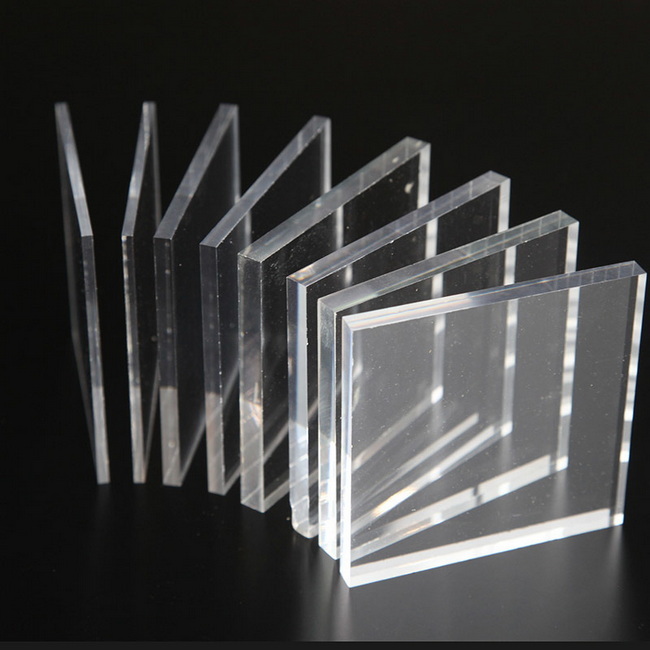
Acrylic is generally 6–17 times more impact resistant than glass of similar thickness. It does not shatter into sharp fragments the way glass does, which improves safety in many applications.
High‑quality, UV‑stable acrylic offers excellent weather resistance and can retain clarity for many years in outdoor conditions when correctly specified. Choosing reputable grades is essential to minimize yellowing.
Acrylic (PMMA) can be mechanically or chemically recycled, and recycling technologies are improving. However, local collection systems and infrastructure determine how easily acrylic can be recycled in practice.
Use mild soap or detergent and a soft cloth, then rinse with clean water and gently dry. Avoid abrasive pads, harsh powders, and strong solvents, which can cause scratching or surface crazing.
Cast acrylic typically offers superior optical and machining performance, making it ideal for high‑end displays and precision parts. Extruded acrylic is more economical and is ideal for thermoformed or simple cut‑to‑size applications.
1. https://www.acmeplastics.com/content/30-amazing-acrylic-pmma-plastic-facts-and-figures/
2. https://www.xometry.com/resources/materials/acrylic-pmma/
3. https://www.specialchem.com/plastics/guide/polymethyl-methacrylate-pmma-acrylic-plastic
4. https://www.novusls.com/post/introduction-to-the-properties-and-uses-of-polymethyl-methacrylate-pmma
5. https://polytives.com/en/the-outstanding-properties-of-pmma/
6. https://sybridge.com/polymethyl-methacrylate-pmma/
7. https://www.lairdplastics.com/resources/facts-and-innovative-uses-of-acrylic-plastic/
8. https://www.wanplas.com/industry-knowledge/plastic-materials/acrylic-pmma/
9. https://jlccnc.c