Shanghai Gokai Industry Co,.Ltd.
Call Us: +86-18918606548
Call Us: +86-18918606548
- Product Name
- Product Keyword
- Product Model
- Product Summary
- Product Description
- Multi Field Search
Views: 229 Author: Gokai Publish Time: 2026-07-26 Origin: Site


Content Menu
● Why PP Plastic Recycling Matters More Today
● The PP Recycling Process Step by Step
>> 1. Collection and source separation
>> 2. Sorting by resin and color
>> 3. Washing and decontamination
>> 5. Melting, filtering, and pelletizing
● A Better Design Approach for OEM Buyers
● Industry Insight: What Buyers Should Ask Suppliers
>> Ask these questions before placing an order
● How Gokai Supports OEM Supply Needs
● Practical Handling Tips for End Users
● Conclusion: Build Recyclability Into the Product From the Start
● FAQs About PP Plastic Recycling
>> 1. Is PP plastic recyclable?
>> 2. Why is PP sometimes rejected by recycling facilities?
>> 3. Can PP food containers be recycled?
>> 4. What is the best way to improve PP recycling rates?
>> 5. What products can recycled PP make?
>> 6. Does color affect PP recyclability?
Polypropylene, or PP plastic, is one of the most widely used materials in packaging, industrial parts, and reusable products because it balances strength, chemical resistance, and processability. For companies that buy or supply PP sheets, knowing how PP plastic recycling works is no longer optional; it affects procurement, compliance, brand trust, and product design.
This guide rewrites the basics into a more practical framework for B2B teams. It explains what is recyclable, where the common failures happen, and how manufacturers and OEM suppliers can design PP sheet and panel applications that support recovery, reuse, and more efficient recycling.
PP is a thermoplastic, which means it can be remelted and reprocessed. That makes it more circular than many materials that degrade quickly after use, especially when the waste stream is clean and well sorted. The original article explains the recycling process simply, but it leaves out the business side: the quality of the feedstock, the role of contamination, and the way design choices affect what can realistically be recycled.
For industrial buyers, this matters because the end-of-life pathway should be considered at the same time as thickness, color, additives, printability, and fabrication method. A recyclable product that is difficult to collect, identify, or clean will still perform poorly in real recycling systems.
PP is recyclable because it can be heated, melted, and formed again without needing to rebuild the material from scratch. In practice, however, recyclability depends on three things: cleanliness, material consistency, and collection discipline.
- Cleanliness. Food residue, oil, glue, and dust reduce output quality.
- Material consistency. Mixed polymers or layered structures are harder to process.
- Collection discipline. If PP is placed in the wrong bin or mixed with other plastics, recycling efficiency drops fast.
This is why PP takeaway containers, caps, rigid packaging, industrial trays, and many sheet-based products can be recyclable in theory, but still fail in the recycling stream if they are heavily contaminated or combined with incompatible layers.
A typical PP recycling workflow includes collection, sorting, cleaning, size reduction, remelting, and pelletizing. Each stage affects the final material quality, and weak performance in one stage can affect everything after it.
The first decision is the most important one: keep PP separate from non-PP materials as early as possible. Source separation reduces contamination and lowers the cost of downstream sorting.
PP is often identified and separated by resin type, color, density, or application. Clear, light-colored, and single-material streams are usually easier to recycle into higher-value outputs than dark or mixed streams.
Washing removes food, dust, labels, inks, adhesives, and residues. For industrial recycling, this step can determine whether the output becomes reusable feedstock or low-grade material.
After washing, PP is reduced into flakes or smaller pieces to prepare it for melting. Uniform particle size helps improve downstream consistency.
The material is melted, filtered, and transformed into pellets or regranulated feedstock. These pellets can be used to make new products such as bins, storage items, automotive components, packaging parts, and some construction-related items.

The biggest problem is not the polymer itself. It is the condition of the waste stream. Many PP items fail recycling because they contain multiple materials, trapped contaminants, labels that are hard to remove, or additives that complicate processing.
Common failure points include:
- Multilayer structures that cannot be separated easily.
- Heavy food contamination on containers and trays.
- Mixed plastics in the same collection bin.
- Black or heavily pigmented items that are harder to sort in some facilities.
- Adhesives, coatings, and print layers that lower recycled output quality.
For manufacturers, the lesson is clear: better design upstream creates better recovery downstream.
If you source PP sheets, panels, or fabricated parts for export markets, recyclability should be treated as a design requirement, not a marketing claim. OEM buyers can improve the recycling outcome by choosing single-resin constructions, clear labeling, simpler finishes, and joining methods that do not create unnecessary contamination.
A practical design checklist looks like this:
1. Use single-material PP whenever possible.
2. Avoid unnecessary laminations or incompatible coatings.
3. Keep labels removable or easy to separate.
4. Reduce dark pigments when the application allows it.
5. Specify cleaning instructions for end users.
6. Plan the product's end-of-life route before finalizing production.
This approach is especially useful for export-focused supply chains, where standards for waste sorting and collection can vary from country to country.
A professional PP supplier should be able to explain not only product performance, but also how the product behaves after use. For procurement teams, the most useful questions are often the simplest ones.
- Is the product made from single PP resin or a blend?
- Are any coatings, inks, or adhesives difficult to remove?
- Can the sheet or board be remade, reprocessed, or reworked after use?
- What thickness and structure best balance performance with material efficiency?
- Are there OEM options for custom sizes, colors, or fabrication methods that reduce waste?
These questions help teams compare suppliers more intelligently and reduce hidden material risks.
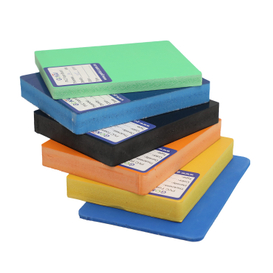
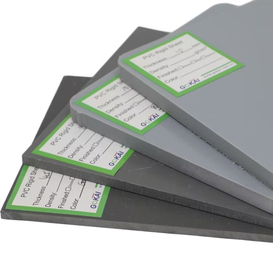
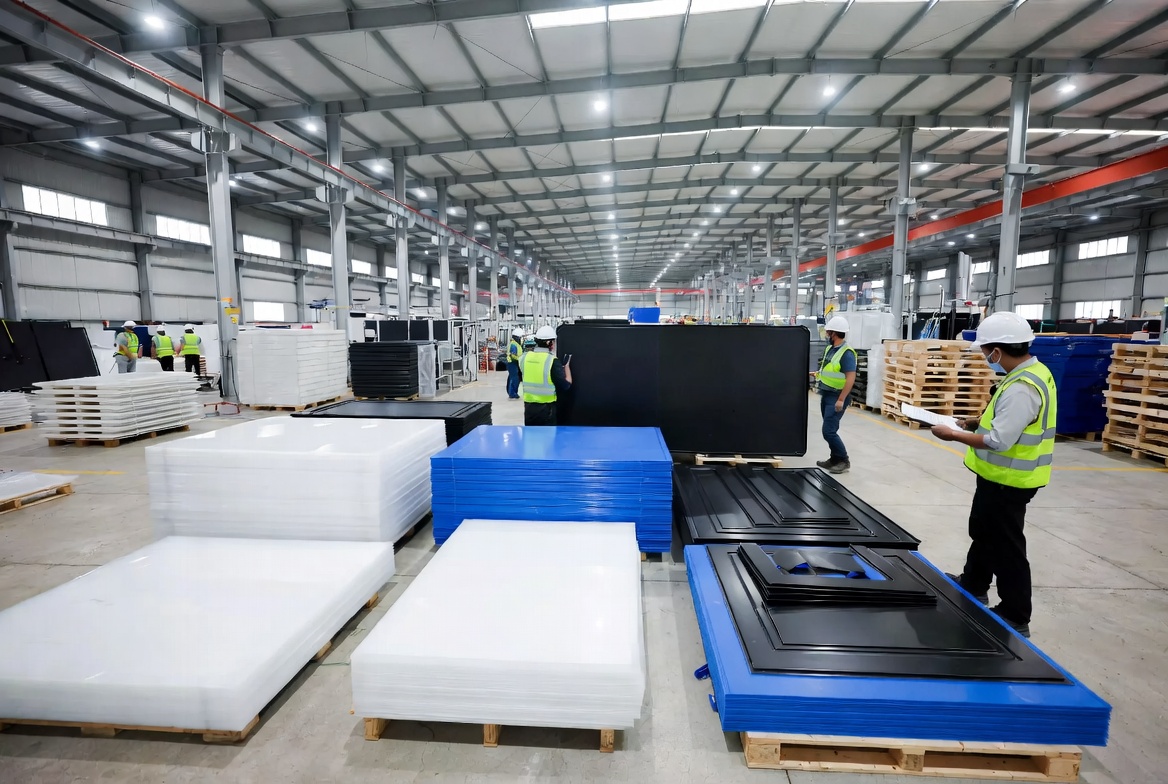
For global buyers, supplier capability matters as much as polymer knowledge. Gokai focuses on PP plastic sheet and board supply for international customers and can support OEM requirements for dimensions, formats, and application-specific customization. That makes it easier for buyers to align product specifications with manufacturing goals, logistics needs, and downstream handling.
A supplier with OEM flexibility can help customers reduce material waste, standardize packaging formats, and better match product design to real-world usage. In a B2B context, that is not just convenient; it is a quality and efficiency advantage.
Even the best-designed PP product will recycle poorly if users handle it incorrectly. End users can improve outcomes with a few simple habits.
- Empty containers completely before disposal.
- Rinse PP items when residue is likely to affect sorting.
- Remove labels or attachments when local rules request it.
- Keep PP separate from mixed waste when possible.
- Follow local recycling rules rather than assuming every PP item is accepted.
For industrial customers, a brief disposal instruction sheet can significantly improve recovery rates and reduce contamination.
Recycled PP is commonly used in products that do not require virgin-grade clarity or the highest cosmetic finish. Typical applications include storage products, bins, automotive parts, textiles, pallets, industrial containers, and some building-related components.
The exact output depends on input quality. Cleaner and more consistent feedstock usually opens the door to more valuable applications, while lower-grade streams may be limited to durable, less appearance-sensitive uses.
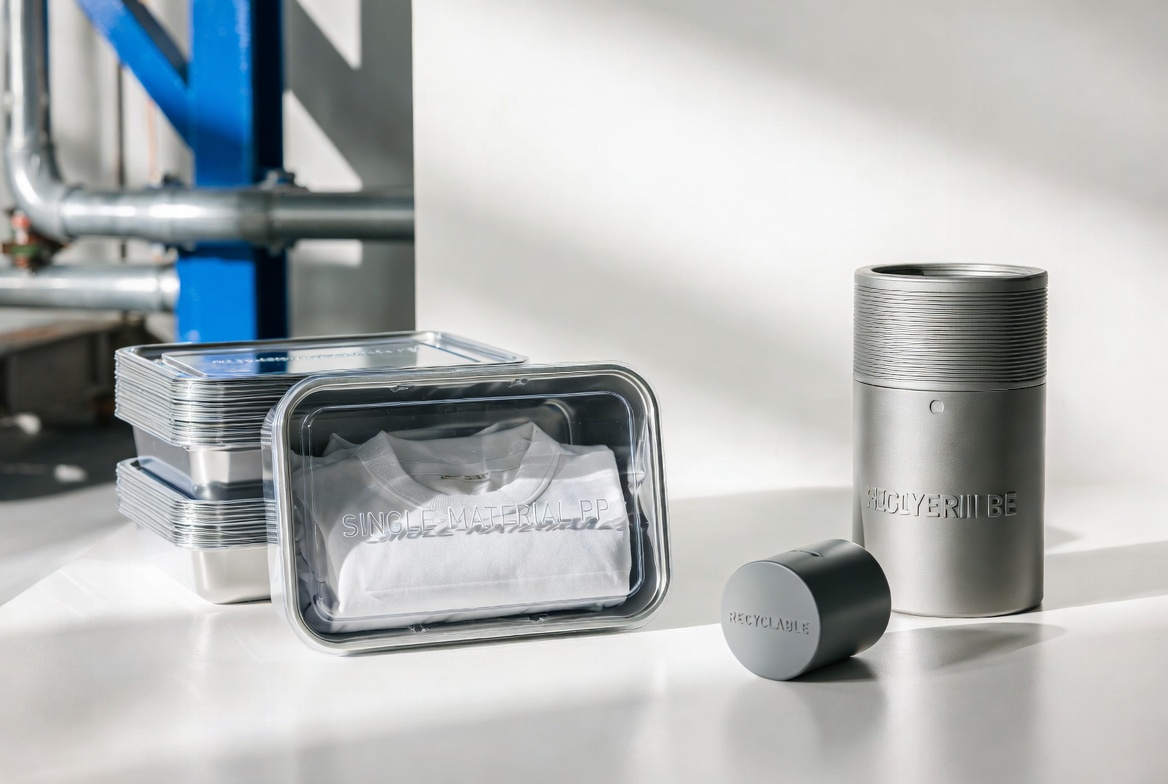
PP plastic recycling works best when product design, user behavior, and collection systems are aligned. For manufacturers and OEM buyers, the smartest strategy is not to think about recycling at the end of the product's life, but to design for it from the beginning.
If your business sources PP sheets, panels, or custom OEM materials, choose a supplier that can support both performance and end-of-life practicality. That creates a stronger product story, better material efficiency, and a more dependable supply chain.
Yes. PP is recyclable because it is a thermoplastic that can be melted and reprocessed, although actual recycling success depends on collection, sorting, and contamination control.
PP is often rejected when it is dirty, mixed with other plastics, attached to non-PP layers, or designed in a way that makes sorting too difficult.
Many can, but they usually need to be emptied and cleaned first. Local collection rules still decide whether a specific container is accepted.
Use single-material designs, reduce contamination, make labels easier to remove, and give users clear disposal guidance.
Recycled PP can be used for bins, containers, packaging items, automotive parts, textiles, and other durable products.
Yes. Light and clear materials are often easier to sort and reuse, while dark or mixed colors can limit some recycling pathways.
- Acme Plastics. [How to Properly Handle PP Plastic Recycling] [acmeplastics]
- Lincon Polymers. [Recycling Polypropylene for Businesses - Complete Guide] [linconpolymers]
- Made-in-China Insights. [How Do I Recycle PP and PE Plastics Effectively to Meet User Needs] [insights.made-in-china]
- Energycle. [Rigid Plastic Recycling Trends 2026: Industrial Buyer's Guide] [energycle]
- Shanghai Gokai Industry Co., Ltd. [Company Profile] [gokai.goldsupplier]
- Sustainable Packaging Coalition. [2026 Sustainable Packaging Trends Report] [sustainablepackaging]
- Gokai News. [Company information] [gokai.com]