Shanghai Gokai Industry Co,.Ltd.
Call Us: +86-18918606548
Call Us: +86-18918606548
- Product Name
- Product Keyword
- Product Model
- Product Summary
- Product Description
- Multi Field Search
Views: 266 Author: Gokai Publish Time: 2026-09-05 Origin: Site


Content Menu
● How Cast Acrylic Is Manufactured
>> Why Manufacturing Method Matters
● Cast Acrylic vs. Extruded Acrylic Sheet
>> When Should You Choose Cast Acrylic?
>> When Is Extruded Acrylic a Better Fit?
● Key Properties of Cast Acrylic
>> High Optical Clarity and Light Transmission
>> Lightweight Alternative to Glass
>> Fabrication and Finishing Flexibility
>> Chemical Resistance Requires Careful Review
● Where Cast Acrylic Sheet Is Used
>> Retail Displays and Point-of-Purchase Fixtures
>> Signage, LED Lighting, and Visual Branding
>> Architecture and Interior Design
>> Industrial Equipment and Machine Protection
>> Medical, Laboratory, and Clean Environments
>> Aquarium, Marine, and Water Features
● How to Specify Cast Acrylic for an OEM Order
● Common Mistakes When Buying Acrylic Sheet
>> Selecting Only by Lowest Price
>> Treating Acrylic as a Universal Safety Material
● Why Partner With Gokai for OEM Acrylic Sheet Supply?
● Request a Cast Acrylic Sheet Sample From Gokai
>> 1. Is cast acrylic better than extruded acrylic?
>> 2. Can cast acrylic sheet be laser cut?
>> 3. Does cast acrylic yellow outdoors?
>> 4. Is cast acrylic sheet stronger than glass?
>> 5. Can cast acrylic be used for food or medical applications?
>> 6. What thickness of cast acrylic sheet should I choose?
>> 7. How should acrylic sheet be cleaned?
Cast acrylic sheet is a premium PMMA material valued for high optical clarity, weather resistance, fabrication flexibility, and long-term visual performance. For sign makers, display manufacturers, architects, fabricators, and OEM buyers, choosing between cast and extruded acrylic is not simply a price decision—it directly affects machining quality, appearance, dimensional stability, chemical performance, and finished-product reliability.
At Gokai, we supply acrylic sheets and related board materials for global B2B customers, including customized OEM requirements for thickness, color, surface finish, protective film, cut-to-size formats, and application-specific packaging. This guide explains what cast acrylic is, where it performs best, how it compares with extruded acrylic, and how procurement teams can specify the right material before placing a bulk order.

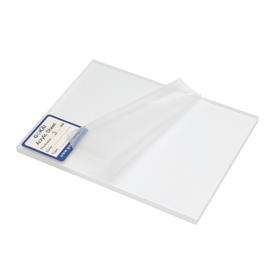
Cast acrylic sheet, also called cell cast acrylic, is a rigid thermoplastic sheet made from polymethyl methacrylate (PMMA). It is produced by pouring liquid acrylic raw material into a mold, typically between carefully spaced glass plates, before polymerization and controlled curing.
Unlike extrusion, which continuously pushes molten material through a die, the casting process allows the material to cure in a more controlled sheet-forming environment. This gives cast acrylic several practical benefits, particularly for custom fabrication and premium visual applications.
Cast acrylic is widely specified when a project requires:
- Excellent transparency and optical clarity
- High-quality laser engraving or laser cutting
- Strong weather and UV resistance
- Good chemical resistance for suitable environments
- Reliable machining, routing, drilling, and polishing
- Thicker sheet options or customized formats
- A premium appearance for displays, retail fixtures, and architectural elements
Clear PMMA can transmit approximately 92% of visible light, which is comparable to or higher than many standard glass products. Its transparency, glossy surface, and lower weight make it a widely used alternative to glass in commercial, industrial, and decorative applications.
However, "acrylic" is not one single product category. Buyers should understand the difference between cast acrylic sheet and extruded acrylic sheet before selecting a material for manufacturing, signage, retail display, glazing, or CNC processing.
The cast acrylic manufacturing process begins with liquid methyl methacrylate-based material. The liquid is placed between molds or glass plates separated by gaskets that establish the target sheet thickness. Heat initiates polymerization, converting the liquid monomer mixture into solid PMMA.
After curing, the material is cooled, released from the mold, inspected, and finished with protective masking. Depending on the supplier and product specification, additional steps may include trimming, polishing, color matching, coating, or cutting sheets to export-ready dimensions.
The manufacturing method affects how the sheet behaves during fabrication. In practical workshop terms, cast acrylic usually offers stronger performance where appearance and machining precision matter.
For example, fabricators often choose cast acrylic for:
- Laser-engraved logos and illuminated signage
- CNC-routed display components
- Premium point-of-purchase stands
- Museum cases and clear protective covers
- Custom aquariums and water-feature panels
- Thick transparent blocks and decorative installations
- Chemical-resistant laboratory components, subject to chemical compatibility testing
Because every supplier's resin formulation, thickness range, tolerances, additives, and process control can differ, buyers should request technical documentation and test samples for critical projects.
Both cast and extruded acrylic are PMMA materials. Both can be transparent, colored, opaque, fluorescent, frosted, mirrored, or textured. Yet they are made differently and therefore serve different priorities.

| Property | Cast Acrylic Sheet | Extruded Acrylic Sheet |
|---|---|---|
| Manufacturing method | Liquid PMMA cured in molds | Molten material pushed through an extrusion die |
| Optical appearance | Often preferred for premium visual applications | Good clarity, with performance varying by grade |
| Thickness availability | Suitable for a broad range, including thicker sheets | Often favored for thinner, standardized production |
| Thickness tolerance | Can vary more than extruded material | Often tighter and more consistent |
| CNC machining | Excellent for routing, milling, drilling, and polishing | Can be machined, but behavior may differ by grade |
| Laser engraving | Often produces a cleaner, frosted engraved finish | Engraving can appear less white or less consistent |
| Thermoforming | Possible, but requires controlled heating | Often selected for repeatable high-volume thermoforming |
| Chemical resistance | Frequently preferred for improved chemical performance | Depends on resin grade and exposure conditions |
| Cost position | Usually higher | Often more economical for standard-volume production |
| OEM suitability | Strong for specialty colors, thicknesses, and premium fabrication | Strong for standardized, cost-focused applications |
Choose cast acrylic when your priority is visual quality, customized fabrication, thick sheets, engraving performance, or premium durability.
Typical examples include:
- Branded retail displays with polished edges
- LED edge-lit acrylic signage
- Clear machine guards where high visibility is needed
- Custom furniture panels and decorative wall features
- High-end acrylic boxes, trays, and product displays
- Aquarium panels and observation windows
- CNC-machined PMMA components
- Laser-cut letters and engraved nameplates
Extruded acrylic can be a practical option when the project requires consistent thickness, efficient thermoforming, standardized dimensions, or a lower unit cost. It is commonly considered for mass-produced plastic parts, protective glazing, framing, and cost-sensitive fabrication projects.
The correct decision depends on the finished product—not on a universal claim that one material is always "better."
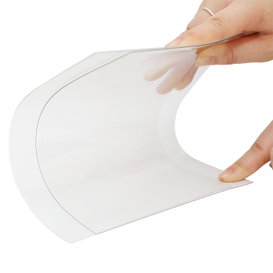
Clear cast acrylic provides a bright, glass-like appearance. PMMA is known for visible-light transmission of up to approximately 92%, making it suitable for transparent displays, illuminated signs, glazing, protective covers, and optical presentation applications.
This optical quality is especially valuable when the material is part of the customer-facing experience. In a retail display, for example, a hazy or distorted panel can reduce the perceived quality of the products behind it. A high-quality acrylic sheet helps maintain a clean, premium visual effect.
Acrylic is significantly lighter than glass, which can reduce shipping weight, handling difficulty, installation labor, and support-structure requirements. This matters for large-format signage, suspended displays, exhibition fixtures, and architectural interior applications.
Lower weight does not mean that acrylic is suitable for every safety-glazing application. Designers must still evaluate panel thickness, support spacing, wind load, impact requirement, applicable codes, and installation method.
PMMA is recognized for natural weathering performance and UV stability compared with many transparent plastics. This is one reason acrylic is frequently used in outdoor signs, canopy components, architectural features, and illuminated branding elements.
For outdoor projects, buyers should still confirm:
- The exact acrylic grade
- UV-stabilized or weather-resistant formulation
- Colorfastness requirements
- Local climate conditions
- Installation stress and thermal expansion allowance
- Warranty requirements
- Cleaning and maintenance procedures
Acrylic can expand and contract with temperature changes. A properly designed installation should leave sufficient clearance around holes, edges, frames, and fasteners.
One of the strongest reasons to choose cast acrylic is its fabrication potential. It can be cut, drilled, routed, engraved, polished, bent, bonded, and thermoformed using appropriate tools, temperatures, and operating parameters.
Common processing methods include:
- CNC routing and milling
- Laser cutting
- Laser engraving
- Table-saw cutting
- Drilling with appropriate drill geometry
- Flame polishing or mechanical edge polishing
- Solvent bonding and adhesive bonding
- Heat bending and thermoforming
- UV printing, screen printing, and film lamination
For premium display products, polished edges can help acrylic capture and transmit light. This creates a high-end visual effect in edge-lit signs, countertop displays, decorative furniture, and illuminated retail fixtures.
Cast acrylic can resist many mild chemicals and diluted solutions. However, acrylic is not universally chemical-proof. Certain solvents, alcohols, chlorinated compounds, ketones, aromatic hydrocarbons, strong cleaners, and aggressive adhesives may cause crazing, cracking, whitening, surface damage, or loss of gloss.
Chemical compatibility depends on the exact product, exposure time, concentration, temperature, stress level, and cleaning method. ACRYLITE's chemical-resistance guidance, for example, categorizes material response based on whether exposure creates objectionable surface alteration.
For laboratory, healthcare, food-service, or industrial environments, always test the actual cleaning agent and operating conditions before full-scale production.

Cast acrylic is a preferred material for premium displays because it is clear, glossy, lightweight, easy to machine, and compatible with custom branding. Typical products include countertop stands, cosmetic displays, menu holders, product risers, display cubes, jewelry cases, and branded shelving components.
For OEM display manufacturers, consistent color, protective masking, cut accuracy, and export packaging are just as important as the base sheet itself.
Clear, opal, colored, frosted, and light-diffusing acrylic sheets are widely used for:
- Channel letters
- Light boxes
- LED edge-lit signs
- Directional signage
- Retail logo panels
- Engraved plaques
- Exhibition graphics
- Backlit branding features
Cast acrylic is particularly useful when a fabricator needs sharp laser-cut edges or a bright engraved effect for illuminated graphics.
Architects and interior designers use acrylic in decorative partitions, wall panels, glazing features, protective screens, furniture elements, balustrade infill, ceiling details, and backlit installations.
Its value comes from combining transparency with design freedom. Acrylic can be clear, colored, frosted, patterned, mirrored, translucent, or custom-cut into geometric forms.
In manufacturing facilities, acrylic may be used for transparent equipment covers, viewing windows, enclosures, guards, control-panel covers, and inspection shields. These uses require careful engineering around impact level, chemical exposure, operating temperature, mounting stress, and safety standards.
For high-impact or safety-critical glazing, polycarbonate or a multi-layer engineered solution may be more appropriate than standard acrylic. PMMA is rigid and highly transparent, but it can crack or craze under severe impact conditions.
Acrylic is used for equipment housings, sample holders, protective barriers, clear containers, laboratory fixtures, and some medical-device components. The material can support clean, transparent, easy-to-fabricate designs, but compatibility with disinfectants, sterilization methods, and regulatory requirements must be validated for each use case.
Large aquariums and water displays often use acrylic because it offers good clarity, relatively low weight, and design flexibility. Thick acrylic panels can be formed and joined for curved viewing areas, tunnels, and custom water features.
These are specialized structural applications. Panel thickness, load calculations, bonding quality, support design, water pressure, and installation conditions require professional engineering.
Global buyers can avoid many quality and delivery problems by sending a structured material specification instead of asking only for "clear acrylic sheet price."
Use the following OEM acrylic sheet purchasing checklist.
1. Confirm the application.
State whether the sheet will be used for signage, laser cutting, displays, thermoforming, glazing, CNC parts, printing, or outdoor installation.
2. Specify material type.
Clearly request cast acrylic sheet, extruded acrylic sheet, or an approved alternative. Do not assume "acrylic" automatically means cast material.
3. Define dimensions and tolerances.
Include thickness, width, length, cut-to-size requirement, tolerance expectations, and whether squareness or edge quality is critical.
4. Choose appearance requirements.
Specify clear, opal, black, white, colored, fluorescent, frosted, matte, gloss, mirror, textured, or light-diffusing surfaces.
5. State processing requirements.
Tell the supplier if you will laser cut, engrave, thermoform, bend, print, bond, polish, or CNC machine the sheet.
6. Confirm protective film and masking.
Paper masking and PE protective film behave differently during laser processing, printing, storage, and removal. The wrong film can leave residue or complicate fabrication.
7. Request technical samples.
For a critical product launch, test color consistency, thickness, engraving quality, bonding behavior, surface protection, and packaging before placing a container-scale order.
8. Define packaging and export requirements.
Include pallet type, carton protection, corner guards, moisture protection, labeling, container loading method, and destination market requirements.

Low price can hide inconsistent thickness, poor surface quality, weak masking adhesion, visible flow lines, color variation, poor flatness, or inadequate export packaging. A lower sheet price can become expensive if it creates high scrap rates during laser cutting or CNC production.
Avoid assuming all commercial cleaners are safe for acrylic. Some solvents and alcohol-containing products can damage stressed or uncoated PMMA surfaces. Use a soft microfiber cloth, clean water, mild soap where appropriate, and a cleaner confirmed as compatible by the material supplier.
Acrylic needs room to expand and contract. Holes should be oversized where design rules allow, fasteners should not be overtightened, and panels should not be forced into rigid frames without expansion clearance.
Standard acrylic is not automatically suitable for bullet-resistant, fire-rated, high-temperature, or high-impact applications. These projects require verified materials, engineered designs, relevant testing, and compliance with local regulations.
For international buyers, the right acrylic sheet supplier should support more than basic inventory. A reliable partner helps match material selection to manufacturing requirements, quality expectations, shipping conditions, and end-use performance.
Gokai can support OEM-focused acrylic sheet programs with options such as:
- Cast acrylic sheet and related board materials
- Customized thicknesses, sizes, colors, and surface finishes
- Clear, opaque, translucent, frosted, and specialty acrylic options
- Protective film or paper masking choices
- Cut-to-size and application-oriented specifications
- Export packaging designed for international shipment
- Support for distributors, signage factories, display manufacturers, and project buyers
- OEM communication for private-label, customized, and volume procurement needs
The best acrylic solution is not necessarily the most expensive sheet. It is the sheet that performs consistently in your own manufacturing process and supports the appearance, durability, safety, and cost targets of the final product.
If you are sourcing cast acrylic sheet for signage, displays, CNC machining, laser cutting, architectural interiors, or OEM fabrication, contact Gokai with your target thickness, dimensions, color, processing method, and destination market.
We can help you evaluate the suitable acrylic sheet option before you commit to a larger production order. For projects with strict visual or fabrication requirements, begin with samples and production testing to reduce risk, control quality, and improve final-product consistency.
Cast acrylic is often better for premium machining, laser engraving, optical appearance, thicker-sheet requirements, and custom fabrication. Extruded acrylic can be more suitable for standardized production, tighter thickness tolerance, thermoforming, and cost-focused applications. The best option depends on your final use.
Yes. Cast acrylic is commonly used for laser cutting and engraving. It often produces clean edges and a bright frosted engraving effect, making it popular for signage, display products, nameplates, and decorative components. Test samples are recommended because laser settings vary by thickness, color, masking, and equipment.
Quality PMMA has strong natural UV and weather resistance and is commonly used in outdoor signage and architectural applications. However, actual outdoor life depends on resin formulation, color, climate, installation stress, pollution exposure, cleaning practice, and whether the product includes special coatings or additives.
Acrylic is generally more impact resistant and much lighter than ordinary glass, while maintaining high clarity. PMMA is often described as having approximately 92% light transmission and improved impact resistance compared with glass. However, acrylic can still crack under severe impact, so it should not be treated as a direct substitute for engineered safety glazing without proper design verification.
Potentially, but only after confirming the exact material grade, relevant compliance requirements, cleaning chemicals, sterilization process, temperature exposure, and local regulations. Do not rely on a general acrylic description for regulated applications.
Thickness depends on panel size, support method, load, impact requirement, bending or fabrication process, optical requirement, and intended environment. Small display parts may use thin sheets, while structural glazing, machine windows, or aquarium panels require project-specific engineering calculations.
Use a soft microfiber cloth and clean water or a mild, compatible cleaner. Avoid abrasive pads, dry wiping, and unverified solvent-based cleaners. Some chemicals can create surface damage, crazing, discoloration, or changes in gloss.
1. Laird Plastics. " Accessed September 2026. Background source reviewed for the original article's core themes, including the cast-acrylic manufacturing process, application categories, and supplier-oriented comparison framework. (https://lairdplastics.com/resources/what-is-cast-acrylic-industries-and-applications-/)
2. InfinitiaLab. Discusses PMMA's approximately 92% visible-light transmission, weather resistance, moisture performance, and its role as a lightweight alternative to glass. [infinitalab](https://infinitalab.com/blog/acrylic-pmma-material-properties-testing/)
3. Erie Industrial Plastics. Provides reference material properties, including ASTM test references, 92% light transmittance, weathering information, and comparative notes on cast acrylic. [erieindustrialplastics](https://erieindustrialplastics.com/acrylic-plexiglass/)
4. ACRYLITE®. Used to support the guidance that chemical compatibility must be assessed based on actual surface response rather than assumed universally. [acrylite](https://www.acrylite.co/resources/knowledge-base/article/what-chemicals-is-acrylite-acrylic-sheet-resistant-to?category=test-data-results)
5. Plaskolite. Used for comparative context regarding PMMA optical clarity, natural weathering resistance, and impact behavior relative to polycarbonate. [plaskolite](https://plaskolite.com/blog/detail/a-compare-and-contrast-of-acrylic-vs.-polycarbonate-in-ballistics-grade-materials)
6. Plastic Service Company. Provides additional context on comparative light transmission, service-temperature considerations, coatings, and impact-performance variability between acrylic and polycarbonate. [plasticservicecompany](https://plasticservicecompany.com/en/articles/choosing-the-right-base-material-acrylic-vs-polycarbonate/)