Shanghai Gokai Industry Co,.Ltd.
Call Us: +86-18918606548
Call Us: +86-18918606548
- Product Name
- Product Keyword
- Product Model
- Product Summary
- Product Description
- Multi Field Search
Views: 293 Author: Gokai Publish Time: 2026-08-03 Origin: Site


Content Menu
● Why China Leads Polystyrene Sheet Production
● How We Evaluate Supplier Quality
● The List: Leading Polystyrene Sheet Manufacturers
>> 1. Shanghai Gokai Industry Co., Ltd.
>> 2. Polyreflex Hi-Tech Co., Ltd.
>> 3. Tangyin Xinxing Plastics Engineering Co., Ltd.
>> 4. Tangyin Green Plastics Co., Ltd.
>> 5–10. Additional Established Producers
● Comparing Capacity, MOQ, and Certification
● An Insider Note Rarely Discussed Publicly
● Buyer's Guide: Verifying and Ordering Safely
● Moving Forward with a Supplier Decision
China remains the world's largest production base for polystyrene sheet, supported by integrated resin supply chains, dense industrial clusters, and export infrastructure that few other countries can match. For procurement managers hunting for a stable, quality-consistent supply partner, this guide breaks down the ten manufacturers worth shortlisting in 2026, based on verifiable production data rather than marketing claims.

China's dominance in plastics manufacturing is not accidental — it stems from decades of resin-processing infrastructure investment. In 2023, China exported roughly $159 billion in plastics and rubber products, making it the largest exporter of this category globally, with the United States, Vietnam, and Japan among its top destinations. Regional clusters reinforce this advantage: Guangdong's Foshan region concentrates furniture and decorative-panel extrusion lines, while Jiangsu and Zhejiang host large-scale sheet and foam-board processors with strong export logistics access. The polystyrene market itself is projected to grow from 17.40 million tons in 2025 to 18.19 million tons in 2026, with a compound annual growth rate of 4.55 percent through 2031, reflecting steady global demand for both general-purpose and high-impact grades.
Before ranking any factory, it helps to understand the criteria that separate a dependable OEM partner from a risky one. Buyers should weigh the following dimensions when comparing suppliers:
- Factory certification — valid ISO 9001, plus material-specific compliance such as RoHS or CE where the end application requires it
- R&D and engineering depth — in-house technical staff capable of adjusting formulations, thickness tolerances, and impact grades for custom OEM projects
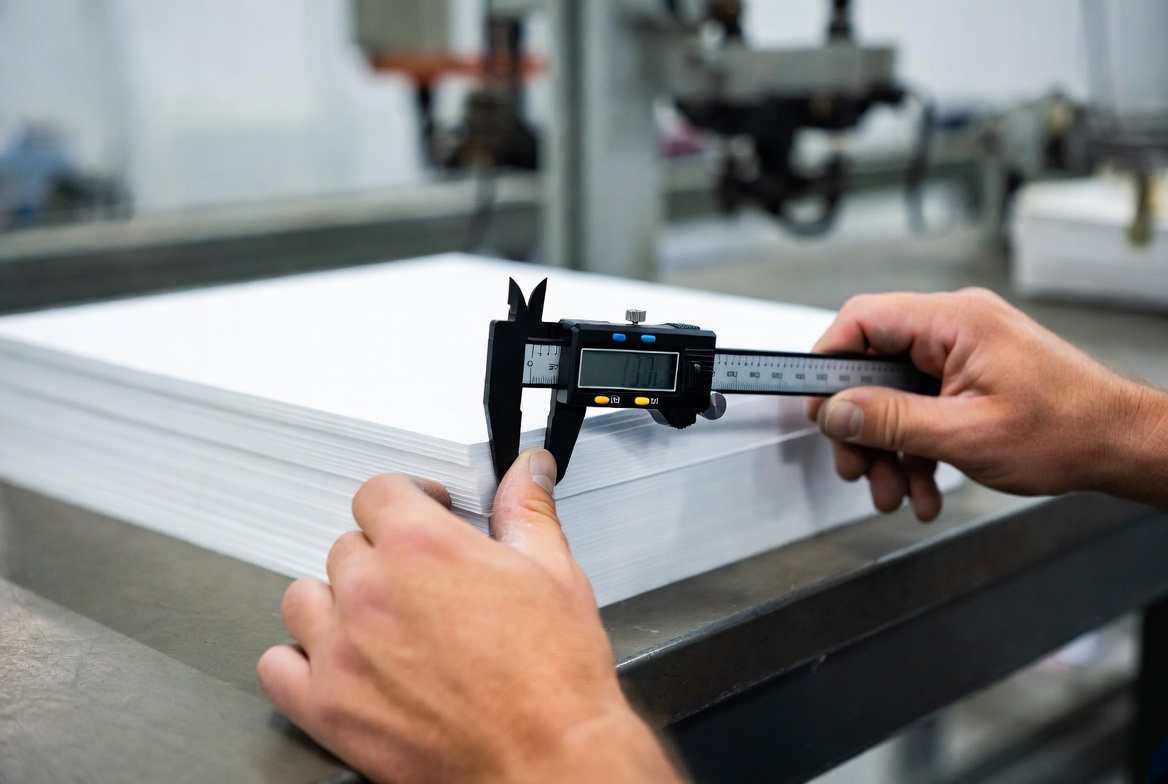
- Quality control process — incoming raw material testing, in-line thickness monitoring, and outgoing inspection protocols
- Delivery stability — consistent lead times across order cycles, not just a single fast quote
- Production scale versus flexibility — larger factories suit bulk buyers, while mid-sized factories often serve smaller brands with more attentive service
Polystyrene sheet is typically supplied in two main grades: general-purpose polystyrene (GPPS), valued for clarity and rigidity, and high-impact polystyrene (HIPS), used where impact resistance matters more than transparency. Extrusion consistency, sheet gauge tolerance, and surface finish (glossy, matte, or textured) are the technical variables that separate reputable factories from commodity traders repackaging third-party material. Buyers sourcing for food-contact, electronics, or medical packaging applications should also confirm relevant compliance documentation, since these end uses often require additional material traceability beyond a basic mill certificate.
Founded in 2009 and headquartered in Shanghai with a secondary production facility in Shaoxing, Gokai operates ten production lines and employs roughly 200 staff, including more than 20 technical engineers, over 80 percent of whom hold bachelor's degrees. The company built its reputation on PVC foam board and acrylic sheet manufacturing before extending its extrusion capability into polystyrene and related rigid sheet lines, using the same raw-material-controlled process it applies across its product range. What distinguishes Gokai in the polystyrene segment is not sheer volume but responsiveness: it accepts flexible OEM and ODM orders on custom sizes, thickness, and color, and typically completes a 20-foot container order in about ten days. This makes it a practical fit for small and mid-sized brands that need a communicative, engineering-capable partner rather than a high-minimum mega-factory — the company reports 100 percent virgin raw material use and standardized export packaging as part of its quality baseline.
A recognized name in China's broader plastic sheet sector, Polyreflex appears consistently in 2026 industry rankings for its diversified sheet product lines and export volume.
Part of the Tangyin industrial cluster known for plastics engineering, this manufacturer focuses on mid-to-large volume sheet extrusion for industrial and packaging clients.
Operating within the same regional cluster, this factory emphasizes sustainable material sourcing alongside standard polystyrene and related sheet production.
The remaining tier includes several Jiangsu- and Guangdong-based extrusion factories with monthly outputs in the thousands of tons range and dedicated export departments handling container-load and less-than-container shipments alike. These factories typically operate MOQs starting around 5 tons per order, with monthly production capacity spanning 3,000 to 5,000 tons at larger sites.
| Factory Profile | Typical Monthly Capacity | Typical MOQ | Certification Focus | Best Suited For |
|---|---|---|---|---|
| Shanghai Gokai Industry Co., Ltd. | Mid-scale, 10 production lines | Flexible, negotiable for trial orders | Export-grade QC, virgin material sourcing | Small-to-mid brands needing custom OEM |
| Large cluster-based factories (Jiangsu/Guangdong) | 3,000–5,000 tons | ~5 tons | ISO 9001, industry-specific standards | High-volume, repeat bulk buyers |
| Regional mid-tier processors | Varies by product line | Moderate, often 1–3 tons | Varies; verify per order | Mixed-volume buyers testing new suppliers |
A frequent problem in this category is material substitution — some traders blend or dilute virgin polystyrene resin with regrind or off-spec material to cut costs, which shows up later as brittleness, warping, or inconsistent thickness. Buyers should request a raw material declaration and, where possible, a batch-specific certificate of analysis rather than accepting a generic mill certificate. Another overlooked risk is verifying that a factory's listed certifications are current, since some suppliers continue displaying expired ISO or CE documents on their websites long after renewal deadlines pass.
One detail seasoned buyers know but rarely see written online: many "manufacturers" listed on B2B platforms are actually trading companies that subcontract production to two or three shared factories in the same industrial park. This isn't inherently a problem, but it means asking directly "which factory physically produces this order" — and requesting the factory's business license address — can reveal whether you are dealing with a true OEM producer or a reseller adding a margin layer without adding quality control.
Before committing to a purchase order, work through a structured verification process rather than relying on the supplier's self-reported credentials.
- Cross-check business licenses and registration details against government databases rather than trusting website claims alone
- Request current ISO 9001 or relevant certificates and verify issue and expiry dates directly with the issuing certification body
- Order paid samples before committing to a production run, and test them under your actual end-use conditions
- Schedule a virtual or in-person factory audit covering production lines, raw material storage, and QC labs
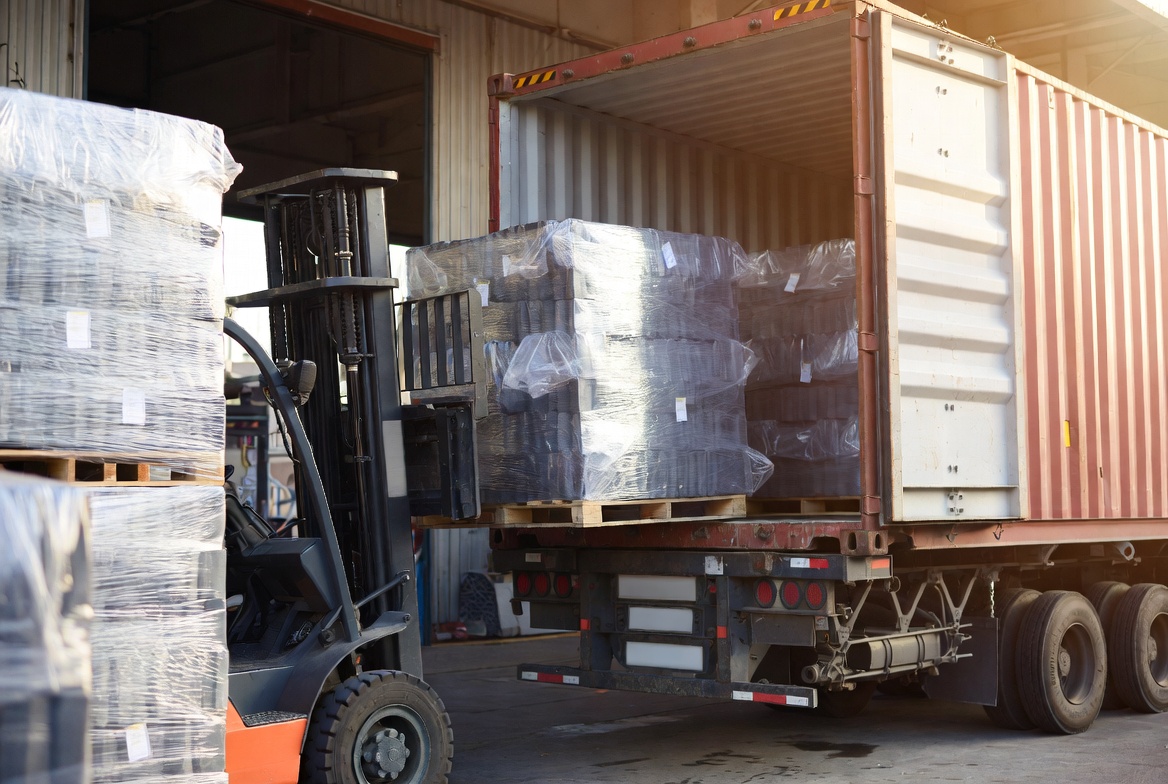
- Confirm Incoterms, packaging specifications, and container loading plans in writing before the shipment is booked
Selecting a polystyrene sheet manufacturer comes down to matching your order volume and customization needs to a factory's actual production profile — not the most polished website. Buyers planning smaller, OEM-driven runs may find factories like Shanghai Gokai Industry Co., Ltd. easier to work with directly, given its engineering support and flexible order handling, while high-volume buyers may prioritize the larger cluster-based producers. Whichever direction fits your sourcing plan, request samples, verify certifications independently, and confirm production location before placing a deposit.
How can I verify a Chinese factory's ISO certification hasn't expired?
Request the certificate number and issuing body name, then contact that certification body directly or check its online registry rather than relying on a PDF the supplier provides.
What's a reasonable MOQ for a first-time polystyrene sheet order?
Many factories accept trial orders around 5 tons, though some flexible OEM producers will negotiate smaller quantities for new buyers testing product fit.
How do I know if a supplier is the actual manufacturer or a trading intermediary?
Ask for the factory's business license address and compare it to the production site you'd be auditing; a mismatch is a strong signal you're dealing with a broker.
What documentation should accompany polystyrene sheet shipments for regulated markets?
Depending on the end application, request RoHS or CE declarations, a material composition sheet, and a batch-level certificate of analysis, not just a generic mill certificate.
How reliable are quoted lead times from Chinese sheet manufacturers?
Lead times of 10–15 days for standard container loads are common among established exporters, but always request written confirmation tied to your specific order volume rather than a general quote.
1. China Plastics Processing Industry Association: http://www.cppia.com.cn/
2. China Synthetic Resin Supply and Sale Association: http://www.csra.org.cn/
3. Plastics Industry Association, Global Trends 2025 Report: https://www.plasticsindustry.org/data-report/global-trends-2025/