Shanghai Gokai Industry Co,.Ltd.
Call Us: +86-18918606548
Call Us: +86-18918606548
- Product Name
- Product Keyword
- Product Model
- Product Summary
- Product Description
- Multi Field Search
Views: 222 Author: Gokai Publish Time: 2026-05-17 Origin: Site


Choosing the right acrylic plastic sheet type can make or break a project, especially if you are designing signage, displays, glazing, or custom components for demanding environments. As an OEM-focused acrylic sheet supplier, Gokai has seen first-hand how the correct material choice reduces failures, improves visual impact, and lowers lifecycle costs for customers worldwide. [jinbaoplastic]

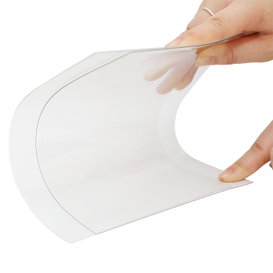
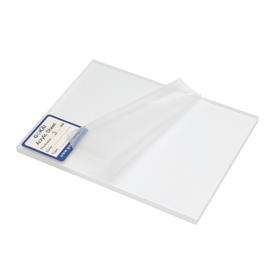
Acrylic sheet (also known as PMMA, plexiglass or acrylic glass) is a lightweight, transparent thermoplastic that offers optical clarity similar to glass but with significantly higher impact resistance and easier fabrication. Because it can be cast, extruded, mirrored, tinted, textured, and modified for impact or UV resistance, acrylic has become a go‑to material across advertising, architecture, marine, retail, and industrial applications. [jinbaoplastic]
Ideal situations to choose acrylic sheet:
- When you need high clarity and a premium visual finish
- When you want up to 10–17 times the impact resistance of glass, depending on grade and design [cn.zunhaiacrylic]
- When you require precise cutting, routing, bending, or bonding for OEM parts [jinbaoplastic]
- When weight reduction versus glass or metal is a priority (e.g., large-format signs, glazing, or vehicle components) [acplasticsinc]
In day-to-day projects, most buyers work with a specific group of acrylic sheet options, each engineered for different performance and cost requirements. Below is a practical overview to help you narrow down the right choice before you talk to your supplier or OEM partner. [jinbaoplastic]
Cast acrylic sheet is produced by pouring liquid MMA monomer into molds, then curing it into solid sheets. This slower, controlled process produces a denser structure with very good optical clarity, high surface hardness, and excellent weather resistance. [cn.zunhaiacrylic]
Key advantages of cast acrylic sheet:
- Superior optical clarity and low internal stress—ideal for high-end displays and glazing [acplasticsinc]
- Better chemical and heat resistance than standard extruded grades [jinbaoplastic]
- Stable thickness and rigidity, especially in thicker gauges [jinbaoplastic]
- Available in clear, colored, frosted, textured, and specialty finishes [jinbaoplastic]
Typical applications:
- Museum and retail display cases
- Architectural glazing and partitions
- Premium light boxes and signage
- Bathware, spa tubs, and sanitary components [gokaiplastic]
For projects where visual quality and durability are more important than lowest cost per sheet, cast acrylic is usually the first recommendation from experienced buyers and fabricators. [jinbaoplastic]
Continuous cast acrylic uses a semi‑continuous process that combines aspects of casting and extrusion, delivering sheet with exceptional clarity and highly uniform thickness across large dimensions. [jinbaoplastic]
Why engineers and OEM teams choose continuous cast:
- Very consistent thickness tolerance, important for automated assembly and CNC machining [jinbaoplastic]
- High optical quality, suitable for light guides and edge‑lit panels [jinbaoplastic]
- Competitive cost for medium‑to‑large volumes compared to fully batch-cast production [jinbaoplastic]
Continuous cast acrylic is often selected for lighting diffusers, LED panels, and large-format signage, where both optical performance and thickness uniformity directly affect final product quality. [jinbaoplastic]
Extruded acrylic sheet is manufactured by pushing molten acrylic through a die to form continuous sheets. It is one of the most common and economical acrylic plastic sheet types on the market. [jinbaoplastic]
Key characteristics of extruded acrylic:
- 3× stronger than standard window glass while weighing about half as much [jinbaoplastic]
- Lower cost than cast acrylic, especially in high-volume, standard-size runs [acplasticsinc]
- Easy to cut, rout, and thermoform, with good thickness consistency in thinner gauges [jinbaoplastic]
- Available in clear, tinted, and various surface finishes [jinbaoplastic]
Typical applications:
- Retail displays and brochure holders
- Interior signage and point-of-purchase fixtures
- Picture framing and protective screens
- General-purpose covers and guards [acplasticsinc]
For price-sensitive projects where good clarity and easy fabrication are more critical than ultimate performance, extruded acrylic is often the most practical choice. [acplasticsinc]
Sign grade acrylic sheet is engineered specifically for outdoor signage, branding, and illuminated displays. It is significantly stronger and more weatherable than general-purpose acrylic, with tailored formulations for UV stability and impact resistance. [jinbaoplastic]
What sets sign grade acrylic apart:
- Up to 10× stronger than general-purpose acrylic, depending on the blend and thickness [jinbaoplastic]
- Excellent color consistency and light transmission for LED and fluorescent backlighting [acplasticsinc]
- Proven performance in long-term outdoor exposure—resisting yellowing, crazing, and cracking [jinbaoplastic]
Ideal uses include:
- Channel letters and corporate logos
- Retail and hospitality signage
- Outdoor light boxes and pylon signs [acplasticsinc]
If you are designing signage that must look sharp and perform reliably for years outdoors, sign grade acrylic is usually more cost-effective over the full lifecycle than using generic clear sheet. [jinbaoplastic]

Marine grade acrylic sheet is formulated for harsh marine environments, where water exposure, UV radiation, and mechanical stress can quickly destroy ordinary plastics. [jinbaoplastic]
Marine-grade performance benefits:
- Enhanced impact resistance, especially around fasteners and screw holes [jinbaoplastic]
- Excellent UV and saltwater resistance, minimizing yellowing and surface degradation [cn.zunhaiacrylic]
- Available in clear and tinted options suited to boat windshields, hatches, and instrument covers [jinbaoplastic]
Boat builders and marine OEMs rely on marine grade acrylic to maintain visibility and safety while minimizing weight and maintenance. [jinbaoplastic]
Acrylic mirror sheet offers the mirror-like reflectivity of traditional glass with far lower weight and much higher impact resistance. It is widely used wherever safety, handling, or installation conditions make glass mirrors risky or impractical. [acplasticsinc]
Key advantages of acrylic mirror:
- Lightweight and shatter-resistant, improving safety in public and high-traffic areas [jinbaoplastic]
- Easier to cut, drill, and install than glass mirror [acplasticsinc]
- Available in standard silver and decorative color mirrors for creative applications [jinbaoplastic]
Common applications:
- Schools, gyms, and dance studios
- Children's spaces and interactive exhibits
- Retail displays and visual merchandising [acplasticsinc]
Beyond standard cast and extruded sheet, manufacturers offer a range of specialty acrylic sheet types tailored to specific technical requirements. [jinbaoplastic]
Examples of specialty acrylic sheet:
- UV-grade acrylic for outdoor and museum glazing where long-term clarity is critical [jinbaoplastic]
- Anti-reflective (AR) acrylic for displays and showcases with controlled glare [acplasticsinc]
- Impact-modified acrylic for safety glazing and high-traffic areas [jinbaoplastic]
- Light guide acrylic sheet engineered for uniform LED light distribution [gokaiplastic]
When you are developing a new product line or complex OEM component, specialty acrylic types can bridge the gap between standard sheet and much more expensive engineered materials. [jinbaoplastic]
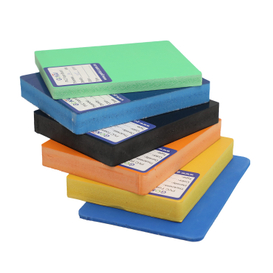
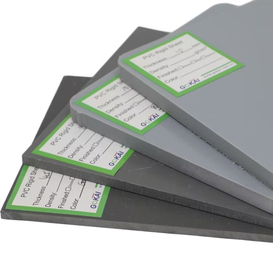
As a dedicated manufacturer and exporter of boards and sheets, Gokai specializes in acrylic sheet and PVC foam board, serving signage, advertising, printing, construction, lighting, and decorative industries worldwide. [gokaiplastic]
What Gokai offers OEM and trade customers:
- Cast acrylic sheet and extruded acrylic sheet in multiple colors, thicknesses, and sizes [gokai123.en.made-in-china]
- Acrylic mirror sheet and light guide sheet, tailored for advertising and lighting applications [gokaiplastic]
- OEM & ODM services, including custom dimensions, colors, and packaging [gokaiplastic]
- Two factories and multiple production lines, ensuring stable supply and consistent quality for global buyers [gokaiplastic]
Because Gokai works closely with trading companies, converters, and brand owners, we frequently help match material choices to real-world project constraints such as local climate, installation methods, and branding requirements. [gokai.com]
From an OEM and project management perspective, material selection should follow a structured process rather than guesswork.
Step 1 – Define your environment and lifetime
- Indoor vs. outdoor
- Expected service life (temporary campaign vs. 5–10 years)
- Exposure to UV, humidity, saltwater, or chemicals
Step 2 – Clarify optical and aesthetic requirements
- Clear vs. translucent vs. opaque
- Color accuracy and brand matching
- Need for anti-glare, high gloss, or textured surfaces
Step 3 – Assess mechanical and safety demands
- Impact resistance and risk of vandalism or accidental impact
- Load-bearing or purely decorative
- Safety requirements (e.g., children's spaces, public areas)
Step 4 – Evaluate fabrication and assembly
- CNC routing, laser cutting, bending, or bonding
- Thickness tolerances required for automated assembly
- Fastener types (screws, adhesives, clips)
Step 5 – Balance budget with performance
- Compare cast vs. extruded for your specific application
- Consider sign grade, UV grade, or impact-modified for harsh conditions
- Discuss MOQ, lead time, and logistics with your supplier
Following this process with a knowledgeable manufacturing partner typically reduces rework, complaints, and warranty issues. [jinbaoplastic]
| Acrylic Type | Key Strengths (Summary) | Typical Uses |
|---|---|---|
| Cast acrylic sheet | High clarity, good heat/chemical resistance, rigid and stable jinbaoplastic | Premium displays, glazing, baths, light boxes gokaiplastic |
| Continuous cast acrylic | Uniform thickness, excellent clarity jinbaoplastic | LED panels, large signage, light guides jinbaoplastic |
| Extruded acrylic sheet | Cost-effective, easy to fabricate, good clarity jinbaoplastic | Retail displays, framing, general covers acplasticsinc |
| Sign grade acrylic sheet | Outdoor durability, strong and color-stable jinbaoplastic | Outdoor signs, channel letters, pylons jinbaoplastic |
| Marine grade acrylic | Impact and UV resistant, suited to marine environments jinbaoplastic | Boat windows, hatches, marine panels jinbaoplastic |
| Acrylic mirror sheet | Lightweight, shatter-resistant, reflective jinbaoplastic | Gyms, schools, displays, children's areas jinbaoplastic |
| Specialty acrylic | UV, AR, impact-modified, light-guide options jinbaoplastic | Museums, display tech, safety glazing jinbaoplastic |
If you are planning a new signage program, display series, lighting project, or OEM component, choosing the right acrylic sheet type early will save you time and cost later. Gokai's team can help you match cast, extruded, sign grade, marine grade, mirror, or specialty acrylic to your exact technical and branding needs. [gokai.com]
Contact Gokai today to:
- Review drawings, samples, or specifications
- Select the most suitable acrylic plastic sheet type
- Customize sizes, colors, and packaging for OEM or private label use
- Plan stable, long-term supply for multi-country projects
You can reach us via phone, email, or instant messaging as listed on our contact page. [gokai.com]

1. Is cast acrylic always better than extruded acrylic?
Not always. Cast acrylic offers better optical and thermal performance, but extruded acrylic can be more cost-effective and easier to fabricate for standard indoor applications. [acplasticsinc]
2. Can I use general-purpose acrylic sheet for outdoor signage?
You can, but sign grade or UV-grade acrylic provides far better long-term color stability, impact resistance, and weatherability, especially under strong sunlight. [jinbaoplastic]
3. What thickness of acrylic sheet should I choose for a large wall sign?
Thickness depends on panel size, mounting method, and wind load. Many wall signs use 3–6 mm sheet, while large freestanding panels may require 8–10 mm or more after engineering review. [acplasticsinc]
4. How does acrylic compare with polycarbonate for impact resistance?
Polycarbonate generally offers higher impact resistance than acrylic but has lower scratch resistance and can yellow faster without proper UV protection. For many display and signage projects, acrylic provides a better balance of clarity, appearance, and cost. [acplasticsinc]
5. Can Gokai supply custom colors and finishes for brand-specific projects?
Yes. Gokai supports OEM and ODM projects with custom colors, sizes, and selected finishes, depending on quantity and technical requirements. [gokaiplastic]
1. Piedmont Plastics – "Most Common Acrylic Plastic Sheet Options"
<https://www.piedmontplastics.com/blog/acrylic-plastic-sheet-types> [jinbaoplastic]
2. Jinan Jinbao Plastic – "What Are the Different Types of Acrylic Sheets? A Comprehensive Guide for Businesses"
<https://www.jinbaoplastic.com/What-Are-the-Different-Types-of-Acrylic-Sheets-A-Comprehensive-Guide-for-Businesses-id45699526.htm> [jinbaoplastic]
3. Jinan Jinbao Plastic – "What are the different types of acrylic sheets available in the market?"
<https://www.jinbaoplastic.com/What-are-the-different-types-of-acrylic-sheets-available-in-the-market-id44579327.html> [jinbaoplastic]
4. A&C Plastics – "Types of Acrylic Sheets – Ultimate Guide to the Different Plexiglass Sheets"
<https://www.acplasticsinc.com/informationcenter/r/types-of-acrylic-sheets> [acplasticsinc]
5. Shanghai Gokai Industry Co., Ltd. – Official Website and Product Pages
- Main site and OEM statement: <https://www.gokaiplastic.com> [gokaiplastic]
- Acrylic sheet product overview and contact: <https://www.gokai.com.cn/amp/acrylic-sheet.html> [gokai.com]
- Why Gokai & product scope: <https://www.gokaiplastic.com/why-gokai/> [gokaiplastic]
- Clear acrylic sheet listing: <https://gokai123.en.made-in-china.com/product-group/lMHfJyiVCuks/Clear-Acrylic-Sheet-1.html> [gokai123.en.made-in-china]
6. Zunhai Acrylic – "中国亚克力板供应商 – Zunhai丙烯酸"
<https://cn.zunhaiacrylic.com/acrylic-sheet.html> [cn.zunhaiacrylic]
7. LS Digital – "E-E-A-T Guidelines 2025: How to Build Google-Friendly Content"
<https://www.lsdigital.com/blog/e-e-a-t-guidelines-2025/> [lsdigital]