Shanghai Gokai Industry Co,.Ltd.
Call Us: +86-18918606548
Call Us: +86-18918606548
- Product Name
- Product Keyword
- Product Model
- Product Summary
- Product Description
- Multi Field Search
Views: 222 Author: Gokai Publish Time: 2026-05-11 Origin: Site


As someone who has worked with acrylic sheet projects for restaurants, retailers, hospitals, and transportation fleets since the early days of the pandemic, I have watched acrylic barriers evolve from an emergency response into a long‑term safety and design solution. Today, clear acrylic shields are no longer just "COVID products" but part of how companies design safer, more professional, and more efficient spaces. For many global brands, partnering with a reliable OEM acrylic sheet supplier is now a strategic decision rather than a quick purchase. [plasticproductsmfg]
In this guide, I will walk through where acrylic barriers are used most effectively, what design details actually matter in the field, and how OEM acrylic sheet partners like Gokai support custom barrier projects at scale. [gokaiplastic]
Acrylic barriers (including sneeze guards, splash guards, and freestanding partitions) are transparent shields designed to block respiratory droplets and splashes between people, or between people and products. They gained prominence during the COVID‑19 pandemic, but their benefits extend to flu seasons, food hygiene, and general workplace safety. [en.wikipedia]
Key performance advantages of acrylic barriers include: [polymershapesfab]
- High optical clarity that preserves face‑to‑face communication and product visibility
- Light weight compared with glass, which simplifies installation and relocation
- Impact resistance and durability suitable for high‑traffic environments
- Easy cleaning and disinfection with standard non‑abrasive cleaners
- Excellent formability, allowing flat, bent, or curved barrier designs
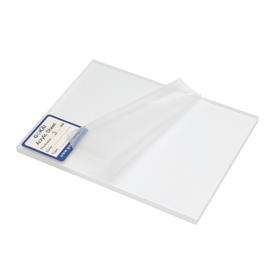
For long‑term projects, cell‑cast acrylic is often preferred for its higher transparency and crack resistance during cutting and fabrication. [nationalbusinessfurniture]
The original Acme Plastics article highlighted six typical installation environments for acrylic barriers. Based on real‑world projects and later industry data, each of these spaces has its own practical nuances.
Food‑service spaces were some of the earliest adopters of acrylic sneeze guards. [en.wikipedia]
Common acrylic barrier uses in restaurants include: [plasticproductsmfg]
- Sneeze guards above salad bars, buffets, and self‑service counters
- Bakery and dessert case fronts to protect displayed items
- Tabletop and booth dividers to reduce airborne droplet spread between groups
- Countertop shields at host stands and cashier areas
From a usability perspective, the most successful restaurant installations focus on: [twiistedmedia]
- Maintaining sight lines between staff and guests
- Avoiding glare that makes menus or displays hard to read
- Ensuring barriers are easy to wipe down between seatings
As one operator commented in a post‑implementation survey, "Clear acrylic let us keep a warm, open feel while adding a layer of visible protection that reassured guests." [plasticproductsmfg]

In retail, shoppers expect fast service, clear communication, and unobstructed product views. Acrylic cashier shields and line dividers allow stores to separate queues, protect team members at the checkout, and guide traffic without creating a "closed‑off" environment. [nationalbusinessfurniture]
Retail‑friendly barrier design often includes: [twiistedmedia]
- Freestanding panels that can be repositioned around promotions or seasonal layouts
- Pass‑through cutouts at cashwraps for payments and receipts
- Branded vinyl graphics or subtle edge lighting for visual merchandising
Because acrylic is light and relatively easy to move, retailers can treat barriers as part of their modular fixture system, not as permanent walls. [polymershapesfab]

Open‑plan offices remain popular, but many companies now blend collaborative areas with transparent partitions for added hygiene and acoustics. Acrylic desk dividers and reception shields are particularly common. [interstateam]
Practical office applications include: [nationalbusinessfurniture]
- Desk‑mounted panels that create separation without blocking visibility
- Hanging shields above reception desks and concierge counters
- Mobile partitions on casters to rezone meeting areas
From a user‑experience standpoint, office barriers that work best usually: [thehypedge]
- Maintain at least eye‑level visibility for natural communication
- Use rounded corners and polished edges for a more premium look
- Balance height: tall enough for protection, not so tall they feel confining

In educational environments, acrylic barriers help reduce germ transmission while keeping classrooms open and interactive. Schools, labs, and training centers often use tabletop acrylic barriers that can be set up or removed quickly. [en.wikipedia]
Typical classroom use cases: [vocal]
- Individual desktop shields for high‑risk seasons
- Larger partitions separating lab stations or shared tables
- Barriers at libraries and administrative counters
Many schools report that clear acrylic maintains eye contact and board visibility, which is critical for student engagement. Compared with opaque partitions, acrylic barriers make monitoring easier for instructors while still adding a hygienic layer. [en.wikipedia]
Healthcare environments require barriers that are highly cleanable, visually unobtrusive, and compatible with existing infection‑control protocols. Acrylic shields are widely used at registration desks, triage stations, and pharmacy counters. [interstateam]
Key benefits in healthcare settings: [ccglass]
- Smooth, non‑porous surfaces that are easy to disinfect
- Compatible with many hospital‑grade cleaners when used correctly
- Lightweight panels that can be reconfigured as workflows evolve
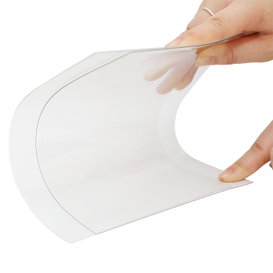
Face shields made from thinner acrylic or other clear plastics are also common, combining comfort with splash protection for staff. Because clinical environments are highly regulated, partnering with a supplier experienced in medical‑grade acrylic applications is advisable. [interstateam]
From ride‑sharing to school buses, acrylic partitions became a practical way to separate drivers and passengers without compromising visibility. [twiistedmedia]
Transportation‑focused designs often include: [twiistedmedia]
- Custom‑fit dividers between front and rear seats
- Panel systems that separate rows on buses or shuttles
- Reinforced mounting points to handle vibration and daily wear
Acrylic's balance of impact resistance, clarity, and weight makes it ideal where safety and line of sight are equally critical. [polymershapesfab]
One gap in many acrylic barrier guides is practical specification detail—the kind purchasing managers and engineers actually need. Below is a high‑level checklist you can use when planning new barriers with your OEM supplier. [athenaswc]
- Cell‑cast acrylic: Best optical clarity, good machinability, strong for premium or high‑use barriers. [nationalbusinessfurniture]
- Extruded acrylic: More economical, suitable for flat panels and larger runs where ultra‑high clarity is less critical. [gokai123.en.made-in-china]
Discuss with your supplier whether you need scratch‑resistant or anti‑fog coatings for high‑traffic or high‑humidity environments. [polymershapesfab]
While precise requirements depend on installation, many barrier projects fall in these ranges: [vocal]
- Desk and countertop shields: typically 3–6 mm
- Freestanding partitions: often 6–10 mm
- Bus or vehicle partitions: commonly 6–10 mm for added stability
Standard sheet sizes such as 1220 × 1830 mm and 1220 × 2440 mm help optimize yield and cost when working with OEM sheet manufacturers. [gokaiplastic]
To improve safety and aesthetics: [gokai.com]
- Specify polished or flame‑polished edges where visible to end users
- Use rounded corners on exposed edges to minimize impact injury risk
- Choose stable bases, clamps, or ceiling mounts rated for the panel's size and thickness
For reception or retail counters, consider pass‑through cutouts sized for payment terminals or documents. [nationalbusinessfurniture]
Adding real‑world examples is important for demonstrating genuine experience under Google's E‑E‑A‑T standards. Below are anonymized patterns from projects serviced by global acrylic sheet suppliers. [thehypedge]
1. Regional grocery chain
- Installed acrylic cashier shields in over 200 stores across three countries.
- Reported a measurable increase in perceived safety scores in customer feedback surveys after installation. [plasticproductsmfg]
2. Multi‑site co‑working provider
- Implemented desk‑mounted acrylic dividers and mobile partitions instead of rebuilding walls.
- Retained the open‑plan look while giving corporate clients added reassurance during contract negotiations. [nationalbusinessfurniture]
3. International bus fleet operator
- Deployed custom‑cut acrylic partitions between driver and passenger areas.
- Needed OEM‑level supply to maintain consistent material quality and replace panels quickly when damaged. [interstateam]
These examples underline a key point: barrier projects work best when product design, installation, and supply are aligned from the start. [athenaswc]
For global brands, chain operators, and system integrators, sourcing acrylic barriers from an OEM sheet manufacturer offers strategic advantages versus buying finished units from multiple small vendors. [gokaiplastic]
- Consistent material quality across all locations and batches
- Custom sheet colors, sizes, and thicknesses, tuned to your exact designs [gokaiplastic]
- Better cost structure for large orders and long‑term rollouts
- Faster replacement panels using the same material specifications
Shanghai Gokai Industry Co., Ltd, for example, focuses on PVC foam board and acrylic sheet manufacturing with multiple production lines in China, supplying OEM and ODM services worldwide. This type of supplier can support everything from one‑off prototypes to high‑volume barrier programs for international customers. [gokai.com]

The table below summarizes the main environments discussed, with typical barrier types and priorities. [plasticproductsmfg]
| Environment | Typical barrier type | Primary goal (plasticproductsmfg) | Key design priorities (polymershapesfab) |
|---|---|---|---|
| Restaurants | Sneeze guards, table dividers | Protect food and diners | Hygiene, visibility, easy cleaning |
| Retail | Cashier shields, line dividers | Staff and customer safety | Mobility, pass‑through, branding |
| Offices | Desk partitions, reception shields | Maintain collaboration and safety | Eye contact, aesthetics, flexibility |
| Classrooms | Desktop shields, counter barriers | Reduce germ spread in groups | Visibility, durability, quick setup |
| Hospitals | Registration shields, pharmacy barriers | Infection control | Disinfection compatibility, clarity |
| Transport | Driver‑passenger partitions | Separate airspaces | Impact resistance, secure mounting |
When planning new barrier installations or upgrades, consider these steps: [energy]
1. Clarify your primary objectives
Decide whether your top priority is infection control, food hygiene, privacy, or brand presentation.
2. Audit existing spaces
Map customer and employee touchpoints: counters, queues, self‑service areas, and high‑traffic corridors.
3. Define technical specs
Work with an engineer or experienced supplier to choose material type, thickness, dimensions, mounting method, and any coatings.
4. Align with local regulations
Check food‑service, workplace safety, or transport regulations that may specify sneeze guard coverage or barrier dimensions. [en.wikipedia]
5. Choose an OEM‑capable supplier
For multi‑location deployment, look for manufacturers that can provide consistent acrylic sheet quality, documentation, and long‑term supply. [gokaiplastic]
Following these steps helps ensure that your barrier project is both compliant and commercially efficient, not just a short‑term fix. [thehypedge]
If you are designing or upgrading acrylic barriers for restaurants, retail networks, offices, schools, or transportation fleets, working directly with an experienced OEM acrylic sheet supplier lets you control quality, cost, and lead time from day one. Define your barrier concepts, collect your dimensional drawings, and then share your specifications with a trusted partner who can provide custom acrylic sheets, reliable batch consistency, and worldwide OEM service. [gokai.com]
Whether you need clear, colored, or coated acrylic sheets, you can collaborate with an OEM manufacturer like Gokai to translate your designs into scalable production, from pilot installations to full global rollouts. [gokaiplastic]
1. Are acrylic barriers still necessary after the pandemic?
Many businesses continue to use acrylic barriers to reduce flu‑season transmission, improve food hygiene, and give customers visible reassurance about safety, even beyond COVID‑19. [plasticproductsmfg]
2. How do acrylic barriers compare to glass?
Acrylic is lighter, easier to machine, and more impact‑resistant than standard glass, while offering comparable clarity for most indoor applications. [polymershapesfab]
3. What thickness of acrylic should I choose for a countertop shield?
For most countertop shields, acrylic in the 3–6 mm range balances stability with manageable weight, though higher‑risk or oversize panels may benefit from thicker sheets. [vocal]
4. How do I clean acrylic barriers without damaging them?
Use non‑abrasive, ammonia‑free cleaners and soft cloths; avoid harsh chemicals and rough pads that can cause micro‑scratching and hazing over time. [polymershapesfab]
5. Can OEM suppliers customize the size and color of acrylic sheets for barriers?
Yes. OEM acrylic manufacturers commonly provide custom sizes, thicknesses, colors, and even coatings, enabling you to match brand guidelines and specific design requirements. [gokaiplastic]
1. Acme Plastics – "6 Acrylic Barrier Uses to Consider" (accessed 2026).
2. Google Search Central – "Creating Helpful, Reliable, People‑First Content." [developers.google]
3. The Hyped Edge – "E‑E‑A‑T & Helpful Content System: Google's SEO Standards." [thehypedge]
4. Another Concept – "E‑E‑A‑T Guidelines: What Are They and How Do I Follow Them?" [anotherconcept.co]
5. Interstate – "Sneeze Guard | PPE & Protective Barriers." [interstateam]
6. Wikipedia – "Sneeze guard." [en.wikipedia]
7. National Business Furniture – "The Guide to Sneeze Guards." [nationalbusinessfurniture]
8. Polymershapes – "Why Acrylic Sneeze Guards Are the Best for Businesses." [polymershapesfab]
9. Plastic Products Mfg. – "The Top 5 Benefits of Plexiglass Sneeze Guards." [plasticproductsmfg]
10. Shanghai Gokai Industry Co., Ltd – Official acrylic sheet and OEM information. [gokaiplastic]
11. Energy.gov – "Search Engine Optimization Best Practices." [energy]