Shanghai Gokai Industry Co,.Ltd.
Call Us: +86-18918606548
Call Us: +86-18918606548
- Product Name
- Product Keyword
- Product Model
- Product Summary
- Product Description
- Multi Field Search
Views: 222 Author: Gokai Publish Time: 2026-05-18 Origin: Site


Acrylic sheet (often called plexiglass) is one of the most versatile plastic sheet materials I work with as an OEM supplier, combining glass‑like clarity with far better impact strength, weatherability, and design flexibility for global manufacturers and fabricators. From my experience at Gokai supporting signage, display, construction, and industrial customers in 60+ countries, the projects that succeed long‑term are the ones that match the right acrylic grade to the real‑world conditions of each application, not just the price per sheet. [seoreviewtools]

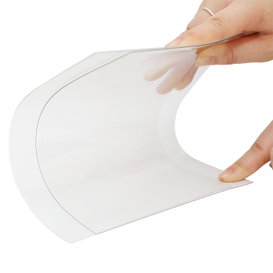
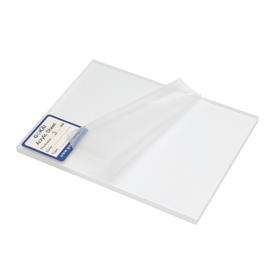
Acrylic sheet is a rigid thermoplastic made from polymethyl methacrylate (PMMA) that offers high optical clarity, good mechanical strength, and excellent weather resistance in a lightweight form. Because it can be cast or extruded into different colors, textures, and performance grades, acrylic has become a go‑to glass alternative for sign makers, OEMs, construction contractors, and display manufacturers worldwide. [piedmontplastics]
From a sourcing perspective, acrylic sheet is especially attractive for global buyers because it is easy to fabricate—it can be cut, routed, laser‑cut, thermoformed, and bonded without highly specialized equipment. At Gokai, this means we can combine OEM sheet production with basic pre‑fabrication (cut‑to‑size, protective films, color matching) so overseas customers reduce waste and assembly time on site. [cn.zunhaiacrylic]
For engineers, architects, and purchasing teams, numbers matter. Below is a snapshot of typical PMMA sheet data; exact values vary by formulation and manufacturer. Always request a current datasheet when you lock in a project specification. [trinseo]
| Property | Typical Value |
|---|---|
| Relative density | 1.19 g/cm³ piedmontplastics |
| Rockwell hardness | M 102 piedmontplastics |
| Water absorption | ~0.2% piedmontplastics |
| Tensile strength | 75 MPa piedmontplastics |
| Flexural strength | 115 MPa piedmontplastics |
| Service temperature range | −40 °C to 80 °C piedmontplastics |
| Light transmission (clear) | >92% white light piedmontplastics |
| Refractive index | 1.49 piedmontplastics |
| Flammability (typical) | Class 3 piedmontplastics |
These properties explain why acrylic sheet is widely adopted as a glass replacement in glazing, lighting, and display projects that demand transparency and safety. In practice, we see designers choosing acrylic when they need a balanced combination of optical performance, impact resistance, and ease of fabrication rather than the extreme strength or heat resistance delivered by materials like polycarbonate. [piedmontplastics]
One of the most compelling properties of acrylic sheet is its near‑glass clarity with superior light transmission. High‑quality clear acrylic can transmit more than 92% of visible white light, delivering bright, crisp visuals for signage, displays, lighting diffusers, and architectural glazing. [trinseo]
From an OEM standpoint, this clarity is not just about aesthetics. It directly affects:
- Brand color accuracy on illuminated signage and lightboxes.
- Readability of retail displays, museum cases, and wayfinding systems.
- Energy efficiency, since better light transmission allows designers to use lower‑power LED modules.
In our own production, we've found that consistent raw material quality and tight extrusion or casting control are essential to avoid internal stress and haze that can reduce clarity over time. This is why serious buyers should ask for sample pieces and QC photos under light before approving a large order. [cn.zunhaiacrylic]
Acrylic sheet is engineered to perform in outdoor and fluctuating temperature environments without warping or losing clarity when used within its normal service range of roughly −40 °C to 80 °C. This temperature resistance is particularly valuable for outdoor signs, façade elements, skylights, and equipment windows that must survive summer heat and winter cold over many years. [piedmontplastics]
In the field, we see three practical benefits:
- Dimensional stability: well‑designed acrylic components maintain shape and fit within frames and profiles when properly allowed to expand and contract.
- Long‑term appearance: UV‑stabilized grades maintain gloss and color, avoiding the yellowing associated with cheaper plastics.
- Hygiene and safety: in medical and food testing devices, acrylic housings tolerate repeated temperature cycles during cleaning and operation. [trinseo]
At Gokai, outdoor customers often combine UV‑resistant cast acrylic with proper mechanical design (expansion gaps, suitable fasteners) to keep panels from bowing in hot climates or cracking in cold snaps. [cn.zunhaiacrylic]

Acrylic sheet offers significantly higher impact resistance than standard glass while weighing roughly half as much, which is one reason it is often used in so‑called "bullet‑resistant" or high‑security glazing systems. Depending on thickness and construction, acrylic can provide up to 17 times the impact resistance of ordinary glass, greatly reducing the risk of dangerous shattering. [piedmontplastics]
For OEM projects, this translates into:
- Safer public spaces: retail, transit, and stadium applications benefit from shatter‑resistant panels.
- Lower installation risk: lighter sheets are easier and safer to handle at height.
- Reduced breakage costs: less damage during transport and on‑site installation means fewer replacements and claims.
For truly extreme impact conditions, some customers step up to impact‑modified acrylic grades that approach the durability of polycarbonate while keeping the clarity of standard acrylic. As an OEM supplier, we normally recommend impact‑modified grades for sports barriers, machine guards, and exposed public signage where vandalism or collision is a concern. [cn.zunhaiacrylic]
Acrylic sheet also shows good resistance to many dilute acids, alkalis, and cleaning agents, which is why it appears in microfluidics, medical manifolds, food service equipment, and lab enclosures. In these environments, materials must tolerate repeated contact with fluids and disinfectants without hazing or cracking. [piedmontplastics]
In our OEM work, we've seen acrylic perform reliably when customers:
- Avoid highly aggressive solvents like ketones and chlorinated hydrocarbons.
- Use manufacturer‑recommended cleaners and soft cloths to extend surface life.
- Specify abrasion‑resistant or hard‑coated acrylic where frequent wiping is expected. [trinseo]
If your application involves continuous contact with specific chemicals, you should always request a chemical resistance chart and run small‑scale tests before committing to full production.
Acrylic is not "one product." Choosing the right type of acrylic sheet is often the difference between a project that lasts 2 years and one that lasts 10. Below are the most widely used categories in global manufacturing. [cn.zunhaiacrylic]
Clear acrylic is the default choice for glass replacement, protective screens, glazing, and transparent covers. It is available in a broad thickness range and in both cast and extruded grades. [piedmontplastics]
Professionally, we see clear acrylic used for:
- Shopfront windows and interior partitions
- Machine guards and equipment view windows
- Display cases and museum vitrines
White acrylic sheet delivers the same mechanical strength as clear grades but blocks light, making it ideal for lightboxes, rear‑lit signage, and privacy panels. Different diffusion levels allow brand owners to fine‑tune brightness and LED hotspot visibility. [piedmontplastics]
Opaque and translucent colors are often used in architectural features, branded fixtures, and interior design elements, where the material itself becomes part of the visual identity. [cn.zunhaiacrylic]
Colored acrylic sheet is popular in retail and architecture because it combines durability with long‑lasting color. Fluorescent acrylic, which features glowing edges when light passes through, is used to create high‑impact displays and signage in competitive retail environments. [cn.zunhaiacrylic]
Solar‑tinted acrylic adds UV protection and glare reduction, helping reduce heat gain and protect merchandise in windows or display cases. [trinseo]
For demanding environments, specialty grades provide additional functionality: [trinseo]
- Light‑diffusing acrylic sheet for even LED illumination in signage and luminaires.
- Non‑glare acrylic with a matte surface for picture framing and display cases.
- Anti‑static acrylic where static sparks or dust attraction are concerns.
- Abrasion‑resistant acrylic featuring a hard coating that reduces scratching in high‑touch applications.
- Textured acrylic to increase grip or create privacy without sacrificing light transmission.
From a manufacturing perspective, most acrylic sheet falls into cast or extruded categories, each with its own advantages. Choosing between them is one of the most important early decisions in any OEM project. [piedmontplastics]
Cast acrylic sheet (cell‑cast or continuous cast):
- Offers better optical clarity and higher surface hardness.
- Handles machining, polishing, and thermoforming more predictably.
- Is typically preferred for premium displays, aquariums, and high‑end architectural glazing. [cn.zunhaiacrylic]
Extruded acrylic sheet:
- Has tighter thickness tolerances and is generally more cost‑effective.
- Is often easier to laser‑cut and heat‑bend for large production runs.
- Works well in signage, POP displays, and general construction applications where ultra‑premium optics are not mandatory. [cn.zunhaiacrylic]
At Gokai, we supply both cast and extruded acrylic sheets and often help customers run small trials of each type before finalizing a specification. For example, one signage customer switched from cast to extruded for a large roll‑out to optimize cost, while keeping cast acrylic for flagship stores where optical perfection was critical to the brand.
To simplify material selection, we encourage project teams to evaluate acrylic sheet against a short, practical checklist rather than only comparing quoted prices. Based on our work with international OEMs, these are the questions that consistently lead to better decisions:
1. Where will the product be used?
Indoor vs outdoor, temperature extremes, UV exposure, and expected lifetime.
2. What level of impact resistance is required?
Decorative panel vs sports barrier vs machine guard.
3. What optical performance is needed?
Clear view, controlled diffusion, anti‑glare, or full opacity.
4. How will the sheet be fabricated?
Cutting, routing, laser cutting, bonding, thermoforming, printing, or painting.
5. What certifications or standards apply?
Fire rating, food contact compliance, or industry‑specific requirements.
6. What is the total cost of ownership?
Material cost plus machining time, yield, scrap, transport, and expected replacement rate.
We regularly see global buyers lower their overall cost by choosing a slightly higher‑spec acrylic grade that reduces breakage, shortens installation time, and extends service life in the field.
As China's leading boards and sheets OEM supplier, Gokai has built its acrylic offering around the needs of signage, advertising, printing, and construction customers worldwide. That OEM perspective shapes how we guide customers through the entire project lifecycle—from material selection to shipping.
Clients typically rely on us for:
- Application‑matched materials: clear, frosted, glitter, mirror, cast, extruded, and large‑size acrylic sheets tailored to specific markets.
- Custom OEM services: thickness and color customization, protective films, edge finishing, and cut‑to‑size sheet preparation to reduce on‑site processing.
- Multi‑material solutions: coordinating acrylic with other sheet materials such as PVC foam board, PETG, polystyrene sheet, and polycarbonate for complex systems.
Because we serve both global brands and regional fabricators, we see real‑world performance data from different climates and use cases. This lived experience helps us flag risks early, for example: recommending impact‑modified grades for high‑traffic public areas or suggesting abrasion‑resistant sheets where frequent cleaning is expected.

Acrylic's property balance has made it a standard material across industries. Below are some of the most frequent applications we support as an OEM supplier: [trinseo]
- Signage and advertising: lightboxes, channel letters, shopfront signs, and outdoor branding.
- Retail and exhibitions: display stands, product risers, protective covers, and exhibition booths.
- Construction and architecture: partitions, skylights, balcony panels, and façade elements.
- Transportation: interior panels, lighting diffusers, and protective screens in buses, trains, and specialty vehicles.
- Machinery and industrial equipment: machine guards, indicator windows, and control panel covers.
- Medical and laboratory: housings, test device components, and microfluidic manifolds. [piedmontplastics]
When you align acrylic sheet properties with these specific use environments, you can design solutions that perform reliably with fewer surprises after installation.
Drawing on years of supporting global OEM projects, here are practical best practices to get consistent results from acrylic sheet:
- Plan for thermal expansion: always include suitable clearances and flexible mounting to prevent stress cracking in outdoor or heated environments. [trinseo]
- Use the right tools: sharp carbide blades, correct router feeds, and recommended laser settings reduce chipping and stress marks.
- Protect surfaces: keep protective films on as long as possible during fabrication and installation, especially with glossy or coated sheets.
- Choose compatible adhesives: use adhesives formulated for acrylic to avoid crazing and cloudy bond lines.
- Test before scaling: run small‑batch trials under real conditions (UV, cleaners, mechanical load) before committing to a full container shipment.
These steps are simple, but in our experience they dramatically reduce scrap rates, warranty claims, and project delays—especially on international projects with tight launch timelines.
Although acrylic sheet is extremely versatile, it is not always the perfect fit. As an OEM partner, part of our responsibility is to highlight when another material might be more suitable.
You may want to consider alternatives when:
- Extreme impact resistance is needed (e.g., riot shields, certain machine guards) where polycarbonate may be a better choice.
- Very high temperature or continuous heat exposure is expected, beyond acrylic's typical service range. [trinseo]
- Cost‑driven, non‑optical applications can be handled with materials like PVC, PS, or PP without transparency requirements.
The advantage of working with a multi‑material OEM supplier like Gokai is that we can objectively compare acrylic sheet to other options and help you design a solution that balances safety, performance, and cost rather than forcing one material into every scenario. [cn.zunhaiacrylic]
If you are planning a new signage, display, construction, or industrial project and need a reliable acrylic sheet OEM partner, we invite you to discuss your application with the Gokai team. Share your drawings, performance requirements, and target markets, and we will recommend the most suitable acrylic sheet type, thickness, and grade, plus any supporting sheet materials you may need. [cn.zunhaiacrylic]
- Tell us your application and environment (indoor/outdoor, UV, impact, chemicals).
- Specify your target lifetime and certifications.
- We will propose an optimized acrylic solution, supported by sampling, OEM customization, and global logistics.
You can reach us via email, phone, or WhatsApp/WeChat as listed on our contact page to start the conversation on your next acrylic sheet project.
1. What are the main advantages of acrylic sheet compared to glass?
Acrylic sheet provides higher impact resistance, lower weight, and better design flexibility than standard glass while maintaining excellent optical clarity. It is easier to fabricate, safer in case of breakage, and more suitable for many illuminated or shaped applications. [piedmontplastics]
2. How do I choose between cast and extruded acrylic sheet?
Cast acrylic is ideal when you need premium optical quality, better surface hardness, and stable performance in machining or polishing. Extruded acrylic is preferred for larger production runs with tight thickness tolerances and cost‑sensitive projects, such as many signage and POP applications. [piedmontplastics]
3. Can acrylic sheet be used outdoors for many years?
Yes, especially when you select UV‑stabilized grades and design appropriate mounting details, acrylic sheet can perform well in long‑term outdoor applications like signage and architectural glazing. You should also consider colorfast pigments and regular cleaning with recommended agents to maintain appearance. [trinseo]
4. Is acrylic sheet safe for food or medical applications?
Certain acrylic grades are used widely in food service and medical testing equipment because they offer good clarity, chemical resistance, and cleanability. For regulated applications, always confirm that the specific grade meets required standards and perform compatibility tests with the chemicals and cleaning agents you plan to use. [piedmontplastics]
5. What OEM services can Gokai provide for acrylic sheet buyers?
Gokai supports global customers with clear, frosted, glitter, cast, extruded, mirror, and colored acrylic sheets, plus OEM services such as custom sizes, thicknesses, colors, edge finishing, and basic pre‑fabrication. We also supply complementary materials like PVC foam board, PETG, PS, and polycarbonate sheet to build complete, multi‑material solutions.
1. Piedmont Plastics – "A Comprehensive Analysis of Acrylic Sheet."
<https://www.piedmontplastics.com/blog/acrylic-sheet-properties> [seoreviewtools]
2. Trinseo – "PLEXIGLAS® Optical and Weathering Properties."
<https://www.trinseo.com/solutions/acrylic-resins/americas-pmma-resins/optical-and-weathering-properties> [trinseo]
3. Shanghai Gokai Industry Co., Ltd. – Acrylic Sheet and Boards & Sheets Product Category.
<https://www.gokai.com.cn/amp/acrylic-sheet.html>
4. Yuejing / Zunhai Acrylic – Overview of acrylic sheet features and manufacturing forms (cast vs extruded).
<https://cn.zunhaiacrylic.com/acrylic-sheet.html> [cn.zunhaiacrylic]
5. Google Developers – SEO Starter Guide (for on‑page SEO and structured content best practices).
<https://developers.google.com/search/docs/fundamentals/seo-starter-guide> [developers.google]