Shanghai Gokai Industry Co,.Ltd.
Call Us: +86-18918606548
Call Us: +86-18918606548
- Product Name
- Product Keyword
- Product Model
- Product Summary
- Product Description
- Multi Field Search
Views: 222 Author: Gokai Publish Time: 2026-05-02 Origin: Site


Acrylic sheet (PMMA) has evolved from a wartime innovation into one of the most versatile and design‑driven materials in modern manufacturing, architecture, and product design. In this in‑depth guide, I'll share both hands‑on insights as an acrylic sheet OEM supplier (Gokai) and lessons from real‑world applications to help you understand where acrylic truly outperforms glass and other plastics—and how to choose the right sheet for your next project. [gokai.com]

Acrylic, also known as polymethyl methacrylate (PMMA), is a transparent thermoplastic that delivers glass‑like clarity at a fraction of the weight and with significantly higher impact strength. First commercialized in the early 20th century, it quickly moved from laboratories into aircraft, architecture, and retail design because engineers needed a material that was clear, safer than glass, and easy to fabricate. [acmeplastics]
Key performance highlights of modern acrylic sheet:
- Optical clarity close to glass, with light transmission around 92% in high‑quality sheets. [aceninja]
- Weight savings of roughly 50% versus glass at comparable thickness, making handling and installation much easier. [acmeplastics]
- Impact resistance around 10 times higher than glass, depending on grade and thickness. [slideshare]
- Weatherability with excellent UV resistance and low yellowing, ideal for outdoor glazing, signage, and architectural elements. [aceninja]
From an OEM supplier's perspective, this combination of properties means you can design lighter structures, ship panels more safely worldwide, and still meet demanding performance specifications in sectors such as building & construction, retail, automotive, and public infrastructure. [margacipta]

The real turning point for acrylic came during World War II, when it became a critical material for aircraft canopies and observation windows. Engineers selected acrylic because it offered high transparency, lower weight than glass, and better impact resistance against debris and environmental stress at altitude.
After the war, those same material advantages drove adoption in:
- Architecture and skylights, where lighter roof glazing simplified structural design.
- Retail and museum displays, where break‑resistant clear covers protected high‑value items.
- Transportation glazing, from train windows to specialty vehicle cabins. [slideshare]
Today, the same core material is fine‑tuned through advanced polymerization and coating technologies to improve UV resistance, scratch resistance, and fire performance—all areas your project team should consider early when specifying acrylic sheet. [jumei-acrylic]
If you work with international projects, you'll encounter acrylic under many trade names—Plexiglas, Lucite, Acrylite, Perspex, Altuglas, and others. These names typically reflect differences in polymer formulation, production method (cast vs extruded), and regional distribution rather than a completely different material. [gokai.com]
Common trade names and typical positioning:
| Brand / Trade Name | Typical Producer / Region | Common Positioning Or Use Case |
|---|---|---|
| Plexiglas | Arkema, widely used in North America and Europe | General‑purpose and specialty acrylic sheets for glazing, signage, and architecture acmeplastics |
| Lucite / Perspex | Mitsubishi Chemical / Lucite International, global | High‑clarity, weather‑resistant sheets used in architecture and design gokai.com |
| Acrylite | CYRO / Röhm, North America and Europe | Technical grades for displays, lighting, and construction acmeplastics |
| Altuglas | Arkema, Europe and Asia | Versatile sheets for industrial and design applications gokai.com |
| Plaskolite | Plaskolite Inc., USA | Wide portfolio for OEMs, retail, and signage acmeplastics |
As an OEM, Gokai focuses less on branding and more on matching sheet performance to your requirements—clarity, thickness tolerance, color, fire rating, and fabrication behavior—whether you are replacing one of these brands or starting a new design from scratch. [gokai.com]
Acrylic's impact resistance and clarity make it a go‑to component in bullet‑resistant glazing systems for banks, security booths, control rooms, and armored vehicles. In these systems, multiple layers of acrylic are often laminated with polycarbonate or glass to achieve specific ballistic ratings while keeping visibility high. [slideshare]
Benefits end‑users care about most:
- Clear visibility for staff monitoring customers or the public.
- Reduced weight compared to all‑glass laminates, easing support structure requirements.
- Customizable protection levels simply by adjusting total thickness and layup. [slideshare]
From an OEM standpoint, consistent sheet quality (no internal bubbles, uniform thickness, stable optical properties) is critical to ensure laminators can achieve certified performance on every batch.
The same principles apply to military vehicles, where acrylic composite windows provide transparent armor that maintains wide fields of view while reducing the weight and bulk of traditional steel or ceramic armor. Acrylic laminates can be engineered to stop shrapnel, handgun rounds, or rifle fire depending on the threat profile. [margacipta]
Acrylic has also become a design icon. In mid‑century Hollywood, clear and tinted acrylic furniture, tableware, and decorative objects symbolized futuristic luxury and "space‑age" style. Designers loved the way acrylic bends light, creating reflections and prismatic effects that feel both modern and playful. [aceninja]
Today, acrylic remains a favorite material for:
- High‑end jewelry and accessories, including bangles, statement necklaces, and fashion earrings.
- Luxury retail fixtures, such as floating display risers, logo blocks, and illuminated brand elements.
- Sculptural furniture, where thermoformed acrylic creates fluid, continuous shapes that would be impossible in glass. [sheetplastics.co]
For brands, the material does more than hold products; it communicates a certain aesthetic—clean, modern, and tech‑forward. That is why global retail and cosmetic brands continue to specify acrylic for flagship stores and premium product launches. [sheetplastics.co]
In observatories and scientific instruments, acrylic's UV resistance, optical clarity, and impact strength are core performance drivers. Observatory domes, telescope housings, and protective windows often use acrylic to maximize light transmission while resisting UV degradation and hail or debris impact. [margacipta]
Key advantages in scientific settings:
- High light transmittance to capture detailed astronomical images.
- Stable performance under extreme temperature variations, from cold mountaintops to high‑UV desert environments.
- Low yellowing over time for long‑term research installations. [margacipta]
For OEM customers in the scientific sector, dimensional precision, surface quality, and long‑term weathering data are typically more important than decorative appearance alone.
The COVID‑19 pandemic highlighted just how quickly acrylic sheet can be transformed into life‑saving infrastructure. Within weeks, manufacturers worldwide were CNC‑cutting clear panels into face shields, checkout barriers, and office partitions to reduce viral transmission via respiratory droplets.
Why acrylic was the material of choice:
- Excellent transparency, allowing staff‑customer communication even with barriers in place.
- Fast fabrication, including laser cutting, CNC routing, and simple mechanical fixing.
- Cost‑effective scaling across hospitals, transportation hubs, and retail networks. [stagingapi.upums.ac]
From a supplier's perspective, that surge in demand also underscored the need for responsive production planning, global logistics, and quality control—capabilities Gokai continues to invest in to support future public‑health and safety projects. [gokai.com]
Acrylic sheets are increasingly integrated into smart environments—interactive signage, touch‑enabled displays, and illuminated panels that respond to user input. By embedding sensors, LEDs, or printed electronics into or behind the sheet, designers can transform a simple panel into a multifunctional interface. [jumei-acrylic]
Recent innovations include:
- IoT‑enabled dashboards and AR‑style displays for vehicles and smart homes. [jumei-acrylic]
- Back‑lit digital signage that uses UV printing directly on acrylic for high‑resolution graphics.
- Museum and retail installations that combine printed graphics with sensor‑driven lighting effects. [jumei-acrylic]
Acrylic's role in additive manufacturing is growing as large‑format 3D printers and hybrid fabrication workflows become more common. Designers are starting to combine CNC‑cut sheet components with 3D‑printed acrylic parts to achieve complex geometries, integrated fasteners, and consolidated multi‑part assemblies. [stagingapi.upums.ac]
Technologies enabling this shift:
- CNC routing and laser cutting for high‑precision edges and cutouts.
- Thermoforming to create curved panels for lighting, furniture, or façade applications.
- Large‑format 3D printing for custom shells, fixtures, and interior design elements. [jumei-acrylic]
While acrylic is a fossil‑based polymer, its long service life and increasing recyclability make it competitive with glass and some alternative plastics from a lifecycle perspective. Producing acrylic is often more energy‑efficient than producing glass, and modern recycling technologies can depolymerize PMMA back into monomer or repurpose sheet and scrap into new products. [stagingapi.upums.ac]
Sustainable design considerations for specifiers:
- Selecting durable grades that minimize replacement frequency.
- Working with OEMs that can offer take‑back or recycling channels for offcuts and end‑of‑life parts.
- Choosing optimized thicknesses to balance safety and material use.
From an OEM supplier's point of view, most project discussions start with application and environment. Below is a practical selection overview you can use as a starting point when talking with your supplier.
| Application Scenario | Recommended Acrylic Type | Key Properties To Specify |
|---|---|---|
| Outdoor signage and lightboxes | UV‑stable cast acrylic sheet | High clarity, UV resistance, printable surface, color options gokai.com |
| Retail displays and cosmetic stands | Clear or tinted cast/extruded sheet | Scratch resistance, edge clarity, bonding behavior gokai.com |
| Safety screens and partitions | Clear extruded sheet | Impact resistance, thickness, ease of CNC cutting stagingapi.upums.ac |
| Bullet‑resistant glazing | Laminating‑grade cast sheet | Optical quality, thickness tolerance, compatibility with polycarbonate or glass slideshare |
| Architectural skylights and canopies | UV‑stable structural acrylic | Weatherability, thermal expansion, load capacity, fire performance acmeplastics |
| Smart signage and illuminated panels | Printable and diffusion‑optimized sheet | Light transmission, diffusion characteristics, print adhesion jumei-acrylic |
Gokai works closely with project engineers to fine‑tune parameters such as sheet thickness, color matching, surface finish (glossy, matte, frosted), and pre‑cut dimensions, helping reduce downstream fabrication time and total project cost. [gokai.com]
Real‑world user feedback consistently shows that improper cleaning causes more acrylic damage than normal wear. Acrylic is tough, but its surface can be scratched by harsh chemicals or abrasive cloths. A few simple practices dramatically extend service life: [hsqy-plasticgroup]
1. Use mild soapy water, around 1% neutral detergent, and a soft cotton or microfiber cloth for routine cleaning. [hsqy-plasticgroup]
2. Avoid dry wiping, which can drag dust particles across the surface and create fine scratches. [hsqy-plasticgroup]
3. Never use strong solvents like acetone or benzene unless you are working with a specialized grade and controlled process; stick to cleaners approved by your supplier. [stagingapi.upums.ac]
4. For high‑end displays, consider anti‑scratch coatings or sacrificial protective films during transport and installation. [acmeplastics]
For outdoor installations, always allow for acrylic's relatively high thermal expansion in frame design, leaving adequate expansion gaps to avoid buckling or stress cracking. [hsqy-plasticgroup]
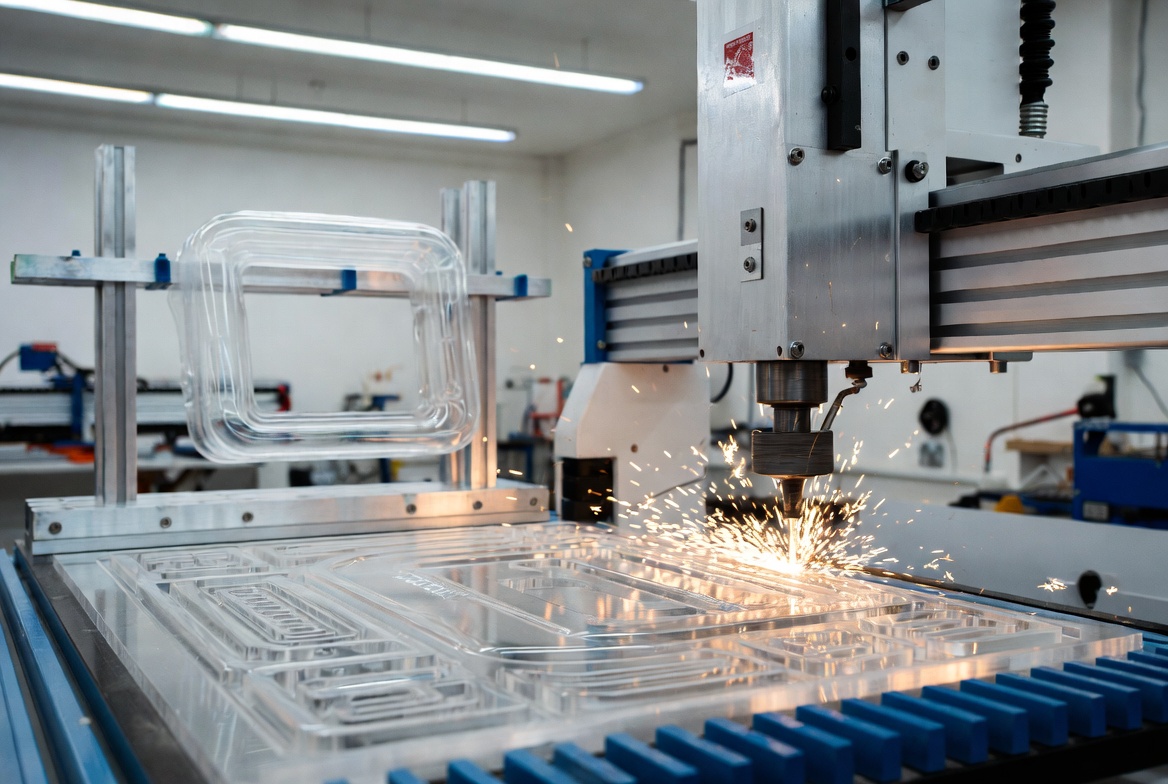
From the outside, acrylic sheets can look similar. The real differentiation appears in long‑term performance, color consistency across batches, machining behavior, and post‑sale technical support. As an OEM‑focused supplier, Gokai helps global customers by:
- Providing custom formulations and colors matched to brand guidelines or legacy materials. [gokai.com]
- Offering OEM fabrication services including cutting, drilling, edge finishing, and basic thermoforming to shorten your project lead time.
- Supporting documentation and compliance, from RoHS and REACH information to test reports on optical, mechanical, and weathering performance. [jumei-acrylic]
- Coordinating export logistics with packaging tailored to long‑distance shipping, minimizing transit damage.
This combination allows you to move more quickly from design to mass production—especially when launching new product lines, upgrading store fixtures across multiple regions, or retrofitting safety and architectural elements.

If you are planning a new project—whether it is a chain‑wide retail upgrade, a safety barrier rollout, or a custom architectural feature—the fastest way to de‑risk material selection is to talk directly with an OEM supplier who understands both engineering constraints and design ambitions. [sana-commerce]
Share your drawings, performance requirements, and timeline with Gokai's technical team, and we'll recommend the most suitable acrylic sheet grade, thickness, and fabrication route—and, where needed, provide samples and test data—so you can specify with confidence and move smoothly into production. [gokai.com]
1. Is acrylic sheet as clear as glass?
High‑quality acrylic sheet offers light transmission comparable to or even slightly higher than standard glass, with typical values around 92% for clear grades. With proper maintenance, it stays clear and resists yellowing in most outdoor conditions. [acmeplastics]
2. Can acrylic be used outdoors long term?
Yes. UV‑stable acrylic grades are specifically formulated for outdoor signage, glazing, and architectural elements, delivering excellent weather resistance and low yellowing over many years. Proper framing, drainage, and expansion allowances are important for long‑term success. [aceninja]
3. How does acrylic compare to polycarbonate for safety applications?
Acrylic generally offers better optical clarity and UV stability, while polycarbonate has higher impact strength for extreme abuse conditions. For many security and barrier applications, laminated systems that combine both materials balance clarity, impact resistance, and cost. [acmeplastics]
4. Is acrylic eco‑friendly?
Acrylic is a synthetic polymer, but its long service life, relatively energy‑efficient production compared to glass, and increasing recyclability make it an attractive option in many sustainable design strategies. Working with suppliers that support recycling routes for scrap and offcuts further improves its environmental profile. [stagingapi.upums.ac]
5. What thickness of acrylic sheet should I choose?
Thickness depends on application, span, and required safety margin. Small counter displays may use 2–4 mm, while structural glazing, canopies, or bullet‑resistant laminates often use 10 mm and above or multiple layers. Your OEM supplier can help calculate appropriate thickness based on load and impact requirements. [gokai.com]
1. Laird Plastics – "Facts And Innovative Uses Of Acrylic Plastic" (accessed 2026).
2. Gokai – "Acrylic (PMMA) Plastic: 30+ Essential Facts, Properties, And Real‑World Uses". [gokai.com]
3. Acme Plastics – "The Advantages Of Acrylic Plastic". [acmeplastics]
4. Sheet Plastics – "Uses For Acrylic Plastic In Art And Design". [sheetplastics.co]
5. Plasticut – "10 Uses Of Acrylic Plastic". [plasticut.com]
6. Jumei Acrylic – "Acrylic Sheet Demand In 2025: Discover The Key Trends". [jumei-acrylic]
7. Ace Ninja – "Why Plastic Acrylic Is Revolutionizing Modern Design". [aceninja]
8. UPUMS – "Acrylic Plastic: Properties, Uses, And Environmental Impact". [stagingapi.upums.ac]
9. HSQY Plastic Group – Acrylic Sheet Handling And Cleaning Guidelines (Chinese). [hsqy-plasticgroup]
10. Marga Cipta – "Acrylic Usage Trends 2026: New Applications In Design And Industry". [margacipta]
11. Sana Commerce – "SEO For Manufacturers: A Complete Guide For B2B Sellers". [sana-commerce]