Shanghai Gokai Industry Co,.Ltd.
Call Us: +86-18918606548
Call Us: +86-18918606548
- Product Name
- Product Keyword
- Product Model
- Product Summary
- Product Description
- Multi Field Search
Views: 222 Author: Gokai Publish Time: 2026-05-22 Origin: Site


Plastic drainage systems have quickly become the go‑to solution for commercial wastewater and stormwater management, replacing traditional metal and concrete pipes in many projects worldwide. As a manufacturer and global supplier of plastic sheet materials such as acrylic (PMMA) and PVC foam board, Gokai has seen first‑hand how plastic components help engineers, contractors, and building owners reduce installation costs, improve long‑term performance, and design more sustainable drainage systems. [blacktruckmedia]
In this guide, I'll walk you through the key advantages of plastic drainage systems, where they work best, what to watch out for, and how to choose plastics and sheet products that optimize both performance and cost.

Plastic drainage systems use pipes and components made from polymers instead of traditional materials like cast iron, steel, or concrete. The most common plastics in modern drainage systems include: [blacktruckmedia]
- PVC (Polyvinyl Chloride) – Durable, lightweight, and highly resistant to corrosive wastewater and chemicals; widely used for commercial and residential drainage. [blacktruckmedia]
- CPVC (Chlorinated PVC) – Similar to PVC but engineered for greater heat resistance; suitable for hot and cold water lines and certain process drains. [blacktruckmedia]
- ABS (Acrylonitrile Butadiene Styrene) – Impact‑resistant and weather‑resistant, often used in outdoor or exposed drain runs. [blacktruckmedia]
- HDPE (High‑Density Polyethylene) – Strong, flexible, and ideal for underground drainage, industrial waste lines, and high‑stress applications. [blacktruckmedia]
These systems can be designed as gravity drains, pressure drains, trench drains, or modular pre‑sloped systems, depending on the building layout and usage.
From a commercial project perspective, plastic drainage offers a combination of cost, performance, and constructability that is hard to match.
Compared with metal or concrete, plastic pipes are significantly lighter, which directly impacts installation logistics and labor. Contractors can: [blacktruckmedia]
- Move and position pipes without heavy lifting equipment.
- Reduce crew size and installation time.
- Work more safely in tight shafts, ceilings, or service corridors.
In practice, this means faster project schedules and lower labor costs, especially in high‑rise buildings, hospitals, schools, and large retail complexes where drainage runs are extensive. [blacktruckmedia]
Commercial drainage systems often handle detergents, cleaners, food waste, process chemicals, and mildly acidic or alkaline effluent. Metal pipes can corrode or scale under these conditions, leading to leaks, blockages, or premature replacement. [blacktruckmedia]
Plastic materials, especially PVC and HDPE, are naturally resistant to many of these chemicals, which:
- Extends service life.
- Reduces maintenance and emergency repair calls.
- Helps maintain flow capacity over time.
For industrial facilities, laboratories, and food‑processing plants, this chemical resistance is often a decisive factor when choosing plastic over metal. [blacktruckmedia]
Plastic pipes are generally more affordable than metal or concrete alternatives on a material cost basis. When you combine that with: [blacktruckmedia]
- Lower transportation costs due to reduced weight.
- Faster installation and simplified handling.
- Reduced maintenance and fewer corrosion‑related failures.
…the total cost of ownership of a plastic drainage system is often substantially lower than traditional systems over the life of the building. [blacktruckmedia]
Modern plastics manufacturing makes it possible to produce pre‑sloped trench drains, modular channel systems, and custom fittings that fit complex floor plans and retrofit environments. [blacktruckmedia]
Engineers can design:
- Shallow, wide channels in tight spaces.
- Systems that integrate cleanouts, traps, and sampling points.
- Components that interface cleanly with plastic wall panels and acrylic or PVC sheet cladding.
For a supplier like Gokai, which also provides custom acrylic sheet solutions, this flexibility extends to ancillary elements such as inspection windows, covers, splash guards, and clear panels for visual monitoring of critical drainage sections. [lsdigital]
No material is perfect, and an honest, expert view must address where plastic drainage may not be ideal or may require additional design considerations.
Certain plastic materials, particularly PVC and PEX, can degrade under prolonged direct UV exposure if they are not properly stabilized or protected. This is most relevant for: [blacktruckmedia]
- Above‑ground outdoor runs.
- Roof drains and exposed downpipes.
- Exterior vent stacks.
Mitigation strategies include:
- Selecting UV‑stabilized formulations.
- Applying protective coatings or wraps.
- Using acrylic or PVC sheet cladding as an opaque or tinted shield over exposed pipe sections.
Acrylic sheets, such as Gokai's colored acrylic products, can also serve as protective or decorative panels around exposed drainage runs in public‑facing areas. [lsdigital]
Heat resistance varies between plastics. While CPVC can handle higher temperatures, standard PVC is not suitable for sustained high‑temperature effluent. For commercial kitchens, laundry facilities, or industrial processes: [blacktruckmedia]
- Ensure maximum temperature and duration are within the material's rating.
- Consider CPVC or specialized piping for hot discharge lines.
- Use expansion joints and proper support spacing to manage thermal movement.
Ignoring temperature limits can lead to softening, deformation, or premature failure of plastic components. [blacktruckmedia]
Concrete pipes excel when very high external loads are expected, such as deep burial beneath heavy roadways or airport pavements. In these scenarios, plastic can still be used, but: [blacktruckmedia]
- Correct bedding, backfill, and compaction become critical.
- Designers may specify reinforced plastic or composite pipes to handle the loads. [blacktruckmedia]
Where structural demands are extreme and installation conditions are difficult to control, concrete might remain the safer option; however, in many commercial building applications, properly installed plastic performs extremely well. [blacktruckmedia]
Plastic drainage systems have proven effective in a wide range of commercial, industrial, and residential settings. [blacktruckmedia]
In offices, malls, hotels, and institutional buildings, plastic drainage systems:
- Handle wastewater from restrooms, kitchens, and mechanical rooms.
- Integrate with roof drainage and stormwater systems.
- Run through ceiling voids and service shafts where low weight and easy handling are crucial. [blacktruckmedia]
For building owners, the biggest benefits are reduced installation cost, low maintenance, and reliable long‑term operation.
In industrial environments, HDPE and reinforced plastic pipes are widely used to transport:
- Chemical waste streams (within the material's compatibility range).
- Process water and cooling water.
- Wash‑down and cleaning effluent. [blacktruckmedia]
The combination of chemical resistance, flexibility, and durability makes plastic an ideal choice where metal would corrode or where pipe routing requires tight bends and dynamic movement.
Plastic pipes such as ABS and HDPE are commonly used for:
- Rainwater runoff.
- Landscape drainage networks.
- Underground stormwater attenuation systems. [blacktruckmedia]
These materials offer excellent weather resistance, impact resistance, and smooth internal surfaces that help minimize blockages and sediment buildup.

When evaluating drainage options, it helps to compare plastic, metal, and concrete across the main decision criteria. [blacktruckmedia]
| Factor | Plastic Drainage | Metal Drainage | Concrete Drainage |
|---|---|---|---|
| Weight | Very light, easy to handle | Heavy, requires more labor/equipment | Very heavy, often needs machinery |
| Corrosion resistance | Excellent, no rust | Poor in aggressive effluent without protection | Good, but susceptible to chemical attack |
| Chemical resistance | Generally high | Varies, often needs coatings | Moderate; depends on mix |
| Installation speed | Fast, simple tools | Slower, more complex joints | Slow, heavy handling |
| Material cost | Typically lower | Higher, especially stainless or coated steel | Moderate to high, plus transport |
| Structural load capacity | Good with proper bedding | Good | Excellent for very high loads |
| Maintenance | Low, smooth bore resists buildup | Higher, prone to corrosion and scale | Moderate, potential cracking or joint leakage |
In many commercial applications, this comparison makes plastic the default choice, with metal or concrete reserved for niche, high‑load, or legacy systems. [blacktruckmedia]
The plastics industry continues to innovate, improving efficiency, durability, and sustainability in drainage applications. [blacktruckmedia]
Manufacturers are increasingly incorporating recycled content and designing products that can be recycled at end of life, helping reduce the overall environmental footprint of drainage systems. This aligns with broader ESG targets in commercial real estate and infrastructure. [blacktruckmedia]
New reinforced plastic pipes and composite constructions offer higher pressure and load ratings while maintaining many of the handling advantages of standard plastic pipes. These products bridge the gap between traditional plastic and heavy structural materials, especially in demanding industrial projects. [blacktruckmedia]
Some modern systems integrate self‑cleaning features and flushing mechanisms that reduce blockages and minimize manual maintenance. In parallel, smart sensors can monitor: [blacktruckmedia]
- Flow rates and blockages.
- Temperature and chemical composition.
- System performance for predictive maintenance.
As these technologies mature, plastic drainage systems are becoming smarter, more reliable, and more cost‑effective to operate.
Beyond pipes and fittings, plastic sheet materials play a vital supporting role in drainage system design, protection, and aesthetics.
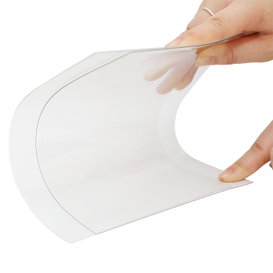
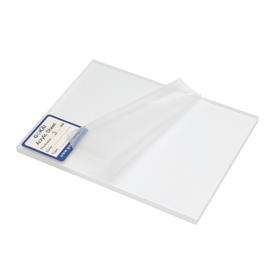
Gokai's colored and clear acrylic sheets are used in many architectural and industrial applications due to their strength, stiffness, and excellent optical clarity, at roughly half the weight and many times the impact resistance of glass. In the context of drainage: [lsdigital]
- Clear acrylic can form inspection windows or panels in service rooms and treatment skid enclosures.
- Colored or frosted acrylic sheets can hide pipework while still allowing maintenance access.
- Acrylic's durability and weather resistance make it suitable for decorative covers and signage near exposed drains or maintenance hatches. [lsdigital]
Because acrylic is easy to cut, shape, and bond, it can be customized to match specific project dimensions and branding requirements. [lsdigital]
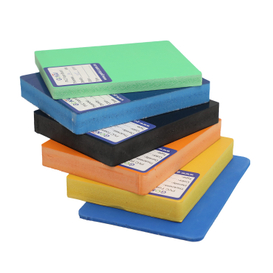
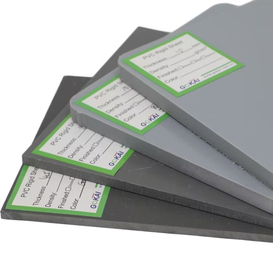
PVC foam board and other plastic panels can be used to:
- Line walls and ceilings in wet rooms or plant rooms.
- Create splash guards and barriers around open channels.
- Protect structural elements from splashing or minor leaks.
Gokai manufactures PVC foam board and acrylic sheet using advanced production lines, delivering consistent quality, good thickness tolerance, and strong mechanical properties that meet CE/SGS standards. [lsdigital]

To help you move from concept to specification, here is a step‑by‑step checklist that many engineers and contractors follow:
1. Define the environment and media
- Type of effluent (domestic wastewater, food waste, mild chemicals, industrial discharge).
- Maximum operating temperature and duration.
2. Assess structural and site constraints
- Burial depth and soil loads.
- Traffic or equipment loads above.
- Available installation space and access.
3. Choose the pipe material
- PVC or ABS for most commercial building drainage.
- CPVC for higher temperature lines.
- HDPE or reinforced composites for heavy‑duty or industrial systems. [blacktruckmedia]
4. Plan for UV and environmental exposure
- Add UV protection or cladding for exposed sections.
- Consider acrylic or PVC sheet covers where aesthetics matter. [lsdigital]
5. Optimize installation and maintenance
- Use modular trench drains where appropriate.
- Incorporate cleanouts, inspection points, and self‑cleaning features if available. [blacktruckmedia]
6. Coordinate with sheet and accessory materials
- Specify acrylic panels for visual inspection windows or branding.
- Use PVC foam board or similar sheets for wall and ceiling protection in wet areas. [lsdigital]
This structured approach ensures the system is not only compliant and durable, but also cost‑effective and easy to maintain.
With the wide range of plastics, formulations, and system designs now available, it is often valuable to consult a dedicated plastics supplier early in the design process. [nodigtrenchlessmarketing]
An experienced partner can help you:
- Match pipe materials and sheet products to the chemical and temperature profile of your application.
- Review load conditions and installation methods to ensure long‑term performance.
- Identify cost‑saving opportunities, such as optimizing diameters, wall thicknesses, or using modular components.
Gokai has been focused on developing and manufacturing acrylic sheet and PVC foam board since 2009, with multiple production lines and extensive export experience. This combination of manufacturing capability and application knowledge makes it easier for you to specify the right plastic materials for your drainage and related infrastructure. [lsdigital]
If you are planning or upgrading a commercial or industrial drainage system, plastic solutions should be at the top of your shortlist. Their lightweight nature, corrosion resistance, installation speed, and evolving innovations make them a compelling choice for modern buildings and infrastructure. [blacktruckmedia]
Gokai can support your project by providing:
- Acrylic sheets (clear and colored) for enclosures, covers, and visual access panels.
- PVC foam board and related sheet products for wall, ceiling, and equipment protection in wet or corrosive environments. [lsdigital]
- OEM and custom fabrication services to match your precise dimensions, colors, and branding. [lsdigital]
To discuss material selection, OEM options, or to request technical data for your next project, contact Gokai's plastics specialists today via phone or email from our official website. [lsdigital]
1. Are plastic drainage systems durable enough for heavy commercial use?
Yes. When correctly specified and installed, plastic drainage systems made from PVC, ABS, HDPE, or CPVC deliver long service life in commercial buildings, thanks to their corrosion resistance and smooth internal surfaces. [blacktruckmedia]
2. Can plastic drainage pipes handle hot wastewater from commercial kitchens?
They can, provided you choose the right material. Standard PVC has temperature limits, but CPVC and certain specialized plastics can handle higher temperatures typical of commercial kitchen or laundry discharge. [blacktruckmedia]
3. How can I protect plastic drainage pipes from UV damage outdoors?
Options include using UV‑stabilized pipe formulations, applying protective coatings or wraps, or installing acrylic or PVC sheet cladding to shield exposed pipes from direct sunlight. [lsdigital]
4. What role do acrylic sheets play in drainage system design?
Acrylic sheets can serve as inspection windows, protective covers, decorative panels, or signage near drainage equipment. They combine high clarity with impact resistance and are easy to shape and fabricate. [lsdigital]
5. Does Gokai provide custom or OEM solutions for drainage‑related components?
Yes. Gokai offers OEM and customized acrylic and PVC sheet products, including bespoke sizes, colors, and surface effects, to support drainage enclosures, cladding, and other related applications in commercial projects. [lsdigital]
1. Piedmont Plastics – "Advantages of Plastic Drainage Systems for Commercial Use"
<https://www.piedmontplastics.com/blog/advantages-of-plastic-drainage-systems-for-commercial-use> [blacktruckmedia]
2. Shanghai Gokai Industry Co., Ltd. – "Colored Acrylic Sheets" (Product and company information)
<https://www.gokai.com.cn/colored-acrylic-sheets.html> [lsdigital]
3. Shanghai Gokai Industry Co., Ltd. – Company profile (Acrylic sheet and PVC foam board manufacturer)
<https://cn.gokai.com.cn/aboutus.html> [cn.gokai.com]
4. LS Digital – "E‑E‑A‑T Guidelines 2025: How to Build Google-Friendly Content"
<https://www.lsdigital.com/blog/e-e-a-t-guidelines-2025/> [lsdigital]
5. Nautilus Marketing – "How to Write Killer Blogs: The Complete Guide to E‑E‑A‑T"
<https://nautilusmarketing.co.uk/how-write-killer-blogs-complete-guide-e-e-a-t/> [nautilusmarketing.co]