Shanghai Gokai Industry Co,.Ltd.
Call Us: +86-18918606548
Call Us: +86-18918606548
- Product Name
- Product Keyword
- Product Model
- Product Summary
- Product Description
- Multi Field Search
Views: 222 Author: Gokai Publish Time: 2026-05-20 Origin: Site


Acrylic sheet is often the smarter choice than glass for modern projects that demand safety, weight reduction, optical clarity, and design flexibility, while traditional glass still wins where extreme heat resistance, scratch hardness, or very low cost matter most. For OEM buyers and engineers, the real question is not "Which is better?" but "Which material aligns with my performance, processing, and lifecycle requirements?"—and that's where a specialist acrylic sheet supplier like Gokai can add tangible value from design to delivery. [americanacrylics]

In this article, we will look at acrylic vs glass from a practical, engineering-driven perspective and share insights from real OEM projects, fabrication experience, and up‑to‑date industry data. You will learn where acrylic truly outperforms glass, where glass still makes more sense, and how to make a confident material decision for your next application—with clear guidance on when to partner with an acrylic sheet OEM like Gokai. [digitalshaping]
From an end user's perspective, acrylic and glass often look similar—but their behavior in real‑world use is very different. Acrylic (PMMA, often branded as plexiglass) is a lightweight, impact‑resistant thermoplastic, while glass is an inorganic, brittle material with excellent hardness and heat resistance. [alandsplastic]
Engineers and buyers typically compare the two on:
- Weight and handling (transport, installation, structural load) [hydrosight]
- Impact strength and safety (shatter behavior, public spaces, machinery guards) [alandsplastic]
- Optical clarity and aesthetics (light transmission, tint, long‑term yellowing) [americanacrylics]
- Thermal and chemical resistance (operating temperature, lab/industrial environments) [americanacrylics]
- Fabrication and design flexibility (cutting, bending, bonding, CNC, laser processing) [royaletouche]
- Lifecycle cost (material price, processing cost, maintenance, replacement frequency) [digitalshaping]
The table below summarizes the most critical technical differences that matter in OEM and engineering projects. [hydrosight]
| Property | Acrylic Sheet (PMMA) | Traditional Glass |
|---|---|---|
| Weight / Density | About half the weight of glass, 1150–1190 kg/m³, easier to transport and install. alandsplastic | 2400–2800 kg/m³, significantly heavier, higher structural and handling load. hydrosight |
| Impact Resistance | Around 10× more impact‑resistant than glass, does not shatter into sharp fragments. alandsplastic | Brittle, shatters into sharp pieces, higher safety risk when broken. americanacrylics |
| Light Transmission (VLT) | Up to ~92% visible light transmission; often clearer than standard glass. americanacrylics | Typically ~85–90% with slight green tint in thicker panels. alandsplastic |
| Thermal Insulation | Lower thermal conductivity, better insulation than laminated glass in many cases. hydrosight | Higher thermal conductivity, less insulation compared to acrylic at similar thickness. hydrosight |
| Heat Resistance | Typical continuous service up to ~80 °C; softens at higher temperatures. americanacrylics | Often above 200 °C, excellent for high‑temperature environments, non‑flammable. americanacrylics |
| Scratch Resistance | Softer surface, more prone to scratching; can be polished or coated. alandsplastic | High surface hardness, better scratch resistance, longer‑lasting under abrasion. alandsplastic |
| Chemical Resistance | Moderate; sensitive to some solvents such as acetone or gasoline. americanacrylics | Chemically inert, highly resistant to most chemicals, ideal for many lab applications. americanacrylics |
| UV and Weathering | Modern cast acrylic resists yellowing and is UV‑stable with proper formulation. hydrosight | Glass is naturally UV and weather resistant; some types block more UV than others. americanacrylics |
| Fabrication Flexibility | Easy to cut, drill, CNC, laser‑cut, bond, thermoform, and polish. royaletouche | More difficult to machine; requires specialized cutting and cannot be thermoformed like acrylic. americanacrylics |
| Cost Considerations | Often more affordable when you factor weight, fabrication, and shipping. alandsplastic | Standard glass can be cheaper per m², but heavier, harder to process, and more fragile. alandsplastic |
From an OEM and project‑management standpoint, acrylic excels where safety, weight, and process flexibility drive the decision. In our experience working with global buyers, acrylic is usually the preferred option in the following scenarios. [cn.gokai.com]
Because acrylic is highly impact‑resistant and does not shatter into sharp shards, it is widely chosen for: [alandsplastic]
- Protective screens and machine guards
- Retail displays and POS fixtures
- Stadium and arena barriers
- Zoo enclosures and aquarium viewing panels
In these applications, the ability to absorb impact without dangerous breakage is often more important than maximum scratch hardness. [hydrosight]
For large panels or installations where weight translates directly into structural cost and handling risk, acrylic's density advantage becomes crucial. [alandsplastic]
- Large signage and light boxes
- Overhead glazing and skylights (with proper framing)
- Exhibition booths and portable displays
Using acrylic can reduce installation time, safety risk during handling, and load requirements for support structures. [hydrosight]
Acrylic can be thermoformed, bent, and CNC‑machined into complex geometries that would be impractical or impossible with glass. This matters when you need: [smbceo]
- Custom curved panels or 3D displays
- Integrated mounting features and channels
- Precision cutouts for lighting, sensors, or hardware
An OEM partner with casting, machining, and finishing capabilities can often deliver acrylic components that eliminate multiple assembly steps in your final product. [royaletouche]
Glass remains the benchmark in applications where very high heat, scratch hardness, or specific cost constraints are non‑negotiable. [americanacrylics]
You should lean toward glass when:
- The operating temperature is well above 80 °C (ovens, lab furnaces, some industrial viewports). [americanacrylics]
- The surface will face heavy abrasion and you cannot use protective films or coatings. [alandsplastic]
- You need very thin, low‑cost panels where basic float glass is priced lower than high‑grade acrylic. [alandsplastic]
In some projects, engineers even combine the two—using glass where extreme heat or abrasion is expected and acrylic for impact‑resistant guards, covers, or decorative elements. [hydrosight]
Many of our OEM customers start with glass because it feels "traditional" and then switch to acrylic once the full cost and performance picture becomes clear. A typical pattern looks like this: [cn.gokai.com]
1. Initial design: Standard glass panels used for display covers or machine guards.
2. Pain points: High breakage during shipping, difficult installation due to weight, safety incidents with shattered glass.
3. Material review: Engineering team compares impact resistance, weight, and lifecycle cost and tests acrylic samples. [americanacrylics]
4. Switch to acrylic: Panels redesigned in cast acrylic with optimized thickness and edge finishing. [interstateam]
5. Results:
- Breakage rates during shipping dramatically reduced
- Faster installation with smaller crews
- Improved safety profile, especially in areas accessible to operators or the public
By thinking beyond unit price per square meter and looking at total cost of ownership, acrylic often delivers a better long‑term ROI than glass in these scenarios. [digitalshaping]
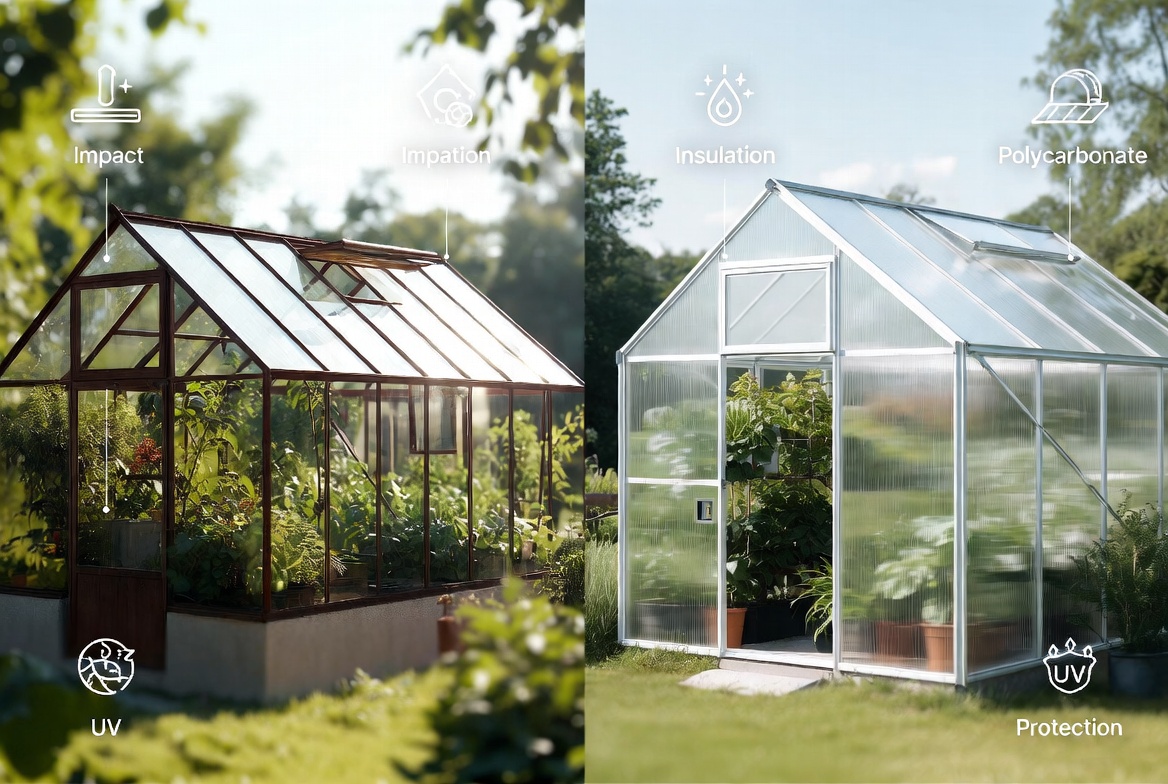
Understanding how acrylic sheets are made helps you evaluate quality and choose the right OEM partner. [interstateam]
Modern acrylic sheet production typically follows these steps: [royaletouche]
1. Raw material preparation – PMMA monomers and additives are selected and measured to achieve the desired clarity, UV stability, and mechanical properties. [royaletouche]
2. Polymerization – Liquid monomer is polymerized into solid acrylic in controlled conditions to reduce internal stress and ensure consistent optical quality. [royaletouche]
3. Casting or extrusion –
- Cast acrylic is poured into molds for superior optical quality and thickness stability. [turboplastic]
- Extruded acrylic is pushed through a die, ideal for cost‑effective, high‑volume production. [smbceo]
4. Cooling and sizing – Sheets are cooled under controlled conditions, then cut to standard or custom sizes. [royaletouche]
5. Finishing and quality control – Edges are trimmed or polished, protective films applied, and sheets inspected for chips, cracks, thickness tolerance, and clarity. [interstateam]
An OEM supplier with strict in‑house QC ensures consistency from batch to batch—critical for global buyers who rely on repeatable performance. [cn.gokai.com]
Compared to glass, acrylic requires different handling and processing techniques to unlock its full potential. [smbceo]
Key best practices include:
- Use the right cutting tools: Dedicated plastic blades or laser cutters help prevent chipping and melting. [smbceo]
- Select the right grade: Extruded acrylic for flame‑polished edges, cast acrylic for a frosted‑glass look or high optical precision. [turboplastic]
- Control heat during forming: Uniform heating and careful control of sheet temperature reduce stress and warping. [interstateam]
- Protect surfaces: Keep the protective film on as long as possible and use soft, non‑abrasive materials during handling and cleaning. [interstateam]
When you work with an experienced OEM like Gokai, many of these steps can be handled upstream—including CNC cutting, bending, polishing, and protective packaging—so your team receives near‑ready‑to‑install components. [digitalshaping]
For global buyers, the real value of acrylic comes from combining material performance with manufacturing capability. [cn.gokai.com]
A specialist OEM acrylic sheet supplier can help you:
- Match material to your application: Select thickness, grade (cast vs extruded), UV stabilization, and surface finish based on real operating conditions. [turboplastic]
- Optimize for fabrication: Design sheets and components around your downstream processes—laser cutting, routing, bonding, or assembly. [smbceo]
- Scale consistently: Maintain stable quality, color, and optical properties across repeated orders and multiple production runs. [cn.gokai.com]
- Reduce logistics risk: Specify packaging, palletization, and protective films to minimize damage during international transport. [cn.gokai.com]
If you are evaluating a switch from glass to acrylic, this OEM collaboration is often what turns a promising material choice into a reliable, long‑term solution. [digitalshaping]
When advising engineers and purchasing teams, we usually break the decision into a simple checklist rather than a purely theoretical comparison. [digitalshaping]
1. Define operating conditions
- Maximum and minimum temperature
- Exposure to chemicals or cleaning agents
- Indoor vs outdoor, UV exposure
2. Set safety and compliance requirements
- Risk of impact or vandalism
- Proximity to operators or the public
- Applicable industry standards
3. Evaluate weight and handling constraints
- Panel size and thickness
- Installation height and access
- Shipping routes and packaging options
4. Align optical and aesthetic goals
- Required light transmission and color
- Tolerance for surface scratches (and possibility of coatings)
5. Calculate total cost of ownership
- Material price per m²
- Fabrication and installation cost
- Expected maintenance and replacement intervals
If safety, weight reduction, and design flexibility sit at the top of your list, acrylic sheet is usually the stronger option. If extreme heat, heavy abrasion, or minimal upfront cost dominate, glass may remain the better fit. [hydrosight]
If you are currently designing a new product, upgrading an existing installation, or exploring a switch from glass to acrylic, it pays to get technical input early. [cn.gokai.com]
A specialized acrylic sheet OEM can help you:
- Validate whether acrylic is suitable for your operating conditions
- Select appropriate grades, thicknesses, and finishes
- Design around fabrication, assembly, and logistics constraints
Ready to evaluate acrylic for your project?
Reach out to our team with your drawings, performance requirements, and target volumes so we can recommend an optimized acrylic sheet solution and provide a tailored OEM proposal. [digitalshaping]

1. Is acrylic glass better than glass?
Acrylic is not universally better, but it is often safer, lighter, and more impact‑resistant than traditional glass, with excellent optical clarity. Glass still wins for very high temperatures, higher scratch resistance, and some low‑cost applications. [alandsplastic]
2. Does acrylic turn yellow over time?
High‑quality cast acrylic formulated for outdoor use is designed to resist yellowing and UV degradation for many years, especially when sourced from reputable manufacturers. Cheap or poorly stabilized materials are more prone to color change. [turboplastic]
3. Can acrylic be used outdoors instead of glass?
Yes, acrylic is widely used outdoors for signage, glazing, and displays thanks to its UV stability, impact resistance, and lower weight. Proper grade selection, installation, and cleaning are important for long service life. [interstateam]
4. How should acrylic sheets be cleaned?
Use a soft cloth and mild soap solution rather than aggressive solvents like acetone or strong alcohols, which can damage the surface. Specialized acrylic cleaners and antistatic agents help reduce scratching and dust attraction. [smbceo]
5. Is acrylic more expensive than glass?
Basic float glass can be cheaper per square meter, but acrylic often reduces costs in shipping, handling, fabrication, and breakage, especially on large or complex components. When you evaluate total lifecycle cost, acrylic is frequently more economical in safety‑critical or weight‑sensitive applications. [alandsplastic]
1. American Acrylics – "Acrylic vs Glass – 3 Important Comparisons"
<https://americanacrylics.com/plastic-industry-resources/acrylic-vs-glass/> [americanacrylics]
2. Alands Plastic – "Is Acrylic Glass Better Than Glass?"
<https://www.alandsplastic.com/news/news/Is_Acrylic_Glass_Better_Than_Glass_.html> [alandsplastic]
3. Hydrosight – "Acrylic Windows vs Glass Windows"
<https://www.hydrosight.com/glass-vs-acrylic-a-comparison> [hydrosight]
4. Royalé Touche – "How Acrylic Sheets Are Made: Step-by-Step Manufacturing Process"
<https://royaletouche.com/acrylic/blog/how-acrylic-sheets-are-made/> [royaletouche]
5. Interstate Advanced Materials – "Acrylic Sheet Fabrication Guide"
<https://interstateam.com/docs/Acrylic-Sheet-Fabrication-Guide.pdf> [interstateam]
6. SMB CEO – "Demystifying Manufacturing: 3 Tips for Working With Acrylic Sheets"
<https://www.smbceo.com/2020/12/20/demystifying-manufacturing-3-tips-for-working-with-acrylic-sheets/> [smbceo]
7. Turbo – "Everything You Need to Know About Acrylic Sheet"
<https://turboplastic.com/zh-TW/blog/everything-you-need-to-know-about-acrylic-sheet/> [turboplastic]
8. Digital Shaping – "B2B SEO Strategies for Manufacturers"
<https://digitalshaping.com/b2b-seo-strategies-for-manufacturers/> [digitalshaping]
9. Gokai – Acrylic Sheet Product Page (Chinese)
<https://cn.gokai.com.cn/pd48320584.html> [cn.gokai.com]