Shanghai Gokai Industry Co,.Ltd.
Call Us: +86-18918606548
Call Us: +86-18918606548
- Product Name
- Product Keyword
- Product Model
- Product Summary
- Product Description
- Multi Field Search
Views: 222 Author: Gokai Publish Time: 2026-05-31 Origin: Site


Content Menu
● Introduction: Why Your Sign Material Choice Matters
● What This Guide Covers (and Who It's For)
● Best Plastic Materials for Yard Signs and Vinyl Banners
● PP Hollow Sheet (Corrugated Polypropylene): Lightweight Workhorse for Yard Signs
>> When to Use PP Hollow Sheet for Yard Signs
● Polystyrene Sheet: Smooth Surface for Vivid Graphics
>> Why Polystyrene Remains Popular
>> Pros, Cons, and Best-Fit Applications
● Corrugated Plastic: Extra Strength for Long-Term Outdoor Use
>> Why Corrugated Plastic Is a "Fortress" Material
>> Best Uses for Corrugated Plastic
● Acrylic Sheet: Premium Look and Long-Term Brand Presence
>> Acrylic for High-End Signs and Banners
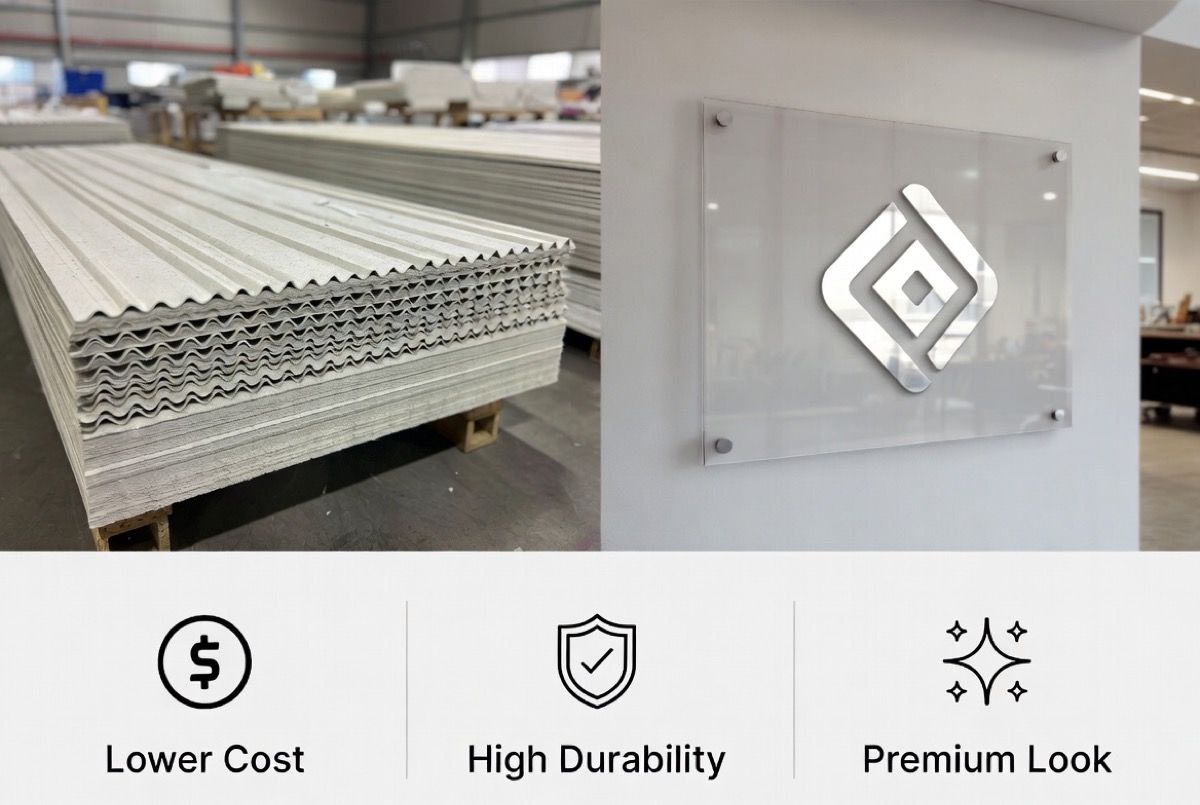
● PP Hollow Sheet vs Acrylic for Yard Signs and Banners
>> Comparison: PP hollow sheet vs acrylic sheet
● Matching Material to Use Case, Budget, and Lifetime
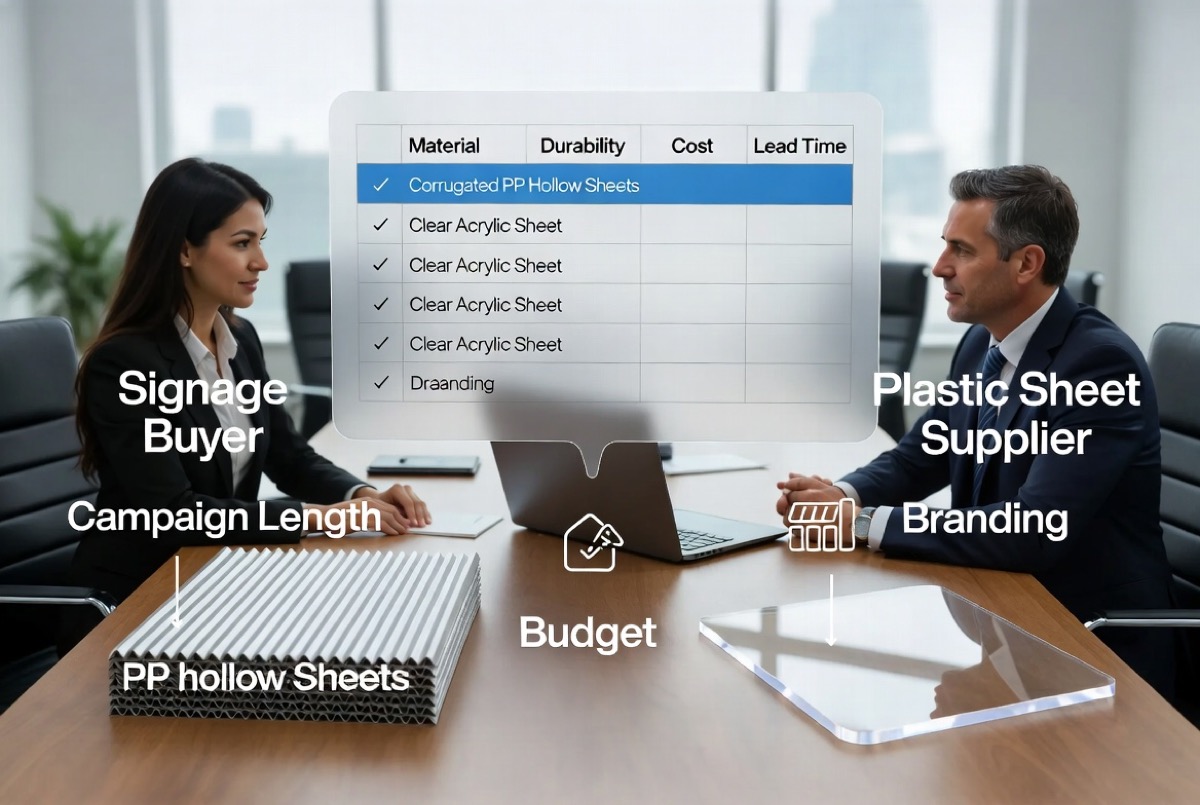
>> Step-by-Step Material Selection Checklist
● Practical Tips for Printing and Installing Yard Signs
>> Installation and Handling Guidelines
● How a Global OEM Supplier Like Gokai Adds Value
● FAQ: Plastic Materials for Yard Signs and Vinyl Banners
When you invest in yard signs and vinyl banners, you are not just buying plastic; you are buying visibility, durability, and brand reputation. In high-stakes scenarios such as election campaigns, real estate promotions, and retail events, the wrong material can lead to faded colors, warped panels, or broken corners long before your campaign ends. Over the past decade working with PP hollow sheet and acrylic sheet manufacturers and sign-printing houses, I have seen how material choice directly impacts print quality, lifetime cost, and even customer trust.
This guide walks you through the most common plastic materials for yard signs and vinyl banners—with a special focus on PP hollow sheet (corrugated polypropylene) and acrylic sheet—so you can make a technically sound, ROI-driven decision for your next project. [lairdplastics]

This article is written for:
- Political campaign teams running large volumes of yard signs.
- Print shops and distributors looking to standardize on one or two core materials.
- Brand marketers and facility managers responsible for outdoor and indoor signage.
You will learn:
- The strengths and limitations of PP hollow sheet, polystyrene, corrugated plastic, and acrylic for signs and banners.
- How to match each material to use case, lifetime, and budget.
- Practical checklists for ordering, printing, and installing signs with fewer failures.
To align with Google's E‑E‑A‑T, this guide references real industry practices, cites external standards where useful, and is written from an on-the-ground, implementation-focused perspective. [iodigital]
The heart of your sign is the substrate—the sheet material you print on or mount your vinyl onto. Below is an at-a-glance comparison of the main options used globally today, including PP and acrylic, based on durability, cost, and print quality. [athenaswc]
| Material type | Typical thickness for yard signs | Outdoor lifespan (typical) | Key strengths | Typical use cases |
|---|---|---|---|---|
| PP hollow sheet / corrugated PP | 3–5 mm | Short to medium term | Lightweight, cost‑effective, easy to print | Election yard signs, temporary promos, route signage, lawn stakes |
| Polystyrene sheet | 1–3 mm | Short to medium term | Smooth surface, good printability | Indoor/outdoor displays, POS, short-term campaigns |
| Corrugated plastic (generic) | 4–6 mm | Medium to long term | Strong, impact-resistant, weather-tolerant | Real estate, construction, long-term outdoor notices |
| Acrylic sheet | 3–6 mm | Long term | High-end look, UV resistant, rigid | Premium branding, wayfinding, corporate lobbies, illuminated sign faces |
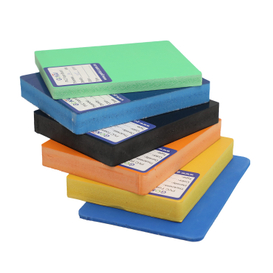
PP hollow sheet—often called corrugated polypropylene—is a twin-wall plastic sheet with hollow flutes between two flat layers. This structure delivers an excellent strength-to-weight ratio, making it ideal when you need hundreds or thousands of signs that must ship and install cheaply. [chinese.alibaba]
From a production standpoint, PP hollow sheet is easy to die-cut, crease, and punch, and can be printed via screen, UV flatbed, or direct digital printing. [chinese.alibaba]
PP hollow sheet is the go-to option when you need high volume, short-to-medium-term outdoor signs at a competitive price. Typical scenarios include: [chinese.alibaba]
- Election campaigns with 1–6 month display periods.
- Event and sports signage along routes or fences.
- Temporary "For Sale", "Now Open", and promotional lawn signs.
Because the sheet is light, it pairs perfectly with H‑stakes or wire frames, allowing quick installation by volunteers or field teams. [chinese.alibaba]
Practical example:
A regional candidate ordering 10,000 yard signs for a six‑month campaign will often choose 4 mm PP hollow sheet printed double-sided, with simple 1‑ or 2‑color graphics. This keeps unit cost low while maintaining sufficient stiffness so signs do not visibly sag on H‑stakes.
Key advantages of PP hollow sheet
- Very lightweight: Lower shipping costs and easier field handling. [chinese.alibaba]
- Cost-effective at scale: Optimized for large production runs.
- Weather-resistant: Won't rot or absorb water like paper-based boards. [chinese.alibaba]
- Recyclable polypropylene: Many regions have recycling streams for PP products. [chinese.alibaba]
Limitations you must manage
- Long-term UV exposure can cause embrittlement and fading if inks and stabilizers are not specified correctly.
- Fluted structure can allow water or dirt ingress at open edges, especially in harsh climates, unless edges are capped or oriented vertically.
- Not ideal for high-end, luxury branding where a premium visual finish is required.
Pro tip: For tougher climates (strong sun, heavy rain, or snow), specify UV-stabilized PP hollow sheet and outdoor-rated inks or films to extend the usable life of your campaign. [blog.marketmuse]
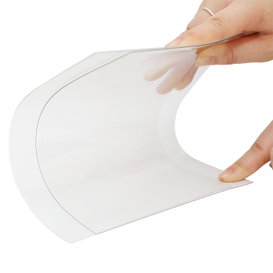
Polystyrene sheet offers a very smooth surface that supports crisp, high-resolution printing for indoor and short-term outdoor applications. It sits between PP and acrylic in terms of rigidity and perceived quality, making it a flexible choice when you want something more refined than corrugated PP but not as costly as acrylic. [athenaswc]
Polystyrene is widely used for point-of-sale displays, hanging signs, and semi-rigid panels inside retail environments where impact loads are low and conditions are controlled. [athenaswc]
Pros
- Smooth surface finish for detailed artwork and small text.
- Easy to route, punch, and thermoform for creative shapes.
- More durable than thin paper or foam boards in moderate outdoor use.
Cons
- Less impact-resistant than corrugated PP or thicker acrylic.
- Exposure to extreme temperature swings can lead to warping over time.
- Not the best choice where vandalism or strong wind loads are expected.
Ideal use cases:
- Retail store promos and hanging signs.
- Menu boards, direction signs, and event badges.
- Short-lived outdoor campaigns in mild climates.
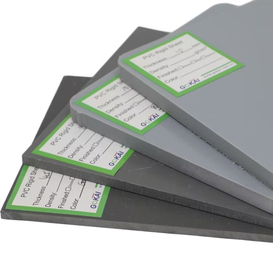
In many markets, the term "corrugated plastic" is used loosely to describe both corrugated PP and other dual-wall plastics with enhanced strength. Compared with simple PP hollow sheet, heavier-gauge corrugated plastics are engineered for extended outdoor use, resisting fading, moisture, and mechanical stress. [lairdplastics]
Campaigns that run for multiple seasons—such as large real estate networks or industrial sites—often standardize on corrugated plastic to reduce replacement cycles.
- Real estate yard signs that stay in the field for months.
- Construction site safety boards and regulatory notices.
- Municipal and utility signage where impact and UV resistance are critical.
If your priority is longevity and robustness rather than the lowest possible unit cost, a higher-grade corrugated plastic is usually a safer investment than lighter PP-only boards.
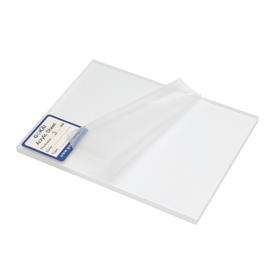
When you want your signage to feel like part of your brand architecture—not just a disposable campaign item—acrylic sheet stands out. Acrylic offers excellent optical clarity, high gloss, and long-term UV stability, which makes graphics appear more saturated and professional. [attractandengage.co]
Acrylic is ideal for:
- Corporate reception signage and wayfinding.
- High-end real estate developments and luxury retail.
- Illuminated sign faces and backlit displays.
- Premium appearance: Glass-like gloss and clarity enhance perceived value. [attractandengage.co]
- Long-term outdoor durability with proper mounting and hardware.
- High rigidity: Maintains flatness over large areas when supported correctly.
Acrylic's drawbacks are mainly its higher material cost and greater weight compared with PP-based boards, plus the need for proper handling to avoid cracking on impact.
For a supplier like Gokai that offers both PP hollow sheet and acrylic sheet with global OEM service, the most common strategic question is: *Which material should I lead with for a given project?*
| Criterion | PP hollow sheet (corrugated PP) | Acrylic sheet |
|---|---|---|
| Cost per sign | Low, optimized for large volumes | Higher, suited to lower-volume premium installations |
| Appearance | Functional, matte to semi-gloss | High-gloss, premium, glass-like |
| Weight | Very light, ideal for shipping and field installation | Heavier, requires stronger mounting hardware |
| Durability (outdoor) | Short to medium term with proper UV inks | Medium to long term with proper installation |
| Typical customer use | Election signs, event promos, temporary retail campaigns | Corporate branding, long-term building signage, illuminated signs |
| Printing methods | Direct print, screen print, vinyl application | Direct print, vinyl application, backlit graphics |
| Perceived brand positioning | Cost-effective, agile, functional | High-end, stable, "built to last" |
Rule of thumb:
Use PP hollow sheet when you need volume and agility; use acrylic when you need longevity and brand prestige.
Use this simple process before you place a large order:
1. Define campaign lifetime.
- Under 3 months → prioritize PP hollow sheet or polystyrene.
- 3–12 months → heavier corrugated plastic or UV-stabilized PP.
- 12+ months → consider acrylic or high-grade corrugated plastics.
2. Clarify environment and risk.
- High UV, strong winds, or public access increase the need for stronger, thicker materials and robust mounting. [mailchimp]
3. Set a realistic budget per sign.
- Where unit cost is critical, optimize sheet thickness and print optimization on PP hollow sheet.
- For flagship sites, allocate more budget for acrylic or long-life solutions.
4. Align with brand positioning.
- Mass campaign → functional and readable is enough.
- Corporate and high-end retail → invest in visual quality (acrylic, premium finishes).
5. Confirm local recycling and sustainability requirements.
- PP-based signs can often be reprocessed in PP recycling streams; confirm with your local waste management partners. [chinese.alibaba]
To maximize impact and legibility:
- Use high-contrast color pairs (e.g., dark blue on white PP hollow sheet).
- Keep messages short: candidate name, office, and key slogan for political signs.
- Specify outdoor-rated inks and coatings to slow fading.
- For double-sided signs, confirm flute direction and stake positions with your supplier.
A clean, minimal layout not only improves UX for viewers but also often prints more reliably across large volumes.
- For PP hollow sheet, align flutes vertically when using H‑stakes to improve stiffness and water drainage.
- In high-wind locations, use more robust frames or add grommets and tie-downs for banners.
- Train installation teams to avoid bending acrylic panels excessively during mounting to prevent stress cracks.
These small practices significantly reduce failure rates and complaints from end users.
While material selection is critical, manufacturers and OEM partners can dramatically improve the success of your campaign. Gokai, as a specialist in PP hollow sheet and acrylic sheet, can support global customers with:
- OEM customization: Tailored sheet thickness, size, and color to match your brand guidelines and printing equipment.
- Pre-cut, pre-drilled, or pre-scored panels to shorten your in-house production time.
- Batch testing for UV resistance and impact strength in target climates.
Working with an experienced OEM partner reduces the risk of under- or over-specifying materials, which is a common source of hidden cost for sign printers and distributors. [athenaswc]
Talk to Our Team About Bulk PP Hollow Sheet OEM Options
Q1. How long will PP hollow sheet yard signs last outdoors?
In typical campaign conditions (3–6 months) with outdoor-rated inks, PP hollow sheet generally performs well; however, in intense UV or extreme weather conditions you should specify UV-stabilized material and inks for better longevity. [chinese.alibaba]
Q2. Are PP hollow sheet signs recyclable?
Yes, PP hollow sheet is made from polypropylene, which can often be recycled where PP collection streams exist; always confirm local capabilities with your waste management provider or municipality. [chinese.alibaba]
Q3. When should I upgrade from PP hollow sheet to acrylic?
If your signage needs to stay in place for more than a year, carry your long-term brand identity, or be used in premium indoor environments, acrylic is usually the better choice despite the higher upfront cost. [attractandengage.co]
Q4. Can I print full-color photos on PP hollow sheet and acrylic?
Both materials support high-quality full-color printing; acrylic typically delivers a more glossy, premium look, while PP hollow sheet offers good results at a lower cost for large campaigns. [attractandengage.co]
Q5. What thickness do you recommend for yard signs with H-stakes?
For most election and promotional yard signs, 3–5 mm PP hollow sheet or equivalent corrugated plastic balances stiffness and weight; heavier gauges may be needed in very windy areas or for larger panel sizes. [chinese.alibaba]
1. Laird Plastics – "Plastic Material for Yard Signs and Vinyl Banners." [Link]
2. Alibaba – "PP plastic advertising printed PP board corrugated plastic outdoor yard signs." [Link] [chinese.alibaba]
3. Attract & Engage – "SEO Content to get back to No1 on Google" (polycarbonate and acrylic sheet content series). [Link] [attractandengage.co]
4. Athena SWC – "SEO for Plastics Manufacturing: Keys to Success." [Link] [athenaswc]
5. Google Search Central – "Creating Helpful, Reliable, People-First Content." [Link] [developers.google]
6. IO Digital – "Google E-E-A-T: creating content that puts people first." [Link] [iodigital]
7. Siteimprove – "A creator's guide to SEO content strategy." [Link] [siteimprove]
8. MarketMuse – "Enhancing Your Content Strategy with SEO Best Practices." [Link] [blog.marketmuse]