Shanghai Gokai Industry Co,.Ltd.
Call Us: +86-18918606548
Call Us: +86-18918606548
- Product Name
- Product Keyword
- Product Model
- Product Summary
- Product Description
- Multi Field Search
Views: 319 Author: Gokai Publish Time: 2026-06-02 Origin: Gokai


In the global plastics sheet industry, choosing a reliable PVC foam board supplier is not just about pricing—it directly impacts product performance, brand reputation, and long-term profitability. As a manufacturer with extensive export experience, I have worked closely with distributors across the Middle East, Eastern Europe, and North America, helping them overcome recurring quality and supply chain challenges.
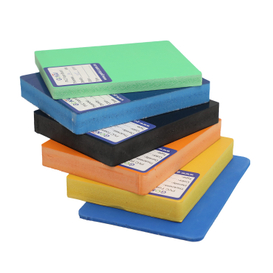
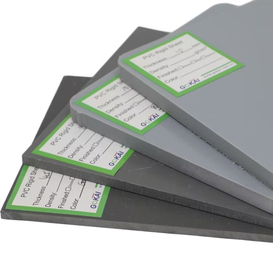
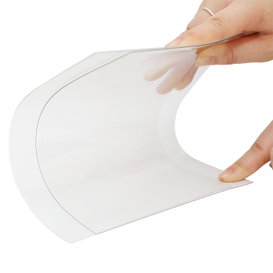
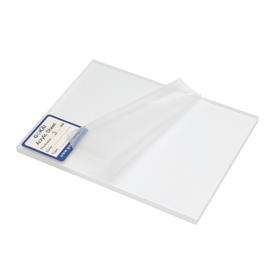
At Gokai, we specialize in PVC foam board, alongside WPC foam board, acrylic sheets, PET/PETG sheets, ABS sheets, aluminum composite panels, and polycarbonate sheets. Through years of OEM manufacturing and international trade, we have developed a deep understanding of how different climates, regulations, and application scenarios affect material performance.
This case study shares how we helped multiple global clients—particularly in Russia, Bulgaria, and the Middle East—solve critical product issues and build stable, scalable businesses.
In Eastern European markets such as Russia and Bulgaria, PVC foam board is widely used in:
- Cabinet manufacturing
- Interior decoration
- Advertising panels
- Construction applications
These regions present unique environmental and regulatory challenges.
For Russia, the key issue is extreme climate variation, especially low temperatures and dry conditions. Many standard PVC foam boards tend to become brittle, warp, or lose structural integrity under such conditions.
From my experience working with local distributors, their core requirements include:
- High-density structure for rigidity
- Strong deformation resistance
- Stable performance under low temperatures
- Consistent batch quality for large-volume projects
To meet these needs, we optimized our formulation by adjusting foaming ratios and stabilizer systems. At the same time, we implemented strict batch control to ensure uniform density and thickness across every shipment.
Unlike Russia, Bulgaria requires compliance with EU environmental and product standards, especially for indoor applications and commercial decoration.
Clients in this market are highly sensitive to:
- Surface flatness
- Printing performance (UV printing, lamination)
- Environmental indicators (low emissions, compliant additives)
We worked closely with Bulgarian partners to improve:
- Surface smoothness for better ink adhesion
- Board flatness to reduce installation issues
- Material consistency to meet EU compliance expectations
This allowed our clients to confidently supply materials for signage production and interior design projects without regulatory risks.

Through years of OEM production and troubleshooting, I've observed that many overseas buyers face recurring issues when sourcing from unstable suppliers.
The most common problems include:
- Board warping during storage or installation
- Uneven density leading to weak internal structure
- Color inconsistency between batches
- Poor UV resistance causing yellowing and aging
- Surface defects affecting printing and lamination
These issues not only increase after-sales complaints but can also result in significant financial losses for distributors.
At Gokai, we approach these challenges from a manufacturing and process control perspective:
- Optimizing raw material ratios to ensure uniform foaming
- Using stable additives to improve UV and weather resistance
- Implementing strict quality inspection for each batch
- Maintaining consistent production parameters across orders
This systematic approach allows us to minimize variability and deliver reliable, repeatable product performance.
One of our most representative long-term clients is a professional distributor of advertising and construction materials in the Middle East.
Before working with us, the client faced serious challenges:
- Frequent customer complaints due to warped boards
- Inconsistent density causing processing difficulties
- Rapid discoloration under strong sunlight
- Loss of trust from downstream buyers
The Middle East environment—characterized by high temperatures and intense UV exposure—amplified these issues. Standard PVC foam boards simply could not withstand such conditions.
As a result, the client experienced:
- High return rates
- Increased after-sales costs
- Declining market competitiveness
After analyzing the client's application scenarios and environmental conditions, we developed a targeted solution.
Key improvements included:
- Enhanced anti-UV formulation to resist sunlight degradation
- Anti-yellowing additives to maintain color stability
- Improved weather resistance for long-term outdoor use
- Strict control of color consistency across batches
- Optimized surface smoothness for better processing and printing
We also guided the client through a structured cooperation process:
1. Sample customization based on local requirements
2. Multiple rounds of testing and verification
3. Small trial orders to validate market response
4. Gradual scaling to full container shipments
This step-by-step approach reduced risk and ensured that the final product truly met market expectations.
After successful trials, the client made a strategic decision to completely replace their previous supplier and establish an exclusive long-term partnership with us.
Since then:
- Bulk container shipments have remained stable for years
- Order volumes continue to grow steadily
- After-sales issues have been significantly reduced
- The client has regained market trust and competitiveness
From my perspective, this case clearly demonstrates that material consistency and environmental adaptation are critical to success in international markets.
Beyond PVC foam board, we provide OEM services across a wide range of plastic sheet products, including:
- WPC foam board
- PET and PETG sheets
- ABS sheets
- Aluminum composite panels
- Polycarbonate solid and hollow sheets
- PP hollow sheets and paper foam boards
What differentiates us is not just product variety, but our ability to:
- Customize formulations for specific climates and applications
- Maintain strict quality consistency across large orders
- Support clients from sampling to mass production
- Provide stable long-term supply for global distribution
This integrated capability allows our partners to streamline sourcing and reduce operational complexity.
Based on my experience working with international clients, selecting the right PVC foam board supplier should focus on:
- Proven export experience in your target market
- Ability to customize products for climate conditions
- Consistent batch quality and strict quality control
- Strong technical support during testing and onboarding
- Reliable long-term supply capacity
A supplier is not just a vendor—it is a strategic partner that directly influences your business stability and growth.
This case reflects a broader reality in the global sheet materials industry: product consistency and application-specific optimization are more important than ever.
At Gokai, we combine manufacturing expertise, export experience, and customer-focused customization to help clients reduce risk, improve product performance, and build sustainable supply chains.
From initial sampling to long-term container shipments, our goal is simple—to ensure every board performs reliably in the real world, not just on paper.