Shanghai Gokai Industry Co,.Ltd.
Call Us: +86-18918606548
Call Us: +86-18918606548
- Product Name
- Product Keyword
- Product Model
- Product Summary
- Product Description
- Multi Field Search
Views: 269 Author: Gokai Publish Time: 2026-10-25 Origin: Site


Content Menu
● Why Choose Polycarbonate Storm Panels for Windows?
>> Daylight Without Removing the Barrier
>> Impact Resistance With Practical Limitations
>> No Rust, but Not Maintenance-Free
● Why the Complete System Matters
>> Understand Impact and Cyclic Pressure Testing
>> Replace Universal Wind-Speed Claims With Design Information
>> Check Approval Scope, Not Just an Approval Number
● Polycarbonate vs. Metal vs. Plywood Storm Panels
● Choosing Solid, Multiwall, or Corrugated Polycarbonate
● An OEM Procurement Checklist for Global Buyers
>> Define the Destination and Application
>> Build a Documented Specification
>> Approve Samples Before Releasing Volume Orders
● A Practical Pre-Storm Workflow
● Cleaning, Inspection, and Storage After Use
● Request a Project-Specific OEM Quotation From Gokai
>> Are All Polycarbonate Sheets Suitable for Hurricane Protection?
>> What Thickness Should Polycarbonate Storm Panels Be?
>> Can Clear Hurricane Panels Replace Impact-Resistant Windows?
>> Can Polycarbonate Storm Panels Prevent Water Damage?
>> Does Gokai's OEM Service Include Hurricane Certification?
>> Can I Reuse Panels After a Hurricane?
Polycarbonate storm panels can protect vulnerable windows while allowing daylight into a building. For homeowners, distributors, and contractors, that combination makes them worth considering alongside metal shutters and plywood. However, choosing reliable polycarbonate hurricane panels requires more than comparing thickness, transparency, or price.
My starting point for evaluating any storm protection proposal is simple: assess the complete installed system, not the sheet alone. Panel geometry, anchors, supporting walls, opening dimensions, and installation details determine whether a product is suitable for its intended location.
For global buyers working with Gokai, this distinction also shapes a responsible OEM sourcing strategy. Material selection and customization should support the intended application without implying certifications that have not been verified.

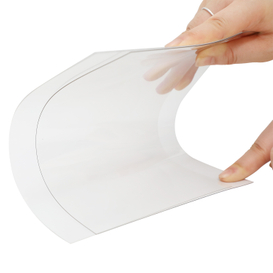
Clear or translucent panels admit daylight while covering windows. This matters when protection is installed before a storm and remains in place afterward, particularly during power interruptions.
However, light transmission and visibility are different properties. A clear solid panel may provide a different view from a ribbed multiwall product. Ask for a sample and product-specific optical information rather than relying on photographs.
Polycarbonate is valued for its impact resistance, but a material characteristic is not a hurricane approval. A sheet that performs well in a general impact test may not qualify as an installed storm shutter.
Look for evidence covering the actual panel configuration and fastening arrangement. Avoid descriptions such as "unbreakable" or "hurricane-proof," which imply protection beyond defined testing conditions.
Polycarbonate does not rust like ferrous metal. Nevertheless, scratches, incompatible cleaning chemicals, weathering, and damaged attachment points can affect its condition.
Outdoor durability also depends on the specified grade and ultraviolet protection. Blocking ultraviolet radiation from passing indoors does not automatically mean the sheet itself has adequate protection against long-term outdoor exposure.
Hurricane opening protection must address flying debris and repeated pressure changes. An impact test evaluates a defined projectile striking the specimen. Cyclic pressure testing then challenges the impacted assembly under repeated loading.
Relevant frameworks include ASTM E1886 and ASTM E1996, together with Florida testing protocols such as TAS 201, TAS 202, and TAS 203 where applicable. Requirements depend on the jurisdiction and intended installation.
A dramatic impact demonstration is not equivalent to complete qualification. Buyers should request the applicable test reports and approval documents, then check whether they cover the offered system.
A statement such as "withstands 170 mph winds" is incomplete without its engineering basis. Wind pressure on a particular opening depends on factors including building height, exposure, location, and geometry.
Instead, compare the project's required positive and negative design pressures with the permitted pressures for the proposed panel span and mounting details.
An archived Florida approval illustrates the relationship. One corrugated polycarbonate system lists a 10-foot maximum span at +28/−28 psf, but a 4-foot span at +105/−110 psf. Those figures belong to that specific historical system; they are not Gokai ratings or a current purchasing specification.
The lesson is practical: the same product can have different permitted pressures at different spans. Always verify the current approval revision and local acceptance.
An approval can restrict substrate types, panel dimensions, anchor spacing, mounting options, or geographic use. A Florida approval does not automatically establish suitability for the High-Velocity Hurricane Zone or another country's requirements.
Request the complete installation drawings. A logo or certificate cover page cannot tell you whether the proposed installation falls within the approved scope.
No material is the best choice for every property. Compare compliant systems for the same opening and exposure rather than comparing isolated sheets.

| Selection factor | Polycarbonate panels | Metal panels | Plywood coverings |
|---|---|---|---|
| Daylight | Clear or translucent options | Usually opaque | Opaque |
| Handling | Weight depends on thickness and profile | Aluminum and steel differ considerably | Size and thickness affect handling |
| Condition checks | Scratches, cracks, UV condition, attachment areas | Corrosion, deformation, hardware | Moisture damage, splitting, fastener damage |
| Reuse | Depends on condition and system instructions | Depends on condition and system instructions | Possible when suitable panels remain sound |
| Qualification | Verify the specific tested assembly | Verify the specific tested assembly | Confirm applicable local provisions |
Plywood should not be described as universally single-use. Prefitted panels can be stored for future use if their condition and applicable requirements permit. Similarly, aluminum and galvanized steel should not be treated as having identical corrosion behavior.
Compare upfront cost with deployment labor, storage, inspections, and replacement needs. Avoid promising a fixed service life without product-specific evidence and warranty terms.
Solid polycarbonate offers a continuous sheet structure. Multiwall products contain internal ribs and air spaces. Corrugated products use a shaped profile that affects stiffness and mounting geometry.
These constructions are not interchangeable merely because their nominal thicknesses appear similar. A 16 mm multiwall sheet intended for roofing is not automatically suitable for hurricane window protection.
Before selecting a construction, establish:
- Whether a tested system exists for the intended application.
- Maximum permitted opening dimensions and unsupported spans.
- Required supports, overlaps, and edge conditions.
- Clearance between the panel and protected glazing.
- UV protection, appearance, and handling requirements.
Where approval is required, select the documented assembly first. Do not choose a generic sheet and assume an installer can turn it into an approved system.
Begin with the destination market, project location, intended use, and opening schedule. Identify whether you are purchasing sheet stock for further engineering or components for an already qualified system.
This distinction prevents a frequent procurement mismatch: expecting a material supplier's data sheet to establish compliance for a finished building product.
When requesting an OEM quotation from Gokai, provide a specification that includes:
1. Sheet construction, nominal thickness, dimensions, and tolerances.
2. Color, transparency, surface finish, and UV protection requirements.
3. Drawings showing any cutting, drilling, or edge preparation.
4. Applicable standards and required compliance documentation.
5. Quantity, packing requirements, destination, and delivery expectations.
6. Identification, labeling, and traceability expectations.
Treat customization requests as items to confirm during quotation, not as capabilities established by this article. Any change to an approved system's material, geometry, or fabrication details needs appropriate review before use.
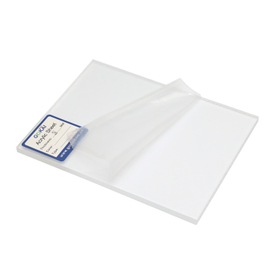
Use samples to evaluate dimensions, appearance, protective film identification, and packaging. Where appropriate, arrange inspection or testing against the agreed specification.
Keep an approved sample and written acceptance criteria. Clarify who is responsible for system design, qualification, fabrication checks, installation instructions, and local acceptance.
Gokai provides OEM services to global customers, but this article does not establish a hurricane approval for any Gokai product. Request evidence for the exact product and configuration under consideration.

Installation should follow the approved system instructions and applicable local requirements. A generic online fastening pattern is not a substitute.
- Create an opening schedule with a unique panel identifier for each location.
- Confirm anchors and supporting substrates match the installation documents.
- Check panel dimensions, glazing clearance, overlaps, and required hardware.
- Conduct a trial deployment under safe conditions.
- Record missing parts and resolve access problems early.
Do not improvise larger holes, different anchors, or reduced fastener quantities. Polycarbonate expands and contracts with temperature, but allowances must follow the specific system details rather than generic roofing advice.
Install protection early enough to avoid dangerous wind conditions. Follow official evacuation instructions regardless of which panels are installed.
Maintain required emergency exits and access routes. For upper-floor or difficult openings, arrange qualified installation rather than relying on ladders during deteriorating weather.
A useful planning exercise is to time a trial deployment. The result provides a property-specific labor estimate, unlike an unsupported claim that every homeowner can install panels quickly.
Once conditions are safe, inspect panels and hardware before returning them to storage. Look for cracking, damaged edges, elongated attachment holes, missing components, and visible changes in clarity or surface condition.
Follow the manufacturer's cleaning instructions. Polycarbonate guidance commonly recommends mild detergent, water, and a soft cloth, while warning against abrasive tools and incompatible cleaners.
Store components in a protected location according to their instructions. Keep panel labels, hardware, and installation documents organized together so the next deployment does not become a matching exercise.
If impact damage or structural deterioration is suspected, obtain a qualified assessment. Looking intact is not proof that a component retains its intended performance.
Storm panels protect openings within the limits of their tested and approved applications. They do not make an entire building hurricane-proof.
Opening protection is also not a flood barrier. Impact qualification does not establish a water-penetration rating, and panels cannot compensate for a weak roof, inadequate drainage, or unsafe evacuation decisions.
For commercial properties, schools, or buildings used as shelters, additional occupancy and emergency planning requirements may apply. Do not infer suitability for these uses from the sheet material alone.
The strongest purchasing decision connects material specifications with documented system performance and a realistic deployment plan.
Send Gokai your destination market, intended application, opening dimensions, quantity, sheet requirements, and required standards. Request an OEM quotation that identifies the proposed supply scope, customization options to be confirmed, supporting documents, and exclusions.
If hurricane approval is mandatory, make verification a purchasing condition before ordering. Clear responsibilities and written specifications are more valuable than an impressive but unqualified wind-speed claim.
No. General-purpose sheets and roofing panels are not automatically qualified storm shutters. Suitability depends on the tested assembly, its approval scope, and installation at the intended location.
There is no universal thickness. Use the thickness and construction specified for a system that meets the opening's design pressures, span, impact requirements, and local rules.
An approved shutter system may provide opening protection where local requirements permit. It does not turn the underlying window into an impact-rated window or establish equivalent performance in every respect.
They may reduce some exposure, but impact protection is not a guarantee against water intrusion. Evaluate window condition, drainage, flood exposure, and any separately documented water-performance requirements.
OEM supply does not itself establish certification. Ask Gokai to identify available documentation for the exact proposed product, and establish responsibility for any additional engineering, testing, or approvals before purchase.
Reuse depends on condition, manufacturer instructions, and the system's requirements. Inspect panels and attachments after use; replace or professionally assess damaged components rather than assuming they remain serviceable.
1. Acme Plastics. ["Why Polycarbonate Storm Panels Are the Gold Standard for Hurricane Protection."] Published October 2, 2025. Original article used to identify the subject, comparison framework, and claims requiring qualification. Its product-specific performance statements are not attributed to Gokai. [acmeplastics]
2. Florida Division of Emergency Management, Bureau of Mitigation. ["Hurricane Retrofit Guide: Debris Impact Standards."] Technical guidance supporting the distinction between impact testing and cyclic pressure testing, complete-system performance, installation compliance, and the limits of water protection. This background guide is not a substitute for current local code verification. [apps.floridadisaster]
3. Florida Building Commission. ["Product Approval FL11968-R4: Eastern Metal Supply Storm Panels."] Archived approval associated with the 2017 code version, revised October 19, 2020. Product 11968.4 supplies the historical span-and-pressure example and explicitly excludes HVHZ use. It is not presented as a current approval or a Gokai certification. [floridabuilding]
4. National Weather Service. ["Actions to Take When a Tropical Storm or Hurricane Threatens."] Official preparedness guidance supporting advance window protection, fitted plywood as an alternative, and compliance with evacuation instructions. [weather]
5. Palram Industries. ["SUNTUF® Corrugated Polycarbonate Panels."] Manufacturer guidance explaining UV-protective layers, compatible cleaning methods, and thermal movement. Used for general material-care principles, not hurricane qualification or Gokai product specifications. [palram]
6. Palram Industries. ["Thermal Expansion and Polycarbonate Roofing Sheets."] Published July 23, 2023. Background on temperature-related expansion and material compatibility; roofing installation details are not treated as storm-panel fastening instructions. [palram]
7. North Carolina Sea Grant. ["Hurricane Resistance: Retrofitting, Storm Shutters Increase Safety."] Published May 1, 2002. Supports the practical value of prefitting, identifying, and storing plywood shutters rather than categorizing all plywood coverings as single-use. [ncseagrant.ncsu]
8. Gokai company information supplied for this assignment. Source for Gokai's position as a polycarbonate-sheet supplier offering OEM services to global customers. No product-specific hurricane approval, customer testimonial, laboratory report, or verified project case was supplied.