Shanghai Gokai Industry Co,.Ltd.
Call Us: +86-18918606548
Call Us: +86-18918606548
- Product Name
- Product Keyword
- Product Model
- Product Summary
- Product Description
- Multi Field Search
Views: 222 Author: Gokai Publish Time: 2026-06-02 Origin: Site


Content Menu
● Why Plastics Matter More in Construction Today
● Key Construction Plastics and Where They Are Used
>> PVC: From Pipes to Foam Board and Cladding
>> HDPE and FRP: Tough Surfaces for Harsh Environments
>> Polycarbonate and Acrylic: High‑Performance Glazing
>> Aluminum Composite Panels (ACM/ACP): Lightweight Cladding and Branding
>> Paper Foam Board: Lightweight Visual and Temporary Build‑Out
● Advantages of Construction Plastics vs. Traditional Materials
● Are Plastics Compatible with Sustainable Construction?
● Where Plastics Sit in the Modern Building Envelope
● How to Choose the Right Plastic for Your Project
● 2026 Market Trends in Construction Plastics
● Practical Specification Checklist for PVC Foam Board, ACP, and Paper Foam Board
● Case‑Style Scenario – Upgrading a Mixed‑Use Building Envelope
● Partner with Gokai for OEM PVC Foam Board, ACP, and Paper Foam Board
● FAQs About Plastics in Construction
Plastics in construction are engineered polymer materials used for glazing, cladding, roofing, wall and ceiling systems, insulation, signage, and interior protection. By combining high strength‑to‑weight ratios, impact resistance, corrosion resistance, and design flexibility, they often outperform traditional materials like glass, solid metal, or wood across a building's lifecycle. [mordorintelligence]
In this guide, we will focus on practical construction plastics—especially PVC foam board, aluminum composite panels (ACM/ACP), and paper foam boards—and share hands‑on insights from Gokai's OEM experience in global markets. [linkedin]

The global building and construction plastics market is projected to grow from around 120–150 billion USD mid‑decade to more than 160–250 billion USD by the early 2030s, driven by urbanization and tighter energy‑efficiency regulations. Within this market, PVC‑based products hold the largest share thanks to their long‑term code familiarity in pipes, window profiles, and building panels. [linkedin]
For project teams, this shift means:
- Faster installation with lighter assemblies that can cut install time by up to 40% versus heavy metal systems. [mordorintelligence]
- Better envelope performance through advanced insulation and daylighting plastics such as multiwall polycarbonate and foam cores. [mordorintelligence]
- Higher sustainability impact when durable, recyclable plastics are selected with lifecycle performance in mind. [mordorintelligence]
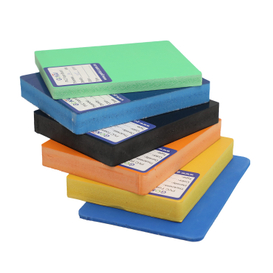
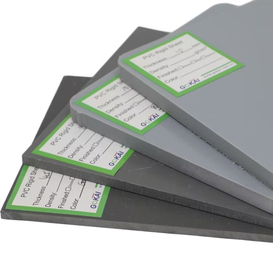
Polyvinyl chloride (PVC) is one of the most widely used plastics in construction, appearing in pipes, window profiles, trims, soffits, and PVC foam sheets. PVC foam board is lightweight, easy to cut and route, and offers excellent moisture resistance and dimensional stability, making it ideal for interiors, signage, and many semi‑structural details. [m.boardwaybuilding]
Typical PVC foam board applications include:
- Interior wall panels and partitions in commercial spaces and clean areas. [m.boardwaybuilding]
- Furniture and cabinetry components where lightweight structures are an advantage. [linkedin]
- Construction site signage, safety boards, wayfinding, and temporary hoardings. [adidworld]
From an OEM perspective, we see PVC foam board replacing wood‑based panels in high‑humidity or wash‑down environments because it does not swell, delaminate, or rot, and it holds screws and fasteners reliably when correctly specified. [linkedin]
High‑density polyethylene (HDPE) sheets and fiber‑reinforced plastic (FRP) panels are chosen for impact‑resistant, easy‑to‑clean surfaces. HDPE performs well in areas exposed to moisture, chemicals, or abrasion, while FRP wall panels are standard in commercial kitchens, food plants, and healthcare facilities.
These materials are especially relevant where:
- Frequent wash‑down, chemical cleaning, or abrasion is expected.
- Hygienic surfaces are mandatory, such as food zones and clinics.
Although Gokai focuses on PVC foam and composite panels, many customers combine these materials with HDPE or FRP in a single project to balance cost, hygiene, and structural needs.
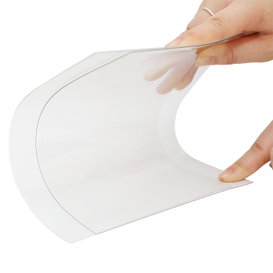
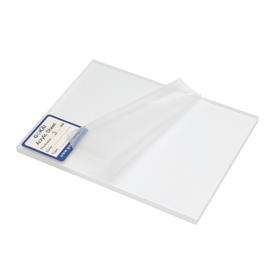
Polycarbonate and acrylic sheets are the workhorses of architectural glazing and daylighting, used in skylights, canopies, façades, and machine guards.
- Polycarbonate: extremely high impact resistance, ideal for hail‑prone roofs, security glazing, and public transport hubs.
- Acrylic: superior optical clarity and glossy appearance, widely used in skylights, canopies, and signage where aesthetics are critical.
Multiwall polycarbonate systems also deliver enhanced thermal insulation, helping buildings meet tougher energy codes while allowing generous daylight. [mordorintelligence]
Aluminum composite panels (ACM/ACP) combine two thin aluminum skins with a mineral‑filled thermoplastic core, producing a rigid yet lightweight "sandwich" panel. This structure offers excellent flatness, dimensional stability, and design flexibility for both exterior and interior applications. [stacbond]
Common ACP uses include:
- Façade cladding for commercial buildings, showrooms, and transport hubs. [stacbond]
- Corporate identity and signage where color consistency and flatness matter. [ceimaterials]
- Interior decorative walls, columns, and feature elements. [stacbond]
Because ACPs are weather‑resistant, stain‑resistant, and retain shape even under large thermal swings, they are a cost‑effective alternative to solid metal sheets in many projects. Gokai supports OEM orders for ACP with custom colors, surface finishes, and cut‑to‑size formats tailored to architects and sign fabricators. [ceimaterials]
Paper foam board (often called paper‑faced foam board) features a lightweight foam core laminated with paper liners. It is widely used for printed graphics, indoor displays, and temporary partitions in construction adjacent spaces like sales galleries and site offices. [adidworld]
In construction‑related environments, paper foam board is valued for:
- Extremely light weight and easy cutting for on‑site communication boards.
- Smooth printable surfaces for high‑quality visuals.
For long‑term or high‑humidity use, PVC foam boards or ACP are usually preferred, while paper foam board is ideal for short‑term interiors and promotional environments coordinated with the build. [adidworld]
Plastics have become integral to the building envelope because they solve practical problems that glass, steel, and timber cannot always handle efficiently. [mordorintelligence]
Core advantages include:
- Lightweight handling – Plastic panels reduce structural dead loads and often cut installation time versus metal or glass systems. [mordorintelligence]
- Impact and corrosion resistance – Polycarbonate, HDPE, PVC, and ACP resist impact, moisture, and many chemicals, outperforming brittle or rust‑prone materials. [ceimaterials]
- Design flexibility – Plastics can be cut, routed, thermoformed, and digitally printed, unlocking complex shapes and branding without excessive cost. [adidworld]
- Thermal and acoustic performance – Insulation foams, multiwall sheets, and composite cores help meet stricter thermal‑performance targets and reduce noise. [mordorintelligence]
- Lower lifecycle cost – Smooth, non‑porous surfaces reduce maintenance time and frequency of replacement, improving lifecycle ROI. [ceimaterials]
For façade contractors and OEM buyers, these advantages translate directly into fewer callbacks, shorter schedules, and predictable performance over decades when materials are properly specified.
Whether plastics support sustainability depends on material selection, installation quality, and end‑of‑life management. Market data shows that codes and ESG goals are pushing builders toward lightweight, high‑performance envelopes that reduce energy use and embodied carbon. [linkedin]
When used strategically, construction plastics can help:
- Improve operational energy efficiency via high‑performance insulation and daylighting systems. [mordorintelligence]
- Cut transport emissions thanks to low weight and optimized panelization.
- Reduce replacement waste by choosing durable, UV‑stabilized products with long service lives.
- Enable recycling and circularity for selected PVC, ACP, and other plastics in established recycling streams. [mordorintelligence]
From Gokai's OEM perspective, we see more clients requesting recyclable cores, lead‑free PVC formulations, and take‑back programs, particularly in Europe and large global brands. [linkedin]
Plastics now touch almost every layer of the building envelope, from exterior cladding to interior protection and service systems.
Typical roles include:
- Architectural glazing and daylighting – Polycarbonate and acrylic skylights, canopies, and façades bringing light into deep floor plates.
- Façades and cladding – ACP, FRP, and other composite panels creating flat, durable, and easily maintainable exterior skins. [stacbond]
- Roofing and outdoor structures – UV‑resistant sheets for greenhouses, carports, and covered walkways.
- Interiors and hygiene zones – PVC foam boards, FRP panels, and HDPE as washable surfaces in corridors, labs, kitchens, and clean rooms. [m.boardwaybuilding]
- Signage and wayfinding – PVC foam and ACP for site branding, safety information, and permanent signage systems. [linkedin]
For each layer, the right plastic is chosen based on impact resistance, fire rating, UV stability, chemical exposure, and aesthetic requirements.
Selecting the correct construction plastic begins with performance requirements rather than brand or material preference.
Key questions to ask as a specifier or buyer:
1. What will the surface face daily? Impact, abrasion, chemicals, UV, or constant moisture?
2. Is visibility required? Clear glazing (polycarbonate/acrylic) versus opaque structural or decorative panels (PVC foam / ACP).
3. What codes apply? Fire performance, smoke development, hygiene standards, and local energy codes.
4. How critical are weight and install speed? For retrofit façades or modular interiors, lightweight panels often drive the decision.
5. What is the expected service life and maintenance regime? High‑traffic zones may require tougher surfaces or easy replacement strategies.
As an OEM supplier, Gokai typically recommends PVC foam board for lightweight, moisture‑resistant interior panels and signage; ACP for exterior façades and identity elements; and paper foam board for short‑term displays, tender rooms, and marketing spaces associated with construction projects. [linkedin]
Recent analyses of the construction plastics market show annual growth rates around 6–6.5% through 2033, with PVC remaining the volume leader and advanced foams delivering the fastest growth. This reflects a broader push toward lighter, better‑insulated envelopes that can be installed quickly on congested urban sites. [linkedin]
For PVC foam board and ACP specifically, we see three strong trends:
- From solid metal to ACP façades – Architects favor ACP for flatness, design freedom, and lower substructure loads. [ceimaterials]
- From MDF/plywood to PVC foam interior panels – Especially in wet, coastal, or food‑related environments where wood‑based boards fail early. [m.boardwaybuilding]
- From single‑use signage to re‑usable substrates – Durable PVC foam and ACP panels can be re‑skinned or re‑printed, reducing waste across multi‑phase projects. [adidworld]
These patterns are consistent across North America, Europe, and rapidly urbanizing parts of Asia‑Pacific. [linkedin]
To make plastics perform as promised, contractors and buyers should follow a structured specification checklist.
For PVC Foam Board: [m.boardwaybuilding]
- Confirm density and thickness for the intended application (e.g., wall cladding vs. printed panels).
- Request fire‑retardant grades where local codes require them.
- Match surface finish (matte, gloss, embossed) to cleaning and visual expectations.
- Clarify color stability and UV resistance for any semi‑exposed or outdoor use.
For Aluminum Composite Panel (ACP): [stacbond]
- Select core type (standard vs. fire‑resistant mineral core) based on façade regulations.
- Specify coil‑coated or PVDF finishes for long‑term color stability outdoors.
- Check panel flatness tolerance, especially for large modules.
- Coordinate fabrication details (routing, folding, fixing systems) with the OEM or fabricator.
For Paper Foam Board: [adidworld]
- Limit use to indoor, low‑humidity environments.
- Define print method (UV, latex, eco‑solvent) and compatible coatings.
- Use edge sealing or framing when longevity and appearance are important.
A well‑defined spec, combined with OEM support from suppliers like Gokai, reduces the risk of mismatch between design intent and installed performance.
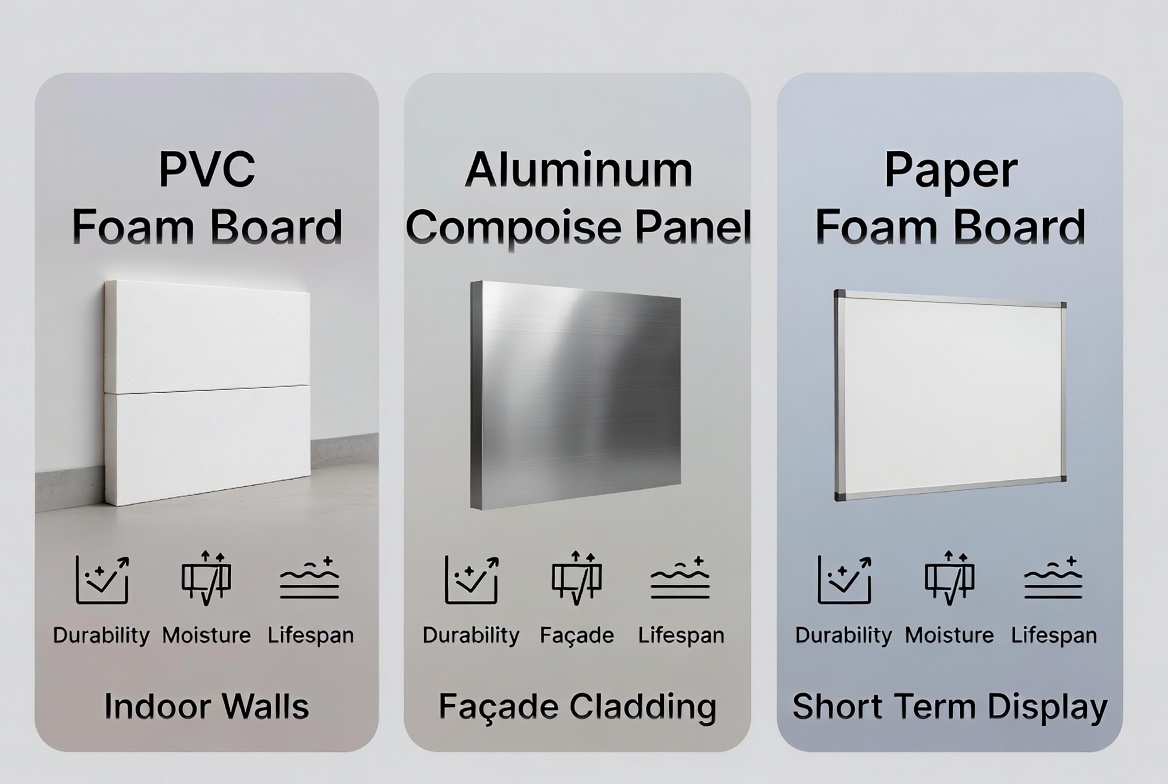
Consider a mixed‑use building undergoing façade and interior upgrades:
- The design team replaces aging cement panels with ACP façade cladding, reducing structural load and achieving a sharper corporate identity. [ceimaterials]
- Inside, PVC foam boards are used for corridor wall protection and service corridor signage, improving washability versus painted gypsum. [linkedin]
- Paper foam boards are used during the marketing phase for tenant information walls and wayfinding in the sales gallery. [adidworld]
By combining these materials, the project team cuts installation time, improves energy performance, and simplifies future maintenance, while still meeting fire and hygiene codes through appropriate product selection. [mordorintelligence]
This kind of integrated plastic strategy is increasingly common in global projects targeting faster delivery, lower lifecycle costs, and better user experience.
As demand for plastics in construction continues to grow worldwide, project teams need OEM partners who can supply consistent, certified panels at scale. Gokai specializes in PVC foam board, aluminum composite panel, and paper foam board, supporting global brands, distributors, and fabricators with long‑term, stable production capacity. [gokai.com]
When you collaborate with Gokai, you can:
- Customize thickness, density, color, and surface finish for project‑specific needs.
- Consolidate procurement across PVC foam, ACP, and paper foam substrates to simplify your supply chain.
- Access technical guidance on panel selection, fabrication methods, and installation best practices based on real OEM project experience.
If you are planning a new façade, signage program, or interior fit‑out that relies on plastic panels, contact Gokai's technical team to review drawings, optimize panel selection, and secure OEM production slots for your project timeline. [gokai.com]

1. Are plastics safe to use in building façades?
Yes—when you select products that meet the relevant fire and façade codes in your region, such as ACP with fire‑resistant mineral cores and PVC foams formulated to required flame‑spread ratings. Working with experienced OEMs ensures the correct grade is supplied and documented. [stacbond]
2. Can PVC foam board be used outdoors?
PVC foam board can be used in semi‑exposed or outdoor applications when you choose UV‑stabilized grades and appropriate thickness, but long‑term façade or high‑UV exposure usually favors ACP or specialized exterior panels. Always confirm UV and fire performance with the supplier. [m.boardwaybuilding]
3. How do plastics help with energy efficiency?
Plastic insulation systems, multiwall polycarbonate, and composite panels reduce thermal bridging and improve R‑values while allowing controlled daylighting. This helps buildings meet stricter energy codes and lower operational energy consumption. [mordorintelligence]
4. What is the difference between ACP and solid aluminum sheets?
ACP uses thin aluminum skins bonded to a plastic or mineral‑filled core, delivering excellent flatness, rigidity, and lower weight than solid sheets of equivalent stiffness. This supports larger panel sizes, easier installation, and often better cost‑performance on façades. [ceimaterials]
5. How should I choose between PVC foam board and paper foam board for signage?
Use paper foam board for short‑term indoor displays where ultra‑light weight and low cost are key, and PVC foam board where durability, moisture resistance, and possible re‑use matter. For permanent exterior signs or branding, ACP is typically the best choice. [linkedin]
1. Laird Plastics – "Plastics in Construction: Types, Uses, and Benefits."
<https://lairdplastics.com/resources/plastics-in-construction/>
2. Laird Plastics – "PVC Foam Board Guide: Properties, Uses & Types [2025 Update]."
<https://lairdplastics.com/resources/pvc-foam-board-guide-2025-update/> [lairdplastics]
3. Mordor Intelligence – "Building and Construction Plastics Market Size and Share."
<https://www.mordorintelligence.com/industry-reports/building-and-construction-plastics-market> [mordorintelligence]
4. Industry analysis – "Construction Plastics Market Size, Trends, 2026–2033."
<https://www.linkedin.com/pulse/construction-plastics-market-size-trends-2026-2033-4hpmf> [linkedin]
5. CEI Materials – "Benefits of Using Aluminum Composite Panels."
<https://www.ceimaterials.com/news/what-are-the-benefits-of-using-aluminum-composite-panels_ae12.html> [ceimaterials]
6. Stacbond – "What is the aluminium composite panel? Advantages, characteristics and main uses."
<https://stacbond.com/en/blog/what-is-the-aluminium-composite-panel-advantages-characteristics-and-main-uses/> [stacbond]
7. LinkedIn article – "Applications of PVC Foam Board in the Furniture and Construction Industries."
<https://www.linkedin.com/pulse/applications-pvc-foam-board-furniture-construction-industries-yang-swhtc> [linkedin]
8. Boardway Building – "Applications of PVC Foam Board in Construction and Building Materials."
<http://m.boardwaybuilding.com/n1915388/Applications-of-PVC-Foam-Board-in-Construction-and-Building-Materials.htm> [m.boardwaybuilding]
9. Adidworld – "PVC发泡板的发展空间 (The Development Space of PVC Foam Board)."
<http://www.adidworld.com/news/detail/id/1039> [adidworld]
10. Gokai – Company website and news section.
<https://www.gokai.com.cn/el/amp/news-p29.html> [gokai.com]