Shanghai Gokai Industry Co,.Ltd.
Call Us: +86-18918606548
Call Us: +86-18918606548
- Product Name
- Product Keyword
- Product Model
- Product Summary
- Product Description
- Multi Field Search
Views: 280 Author: Gokai Publish Time: 2026-08-09 Origin: Site


If you are comparing Lucite vs. acrylic sheet, the short answer is simple: Lucite is a trademarked type of acrylic, while acrylic is the broader material category—usually polymethyl methacrylate (PMMA). The procurement decision, however, is not simply about a name. For a sign fabricator, retail-display brand, lighting producer, or plastics distributor, the meaningful questions are whether the sheet is cast or extruded, what optical and dimensional tolerances it can consistently meet, and whether an OEM supplier can repeat that specification from batch to batch.
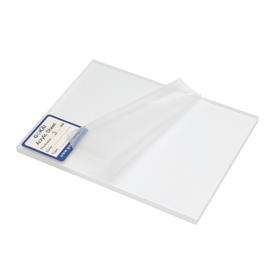
Acrylic is the everyday industry term for transparent PMMA plastic. Sheets may be clear, colored, frosted, fluorescent, textured, mirrored, impact-modified, or formulated for specific fabrication and weathering requirements.
Lucite® is a trademark associated with PMMA materials. The name originated with DuPont's acrylic business in the 1930s, and Lucite International's history traces its roots to the early commercial development of acrylics. [2] In practical conversations, people often use "Lucite" to mean clear premium acrylic. Technically, though, the right interpretation is: all Lucite sheet is acrylic/PMMA, but not every acrylic sheet is Lucite-branded material.
This distinction matters in RFQs. A buyer who writes "Lucite equivalent" without defining performance may receive very different offers. The clearer brief is to specify the required sheet type, dimensions, visual standard, fabrication method, test data, packaging, and approved brand or resin requirement where relevant.
Buying factorLucite-branded PMMAGeneric acrylic sheet / PMMAMaterial familyAcrylic, commonly PMMAAcrylic, commonly PMMAMeaning of the nameA trademark/brand designationA generic material categoryWhat determines performanceThe specific grade and data sheetResin quality, process, grade, and data sheetBest way to buyCite the approved grade or performance requirementSpecify process, dimensions, tolerances, appearance, and testsCommon riskPaying for a name when the specification is vagueTreating all PMMA sheets as equivalent
Expert sourcing view: Brand can be relevant, but process control is often more decisive. Two clear sheets can both be PMMA and still differ in thickness stability, internal stress, surface protection, color consistency, thermoforming behavior, and edge-polishing results.
Acrylic earns its place as a glass alternative because it combines transparency, relatively low weight, weather resistance, and fabrication flexibility. A typical clear cell-cast acrylic technical data sheet lists 92% light transmission at 3 mm under ASTM D1003 testing, though buyers should always confirm values for the exact grade, thickness, color, and test method being quoted. [3]
For storefronts, museum displays, illuminated letters, and protective covers, ask for measurable optical criteria:
- Light transmission: How much visible light passes through the stated thickness?
- Haze: Is the sheet visually crisp, especially under LED lighting or at oblique angles?
- Color/yellowness control: What is the acceptance standard for clear or colored production lots?
- Surface quality: What scratches, inclusions, flow lines, or protective-film marks are acceptable?
A sheet with strong transparency can still disappoint if the LED light distribution is uneven or if fabrication reveals stress whitening. For premium visual projects, approve a physical sample under the same lighting conditions as the final installation.
PMMA is commonly used outdoors for signage, glazing, and decorative panels because properly selected grades can retain appearance in sunlight. Yet "UV resistant" should not be a generic promise. The project team should define expected exposure, geographic climate, cleaning chemicals, and warranty expectations. A food-service menu holder, a desert-facing sign, and an indoor retail fixture do not need the same specification.
Chemical compatibility also depends on the specific PMMA grade and exposure. Acrylic should not be treated like glass during maintenance. Manufacturer cleaning guidance commonly recommends lukewarm water, mild soap, and a clean soft cloth; it cautions against ammonia, abrasive cleaners, and harsh solvents that can haze, craze, or damage the surface. [4]
Acrylic is durable and shatter-resistant compared with conventional glass, but it is not indestructible and is not automatically the right choice for every safety application. It can scratch, and it has different impact behavior from polycarbonate. If the design involves impact protection, high heat, solvents, load-bearing panels, or regulated safety glazing, consult the applicable building code, test standard, and a qualified engineer before selecting material.
Do not select by a single property. The best acrylic sheet is the one that balances optical appearance, stiffness, thickness, machining behavior, service environment, and total installed cost.
For most OEM projects, this is the first technical decision. Both forms are PMMA, but they are produced differently and serve different commercial priorities.
| Criterion | Cast acrylic sheet | Extruded acrylic sheet |
|---|---|---|
| Thickness range | Often favored for broader and thicker options | Often favored for consistent, high-volume standard gauges |
| Surface and optical finish | Frequently selected for premium displays, fabrication, and deep polishing | Suitable for many general-purpose glazing, signage, and retail uses |
| Thermoforming and machining | Often preferred where detailed fabrication and visual finish matter | Can be efficient for straightforward, repeatable fabrication |
| Cost position | Commonly higher | Commonly more economical in standardized programs |
| RFQ priority | Appearance, thickness options, fabrication outcome | Volume efficiency, gauge consistency, cost control |
These are working guidelines, not absolute rules. A supplier should provide data for the proposed sheet rather than rely on broad claims about "cast" or "extruded." For example, a buyer should request the nominal thickness, permitted variation, sheet size tolerance, protective masking type, resin declaration, and inspection method.
Imagine a retail-fixture producer making clear cosmetic displays. The display must look clean under spotlights, accept polished edges, and arrive without surface damage. A cell-cast sheet with an agreed visual standard and robust masking may be worth the additional material cost because rejects at the fabrication or retail-installation stage are expensive.
Now imagine a distributor supplying thousands of standard sign blanks. A repeatable extruded grade at common thicknesses may deliver better landed cost and stock turnover. The application determines the process—not the other way around.
OEM acrylic sourcing succeeds when the buyer replaces assumptions with an approval process. "Clear acrylic, good quality" is not a specification. Use the following seven-part checklist before requesting quotations.
1. Define the end use. State whether the sheet is for signage, displays, lighting, sanitary ware, furniture, glazing, laser cutting, CNC machining, thermoforming, or another application.
2. Choose the material format. Specify cast, extruded, mirror, frosted, colored, light-guide, or another functional grade.
3. Lock the dimensions. Include finished thickness, width, length, thickness tolerance, squareness, and flatness requirements.
4. Set the visual standard. Document color code or approved master sample, light transmission/haze need, surface-defect limits, and protective-film requirements.
5. State fabrication conditions. Tell the supplier if sheets will be laser cut, CNC routed, bent, polished, printed, bonded, or thermoformed. This affects the grade recommendation.
6. Agree on verification. Require pre-production samples, batch identification, inspection records, and—where relevant—third-party or customer-specified testing.
7. Protect the shipment. Confirm PE film or paper masking, corner protection, pallets, container loading method, labels, and claim procedure before the first order.
Gokai states that it uses 100% virgin raw material, standardized production, export packaging, and custom size, thickness, and color options. It also reports two factories and 10 production lines. These are useful starting points for supplier due diligence, but procurement teams should verify the specification against current samples, inspection records, and the purchase contract for every program. [1]
The cost of a bad acrylic sheet rarely ends at the factory gate. Thickness variation can disrupt routing; poor masking can create rework; color drift can make a multi-store installation look inconsistent; internal stress can cause cracks after forming or bonding. That is why quality control should follow the product through the whole workflow.
Before production: approve the technical drawing, color chip, surface standard, packaging photos, and golden sample.
During production: check thickness at defined points, visual appearance under controlled light, sheet dimensions, masking adhesion, and batch traceability.
Before loading: verify quantities, pallet protection, labels, carton or protective wrap condition, and loading photographs. For higher-risk projects, appoint an independent pre-shipment inspection provider.
Gokai's published case material describes a U.S. signage customer that sought to address yellowing, low clarity, and thickness inconsistency with UV-resistant cast acrylic, stated 92% transmission, and controlled tolerances. Treat this as supplier-reported project information rather than an independently verified performance guarantee; request the relevant test reports and sample approval for your own order. [5]
Clear, colored, frosted, and mirrored PMMA can support channel letters, menu holders, display risers, branded panels, and retail fixtures. Prioritize optical finish, color consistency, print or bonding compatibility, and scratch protection during transport.
For diffusers, LED panels, and illuminated signs, measure results with the final light source. Light transmission alone is not enough: light uniformity, dot pattern, thickness, edge finish, and thermal conditions affect the final visual impression.
Acrylic is used for partitions, decorative panels, furniture components, bath products, and glazing elements. Review thickness, load path, expansion allowance, fastening design, cleaning regime, fire and building-code requirements before final selection.
For laser shops and sheet distributors, consistency drives margin. Standardize a small number of sheet sizes and colors, establish a defect-claim process, and monitor yield after cutting. The best supplier relationship is built on repeatable material performance—not one favorable sample.
For buyers seeking a China-based acrylic sheet OEM supplier, Gokai presents capabilities across cast acrylic, extruded acrylic, acrylic mirror, and light-guide sheet, with customized dimensions, thicknesses, and colors. Its company profile says it serves export markets and holds an SGS audited-supplier status and CE certification; buyers should request current certificates, scope details, and validity documentation directly during supplier qualification. [1]
A productive OEM conversation starts with your actual production target: annual volume, preferred sheet size, target market, fabrication route, color reference, packaging constraints, required documents, and shipping terms. Share those inputs early so the supplier can recommend a viable grade and identify trade-offs before tooling, samples, or container booking.
Need a repeatable acrylic-sheet solution? Send Gokai your drawing, required grade, target thickness tolerance, color or transparency standard, estimated order quantity, and destination port. Ask for a sample plan and written quality agreement before approving mass production.
Lucite is acrylic/PMMA sold under a trademarked name. Whether it is "better" depends on the specific grade, approved performance criteria, and application. Compare current technical data, samples, and traceability rather than assuming every generic acrylic or branded product performs the same.
Cast and extruded acrylic are both PMMA but are made by different processes. Cast sheet is often selected for premium visual finish, thicker options, and fabrication work, while extruded sheet is often attractive for standardized, high-volume, cost-sensitive programs. Confirm the exact sheet data with the supplier.
Yes, appropriately specified acrylic is widely used in outdoor signage and glazing. Confirm UV/weathering requirements, temperature range, fastening design, cleaning exposure, and local code obligations before use.
Rinse loose dust first, then wash gently with lukewarm water, mild soap, and a soft microfiber cloth. Avoid ammonia-based glass cleaners, abrasive pads, and harsh solvents because they can damage or haze the surface. [4]
At minimum: material type, cast or extruded process, resin/virgin-material requirement, color, thickness and tolerance, sheet size, protective film, quantity, packaging, testing or inspection plan, sample timing, lead time, Incoterm, and payment terms.
Gokai states that customized sizes, thicknesses, and colors are available. Provide drawings and acceptance criteria, then validate the proposed product through samples and documented inspection requirements. [1]
1. [Gokai — About Us / Manufacturing Capability]
2. [Lucite Diakon — Our History]
3. [Plaskolite — OPTIX Cell Cast Acrylic Sheets Technical Data Sheet (PDF)]
4. [Spartech — How to Clean Acrylic Sheets (PDF)]
5. [Gokai — Acrylic Sheet Case Information]
6. [Acme Plastics — Lucite vs. Acrylic: Understanding the Key Differences]
Approximate article word count (body + FAQs, excluding SEO fields and references): 1,835 words.
~300-character introduction: Lucite and acrylic are often treated as different materials, but the real buying decision is more technical. This expert guide explains PMMA terminology, cast versus extruded sheet, optical and quality checks, and the OEM specification steps global buyers need for reliable acrylic-sheet sourcing.