Shanghai Gokai Industry Co,.Ltd.
Call Us: +86-18918606548
Call Us: +86-18918606548
- Product Name
- Product Keyword
- Product Model
- Product Summary
- Product Description
- Multi Field Search
Views: 222 Author: Gokai Publish Time: 2026-06-04 Origin: Site


Content Menu
● What are polycarbonate sheets?
● Why polycarbonate is the go‑to in 2026
● Types of polycarbonate sheets and where they fit
>> Polycarbonate hollow (multiwall) sheet
>> Corrugated polycarbonate sheets
● Polycarbonate vs glass vs acrylic
● Real‑world applications in construction and industry
● Technical specifications that matter in 2026
● Expert installation and maintenance best practices
>> Thermal expansion and fastening
>> Cleaning and long‑term care
● Sustainability and future trends
● Choosing between solid and hollow sheets for your project
● Why work with an OEM polycarbonate sheet supplier like Gokai
● Call to action: design your next project with OEM polycarbonate sheets
● Frequently asked questions (FAQ)
Polycarbonate sheets – especially polycarbonate solid sheet and polycarbonate hollow (multiwall) sheet – offer a unique mix of impact strength, clarity, and thermal efficiency that makes them one of the most versatile glazing materials for 2026 projects. As an OEM-focused supplier, Gokai can leverage these advantages to deliver customized solutions for global customers who need scalable, reliable, and brandable sheet products. [solutions.covestro]
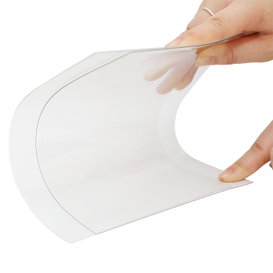
Polycarbonate sheets are rigid thermoplastic panels known for being up to about 250× stronger than glass while weighing roughly half as much, which gives them an exceptional strength‑to‑weight ratio. In real projects, this translates into safer installations, easier handling on site, and reduced structural support requirements compared with traditional glass glazing. [buildmatt]
Modern polycarbonate sheets are available in solid, multiwall (hollow), and corrugated profiles, each engineered for different balances of clarity, insulation, and cost. With the right grade and UV-protective coating, they can perform reliably outdoors for 15–20+ years in applications like skylights, roofing, greenhouses, machine guards, and security glazing. [buildmatt]
From an engineer's and installer's perspective, polycarbonate has become the "default" material whenever impact resistance and safety matter. Compared with glass and acrylic, it dramatically reduces breakage risk while maintaining high light transmission and design flexibility. [solutions.covestro]
Key performance advantages of polycarbonate sheets:
- Extreme impact resistance: Often quoted as *up to 250× stronger than glass and around 30× stronger than acrylic* in standardized tests, making it ideal for safety glazing, machine guards, and vandal‑resistant installations. [solutions.covestro]
- High light transmission: Clear solid sheets can reach about 90–93% light transmission, allowing them to rival or exceed standard glass in brightness. [solutions.covestro]
- Thermal performance: Multiwall (hollow) sheets feature internal air chambers that significantly improve insulation, especially in greenhouse and roofing applications. [buildmatt]
- Wide service temperature range: Many grades operate reliably from about −40°F to 240°F, depending on formulation, which supports both cold‑climate and high‑heat environments.
- Fire performance: Numerous polycarbonate grades are engineered to meet UL 94 flame classifications, which is essential for code‑compliant building and industrial projects.
For project owners and OEM brands, these technical characteristics mean longer lifetimes, fewer breakage‑related claims, and more freedom in architectural and industrial design. [athenaswc]
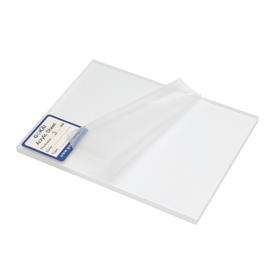
Polycarbonate solid sheet delivers the best combination of clarity and impact resistance, often used where visibility and safety are non‑negotiable. Typical thicknesses range from about 1.5 mm up to 12 mm (0.060″–0.500″), with custom options for OEM projects. [shgokai.en.made-in-china]
Common uses for solid sheets:
- Machine guards and safety enclosures in manufacturing
- Security glazing for doors, windows, and service counters
- Transparent barriers in public spaces and transportation hubs
- Skylights and clerestory windows where breakage must be minimized
For OEM customers, solid sheets can be supplied cut‑to‑size, CNC‑routed, thermoformed, printed, or branded under private label programs. [gokai.com]
Polycarbonate hollow sheet – more commonly known as multiwall polycarbonate sheet – features parallel internal air chambers that dramatically reduce weight and improve insulation. This structure helps stabilize interior temperature, reduce condensation, and diffuse light, which is especially valuable in greenhouse and roofing applications. [buildmatt]
Typical use cases for hollow/multiwall sheets:
- Commercial and hobby greenhouses
- Skylight systems and daylighting façades
- Canopies, carports, and walkways
- Sound barrier walls near roads and industrial sites
Gokai and other specialized manufacturers offer multiwall sheets in common thicknesses like 4, 6, 8, 10, and 16 mm, with UV‑coated surfaces and options such as anti‑drip/condensate layers for horticulture environments. [polycarbonatessheets]
Corrugated polycarbonate sheets combine fast installation, rigidity, and cost‑effectiveness, thanks to their wavy profile. They are popular for patio covers, carports, industrial sheds, and agricultural buildings where high impact resistance and good light are needed but absolute optical clarity is less critical. [buildmatt]
Because of their profile, corrugated sheets are easy to overlap, allowing installers to create large covered areas quickly while maintaining drainage and wind resistance. [buildmatt]

The table below summarizes how polycarbonate sheets compare with glass and acrylic for typical building and industrial uses. [solutions.covestro]
| Property | Polycarbonate sheet (solid) | Glass | Acrylic sheet |
|---|---|---|---|
| Impact strength | Up to ~250× glass | Baseline | ~10× stronger than glass (solutions.covestro) |
| Weight | ~50% of glass | 100% baseline | ~50% of glass (solutions.covestro) |
| Light transmission (clear) | Up to ~93% | ~90% (standard) | Up to ~92% (solutions.covestro) |
| Thermal insulation (multiwall) | High, multiwall chambers | Moderate | Moderate |
| Breakage behavior | Dents, rare shattering | Shatters into shards | Cracks, can shatter |
| Workability | Easy to cut/form | Harder to cut/shape | Easy to cut/form |
| Typical outdoor lifespan | 15–20+ years with UV grade | 20+ years | Can yellow if not UV‑stabilized (solutions.covestro) |
For projects that must balance safety, weight, and daylighting, polycarbonate almost always provides the best trade‑off. [solutions.covestro]
From the field, architects, contractors, and production managers consistently choose polycarbonate when they need durable, low‑maintenance glazing that can withstand impacts and weather. [buildmatt]
Key application domains:
- Construction and architecture: Stadium roofing, long‑span skylights, façades, acoustic barriers along highways, and transparent partitions in public buildings.
- Commercial and industrial: Machine guards, safety screens, enclosures for automation equipment, cleanroom panels, and transparent walls in data centers. [buildmatt]
- Residential and small projects: Greenhouse kits, patio and pergola covers, balcony enclosures, and durable workshop or garage windows.
An important practical insight from installers is that polycarbonate's light weight reduces crane time and labor, especially in large canopy or roofing projects. At the same time, its high impact resistance minimizes breakage during shipping and installation, which lowers total project risk. [solutions.covestro]、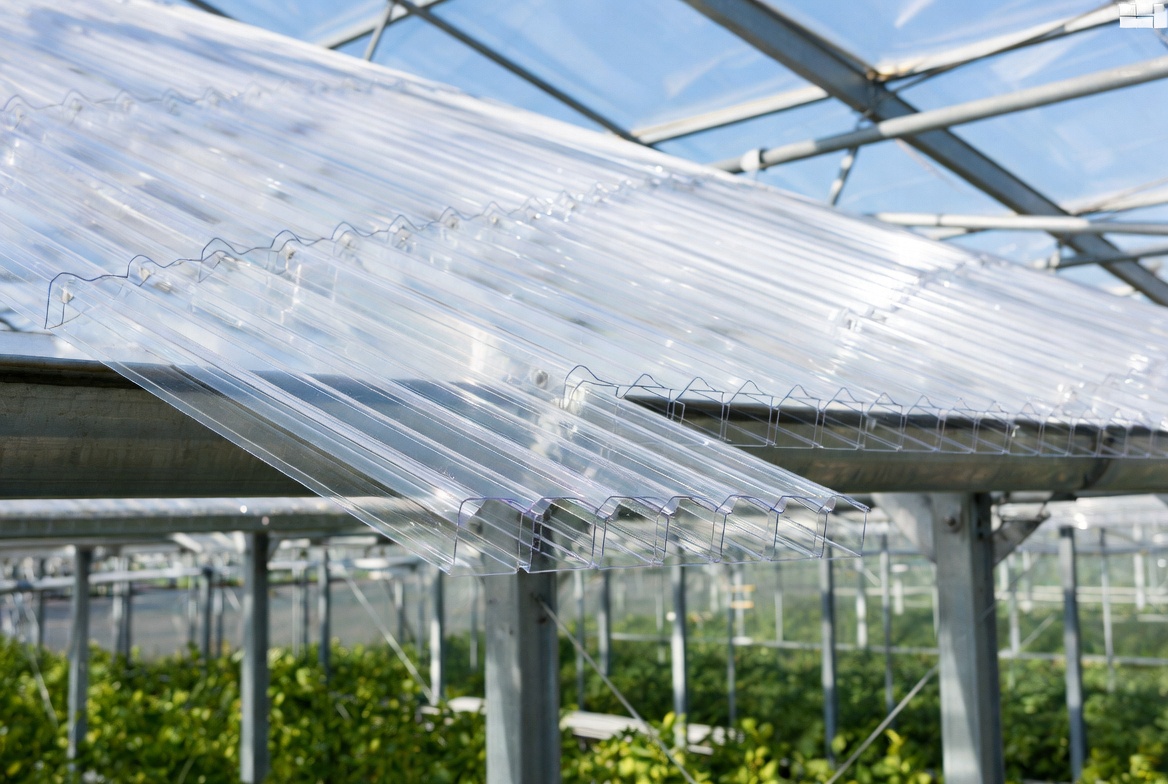
When specifying polycarbonate solid sheet or polycarbonate hollow sheet, engineers typically work from a concise set of technical parameters. [shgokai.en.made-in-china]
Representative technical benchmarks:
- Thickness range (solid sheets): About 0.060″–0.500″ (1.5–12 mm) for standard architectural and industrial use.
- Thickness range (multiwall sheets): Commonly 4–16 mm or thicker, with additional internal walls for higher insulation. [polycarbonatessheets]
- Widths and lengths: Standard width up to about 72″ (1830 mm), with custom lengths and cut‑to‑size programs available. [gokai.com]
- Service temperature: Approx. −40°F to 240°F, grade dependent.
- Surface options: UV‑protected surfaces, abrasion‑resistant coatings, anti‑fog/anti‑drip layers for greenhouse use. [polycarbonatessheets]
From an OEM perspective, these parameters can be tuned to match final product needs – for example, choosing a higher thickness and abrasion‑resistant coating for heavily trafficked public installations, or lighter multiwall structures for greenhouse roofing. [shgokai.en.made-in-china]
Based on long‑term field experience and industry installation guides, the most reliable polycarbonate installations follow a few critical rules. [buildmatt]
- Use fine‑tooth saw blades designed for plastics and fully support sheets during cutting to prevent chatter and edge cracking. [buildmatt]
- Keep the protective film on until final placement to avoid scratches from dust and tooling.
- Handle sheets with clean gloves to minimize fingerprints and surface scuffs.
- Allow roughly 3 mm per meter (about 1/8″ per foot) for thermal expansion, slotting holes rather than drilling tight circles. [buildmatt]
- Use compatible gaskets and fasteners, such as EPDM washers for roofing, to distribute load and prevent stress cracking. [buildmatt]
- Install corrugated and multiwall sheets with adequate slope for drainage and follow the manufacturer's overlap guidelines for wind and water performance. [buildmatt]
- Clean with mild soap and water only, using soft cloths or sponges; avoid ammonia‑based cleaners, harsh solvents, and abrasive pads that can haze the surface.
- Rinse thoroughly to remove residue, which can otherwise dry into streaks and reduce clarity.
Following these practices is a key factor in achieving the typical 15–20+ year service life many suppliers quote for polycarbonate roofing and glazing. [buildmatt]
Sustainability expectations in the building and manufacturing sectors have risen sharply, and polycarbonate suppliers have responded with recycling programs and higher recycled‑content grades. Polycarbonate itself is recyclable, and more producers now design products with recyclability and reduced lifecycle impact in mind, in line with frameworks such as the EPA's National Recycling Strategy. [gokai.com]
Looking toward 2026–2030, several innovations are gaining traction:
- Smart and electrochromic coatings: Dynamic tinting and solar‑control technologies that can be integrated into polycarbonate glazing for more efficient building envelopes.
- Self‑cleaning and anti‑soil surfaces: Coatings that reduce dirt accumulation on skylights and façades, cutting maintenance costs and water usage.
- Enhanced fire‑performance formulations: New grades tailored to meet or exceed evolving building and transportation codes worldwide.
These trends matter for OEM customers because they open up new product categories, from smart greenhouse panels to advanced façade systems, that can be branded and differentiated using customized polycarbonate solutions. [gokai.com]
From an expert perspective, the choice between polycarbonate solid sheet and polycarbonate hollow sheet usually comes down to three axes: impact, insulation, and budget. [buildmatt]
Select solid polycarbonate sheet when:
- You need maximum impact resistance and security
- Optical clarity and visibility are critical (e.g., guards, windows, barriers)
- Panels may experience concentrated loads or direct impacts
Select hollow/multiwall polycarbonate sheet when:
- Thermal insulation and energy efficiency are major priorities, as in greenhouses and roofing
- You need a lighter panel that still offers good rigidity over long spans
- Diffused light is more important than perfectly clear visibility
In practice, many projects mix both styles – for example, using multiwall sheets for roof areas and solid sheets for doors, windows, and safety panels in the same facility. [buildmatt]
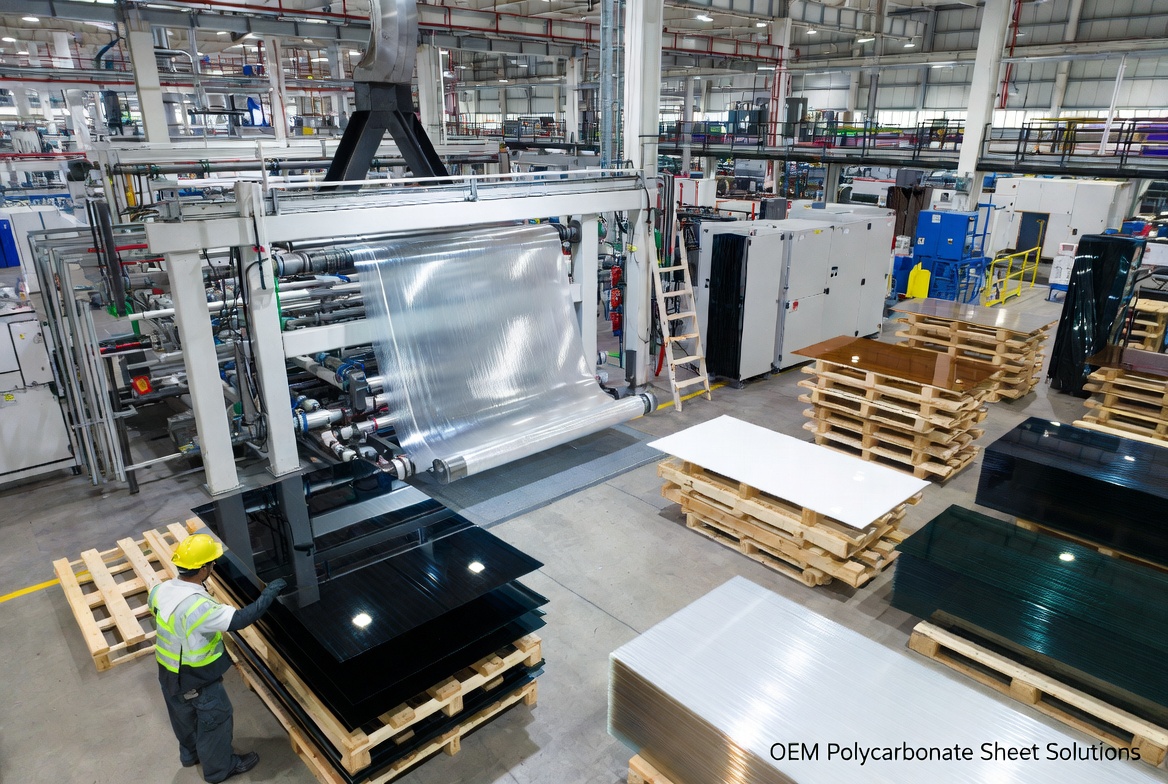
For global brands and distributors, partnering with an experienced OEM supplier is often the most efficient way to bring polycarbonate solutions to market under a consistent private label. Gokai, for instance, focuses on polycarbonate solid sheets, polycarbonate hollow sheets, and related rigid sheet products while offering flexible OEM services that support international customers. [gokai.com]
Typical OEM capabilities include:
- Custom dimensions, thicknesses, colors, and surface treatments (UV, anti‑fog, abrasion‑resistant)
- Branding options such as printed films, labels, and packaging tailored to distributors
- Batch consistency, documented quality control, and export‑ready logistics support
By outsourcing sheet production to a dedicated polycarbonate manufacturer, distributors and system integrators can focus on market development, system design, and after‑sales service, while still delivering high‑performance, branded sheet products to their own customers. [marketveep]
If you are planning a new greenhouse, roofing system, security glazing upgrade, or industrial enclosure, now is the time to validate whether polycarbonate solid sheet or polycarbonate hollow sheet is the best fit. By partnering with an OEM‑capable supplier like Gokai, you can specify custom sheet formats, colors, coatings, and branding that align perfectly with your product or project requirements. [gokai.com]
Next steps:
1. Define your priority (impact resistance, insulation, clarity, or cost).
2. Shortlist solid vs hollow polycarbonate options based on that priority.
3. Share your drawings, performance targets, and annual volumes with an OEM polycarbonate sheet supplier to receive a tailored proposal.
When you are ready, you can reach out to an OEM‑focused polycarbonate sheet manufacturer to discuss specifications, sampling, and private‑label opportunities tailored to your market. [gokai.com]
1. Are polycarbonate sheets stronger than acrylic for safety glazing?
Yes. Polycarbonate is typically around 30× stronger than acrylic in impact testing and is the preferred choice for machine guards, security glazing, and vandal‑prone installations. [solutions.covestro]
2. Can polycarbonate hollow sheets really improve greenhouse efficiency?
Multiwall polycarbonate hollow sheets create insulating air chambers that reduce heat loss and diffuse light, often improving plant growth and reducing heating costs compared with single‑pane glass. [buildmatt]
3. How long do polycarbonate roofing panels last outdoors?
With UV‑protected grades, correct installation, and basic cleaning, many suppliers report typical service lives of 15–20+ years for roofing and canopy applications, depending on climate and exposure. [buildmatt]
4. Are polycarbonate sheets recyclable?
Yes. Polycarbonate is recyclable, and many manufacturers are increasing recycled content and participating in take‑back or scrap‑recycling programs aligned with frameworks like the EPA National Recycling Strategy.
5. What should I avoid when cleaning polycarbonate sheets?
Avoid ammonia‑based cleaners, strong solvents, and abrasive pads, as they can cause surface haze and micro‑cracking. Use mild soap, lukewarm water, and soft cloths instead.
1. Laird Plastics – "Polycarbonate Sheets: Complete 2025 Guide – Durable Solutions" (technical overview and specs) –
<https://lairdplastics.com/resources/polycarbonate-sheets-2025-guide-durable-solutions/>
2. Covestro – Makrolon® Polycarbonate (material performance data and impact strength vs glass and acrylic) –
<https://solutions.covestro.com/en/brands/makrolon> [solutions.covestro]
3. Gokai – Polycarbonate sheet OEM product pages (supplier capabilities and OEM focus) –
<https://www.gokai.com.cn/id/amp/polycarbonate-sheet.html> [gokai.com]
4. Gokai – Company overview and rigid sheet product range –
<https://www.gokai.com.cn> [gokai.com]
5. Polycarbonate sheet installation guides and best practices –
Buildmatt "Step‑by‑Step Guide to Successful Polycarbonate Sheet Installation" –
<https://www.buildmatt.net/blog/polycarbonate-sheet-installation-guide/> [buildmatt]
6. SEO strategy resources for manufacturing and plastics sectors –
Athena SWC – "SEO for Plastics Manufacturing: Keys to Success" –
<https://www.athenaswc.com/resources/blog/seo-for-plastics-manufacturing-keys-to-success/> [athenaswc]
MarketVeep – "Essential SEO Strategy Checklist for Manufacturing" –
<https://www.marketveep.com/blog/essential-seo-strategy-checklist-for-manufacturing-executives> [marketveep]
7. Example OEM polycarbonate sheet specifications –
"Gokai High Quality Solid Polycarbonate Sheet for Skylight" –
<https://shgokai.en.made-in-china.com/product/JQhrKSsHndWP/China-Gokai-High-Quality-Solid-Polycarbonate-Sheet-for-Skylight.html> [shgokai.en.made-in-china]