Views: 11 Author: Site Editor Publish Time: 2022-11-09 Origin: Site
1、 Different raw materials
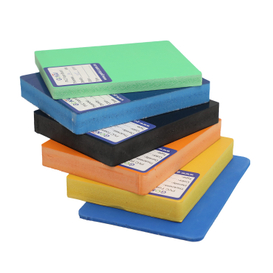
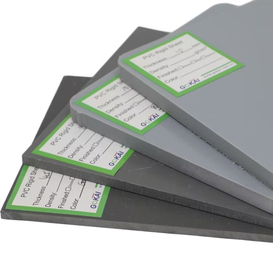
Compared with ecological board and particle board, PVC foam board has the big advantage of safety and environmental protection, and does not contain formaldehyde. All ecological boards, plywood and particle boards are bonded together by glue. Therefore, no matter how environmentally friendly ecological boards and particle boards are, they all contain formaldehyde. PVC is a kind of non-toxic raw material recognized by the world. PVC is used in many non food grade packaging, such as plastic bottles and cups, which are made of PVC. Therefore, PVC foam board is absolutely safe, environmentally friendly and non-toxic. Bath cabinet production and carving design can use it safely.
2、 Waterproof, waterproof and deformation free PVC foam board
Waterproofing is another advantage of PVC foam board. It can be directly immersed in water without deformation, while ecological board and particle board are afraid of moisture. They are easy to open and swell when encountering water, especially the upper lamination layer, which is easy to crack. Now the furniture factory has chosen to use PVC foam board to design the wardrobe and bathroom cabinet. PVC wall panels are also not afraid of water and deformation.
3、 Fire retardant of PVC foam board
Another advantage of PVC foam board is fire prevention. The PVC foam board itself will not burn. It will only burn when it is put into a fire. Once it leaves the fire source, it will be extinguished immediately. Therefore, fire resistance and flame retardancy is another advantage of PVC foam board over other ecological boards and particle boards.
3、 Light weight
Light weight is another advantage of PVC foam board. Take a 15MM board as an example, the ecological board is about 25KG, while the PVC foam board is about 17KG. The light quality leads to the low transportation cost of PVC foam board and the convenience of lifting. The light weight is another advantage of PVC foam board.
4、 Protect ecological balance
The protection of ecological balance is the advantage of PVC foam board over ecological board and particle board. No trees are needed in the production of PVC foamed boards, while ecological boards and particle boards need to use a lot of wood, which seriously damages the ecological balance. At present, the state is promoting the protection of ecological resources. It can be estimated that over five or six years, all ecological boards and particle boards can only rely on imports, and the cost will increase greatly after import.
China's PVC UV marble sheet industry combines mature extrusion technology, competitive pricing, and strong export capability. This 2026 guide explains how to evaluate factories, profiles 10 representative manufacturers (including high‑value OEM partner Shanghai Gokai), and shares practical sourcing and risk‑control tips.
This expert guide profiles China's top 10 ABS sheet manufacturers in 2026, evaluating production capacity, ISO certifications, OEM flexibility, and R&D capabilities. With China's ABS market projected to reach $19.59B by 2033, selecting reliable suppliers is critical for global procurement managers seeking quality materials, competitive pricing, and consistent delivery performance.
Discover whether polycarbonate or acrylic panels are best for your 2026 project. This expert guide compares impact resistance, optical clarity, UV stability, cost, and applications. Learn from industry insights and manufacturing data to choose the optimal material for displays, security glazing, or outdoor installations with confidence.
Discover what plastic recycling symbols 1-7 really mean for consumers and manufacturers. Learn which plastics are recyclable, how acrylic (Symbol 7) undergoes depolymerization recycling, and practical tips to improve sorting accuracy. Expert guide from Gokai, acrylic sheet specialists.
Discover the differences between OP3, P95, and P99 acrylic sheets, including UV protection, non‑glare performance, and design applications. Learn how to choose the right finish and source OEM acrylic sheets for framing, signage, and interior projects.
Learn how to hang acrylic signs like a pro. This expert guide from OEM acrylic sheet supplier Gokai covers standoff bolts, no‑drill methods, drilling best practices, and installation tips to keep your signs secure, level, and visually stunning.
Polycarbonate solid sheet roofing offers outstanding impact strength, UV protection, and daylighting for greenhouses, canopies, and industrial buildings. Learn pros, cons, design tips, and OEM best practices to choose the right roofing solution for your next project.
Discover the best plastics for outdoor use in 2026, with expert insights on polycarbonate solid sheet, acrylic, HDPE, marine board, and more. Learn selection criteria, typical applications, and how OEM suppliers like Gokai support durable, customized outdoor projects.
Discover the best plastic for outdoor furniture that truly lasts. Learn how HDPE and UV‑resistant acrylic compare, what 2026 trends demand, and how an OEM sheet supplier can help you build durable, stylish outdoor collections.
Learn how to choose the best acrylic sheet and other signage materials for indoor and outdoor branding. This expert OEM guide from Gokai covers durability, design, sustainability, and practical steps to plan high‑impact, long‑lasting signs that elevate your brand.
Discover whether plexiglass (acrylic sheet) or glass is better for your custom framing project. Learn about clarity, weight, UV protection, safety, and shipping from an experienced acrylic supplier, plus practical selection tips for DIY and OEM buyers.
Lucite and acrylic share the same PMMA base, but their performance and branding differ. This expert guide explains material properties, real‑world use cases, and OEM best practices, and shows how Gokai helps global buyers select the right acrylic sheet for each project.
Hurricane storm panel guide comparing multiwall polycarbonate, aluminum, and plywood from an expert, user‑centric perspective. Learn about impact resistance, cost, installation, comfort, codes, and how to choose the right system for your home or project.
Learn how to safely remove scratches from plexiglass (acrylic sheets) using professional sanding and polishing methods. Discover when repair works, when to replace, and how an OEM acrylic supplier like Gokai can help you prevent future damage.
Learn how to paint on frosted and P95 acrylic sheets like a pro. Discover expert prep, priming, and sealing techniques, plus layered 3D effects and backlighting tips. Includes OEM insights from Gokai for artists, brands, and B2B buyers.
Learn how to make a professional acrylic photo frame using cut‑to‑size acrylic sheets. This expert guide from an acrylic sheet supplier covers material selection, drilling, assembly, UV options, and OEM tips for DIYers and commercial projects.
Learn how to design and install a DIY acrylic sheet noise barrier that actually works. Discover thickness choices, STC basics, step‑by‑step installation, and OEM tips from an acrylic supplier to reduce traffic and city noise without losing natural light.
Learn how to insulate plexiglass (acrylic) windows to cut energy bills, reduce drafts, and boost comfort. Discover expert‑backed methods, DIY steps, and OEM acrylic solutions from Gokai for homes and commercial projects.
Expert guide on choosing plastic sheets for signage. Compare Acrylic, Polycarbonate, and PVC for indoor vs. outdoor use. Learn about UV stability, thermal expansion, and sustainability from Gokai, a leader in OEM plastic manufacturing. Maximize your signage ROI with industry-proven material science.
Master the art of cutting acrylic with Gokai’s expert guide. From DIY "score and snap" methods to industrial CNC routing and laser cutting, learn how to prevent crazing, manage heat, and achieve crystal-clear edges. The definitive resource for professional fabricators and OEM partners.