Shanghai Gokai Industry Co,.Ltd.
Call Us: +86-18918606548
Call Us: +86-18918606548
- Product Name
- Product Keyword
- Product Model
- Product Summary
- Product Description
- Multi Field Search
Views: 222 Author: Gokai Publish Time: 2026-05-24 Origin: Site


Acrylic mirror sheet is transforming how designers, fabricators, and brand owners think about mirrors, offering a safer, lighter, and more versatile alternative to glass—especially when backed by a reliable OEM partner like Gokai. [jinbaoplastic]
Acrylic mirror sheet is a lightweight, reflective plastic sheet made from polymethyl methacrylate (PMMA) that delivers mirror-like clarity with far better impact resistance than glass. Instead of a fragile glass substrate, the reflective coating is applied to a cast or extruded acrylic base, which can be cut, drilled, thermoformed, and fabricated using standard plastic-processing techniques. [welldonplastics]
From a manufacturer's perspective, acrylic mirror sits at the intersection of safety, design flexibility, and cost control, which explains why it is rapidly replacing traditional mirror glass in many architectural, retail, and industrial applications. As an OEM acrylic sheet supplier, Gokai sees this shift firsthand in sectors ranging from retail fixtures and interior décor to transportation and security devices. [gokaiplastic]

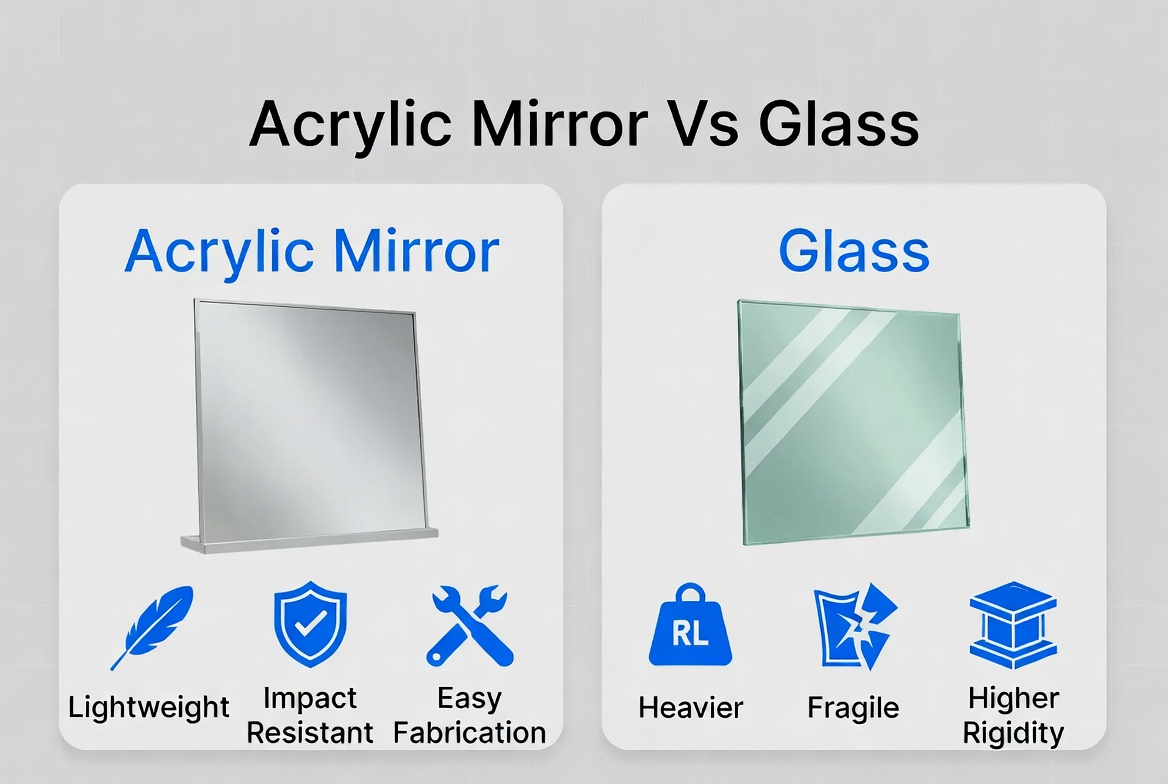
Acrylic is less than half the weight of glass, which has direct implications for logistics, safety, and install time. Lighter sheets mean: [jinbaoplastic]
- Lower freight costs and easier manual handling on job sites. [welldonplastics]
- Simplified mounting hardware because there is less load on walls or frames. [jinbaoplastic]
- Less risk of damage during transport and installation, especially on large-format mirrors. [isikplastik]
In practical terms, a single installer can often handle and mount a full-size acrylic mirror sheet safely, where a glass mirror of the same size might require a team and lifting aids. [jinbaoplastic]
Acrylic mirror sheet offers significantly higher impact resistance than glass and does not shatter into razor-sharp fragments when damaged. This makes it an ideal choice for: [isikplastik]
- Schools, gyms, dance studios, and public venues.
- Hospitals, correctional facilities, and mass transit environments.
- Children's products, interactive exhibits, and play areas where safety is non‑negotiable. [welldonplastics]
Fabricators also appreciate that acrylic's toughness reduces breakage during cutting, edge finishing, and assembly, lowering scrap rates and rework on OEM production lines. [gokaiplastic]
From a total cost of ownership standpoint, acrylic mirror often delivers better long-term economics than glass. [welldonplastics]
Key cost drivers include:
- Lower transport and installation costs thanks to reduced weight. [jinbaoplastic]
- Less frequent replacement due to superior impact resistance and durability in many indoor environments. [welldonplastics]
- Simple maintenance using mild soap, water, and soft cloths, without specialized chemicals. [jinbaoplastic]
- The ability to re-polish fine surface scratches using plastic polishing compounds rather than replacing the entire mirror. [jinbaoplastic]
For OEMs mass‑producing mirrored components—such as fixtures, signage, or cosmetic display units—small savings in handling and breakage scale up to significant annual cost reductions. [linkedin]
Acrylic mirror sheet is not a 1:1 substitute for glass in every situation, and professionals should understand its trade‑offs. [isikplastik]
- Scratch sensitivity: Acrylic is softer than glass and more prone to surface scratching if cleaned with abrasive cloths or exposed to harsh handling. [isikplastik]
- Rigidity: Glass remains stiffer, which can be important for ultra‑flat, high‑precision optical applications. [isikplastik]
- Outdoor exposure: Many mirror‑grade acrylic sheets are optimized for indoor use; outdoor use often requires careful design to minimize moisture entry, backing degradation, and warpage. [isikplastik]
These factors can be managed through material selection, design, and processing—for example, choosing scratch‑resistant grades, providing adequate backing support, and following fabrication guidelines. [gokaiplastic]
The original Piedmont Plastics article highlights a broad mix of use cases, and in practice we see similar demand patterns across global OEM customers. Below are some of the most common and commercially attractive applications. [jinbaoplastic]
Acrylic mirrors perform especially well where safety, weight, and design flexibility matter more than perfect optical flatness. [welldonplastics]
- Locker room and dressing room mirrors.
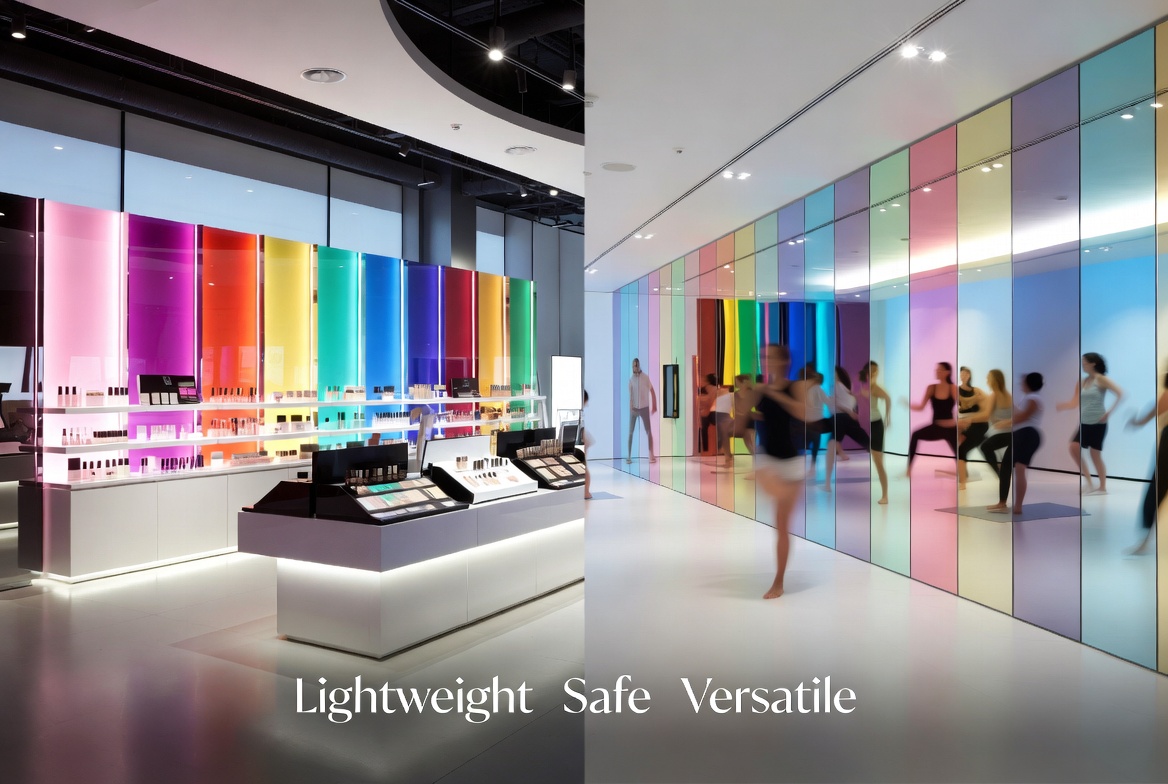
- Dance and fitness studio wall panels.
- Supermarket aisle mirrors and retail surveillance mirrors.
- Casinos and entertainment venues.
- Interior RV, caravan, and boat mirrors where weight reduction is critical. [sometimes-homemade]
Because these installations often involve large surfaces at height, the combination of low weight and high impact resistance is a major win for both installers and building owners. [linkedin]
In visual merchandising, acrylic mirror is now a staple material for POP displays, brand fixtures, and illuminated signage. [linkedin]
- Mirrored lettering and logos for higher perceived value.
- Cosmetic and jewelry counters where reflections enhance products.
- Acrylic mirror combined with LED backlighting for striking light effects.
The material's ease of CNC routing, laser cutting, and thermoforming allows brand designers to create custom shapes, curves, and layered structures that would be costly or impractical in glass. [gokaiplastic]
Beyond décor, acrylic mirror is widely used where durability and custom geometry are required. [welldonplastics]
- Security and two‑way mirrors in stores, banks, and control rooms.
- Components in scientific instruments and devices.
- Dental and medical tools where lightweight and safety are important.
- Funhouse mirrors, exhibit installations, and stage props. [jinbaoplastic]
In these cases, acrylic's ability to be precisely machined and formed gives engineers more freedom in both functional and aesthetic design. [gokaiplastic]
The global acrylic sheet market is enjoying steady growth, driven by construction, automotive, and signage demand, with the overall acrylic sheets market forecast to expand at around 4–6% CAGR into the 2030s. Within this broader category, mirrored acrylic benefits from several converging trends. [persistencemarketresearch]
- Safety and risk management: Building owners want to reduce liability related to glass breakage in public spaces. [linkedin]
- Lightweight design in transportation and modular construction is pushing designers toward lighter materials, including acrylic mirror. [sometimes-homemade]
- Sustainability focus is encouraging manufacturers to prioritize durable, long‑lived materials that reduce replacement frequency. [linkedin]
Asia‑Pacific currently accounts for more than half of global acrylic sheet demand, supported by strong manufacturing ecosystems in China and surrounding markets—an environment where OEM suppliers like Gokai play a central role in global supply chains. [gokaiplastic]
As an established manufacturer of acrylic sheet and related plastics, Gokai combines industrial capacity with flexible customization for global buyers. [gokaiplastic]
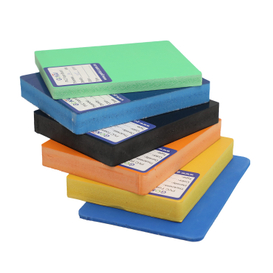
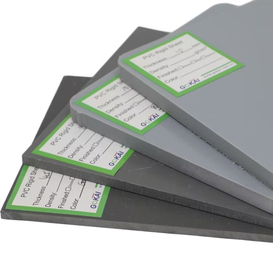
Gokai operates multiple production lines for acrylic sheet, PVC foam board, and related products, enabling consistent supply for OEM projects large and small. [gokaiplastic]
- Two factories and 10 production lines dedicated to sheet materials. [gokaiplastic]
- Standard lead times designed for container‑scale orders (e.g., 20GP and 40GP shipments). [gokaiplastic]
- Year‑round supply with standardized production processes.
This level of capacity is particularly important for brands rolling out multi‑country store concepts or product launches that require synchronized deliveries of acrylic mirror components. [linkedin]
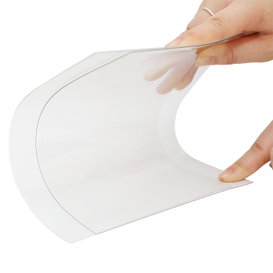
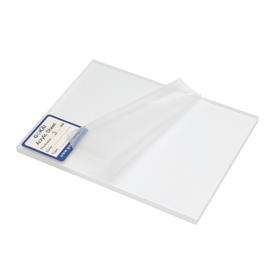
For cast acrylic sheets, Gokai uses 100% virgin MMA from leading suppliers such as Lucite and Mitsubishi to achieve excellent optical clarity and stability. Specifications include: [gokaiplastic]
- Thickness from approximately 1.8 mm up to 50 mm for standard cast acrylic sheets. [gokaiplastic]
- Clear and colored variants, including custom colors for branding projects. [gokaiplastic]
- Smooth or frosted surfaces, depending on design requirements. [gokaiplastic]
For mirror applications, these base sheets can be converted into acrylic mirror sheet with tailored backing and protective films suitable for cutting, laser processing, and assembly. [gokaiplastic]
From an OEM standpoint, the real value lies in engineering‑friendly customization. [gokaiplastic]
- Cut‑to‑size services that align with your final component dimensions, reducing in‑house cutting labor. [gokaiplastic]
- Custom thicknesses, colors, and finishes that match your product or architectural design language. [gokaiplastic]
- Support for private‑label or co‑branded supply where acrylic mirror components are integrated into finished assemblies.
Gokai's OEM/ODM approach allows you to treat acrylic mirror not as a commodity sheet, but as a designed component that fits seamlessly into your product line. [gokaiplastic]
Because acrylic mirror is more flexible than glass, large panels can exhibit some visual distortion if not properly supported. [isikplastik]
- Use a flat, rigid backing (such as MDF, plywood, or composite panels) for wall‑mounted mirrors.
- Specify adequate thickness for larger formats to minimize warping.
- Consider segmenting very large surfaces into multiple panels with design‑integrated joints.
These practices are standard in professional installation and can dramatically improve the perceived quality of reflection. [isikplastik]
To maintain surface appearance:
1. Remove dust with a clean, soft microfiber cloth.
2. Wash with lukewarm water and a small amount of mild detergent.
3. Avoid ammonia‑based cleaners, solvents, or abrasive pads. [welldonplastics]
4. For fine scratches, use a designated plastic polishing paste and buffing wheel following manufacturer instructions. [jinbaoplastic]
End‑user education on cleaning is a simple but powerful way to extend product life and reduce complaints in B2B and B2C channels. [welldonplastics]
Acrylic mirror can be cut, drilled, and thermoformed, but processing parameters differ from glass and metals. [isikplastik]
- Use sharp tools designed for plastics to avoid melting or chipping.
- Avoid excessive localized heat that can damage the reflective backing. [isikplastik]
- When bending or thermoforming, follow sheet manufacturer recommendations for temperature and radius to prevent stress marks.
Professional fabricators who adopt these methods typically see high yields and repeatable quality across production batches. [gokaiplastic]
| Sector | Typical use of acrylic mirror sheet | Key benefits for buyers |
|---|---|---|
| Retail & POP | Shelving, logo panels, cosmetic displays jinbaoplastic | Lightweight, eye‑catching, easy to customize gokaiplastic |
| Interior design | Wall panels, wardrobe doors, decorative accents welldonplastics | Space‑enhancing visuals with safer handling jinbaoplastic |
| Fitness & dance | Studio wall mirrors and safety mirrors jinbaoplastic | High impact resistance, safer for human traffic jinbaoplastic |
| Transportation | RV, caravan, marine interior mirrors jinbaoplastic | Reduced weight and breakage risk on the move jinbaoplastic |
| Security & HSE | Road intersection mirrors, two‑way mirrors jinbaoplastic | Better visibility and safety with configurable shapes isikplastik |
| Events & staging | Funhouse mirrors, stage props, exhibits jinbaoplastic | Easy to cut, bend, and install for temporary sets jinbaoplastic |
From an expert standpoint, material selection should follow a use‑case‑driven decision tree.
Choose acrylic mirror when:
- Human safety and impact resistance are top priorities (schools, gyms, public spaces). [welldonplastics]
- The installation is weight‑sensitive (mobile units, weak walls, vehicles). [linkedin]
- You need creative shapes, curves, or branding effects at scale. [welldonplastics]
- Handling conditions make glass breakage likely during installation or shipping. [jinbaoplastic]
Consider glass when:
- Ultra‑high optical precision across very large, completely flat surfaces is critical.
- The environment demands extreme scratch resistance with intense cleaning cycles.
- Local building codes or fire regulations specify glass for certain exposed surfaces.
For many modern projects, a hybrid strategy works best: use acrylic mirror where safety and design flexibility dominate, and glass only where its rigidity and surface hardness are genuinely required. [isikplastik]
If you are working with Gokai as your OEM partner, you can streamline collaboration by defining a few core parameters clearly. [gokaiplastic]
1. Application and environment
- Indoor vs. outdoor, permanent vs. temporary, decorative vs. functional. [welldonplastics]
2. Dimensions and tolerances
- Final cut sizes, thickness, allowable bow, and flatness requirements. [gokaiplastic]
3. Color and finish
- Standard silver mirror, colored mirrors, or special tints that align with brand palettes. [welldonplastics]
4. Fabrication steps
- Whether you require pre‑cut parts, drilled holes, CNC‑routed shapes, or thermoformed components before shipment. [gokaiplastic]
5. Certifications and compliance
- Any required standards for fire behavior, VOC emissions, or specific regional regulations. [persistencemarketresearch]
A clear specification upfront allows Gokai's engineering and production teams to recommend the most suitable mirror grade and processing route, keeping both performance and cost in balance. [gokaiplastic]
If you are an importer, distributor, or brand owner looking for stable, long‑term supply of acrylic mirror sheets or finished mirror components, Gokai is positioned to support you with:
- Reliable production capacity and standardized quality.
- OEM/ODM flexibility for sizes, colors, and cut‑to‑size services.
- Technical guidance on material selection and fabrication for your specific application. [gokaiplastic]
Contact Gokai's team to discuss your project requirements, request sample sheets, or obtain a tailored quotation for acrylic mirror solutions optimized for your market. [gokaiplastic]
1. Are acrylic mirror sheets as reflective as glass mirrors?
High‑quality acrylic mirror sheets provide excellent reflectivity for most decorative, commercial, and safety applications, though ultra‑critical optical uses may still favor glass. [jinbaoplastic]
2. Can acrylic mirror be used outdoors?
Standard acrylic mirror is primarily designed for indoor use; outdoor installations require careful protection from moisture and backing damage, and you should follow supplier guidance before specifying it outside. [isikplastik]
3. How do I prevent distortion in large acrylic mirror panels?
Use thicker sheets, provide full‑surface backing support, and avoid leaving large unsupported spans; proper mounting greatly reduces waviness and visual distortion. [isikplastik]
4. Is acrylic mirror sheet recyclable?
Acrylic (PMMA) can be mechanically or chemically recycled, and industry innovation in recycled MMA (R‑MMA) is improving the sustainability profile of cast acrylic sheets, including mirrored grades. [linkedin]
5. Does Gokai offer custom colors and sizes for acrylic mirror?
Yes, Gokai supports OEM and ODM customization, including tailored sheet sizes, thicknesses, and colors, alongside cut‑to‑size and other value‑added processing services. [gokaiplastic]
1. Piedmont Plastics – "Acrylic Mirror Sheet" (product blog).
[https://www.piedmontplastics.com/blog/acrylic-mirror-sheet]
2. Welldon Plastics – "What Are Acrylic Mirror Sheets: Complete Guide" (2026).
[https://www.welldonplastics.com/news/what-are-acrylic-mirror-sheets-complete-guide.html] [welldonplastics]
3. Gokai – "OEM/ODM Supplier Colored Acrylic Sheets – Scratch Resistant Plexiglass" (product page).
[https://www.gokaiplastic.com/oemodm-supplier-colored-acrylic-sheets-scratch-resistant-plexiglass-gokai-product/] [gokaiplastic]
4. Gokai – Company site and product overview (PVC Foam Board, Acrylic Sheet, Acrylic Mirror Sheet).
[https://www.gokaiplastic.com] [gokaiplastic]
5. LinkedIn – "Top Trends Shaping Global Acrylic Sheets Market" (2026).
[https://www.linkedin.com/pulse/top-trends-shaping-global-acrylic-sheets-market-hdquf] [linkedin]
6. Işık Plastik – "Mirror Acrylic Sheet Fabrication Guide" (technical PDF).
[https://isikplastik.com/dosyalar/dokumanlar/pmma-mirror-sheet-fabrication-guide_497e8f3e-fa73-46b1-9224-96b05a6d4682.pdf] [isikplastik]
7. Global market insights – Acrylic sheet market outlook and CAGR data (2026–2033).
[https://www.persistencemarketresearch.com/market-research/acrylic-sheet-market.asp] [persistencemarketresearch]
8. Jinbao Plastic – "Global Market Trends 2026: The Future of Cast Acrylic Sheets" (industry article).
[https://www.jinbaoplastic.com/global-market-trends-2025-the-future-of-cast-acrylic-sheets.html] [jinbaoplastic]
9. Sometimes Homemade – "7 Everyday Practical Uses for Silver Acrylic Mirror Sheets".
[https://sometimes-homemade.com/7-everyday-practical-uses-for-silver-acrylic-mirror-sheets/] [sometimes-homemade]