Shanghai Gokai Industry Co,.Ltd.
Call Us: +86-18918606548
Call Us: +86-18918606548
- Product Name
- Product Keyword
- Product Model
- Product Summary
- Product Description
- Multi Field Search
Views: 258 Author: Gokai Publish Time: 2026-09-28 Origin: Site


Content Menu
● Why Plastic Sheets Are Replacing Glass in Picture Frames
● Acrylic vs PET vs Polycarbonate for Picture Frames
● Acrylic Sheet for Picture Frames: The Best All-Around Option
>> Why acrylic works well for artwork glazing
>> When to choose UV-filtering acrylic
● Polycarbonate Solid Sheet for High-Impact Picture Frames
>> Best polycarbonate framing applications
>> Consider surface protection
● PET Sheet for Budget-Friendly Display Frames
>> When PET sheet makes commercial sense
● How to Choose the Right Sheet Thickness
>> Practical thickness guidance
● Anti-Glare, Anti-Reflective, and UV Protection Explained
● Common Picture-Framing Mistakes to Avoid
● Cleaning and Maintaining Plastic Picture Frame Glazing
>> Recommended cleaning process
● OEM Picture Frame Sheet Solutions from Gokai
>> 1. What is the best plastic sheet for picture frames?
>> 2. Is acrylic better than glass for picture frames?
>> 3. Does acrylic sheet protect artwork from UV light?
>> 4. Can polycarbonate sheet be used for picture frames?
>> 5. Is PET sheet suitable for artwork framing?
>> 6. How do I prevent acrylic picture-frame glazing from scratching?
>> 7. Should artwork touch acrylic glazing?
Choosing the best plastic sheet for picture frames is not simply a question of price. For a home photo frame, retail display, gallery installation, museum-style presentation, or large-format artwork, the glazing material affects visual clarity, impact safety, UV protection, shipping cost, fabrication efficiency, and long-term artwork preservation.
At Gokai, we work with global customers who source Acrylic Sheet, PET Sheet, and Polycarbonate Solid Sheet for custom framing, display systems, protective glazing, point-of-purchase displays, and OEM projects. In practice, the "best" material depends on the artwork's value, frame size, installation environment, handling risk, and optical requirements.
For most standard and premium picture-frame applications, clear acrylic sheet offers the best balance of optical clarity, low weight, shatter resistance, and customizable surface options. Polycarbonate solid sheet is generally the preferred choice where maximum impact resistance is essential. PET sheet can be a cost-conscious option for lightweight displays, temporary graphics, and certain non-conservation framing uses.

Traditional glass remains widely used in framing, but plastic glazing sheets solve several practical problems that glass creates. Large glass frames are heavy, fragile, more expensive to ship, and difficult to install safely. A broken glass panel can also damage the artwork it was meant to protect.
Plastic sheets offer a safer and more flexible approach. A properly specified acrylic, PET, or polycarbonate sheet can provide:
- Shatter-resistant protection for photos, posters, prints, and artwork
- Lower transportation weight for international shipments and e-commerce packaging
- Easier fabrication through cutting, drilling, routing, laser processing, printing, and thermoforming
- Higher safety in public spaces, children's areas, schools, hotels, hospitals, and retail environments
- Custom surface choices, including clear, UV-filtering, anti-glare, frosted, colored, mirrored, and printed options
- OEM flexibility for custom size, thickness, protective film, color, packaging, and branding requirements
For large frames, the weight difference becomes especially important. A lighter glazing panel reduces the load on frame hardware, hanging systems, shipping cartons, and installers. It also makes oversized art more practical for commercial interiors, exhibitions, retail chains, and hospitality projects.
The following table helps buyers compare the three most relevant plastic-sheet categories for picture framing and artwork protection.

| Material | Best For | Main Advantages | Limitations | Recommended Framing Uses |
|---|---|---|---|---|
| Acrylic Sheet (PMMA) | Premium everyday framing, galleries, posters, photos, large wall art | Excellent clarity, light weight, good weather resistance, easy processing, available with UV and anti-glare options | More scratch-sensitive than glass; can develop static electricity | Fine-art prints, photographs, posters, retail frames, oversized wall art |
| Polycarbonate Solid Sheet (PC) | High-impact and safety-critical installations | Outstanding impact resistance, highly durable, difficult to break, suitable for high-traffic areas | Lower optical clarity than premium acrylic in some grades; can scratch more easily; usually higher cost | Schools, public buildings, sports venues, transit spaces, children’s areas |
| PET Sheet / PETG Sheet | Budget displays and temporary graphic applications | Lightweight, economical, easy to fabricate, recyclable material options | Generally less suitable for premium optical or conservation framing | Promotional displays, short-term retail graphics, basic posters, lightweight display panels |
| PVC Sheet | Low-cost temporary displays | Affordable, lightweight, easy to fabricate | Less desirable for high-end framing and long-term artwork preservation | Temporary signs, basic point-of-sale displays |
| Styrene Sheet | Low-budget framing | Economical and lightweight | Lower durability and scratch resistance than acrylic or polycarbonate | Low-cost photo frames, disposable or short-life displays |
Use this simple decision framework:
1. Choose acrylic sheet when visual quality is the primary concern.
2. Choose polycarbonate solid sheet when damage prevention and impact resistance are the primary concerns.
3. Choose PET sheet when cost, light weight, and short-term display use matter more than premium optical performance.
4. Specify a UV-filtering grade when framing photos, paper documents, signed prints, textiles, or light-sensitive artwork.
5. Specify an anti-glare or anti-reflective surface when the frame will face windows, track lights, retail lighting, or bright office lighting.
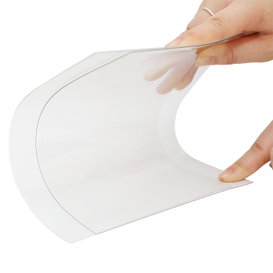
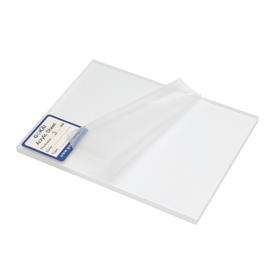
Acrylic sheet, also known as PMMA, plexiglass, or acrylic glazing, is widely used in picture frames because it combines strong visual performance with practical safety benefits. High-quality clear acrylic can deliver excellent light transmission and a clean, glass-like appearance while weighing far less than conventional glass.
For framing suppliers, wholesalers, and OEM brands, acrylic also supports efficient production. It can be cut to size, CNC-routed, drilled, laser-engraved, edge-polished, screen-printed, UV-printed, and laminated. This makes it suitable not only for glazing panels but also for complete acrylic photo frames, magnetic frames, tabletop displays, wall-mounted art panels, and illuminated frame systems.
High optical clarity: Clear acrylic is valued for its transparent appearance and ability to present artwork, photos, maps, posters, and graphics with minimal visual obstruction. Typical clear acrylic can transmit around 92% of visible light, although the exact result depends on the grade, thickness, additives, and manufacturer specifications.
Lightweight handling: Compared with glass, acrylic reduces the weight of the final framed product. This is particularly useful for oversized artwork, large poster frames, exhibition panels, and e-commerce shipments.
Safer than glass: Acrylic does not shatter into sharp fragments in the way conventional glass can. This makes it a practical choice for homes with children or pets, as well as commercial locations with frequent public access.
Customization potential: Acrylic is available in clear, frosted, colored, mirrored, fluorescent, matte, non-glare, UV-filtering, and impact-modified grades. Gokai can also support OEM requirements for customized dimensions, thicknesses, protective films, packaging, and other project-specific details.
A clear standard sheet should not automatically be assumed to provide conservation-level UV protection. This distinction matters. The National Park Service–affiliated conservation guidance from the Northeast Document Conservation Center notes that normal glass and regular acrylic do not necessarily block UV radiation at the high levels required for preservation-focused framing. For paper-based artworks, photographs, and sensitive documents, the glazing should be specifically selected for UV-filtering performance.

UV-filtering acrylic is a better choice for:
- Signed photographs and limited-edition prints
- Archival documents and certificates
- Vintage posters and movie posters
- Watercolor paintings and pigment-sensitive works
- Retail artwork displayed near windows
- Hotel, gallery, museum, and office installations with sustained lighting exposure
The Library of Congress also recommends UV-opaque acrylic glazing for framed materials in relevant preservation contexts and emphasizes that framed objects should not touch the glazing. Use a window mat or perimeter spacers to create a safe separation between the artwork and the sheet.
Expert insight: UV-filtering glazing reduces one important cause of fading, but it does not make artwork immune to light damage. The Library of Congress notes that all light can damage paper over time, not only ultraviolet radiation. Good preservation also requires sensible lighting levels and avoidance of direct sunlight.
Polycarbonate solid sheet is the strongest practical option when a picture frame must tolerate physical impact, heavy handling, vandalism risk, or demanding public environments. It is commonly specified for safety glazing, machine guards, protective barriers, transportation applications, and security-related uses because of its exceptional toughness.
For standard home picture frames, polycarbonate may be more than necessary. However, it is highly valuable for commercial and public-facing projects where breakage would create safety, replacement, or liability concerns.
Polycarbonate sheet is a strong candidate for:
- School corridors and classrooms
- Sports facilities and gymnasiums
- Airports, stations, and public transportation areas
- Hospitals and healthcare facilities
- Retail stores with high customer traffic
- Restaurants, hotels, and entertainment venues
- Children's play areas
- Outdoor notice boards and protected signage
- Security-sensitive art or information displays
Technical data from polycarbonate-sheet suppliers illustrates the material's high impact performance. One published product data sheet reports clear polycarbonate light transmission of approximately 86% at 3.0 mm thickness, while emphasizing impact strength, dimensional stability, and high-temperature performance. Another comparison reports a substantially higher notched Izod impact value for polycarbonate than acrylic, reflecting why PC is commonly selected for demanding safety applications.
Polycarbonate's strength does not mean it is automatically scratch-proof. For picture-frame glazing, specify a suitable protective film during manufacturing, storage, and transport. For demanding public-use projects, consider abrasion-resistant or hard-coated polycarbonate grades when available.
For OEM buyers, the right question is not only, "Do we need polycarbonate?" It is also:
- What thickness is required?
- Is the application indoors or outdoors?
- Does the sheet need UV stabilization?
- Is scratch resistance critical?
- Will the sheet be printed, drilled, routed, or thermoformed?
- Does the product require custom protective masking or export-grade packaging?
PET sheet and PETG sheet are useful materials for certain framing-related applications, especially where low weight, cost efficiency, and fabrication convenience matter. They are often used in promotional displays, retail point-of-purchase systems, basic poster holders, temporary signage, and lightweight protective panels.
However, PET should not be positioned as a direct substitute for high-grade acrylic in all premium picture-frame applications. For high-value art, high optical expectations, long-term display, or preservation-focused framing, acrylic with the correct UV or anti-glare specification is generally the stronger choice.
PET sheet may be appropriate when the project involves:
- Short-term retail promotions
- Price-card holders and poster inserts
- Low-cost photo-frame components
- Lightweight display windows
- Packaging-integrated frames
- Event displays and exhibition graphics
- High-volume promotional items
For global brands, retailers, and display manufacturers, PET can be attractive because it supports scalable production and may align with material-reduction or recycling objectives. The final material choice should still be confirmed through prototype testing, optical inspection, thickness validation, fabrication trials, and shipment testing.
Sheet thickness affects rigidity, flatness, visual quality, transportation risk, and total frame cost. A thin sheet may be sufficient for a small tabletop photo frame but may bow or flex when used in a large wall frame.
The correct thickness depends on frame dimensions, support structure, installation method, shipping conditions, and whether the panel is mounted vertically or horizontally.
| Frame Size or Application | Common Starting Point | Material Recommendation |
|---|---|---|
| Small photo frames | 1.0–2.0 mm | Acrylic or PET |
| Posters and medium wall frames | 2.0–3.0 mm | Acrylic |
| Large artwork and oversized frames | 3.0–5.0 mm | Acrylic or polycarbonate |
| High-impact public installations | 3.0–6.0 mm or engineered specification | Polycarbonate |
| Tabletop acrylic frames | 3.0–10.0 mm, depending on design | Acrylic |
These are starting points rather than universal engineering specifications. Large-format glazing should be validated through real sample testing, especially when the product will be shipped internationally, exposed to temperature changes, or installed in public locations.
OEM tip: Ask your sheet supplier to provide a sample set before mass production. Compare flatness, edge quality, surface protection, optical appearance, thickness tolerance, protective-film adhesion, and packaging performance before approving the final specification.
Buyers often use "anti-glare" and "anti-reflective" as if they mean the same thing. They do not always produce the same visual result.
Anti-glare acrylic typically uses a matte or diffusing surface to scatter reflections. It can improve readability under bright lighting, but it may slightly soften the appearance of very detailed artwork when viewed closely.
It is often suitable for:
- Poster frames
- Retail price displays
- Restaurant menus
- Office signs
- Brightly lit corridors
- Standard artwork displayed under direct lighting
Anti-reflective products generally use specialized coatings to reduce surface reflections while preserving high detail and clarity. They are commonly used for premium artwork, photography, and museum-quality framing. These products are usually more expensive and require more careful handling.
UV-filtering acrylic is designed to reduce transmission of harmful ultraviolet wavelengths. Conservation-grade products may block up to 99% of UV radiation within specified wavelength ranges, but buyers should always request the supplier's technical data and test conditions rather than rely on general marketing claims.
For valuable or irreplaceable materials, use UV-filtering glazing together with correct mounting methods. The artwork should not directly touch the acrylic panel. A mat board, spacer, or suitable mounting system should maintain an air gap.
Even a high-quality acrylic or polycarbonate sheet can perform poorly if the framing system is incorrectly designed. Avoid these common errors:
1. Selecting material by price alone. The lowest-cost sheet may create glare, yellowing concerns, poor flatness, or inadequate impact resistance.
2. Assuming all clear sheets provide UV protection. Standard clear acrylic, PET, or polycarbonate may not deliver conservation-grade UV filtration. Confirm the exact grade and test data.
3. Allowing artwork to touch the glazing. Direct contact can cause sticking, moisture-related damage, surface transfer, or visual defects. Use spacers or a mat.
4. Ignoring static risk. Acrylic can generate static charge. For charcoal, pastel, loose pigment, or friable media, consult a professional framer or conservation specialist before choosing glazing. The Library of Congress specifically identifies anti-static acrylic as an option for objects with friable media.
5. Removing protective film too early. Keep masking on during cutting, routing, drilling, assembly, and most transport stages to reduce surface scratches.
6. Using unsuitable cleaners. Avoid rough cloths, abrasive powders, ammonia-based cleaners, and solvent-heavy products unless the sheet manufacturer confirms compatibility.
Acrylic, PET, and polycarbonate require gentler cleaning than glass. The biggest maintenance risk is scratching the surface with dry wiping, paper towels, abrasive cloths, or incompatible chemicals.
1. Remove loose dust using clean compressed air or a soft microfiber cloth.
2. Use a clean, damp microfiber cloth with water or a manufacturer-approved plastic cleaner.
3. Wipe gently in one direction rather than rubbing aggressively.
4. Use a separate clean cloth to dry the surface.
5. Test any cleaner on an inconspicuous edge before full use.
Do not use abrasive scouring pads. Avoid products that may craze, dull, or chemically attack the sheet. For commercial products, include cleaning instructions in the product packaging, especially for e-commerce and retail customers.
[Suggested video placement: Embed a 45–60 second product-care video demonstrating how to remove protective film and clean acrylic glazing without creating scratches.]
A successful framing product needs more than a transparent panel. It requires a stable material specification, repeatable quality, safe packaging, reliable production capacity, and a supplier who understands international buyer requirements.

Gokai can support OEM and custom plastic-sheet projects involving:
- Clear acrylic sheet for picture frames and art frames
- UV-filtering and anti-glare acrylic-sheet requirements
- Polycarbonate solid sheet for safety and high-impact framing
- PET sheet for economical display and promotional-frame applications
- Custom thickness, dimensions, colors, surface finishes, and protective films
- Cutting, fabrication, printing, packaging, and export-oriented customization
- Samples for artwork framing, retail display, signage, and protective-glazing evaluation
For the best result, provide your target market, frame size, artwork type, installation environment, thickness requirement, annual volume, and packaging expectations. Our team can help evaluate whether acrylic, PET, or polycarbonate is the better fit for your product concept.
Need a custom framing-sheet solution? Contact Gokai to request material samples, technical guidance, OEM specifications, and a quotation for acrylic sheet, PET sheet, or polycarbonate solid sheet.
For most premium picture-frame applications, clear acrylic sheet is the best overall choice because it combines strong optical clarity, low weight, shatter resistance, and broad customization options. Polycarbonate is better for high-impact environments, while PET is more suitable for economical or temporary displays.
Acrylic is often better than glass for large, lightweight, shatter-resistant, or shipped frames. It is especially useful for oversized artwork and public environments. Glass may still be preferred for some premium framing applications because it is naturally more scratch-resistant, but acrylic offers major safety and shipping advantages.
Only UV-filtering acrylic should be relied on for meaningful UV protection. Standard clear acrylic may not provide conservation-level protection. For photos, documents, limited-edition prints, and valuable artwork, request tested UV-filtering acrylic and review the supplier's technical documentation.
Yes. Polycarbonate solid sheet is an excellent choice for picture frames in schools, hospitals, sports facilities, public buildings, and other locations where impact resistance and safety are more important than premium optical presentation.
PET sheet can work for lightweight, low-cost, or temporary display frames. However, for high-end art, photography, long-term framing, or UV-sensitive materials, acrylic—especially a UV-filtering or anti-reflective grade—is generally more appropriate.
Keep the protective film on during fabrication and assembly. Use microfiber cloths, non-abrasive plastic-safe cleaners, and gentle wiping techniques. Do not clean acrylic with rough paper towels, abrasive pads, or unverified solvents.
No. Artwork should generally be separated from the glazing with a mat, spacer, or appropriate framing system. The Library of Congress recommends ensuring that the object does not touch the glazing, particularly in preservation-sensitive framing.
1. Acme Plastics. "[The Best Materials for Plastic Picture Frames]." Accessed September 25, 2026.
Original competitor article reviewed for its material categories, framing benefits, and common consumer selection considerations.
2. Library of Congress. "[Preservation Guidelines for Matting and Framing]." Accessed September 25, 2026.
Source for preservation guidance on UV-opaque acrylic, anti-static acrylic for friable media, and maintaining separation between framed objects and glazing. [loc]
3. Library of Congress. "[Will UV-Filtering Acrylic or Glass Protect My Framed Paper-Based Items?]." Published September 10, 2024. Accessed September 25, 2026.
Source for the principle that UV filtering reduces a damaging component of light, but all light may contribute to paper deterioration over time. [ask.loc]
4. Northeast Document Conservation Center. "[Matting and Framing for Works on Paper and Photographs]." Accessed September 25, 2026.
Source for conservation-oriented guidance regarding UV-filtering glazing and the distinction between regular acrylic and high-UV-filtering glazing. [nedcc]
5. Plaskolite. "[TUFFAK GP Polycarbonate Sheet Technical Data Sheet]." Accessed September 25, 2026.
Source for representative polycarbonate performance information, including light transmission and impact-related technical data. [plaskolite]
6. Tru Vue. "[Conservation Clear Acrylic: 99% UV Protection]." Accessed September 25, 2026.
Source for product-specific UV-blocking, transmission, and reflection performance claims for conservation-grade acrylic. [tru-vue]
7. Abbott Plastics. "[Acrylic Typical Properties of Acrylic and Polycarbonate]." Accessed September 25, 2026.
Source for an illustrative ASTM D256 impact-strength comparison between acrylic and polycarbonate. [abbottplastics]