Shanghai Gokai Industry Co,.Ltd.
Call Us: +86-18918606548
Call Us: +86-18918606548
- Product Name
- Product Keyword
- Product Model
- Product Summary
- Product Description
- Multi Field Search
Views: 222 Author: Gokai Publish Time: 2026-04-19 Origin: Site


If you are planning new signage for your store, office, or industrial facility, choosing the right material matters just as much as the design itself. The wrong substrate can fade, crack, or look cheap; the right one supports your brand image, lasts for years, and reduces maintenance costs. [ttplasticland]
As a global OEM supplier of acrylic sheet (PMMA) and other plastic panels, Gokai has helped thousands of customers—from small retailers to large industrial brands—move from low‑quality signage to durable, high-impact acrylic solutions. In this guide, you'll learn how to choose signage materials, why acrylic sheet is often the best choice, and how to work with an experienced manufacturer to get professional, custom signage that actually converts visitors into customers. [bigmarketing]

Signage is one of the first offline touchpoints for many customers. It influences how people perceive your brand's professionalism, reliability, and price positioning. [blog.marketmuse]
Good signage materials help you:
- Maintain high visibility in different lighting and weather conditions. [blog.marketmuse]
- Deliver consistent brand colors and logo appearance over time. [blog.marketmuse]
- Control total cost of ownership (fabrication, installation, cleaning, replacement). [bigmarketing]
- Communicate that your business is modern, safe, and trustworthy. [iodigital]
By contrast, poor materials lead to yellowing, warping, or scratching, which sends a strong negative signal about quality—even if your products and services are excellent. [blog.marketmuse]
Before you pick acrylic or any other sheet material, evaluate these core factors. [blog.marketmuse]
- Indoor signage: Typically faces less UV exposure and weather, so you can optimize more for aesthetics and cost. [blog.marketmuse]
- Outdoor signage: Must withstand sun, rain, wind, and temperature swings, which means you need better UV stability, impact resistance, and weatherability. [ttplasticland]
Ask yourself:
1. Is this sign permanent, semi-permanent, or short-term?
2. Will it be installed in a high‑traffic or high‑impact area (e.g., parking entrances, industrial plants)?
For long‑term or high‑traffic applications, acrylic and polycarbonate outperform basic foam boards or thin PVC sheets. [bigmarketing]
- Surface finish: glossy, matte, anti-glare.
- Color: transparent, opal (diffused), colored, or opaque.
- Lighting: non‑illuminated, front‑lit, or backlit.
Gokai's acrylic sheets offer crystal-clear transparency (up to 93.4% light transmission), high gloss, and smooth surfaces with minimal defects—ideal for premium brand imagery and LED‑lit signs. [cn.gokai.com]
The cheapest material is not always the best value. Consider:
- Initial material cost.
- Fabrication and installation cost.
- Cleaning and maintenance frequency.
- Replacement cycle (how soon it will need replacing).
Premium materials like acrylic may cost slightly more up front but often reduce replacement frequency and maintain brand appearance longer, lowering overall cost per year. [bigmarketing]
The table below summarizes commonly used materials based on Acme Plastics' guide and industry practice, with an emphasis on how they compare to acrylic. [ttplasticland]
| Material | Best Uses | Key Pros | Key Cons |
|---|---|---|---|
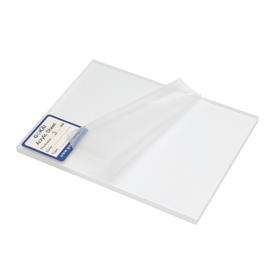
| Acrylic (PMMA) | Indoor branding, illuminated signs, retail displays (blog.marketmuse) | High transparency, glossy finish, weather-resistant, highly customizable (blog.marketmuse) | Prone to scratching; needs proper cleaning (blog.marketmuse) |
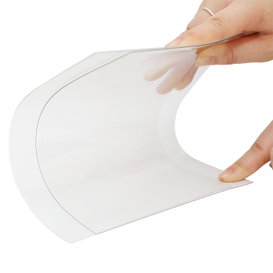
| Polycarbonate | Outdoor, high-impact areas, illuminated boxes (blog.marketmuse) | Extremely tough, UV and impact resistant (blog.marketmuse) | Higher cost; may yellow after long UV exposure (blog.marketmuse) |
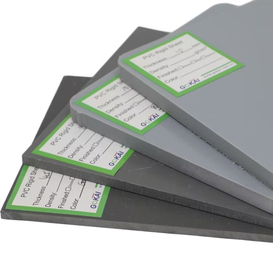
| PVC | Promotional signs, trade shows, wall boards (blog.marketmuse) | Lightweight, cost-effective, easy to cut and print (blog.marketmuse) | Less durable for long-term outdoor use (blog.marketmuse) |
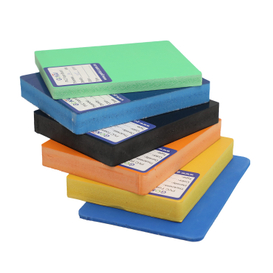
| Foam Board | Short-term indoor promotions, exhibitions (blog.marketmuse) | Very light, low cost, easy to install (blog.marketmuse) | Poor weather resistance; not suitable for permanent installs (blog.marketmuse) |
| Aluminum / ACM | Outdoor building signs, wayfinding, industrial (blog.marketmuse) | Rigid, long-lasting, good weather resistance (blog.marketmuse) | Heavier; more complex fabrication; more expensive (blog.marketmuse) |

From our experience supporting global clients, acrylic sheet hits the sweet spot between premium appearance, durability, and fabrication flexibility. [cn.gokai.com]
Acrylic sheets offer better transparency than glass at roughly half the weight, making them ideal for:
- High-end retail store fronts.
- LED‑lit logo panels in corporate lobbies.
- Menu boards and display cases in restaurants.
Gokai's transparent acrylic sheet, for example, reaches light transmission rates up to 93.4%, giving signage a bright, high-contrast look that stands out even in busy environments. [cn.gokai.com]
Premium acrylic sheets deliver:
- Excellent weatherability—they maintain gloss and color without fading or whitening under normal outdoor conditions. [cn.gokai.com]
- Good thermal resistance, suitable for typical outdoor temperature ranges. [cn.gokai.com]
- High surface hardness—with Rockwell hardness values up to M101 on leading products, resulting in strong resistance to deformation and improved service life. [cn.gokai.com]
Acrylic sheet can be:
- Cut to custom shapes and sizes (CNC, laser cutting). [bigmarketing]
- Engraved or printed with high‑resolution images and text.
- Bent, bonded, and assembled into 3D structures such as light boxes or display stands. [jumei-acrylic]
As an OEM supplier, Gokai supports:
- Cut‑to‑size service for ready‑to‑install signage panels.
- Custom color matching for brand‑specific Pantone tones.
- Value‑added operations such as polishing, drilling, and UV printing (available depending on project and region). [bigmarketing]
Different contexts call for different materials. Use this quick decision framework. [ttplasticland]
Choose acrylic when you need:
- Premium aesthetics (high gloss, glass-like appearance).
- Good outdoor performance with proper thickness and installation.
- Brand impact in retail, hospitality, and corporate environments.
- Illuminated signs with bright, even light diffusion (especially with opal or frosted acrylic). [ttplasticland]
Choose polycarbonate when:
- The sign is installed in high‑impact areas such as parking entrances or industrial zones.
- There is a high risk of vandalism or accidental impact.
- Local regulations require higher impact resistance or safety ratings. [bigmarketing]
You may sacrifice some optical clarity and pay more, but polycarbonate excels in extreme durability.
PVC is suitable if:
- You need short‑ to mid‑term promotional signage.
- The sign is primarily indoor or in semi‑protected outdoor areas.
- Budget is tight, and you do not require a glass‑like look. [blog.marketmuse]
PVC offers a good printing surface and low weight but is not ideal for high‑end, long‑term outdoor branding. [blog.marketmuse]
From an OEM manufacturer's perspective, successful acrylic signage projects usually follow a structured process.
Define:
1. Installation location (indoor, outdoor, semi‑outdoor).
2. Mounting method (wall‑mounted, hanging, freestanding, integrated into a facade).
3. Exposure (UV light, humidity, temperature range, possible impacts).
This information allows your sheet supplier to recommend the right thickness, grade, and surface finish. [bigmarketing]
Common acrylic sheet thicknesses for signage range from 2 mm to 10 mm, depending on size and installation method. [ttplasticland]
- Smaller indoor panels: 2–4 mm.
- Medium outdoor signs: 4–6 mm.
- Larger, freestanding or structural elements: 6–10 mm or more.
A professional supplier can also advise whether you need UV‑stabilized grades, impact‑modified acrylic, or recycled acrylic for your project. [bigmarketing]
Typical choices include:
- Clear acrylic for high transparency and LED backlighting.
- Opal/white acrylic for light boxes with soft, uniform light.
- Solid colored sheets for strong brand consistency with minimal printing.
- Frosted or matte surfaces to reduce glare in brightly lit environments. [ttplasticland]
Work with your OEM supplier to finalize:
- Cutting tolerances and edge finishing requirements.
- Hole positions for mounting hardware.
- Printing areas and color specifications.
- Protective film or packaging needs for shipping.
Getting these details right at the beginning reduces delay, waste, and installation issues. [blog.saleslayer]

Even the best acrylic sheet can lose its shine if it is not maintained properly.
To keep acrylic signage looking new:
- Use a soft microfiber cloth and a mild, non‑abrasive cleaner.
- Avoid ammonia-based glass cleaners that can cause crazing over time.
- Do not use harsh scrubbing pads or dry cloth on dust-covered surfaces.
Regular, gentle cleaning preserves the sheet's gloss and clarity, extending the life of the sign. [ttplasticland]
High‑quality acrylic sheets with good UV resistance and stable formulations show strong color stability and do not easily yellow under normal conditions. However, it is still wise to: [cn.gokai.com]
- Specify UV‑stabilized material for outdoor signage.
- Avoid unnecessary chemical exposure.
- Follow the manufacturer's recommended installation and cleaning guidelines.
These practices support both aesthetic performance and safety over the lifetime of the sign. [cn.gokai.com]

Sustainability is now a key purchasing criterion for many brands.
Modern recycled acrylic can offer nearly the same mechanical and optical performance as virgin acrylic, while significantly reducing environmental impact. [blog.marketmuse]
Benefits include:
- Lower resource consumption compared to virgin PMMA.
- Comparable durability and aesthetic quality, depending on grade.
- Potential to support corporate ESG and sustainability reporting.
In some signage systems, acrylic is combined with or replaced by:
- Aluminum, which is highly recyclable and excellent for structural frames. [blog.marketmuse]
- Wood or bamboo panels for indoor eco‑themed environments. [blog.marketmuse]
A professional OEM supplier can help you design a signage system that balances performance, branding, and environmental goals. [blog.hubspot]
As a specialized acrylic sheet and plastic panel manufacturer and supplier, Gokai provides more than just raw materials.
Depending on your location and project scope, we can provide:
- Acrylic sheet production in multiple thicknesses, formats, and colors. [cn.gokai.com]
- Cut‑to‑size and machining services to deliver ready‑to‑assemble panels.
- Batch OEM production for large rollouts across franchise or retail chains.
- Packaging and logistics planning for international shipments.
These capabilities are particularly valuable for sign makers, brand agencies, and construction companies that need consistent quality across many sites. [blog.saleslayer]
For Google's E‑E‑A‑T standards, buyers and search engines look for evidence of real‑world expertise and trustworthiness. Gokai supports this by providing, where applicable: [roirevolution]
- Detailed technical data such as light transmission, Rockwell hardness, and temperature performance. [cn.gokai.com]
- Factory certifications (e.g., ISO‑related standards where available) and documented quality control processes.
- Transparent OEM cooperation models, including sample policies and lead times.
- Customer reviews and case highlights that show long‑term performance of our acrylic sheets in real installations. [roirevolution]
Beyond the material itself, good UX in physical signage means people can quickly understand, trust, and act on your message. [jumei-acrylic]
- Keep main messages under 7 words for quick recognition. [jumei-acrylic]
- Use high contrast between text and background (e.g., white text on dark acrylic or vice versa). [jumei-acrylic]
- Use simple fonts that are easy to read at a distance.
- Backlit acrylic logos in reception areas make a strong professional impression.
- Edge‑lit clear acrylic panels can create a modern, high‑tech look.
- Warm, even lighting reduces glare and eye fatigue for readers. [jumei-acrylic]
Think of your acrylic sign as a physical landing page. Effective CTAs can:
- Encourage visitors to "Visit Our Website", "Scan for Offers", or "Contact Sales Today".
- Use QR codes printed or engraved into acrylic to bridge offline and online experiences. [jumei-acrylic]
- Place important CTAs at eye level or near checkout and decision points for maximum impact. [jumei-acrylic]
If you are planning a new signage system—or upgrading from outdated materials—now is the best time to define a long‑term acrylic sheet partner.
Gokai offers:
- Reliable OEM acrylic sheet production for global customers.
- Technical guidance on material selection, thickness, and finishes.
- Flexible customization for brand‑specific colors and formats.
Ready to discuss your project?
Contact our team with your drawings, photos, or basic dimensions, and we'll help you select the right acrylic sheet solution, estimate costs, and plan delivery for your market.

Yes. High‑quality acrylic sheet with proper thickness and UV stabilization performs very well outdoors, maintaining clarity and gloss under normal conditions when correctly installed. [cn.gokai.com]
For small indoor signs, 2–4 mm is usually sufficient, while medium outdoor signs often use 4–6 mm, and large or structural elements may require 6–10 mm or more, depending on design and mounting. [bigmarketing]
High‑grade acrylic with proper UV stabilization and correct installation has strong resistance to yellowing, especially compared with lower‑quality plastics, though extreme conditions may still affect long‑term appearance. [cn.gokai.com]
Use a soft microfiber cloth and mild, non‑abrasive cleaner; avoid ammonia‑based glass cleaners and harsh pads to prevent scratches and crazing on the surface. [ttplasticland]
Yes. As an OEM supplier, Gokai can produce acrylic sheet in custom colors, sizes, and finishes, and support batch production for multi‑location rollouts, subject to project requirements and regional logistics. [blog.saleslayer]
1. Acme Plastics. "Choosing the Right Signage Materials for Your Business: A Comprehensive Guide."
<https://www.acmeplastics.com/content/signage-materials/> [blog.marketmuse]
2. Gokai. "透明亚克力板 – 产品介绍与性能说明。"
<https://cn.gokai.com.cn/pd49420584.html> [cn.gokai.com]
3. Sales Layer. "SEO for Manufacturers: A Guide to Ranking and Lead Generation in Industrial Markets."
<https://blog.saleslayer.com/seo-for-manufacturers-a-guide-to-ranking-and-lead-generation-in-industrial-markets> [blog.saleslayer]
4. BigMarketing. "Manufacturing SEO: 10 Proven Strategies for Top Rankings."
<https://bigmarketing.com/manufacturing-seo/> [bigmarketing]
5. Jumei Acrylic. "Creative Strategies for an Effective Acrylic Sheet Brand Display."
<https://jumei-acrylic.com/creative-strategies-for-acrylic-sheet-brand-display> [jumei-acrylic]
6. HubSpot. "Is Your Website EEAT-compliant? What Developers Should Keep In Mind."
<https://blog.hubspot.com/website/eeat-compliance> [blog.hubspot]
7. iO Digital. "Google E-E-A-T: Creating Content That Puts People First."
<https://www.iodigital.com/en/insights/blogs/google-e-e-a-t-creating-content-that-puts-people-first> [iodigital]
8. ROI Revolution. "Optimizing Your Site for Google E-E-A-T."
<https://roirevolution.com/blog/google-e-e-a-t-how-to-optimize-your-site-to-align-with-the-search-quality-rater-guidelines/> [roirevolution]
9. TT Plastic Land. "A Complete Guide to Signmaking with Acrylic Sheets."
<https://www.ttplasticland.com/blogs/news/a-complete-guide-to-sign-making-with-acrylic-sheets> [ttplasticland]
10. MarketMuse. "Enhancing Your Content Strategy with SEO Best Practices."
<https://blog.marketmuse.com/enhancing-your-content-strategy-with-seo-best-practices/> [blog.marketmuse]