Shanghai Gokai Industry Co,.Ltd.
Call Us: +86-18918606548
Call Us: +86-18918606548
- Product Name
- Product Keyword
- Product Model
- Product Summary
- Product Description
- Multi Field Search
Views: 222 Author: Gokai Publish Time: 2026-05-25 Origin: Site


If you frame artwork or photographs professionally, your choice of glazing material directly affects visual impact, long‑term protection, shipping safety, and total cost of ownership. In this guide, I'll walk you through acrylic vs glass, key performance factors, step‑by‑step framing best practices, and how an OEM acrylic sheet partner like Gokai supports high‑volume, global framing projects. [margacipta]
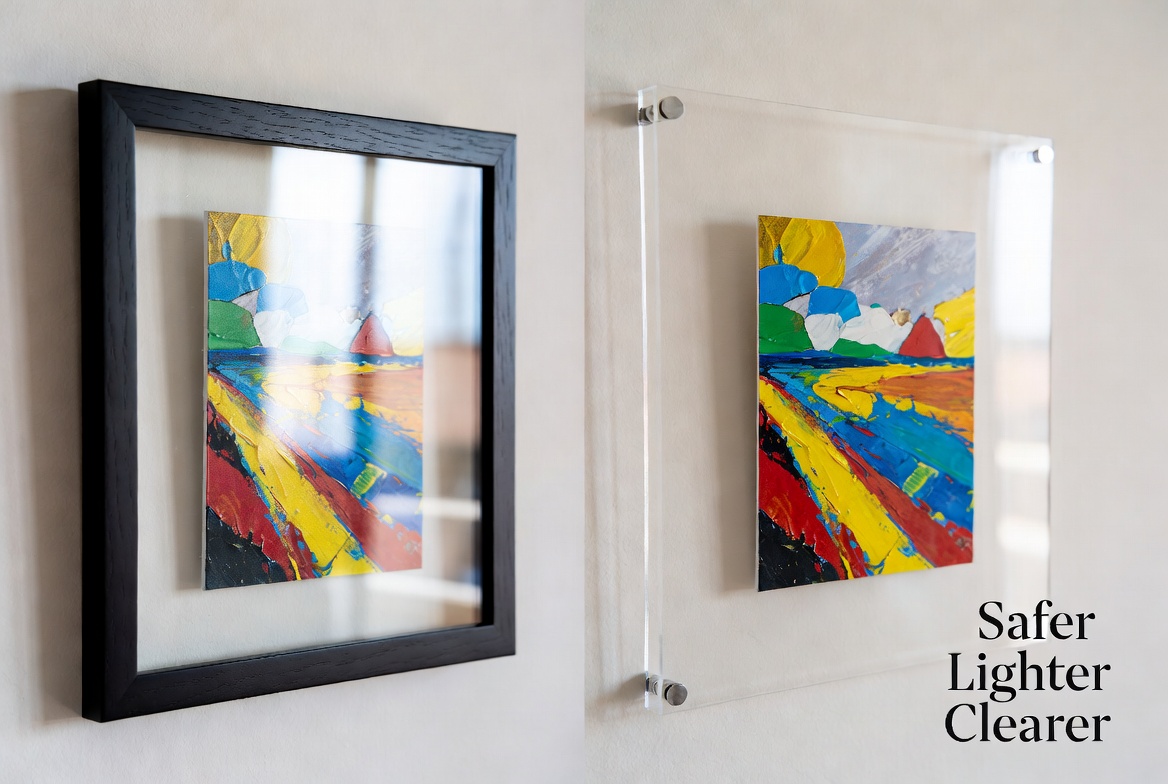
For most modern framing applications, high‑quality acrylic sheet outperforms traditional glass on strength, weight, and optical clarity. [margacipta]
- Impact resistance: Standard picture frame glass can shatter when dropped or knocked, while acrylic is far more impact‑resistant and much safer in shipping and high‑traffic spaces. [margacipta]
- Lightweight handling: Acrylic weighs significantly less than glass, reducing strain on hanging hardware and minimizing the risk of stress cracks in large frames over time. [margacipta]
- Superior clarity: Typical glass (unless museum grade) can introduce a slight green tint, whereas quality acrylic offers more neutral, high‑clarity viewing with truer colors. [margacipta]
- Shipping efficiency: Because acrylic is lighter and more durable, freight damage rates and packaging costs are usually lower compared with glass. [margacipta]
When glare is a concern, framers often specify non‑glare acrylic; when installed flush against the artwork, it becomes effectively transparent while reducing distracting reflections. [margacipta]
| Factor | Acrylic Sheet for Framing | Glass for Framing |
|---|---|---|
| Impact resistance | Highly impact‑resistant, won't shatter into sharp shards margacipta | Brittle and prone to shattering when dropped margacipta |
| Weight | Much lighter; ideal for large formats and shipping margacipta | Heavier, increases load on wall and hardware margacipta |
| Optical clarity | Excellent clarity, minimal tint; true color rendering margacipta | Standard glass may show greenish tint margacipta |
| UV protection | Modern acrylic is UV‑resistant, helps reduce fading margacipta | Quality "museum" or "conservation" glass can add UV filtering margacipta |
| Scratch resistance | Softer surface; more prone to scratches if mishandled margacipta | Harder surface; generally more scratch‑resistant margacipta |
| Cleaning | Requires mild soap and microfiber, no harsh chemicals margacipta | Tolerates standard glass cleaner and paper towels margacipta |
| Cost | Slightly higher material cost but lower shipping losses margacipta | Often cheaper per sheet but riskier in transport margacipta |
For galleries, online print brands, and OEM frame manufacturers, the total lifecycle cost of acrylic glazing is often lower once breakage, logistics, and customer satisfaction are included. [margacipta]
A common concern is whether acrylic will yellow or haze with age, especially under sunlight. [margacipta]
- Historical data from World War II aircraft canopies shows that acrylic plexiglass remained clear even after decades of exposure. [margacipta]
- Modern acrylic sheet produced to quality standards is inherently UV‑resistant and does not yellow under typical framed art conditions. [margacipta]
- At the same time, acrylic glazing protects underlying photos and prints from UV‑related fading, extending their display life. [margacipta]
By comparison, older antique glass could yellow over many years, but contemporary framing glass is usually formulated to remain clear as well, so both materials perform similarly in terms of yellowing resistance. [margacipta]
There are still scenarios where glass is a viable or preferred choice. [margacipta]
- Small, low‑risk pieces: For small frames that are unlikely to be shipped or handled roughly, traditional glass can be acceptable. [margacipta]
- Budget frames: In cost‑sensitive retail channels where breakage risk is low, glass may offer a slight upfront price advantage. [margacipta]
- Scratch‑intensive environments: Glass better tolerates aggressive cleaning and may be chosen when users are not trained to handle acrylic correctly. [margacipta]
Even in these cases, many professional framers are moving to acrylic because it provides better safety and a more consistent customer experience across a portfolio. [margacipta]
Selecting the right acrylic sheet specification is just as important as deciding between acrylic and glass. [margacipta]
For picture frames, thickness must balance strength, weight, and cost. [margacipta]
- Thin sheets (around 1.5–2 mm): Suitable for small frames, light‑duty wall art, and cost‑sensitive mass‑market products where impact loads are low. [margacipta]
- Mid‑range thickness (3–4 mm): Offers a strong balance of rigidity and weight, ideal for most professional framing, gallery prints, and retail wall art. [margacipta]
- Thicker acrylic (5–6 mm+): Used for oversized or freestanding displays, high‑traffic public spaces, or when frames are frequently moved and re‑hung. [margacipta]
Always factor in:
- The overall frame dimensions and expected span without intermediate support
- Shipping distance and logistics conditions
- Mounting method and wall substrate
An OEM like Gokai can supply cut‑to‑size acrylic sheet for high‑volume programs, ensuring consistent thickness and tight dimensional tolerances across all frames.
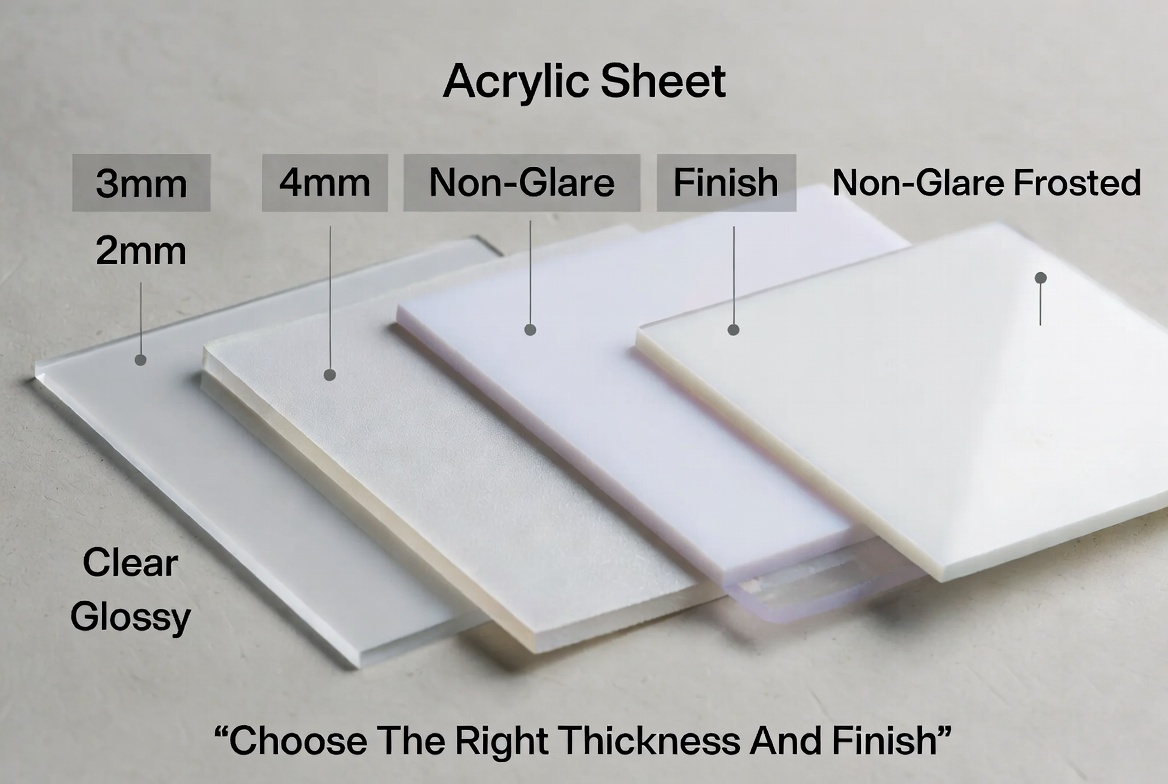
The surface finish you specify dramatically affects viewing comfort and perceived print quality. [frametek]
- Gloss clear acrylic: Maximizes clarity and depth, suited to controlled‑light environments such as galleries and premium residential spaces. [margacipta]
- Non‑glare / matte acrylic: Micro‑etched or coated to diffuse reflections; ideal for bright rooms, shop windows, or offices with strong overhead lighting. [margacipta]
- UV‑filtering grades: Engineered to block a higher percentage of UV light, recommended for collectible prints, original artworks, and archival installations. [margacipta]
When non‑glare acrylic is placed directly against the artwork, it can appear fully transparent while still softening surface reflections for a more comfortable viewing experience. [margacipta]
Correct handling and assembly are crucial to avoid scratches, dust, and static issues during framing. [acrylicleasinder]
1. Inspect and edge‑finish the sheet. Before removing the protective film, use a purpose‑made edge scraper or the sharp edge of scissors at about 45° to remove burrs and saw marks from all edges. [frametek]
2. Control dust and static. Wipe both sides and all edges with a slightly damp cloth while the protective film is still in place to reduce static and capture loose particles. [frametek]
3. Remove the protective film slowly. Peel the film gradually, ideally by taping the edge to a tube or rod and rolling it off; fast peeling generates static and attracts dust. [frametek]
Acrylic needs more careful cleaning than glass due to its softer surface. [acrylicleasinder]
- Use only a soft microfiber cloth and mild soap or a dedicated anti‑static acrylic cleaner. [acrylicleasinder]
- Avoid ammonia‑based cleaners, abrasive pads, and paper towels that can scratch the surface. [acrylicleasinder]
- Apply cleaner sparingly and wipe with light, even strokes; vigorous rubbing can build static, pulling dust back onto the panel. [frametek]
Commercial products like Brillianize, Novus, and similar anti‑static cleaners are commonly used in professional workshops. [frametek]
To keep dust and fibers out of the finished frame, work in a clean, low‑airflow area and follow a consistent process. [acrylicleasinder]
1. Clean the backing board thoroughly. [frametek]
2. Place mats and artwork face up, then clean each layer from back to front. [frametek]
3. Position the cleaned acrylic as the last layer, still face up. [frametek]
4. Once all components are clean, create a full tape seal around the package to minimize future dust infiltration; standard acetate tape with stable acrylic adhesive can be used. [frametek]
Finally, avoid hanging any framed artwork in direct bright light, as even with UV‑resistant glazing, pigments can fade over time. [frametek]
Acrylic glazing is now the default choice in many professional and commercial environments. [acrylicleasinder]
- Galleries and museums: Non‑glare, UV‑filtering acrylic protects valuable works while keeping installations light enough for flexible wall systems. [margacipta]
- High‑traffic interiors: Offices, hotels, hospitals, and schools reduce liability by replacing breakable glass with shatter‑resistant acrylic. [margacipta]
- E‑commerce wall art brands: Lighter weight and high impact resistance dramatically cut shipping damage, returns, and negative reviews. [margacipta]
- Large‑format photography: Oversized prints benefit from lower weight and clearer, less tinted viewing compared with standard glass. [margacipta]
For demanding programs like these, working with a global OEM sheet supplier allows standardized specifications, reliable replenishment, and consistent optical quality across multiple framing vendors.
Gokai is a China‑based OEM manufacturer and sheet specialist supplying acrylic and related board materials for global signage, display, and construction markets, including framing applications.
Depending on the look and performance you require, you can combine different sheet types within a single project portfolio.
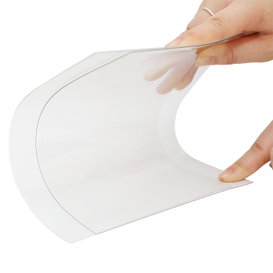
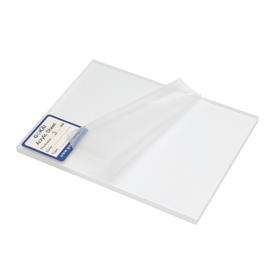
- Clear Acrylic Sheet: High optical clarity and smooth surfaces for premium picture framing and display glazing.
- Frosted Acrylic Sheet: Softens light and helps hide fingerprints; useful in open, high‑touch environments or decorative frames.
- Glitter / Colored Acrylic Sheets: Provides bold visual effects for accent frames, branding walls, or themed interiors.
- Cast Acrylic Sheets: Excellent thickness uniformity and optical performance for high‑end applications. [trinseo]
- Acrylic Mirror Sheet: Lightweight alternative to glass mirror for decorative frames, point‑of‑sale displays, and children's interiors.
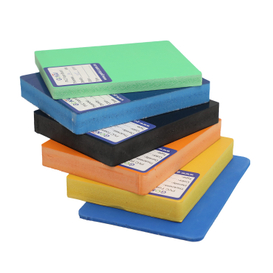
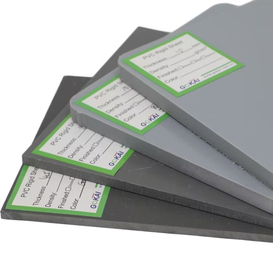
With OEM capabilities across multiple board materials (PVC foam board, WPC foam, PETG, polystyrene, and others), Gokai can support integrated framing, signage, and display programs for global brands.
For international frame manufacturers, distributors, or large print‑on‑demand platforms, partnering with an OEM acrylic supplier offers several advantages.
- Consistent quality at scale: Advanced production and strict quality control help maintain uniform sheet thickness, color, and surface finish across large orders.
- Cut‑to‑size and customization: OEM services can provide pre‑cut glazing panels that drop directly into your frame lines, reducing on‑site cutting, dust, and labor.
- Multi‑material supply: With a broad product category portfolio, Gokai can consolidate your sheet sourcing for frames, backing boards, and related display elements.
- Global support: Located in Shanghai with established export workflows, Gokai regularly serves international customers and can align with your logistics and inventory strategy.
If you are developing a new acrylic frame product line or upgrading from glass, engaging an OEM early in the design process can help you define optimal thicknesses, finishes, and packaging methods from the start. [margacipta]

Gokai has also documented hands‑on approaches to building professional acrylic photo frames, including material choice, hardware selection, and finishing details. [gokai.com]
- Use precision‑cut edges and polished corners to create a clean, modern floating‑frame look. [gokai.com]
- Combine clear and colored acrylic layers to add depth and branded accents without compromising clarity over the artwork. [gokai.com]
- Select hardware (standoffs, spacers, hanging systems) tested with your chosen acrylic thickness to prevent stress cracks and warping over time. [gokai.com]
By aligning design, sheet specs, and hardware early, you can create frames that look refined, ship safely, and scale efficiently in production. [gokai.com]
Educating customers on correct cleaning practices is essential to protect the long‑term appearance of acrylic glazing. [acrylicleasinder]
- Instruct users to dust regularly with a soft microfiber cloth. [acrylicleasinder]
- For fingerprints or smudges, recommend a mild non‑abrasive cleaner applied to the cloth, not sprayed directly onto the sheet. [acrylicleasinder]
- Warn against abrasive sponges, paper towels, and household glass cleaners containing ammonia or solvents. [acrylicleasinder]
- Remind clients to avoid installing frames in direct, intense sunlight to protect artworks from fading over time. [frametek]
Incorporating a short care guide into your packaging or online FAQs reduces support tickets and keeps framed pieces looking as intended. [acrylicleasinder]
If you are a frame manufacturer, photo lab, signage producer, or brand looking to transition from glass to acrylic—or to optimize your current acrylic program—working with a specialized OEM supplier is the most reliable way to scale. [margacipta]
Gokai offers a broad range of acrylic sheets (clear, frosted, glitter, cast, mirror, and colored) plus complementary board materials, backed by strict quality control and global export experience.
Contact Gokai today to discuss your picture framing requirements, request acrylic sheet samples, or develop a custom OEM specification for your next framing or display project.
Q1: Is acrylic always better than glass for picture frames?
Acrylic is generally superior for safety, weight, and clarity, especially in large formats, high‑traffic spaces, or when frames are shipped. Glass can still work for small, low‑risk, or very budget‑constrained projects. [margacipta]
Q2: Will acrylic yellow or become cloudy over time?
Modern UV‑resistant acrylic sheet is formulated not to yellow under normal display conditions, and historical use in aircraft canopies confirms long‑term clarity. Proper cleaning and avoiding harsh chemicals help keep it clear. [frametek]
Q3: What thickness of acrylic should I use for my frames?
Most professional wall frames use mid‑range thicknesses around 3–4 mm, which balance rigidity and weight. Smaller frames may use thinner sheets, while oversized or freestanding displays benefit from thicker acrylic. [margacipta]
Q4: How should acrylic glazing be cleaned?
Use a soft microfiber cloth and mild soap or an approved acrylic cleaner, applying gentle strokes to avoid scratches and static. Avoid ammonia‑based glass cleaners, abrasive pads, and paper towels. [acrylicleasinder]
Q5: Can Gokai provide custom‑sized acrylic sheets for my frame line?
Yes, as an OEM acrylic sheet manufacturer and board specialist, Gokai can supply tailored thicknesses, finishes, and cut‑to‑size panels for global framing and display programs. You can also source complementary board materials from the same supplier to streamline your supply chain.