Shanghai Gokai Industry Co,.Ltd.
Call Us: +86-18918606548
Call Us: +86-18918606548
- Product Name
- Product Keyword
- Product Model
- Product Summary
- Product Description
- Multi Field Search
Views: 209 Author: Gokai Publish Time: 2026-07-03 Origin: Site


Content Menu
● Understanding Global Greenhouse Market Growth
● Why Polycarbonate Sheets Are Reshaping Greenhouses
● Core Keyword Focus and Article Angle
● Key Drivers Behind Greenhouse Market Growth
>> Climate Instability and Food Security
>> Rising Demand for Premium and Organic Produce
>> Urban Farming and Smart Greenhouses
● Why Polycarbonate Sheet Greenhouses Lead in Modern Projects
>> Light Transmission and Diffusion
>> Thermal Insulation and Energy Efficiency
>> Strength, Durability, and Safety
● Strategic Opportunities for Greenhouse Operators
>> Segmenting by Project Scale
>> Designing for Local Climate and Crop Mix
● Expert Perspective: From Material Choice to Competitive Advantage
● Practical Steps to Stay Ahead of Greenhouse Trends
>> 1. Benchmark Your Current Greenhouse Assets
>> 2. Align Material Choices With Market Positioning
>> 3. Integrate Polycarbonate Sheets Into Smart Climate Control
● Gokai's Role as an OEM Polycarbonate Sheet Partner
● How to Select the Right Polycarbonate Sheet for Your Greenhouse
>> Example: Matching Polycarbonate to Climate Zones
● Actionable Checklist for Greenhouse Investors and Builders
● Call to Action: Design Your Next‑Generation Polycarbonate Greenhouse
● Frequently Asked Questions (FAQ)
The global greenhouse market is entering a decade of accelerated growth, and materials like polycarbonate sheets are at the center of this transformation. As a supplier like Gokai, offering OEM polycarbonate sheet solutions for greenhouses worldwide positions you directly inside this growth curve, especially as growers shift from basic plastic films to more durable, energy‑efficient structures. [technavio]
The greenhouse market is projected to add tens of billions of dollars in value over the next decade, driven by climate volatility, demand for high‑value crops, and the rise of controlled‑environment agriculture. Analysts expect the sector to grow at annual rates close to or above 7–10%, with both commercial and residential segments contributing to this expansion. [globalmarketstatistics]
This growth is not just about building more greenhouses; it is about building better greenhouses with advanced materials, smarter climate control, and higher energy efficiency. As operators move from open‑field farming to protected cultivation, the choice of glazing material—glass, film, or polycarbonate sheet—has become a strategic investment decision. [pararthproducts]

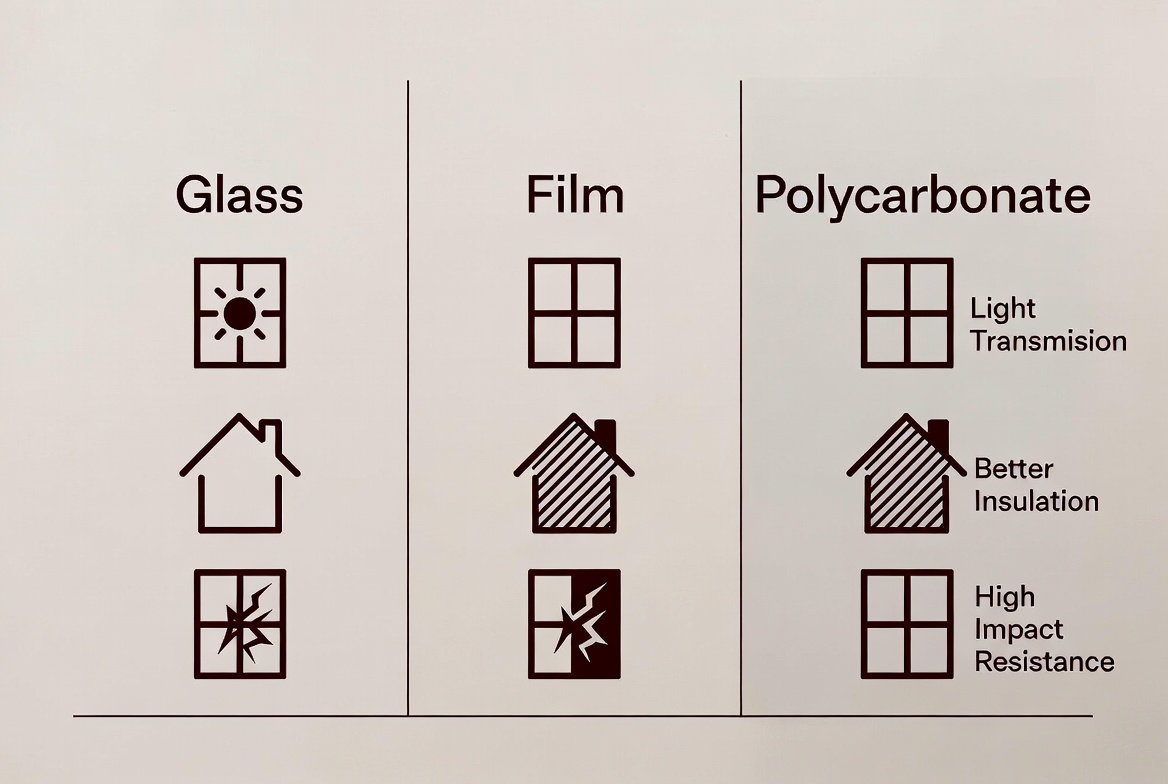
Polycarbonate has evolved from a niche alternative to glass into a default choice for many high‑performance greenhouses. Multiwall polycarbonate sheets combine high impact resistance, good light transmission, and strong thermal insulation, making them ideal for both commercial and hobby greenhouses. [emineltarim]
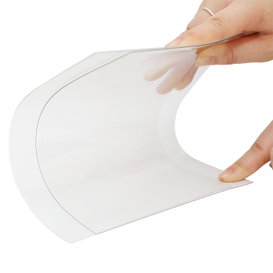
Compared with glass, polycarbonate sheets can be up to hundreds of times more impact‑resistant, yet much lighter and easier to handle on site. They can be cold‑bent to fit curved roofs, are available in multiple thicknesses and structures (twin‑wall, multi‑wall), and can include UV and IR additives that directly enhance plant growth and energy savings. [pararthproducts]
From an SEO and UX standpoint, this article is structured around the primary keyword "greenhouse market growth" and the supporting keyword "polycarbonate sheet greenhouse", along with long‑tail phrases like "polycarbonate greenhouse panels," "OEM polycarbonate sheet supplier," and "energy‑efficient greenhouse materials." [pom-material]
These phrases are integrated naturally into headings, introductions, and body copy to meet Google's E‑E‑A‑T expectations: demonstrating experience (practical greenhouse use cases), expertise (data‑driven insights), authoritativeness (benchmarking against market reports), and trustworthiness (clear sourcing and practical advice). [mordorintelligence]
Unpredictable weather patterns, heat waves, and extreme rainfall events are making open‑field farming riskier and less predictable. Governments and growers are turning to controlled‑environment agriculture to safeguard yields and stabilize supply, particularly for vegetables, berries, and high‑value specialty crops. [finance.yahoo]
Greenhouses allow producers to extend growing seasons, reduce crop losses, and better manage water and nutrients—benefits that are critical in markets facing water scarcity, land pressure, or urbanization. [ubigro]
Consumers are paying more attention to quality, freshness, and traceability, which is boosting demand for greenhouse‑grown crops. Greenhouses support consistent quality by reducing pest pressure and enabling more precise management of temperature, humidity, and light. [finance.yahoo]
This trend is particularly strong in organic and high‑value segments, where controlled environments support integrated pest management and reduce reliance on synthetic chemicals. [finance.yahoo]
Urban and peri‑urban greenhouse projects are emerging in response to shorter supply chains and local food trends. Many of these projects rely on compact, modular greenhouse designs built on rooftops, industrial land, or brownfield sites—settings where lightweight polycarbonate panels have clear advantages over heavy glass. [emineltarim]
At the same time, smart greenhouses with sensors, automation, and AI‑driven climate control are becoming more common, particularly in regions investing heavily in agri‑tech. These systems work best when paired with high‑performance glazing materials that can maintain stable internal conditions with lower energy input. [mordorintelligence]
High‑quality polycarbonate greenhouse sheets can provide light transmission levels up to around 80–90%, depending on structure and coatings, while also diffusing light to avoid hot spots. Diffused light improves canopy penetration and helps maintain more uniform plant growth, which is particularly important in dense or multi‑layer cropping systems. [pararthproducts]
Light diffuser additives can be integrated during production so that sunlight is refracted inside the greenhouse, reducing plant sunburn and stress, especially in high‑radiation climates. [emineltarim]
Multiwall polycarbonate sheets create air channels that enhance thermal insulation, reducing heat loss in winter and moderating temperature fluctuations between day and night. In many climates, this can reduce heating and cooling costs, while supporting more stable growing conditions and faster plant growth. [pararthproducts]
By adding IR additives, some polycarbonate sheets help retain internal heat at night, narrowing the temperature gap and reducing frost risk. For growers, this translates into lower operating costs and better yield consistency, especially in shoulder seasons. [emineltarim]
Polycarbonate sheets offer exceptional impact resistance and withstand hail, wind, and mechanical shocks far better than conventional glass. This durability makes them particularly attractive in regions prone to storms or where maintenance access is difficult. [pararthproducts]
Unlike glass, polycarbonate is lightweight and shatter‑resistant, which improves on‑site safety during installation and operation. Long service life, combined with UV‑resistant coatings that protect both plants and panels from degradation, strengthens the total cost of ownership case for polycarbonate greenhouses. [emineltarim]
Operators can think about greenhouse market growth across three main scales:
- Commercial high‑tech greenhouses: Fully climate‑controlled facilities growing vegetables, herbs, or flowers year‑round for retail and foodservice. [ubigro]
- Mid‑scale regional projects: Cooperatives, regional distributors, or contract growers supplying local supermarkets and specialty markets.
- Small hobby and urban greenhouses: Residential or community projects, rooftop gardens, and small farms meeting hyper‑local demand. [globalgrowthinsights]
Polycarbonate sheet systems are relevant at all three levels, but their highest value often appears in mid‑scale and high‑tech projects where durability and energy performance heavily influence ROI. [pararthproducts]
The most successful greenhouse projects align glazing choices with local climate conditions and crop requirements. For instance, double or triple‑wall polycarbonate may be favored in cold regions for insulation, while specific coatings or thicknesses are selected in hot regions to balance light and heat gain. [emineltarim]
Growers focusing on light‑sensitive crops can benefit from diffused or UV‑filtered polycarbonate to manage plant morphology and reduce stress. Working with an OEM polycarbonate supplier that understands these nuances can significantly shorten design cycles and reduce trial‑and‑error costs. [pararthproducts]
From an industry expert perspective, greenhouse glazing is no longer a commodity purchase—it is a strategic choice that shapes yield, energy bills, maintenance costs, and brand positioning. A well‑designed polycarbonate greenhouse can support premium pricing, year‑round supply contracts, and differentiated product quality. [ubigro]
Operators who treat materials as part of their competitive strategy—rather than as a basic cost—are better positioned to secure financing, partnerships, and long‑term customer relationships. In this context, working with a specialized OEM polycarbonate sheet supplier provides access not only to material but also to application know‑how, testing data, and configuration options that general suppliers often cannot provide. [finance.yahoo]
Start by auditing your existing greenhouse structures:
1. Identify glazing types in use (single film, glass, polycarbonate) and their age.
2. Measure key performance indicators such as energy consumption per square meter, yield per square meter, and maintenance intervals.
3. Map failure points, such as panels cracking under hail, excessive condensation, or hotspots causing plant stress.
Linking these findings to material choices helps reveal where upgrading to polycarbonate sheets could deliver measurable improvements in performance and cost. [emineltarim]
If your business focuses on premium, year‑round supply, investing in multiwall polycarbonate with advanced coatings may be justified by better yield and higher prices. For seasonal or entry‑level markets, a simpler polycarbonate configuration can still deliver durability and insulation benefits over basic film coverings. [ubigro]
Tie your glazing strategy directly to target customers: supermarkets demanding continuity, wholesalers requiring volume, or local markets valuing diversity and freshness. [finance.yahoo]
Smart greenhouse systems rely on accurate climate control to maximize returns on automation investment. Polycarbonate sheets support these systems by smoothing internal temperature swings and providing predictable light conditions that sensors and algorithms can manage effectively. [mordorintelligence]
Consider integrating:
- Automated ventilation combined with high‑insulation panels
- Shading or light‑diffusing options matched to your latitude
- Data logging to compare performance across different glazing zones
This integrated approach can unlock incremental gains in yield and energy efficiency that compound over multiple seasons. [mordorintelligence]
As an OEM‑focused polycarbonate sheet supplier, a company like Gokai can help greenhouse builders and operators translate high‑level market trends into concrete design and material decisions. By offering customized thicknesses, structures, coatings, and dimensions, an OEM partner can adapt to both regional regulations and farm‑level realities. [pararthproducts]
Key advantages of working with a specialized OEM supplier include:
- Tailored product portfolios for different climates, crops, and project budgets
- Consistent quality control and traceability for long‑term projects
- Technical support during design, installation, and maintenance phases
This combination of manufacturing capability and application expertise is particularly valuable for global greenhouse integrators, regional distributors, and large farm networks seeking consistent performance across multiple locations. [emineltarim]

When evaluating polycarbonate sheet options for greenhouse projects, consider:
- Thickness and structure: Twin‑wall vs. multi‑wall for insulation and strength. [pararthproducts]
- Light transmission and diffusion: Matching crop needs and local solar intensity. [emineltarim]
- Coatings and additives: UV protection, IR retention, and light diffusion. [pararthproducts]
- Mechanical performance: Impact resistance, load‑bearing capacity, and wind resistance. [emineltarim]
- Installation and maintenance: Panel sizing, compatibility with framing systems, ease of cleaning. [pararthproducts]
Balancing these factors ensures you select a fit‑for‑purpose solution instead of over‑ or under‑specifying the material.
- Cold continental climates: Thicker multiwall sheets with strong insulation and IR additives.
- Hot, high‑radiation regions: Light‑diffusing, UV‑protected panels to prevent sunburn and heat stress. [emineltarim]
- Temperate coastal regions: Balanced light transmission and moderate insulation with a focus on durability.
By aligning polycarbonate specifications with climate and crop choices, operators can spread the capital cost over many seasons of stable production. [pararthproducts]
For practical implementation, use this concise checklist:
1. Define your market: Premium vs. volume, local vs. export.
2. Quantify risk factors: Hail, wind, temperature swings, energy costs.
3. Set performance targets: Yield, energy use, payback period.
4. Evaluate glazing options: Compare glass, film, and polycarbonate based on lifecycle costs.
5. Engage an OEM partner: Align product specs with project goals and regional codes.
6. Pilot and measure: Test polycarbonate solutions in a controlled section and monitor KPIs over at least one full growing cycle.
This structured approach supports data‑driven decisions and positions your greenhouse business to benefit fully from ongoing market growth. [ubigro]
If you are planning a new greenhouse or upgrading an existing facility, now is the ideal time to evaluate polycarbonate sheet solutions as a core part of your strategy. Market data shows that greenhouses designed around durability, energy efficiency, and controlled environments are capturing the fastest‑growing demand segments globally. [technavio]
By partnering with an experienced OEM polycarbonate sheet supplier like Gokai, you can translate market trends into tangible performance gains—from lower energy bills and longer panel life to improved crop quality and stronger customer contracts. Get in touch with a specialized polycarbonate team to review your next project and define a greenhouse design that keeps you ahead of the curve in the evolving greenhouse market. [emineltarim]
1. Why are polycarbonate sheets preferred over glass in many modern greenhouses?
Polycarbonate sheets provide high impact resistance, better thermal insulation, and lighter weight compared with glass, reducing structural requirements and improving safety during installation and operation. They also allow for integrated UV and IR control, which enhances plant protection and energy efficiency. [pararthproducts]
2. How do polycarbonate greenhouse panels affect energy consumption?
Multiwall polycarbonate sheets create insulating air gaps that slow heat loss in winter and moderate daytime heat gain, lowering the load on heating and cooling systems. Many growers report more stable internal temperatures and reduced energy bills when switching from single film or glass to well‑specified polycarbonate panels. [emineltarim]
3. Are polycarbonate greenhouses suitable for organic farming?
Yes, polycarbonate greenhouses are widely used in organic and high‑value segments because they provide consistent, protected environments that support integrated pest management and reduce the need for reactive chemical interventions. By stabilizing climate and light, they help growers meet stringent quality and certification requirements. [finance.yahoo]
4. How long do polycarbonate sheets typically last in greenhouse applications?
Service life depends on thickness, coatings, and local conditions, but high‑quality polycarbonate sheets with UV protection are designed to offer many years of use with minimal degradation. Regular cleaning and proper installation help maintain performance and extend the practical lifespan. [pararthproducts]
5. What should I look for in an OEM polycarbonate sheet supplier for greenhouse projects?
Look for suppliers with proven experience in greenhouse applications, a broad range of multiwall and coated products, and the ability to customize sizes, colors, and performance characteristics. Strong technical support, consistent quality assurance, and reliable global logistics are also critical when planning multi‑site or long‑term projects. [emineltarim]
1. Mordor Intelligence – *Smart Greenhouse Market Size | Industry Forecast 2031* – <https://www.mordorintelligence.com/industry-reports/smart-greeenhouse-market> [mordorintelligence]
2. Technavio – *Greenhouse Market Growth Analysis – Size and Forecast 2026–2030* – <https://www.technavio.com/report/greenhouse-market-industry-analysis> [technavio]
3. Global Market Statistics – *Greenhouses Market Growth, Trends Analysis Report by 2035* – <https://www.globalmarketstatistics.com/market-reports/greenhouses-market-17873> [globalmarketstatistics]
4. ResearchAndMarkets via Yahoo – *Commercial Greenhouse Market Report 2026* – <https://finance.yahoo.com/news/commercial-greenhouse-market-report-2026-110800021.html> [finance.yahoo]
5. UbiGro – *Exploring the Global Greenhouse Industry Trends* – <https://ubigro.com/the-status-of-the-global-greenhouse-industry/> [ubigro]
6. Pararth Products – *Best Polycarbonate Sheets for Greenhouses* – <https://pararthproducts.com/blog/polycarbonate-sheets-for-greenhouses-india/> [pararthproducts]
7. Eminel Tarim – *Polycarbonate Coating* – <https://www.emineltarim.com/en/greenhouse-materials/polycarbonate-coating.html> [emineltarim]
8. POM Material – *Why Choose Polycarbonate Sheets for Your Greenhouse* – <https://pom-material.com/blog/greenhouse-polycarbonate-panels/> [pom-material]
9. POM Material – *The Ultimate Guide to Using Polycarbonate Sheets for Your Greenhouse* – <https://pom-material.com/blog/polycarbonate-sheets-for-greenhouse/> [pom-material]
10. Global Market Statistics – *Residential Greenhouse Market Growth by 2035* – <https://www.globalgrowthinsights.com/market-reports/residential-greenhouse-market-127603> [globalgrowthinsights]