
Shanghai Gokai Industry Co,.Ltd.
Call Us: +86-18918606548
Call Us: +86-18918606548
- Product Name
- Product Keyword
- Product Model
- Product Summary
- Product Description
- Multi Field Search
Views: 222 Author: Loretta Publish Time: 2026-02-01 Origin: Site


Content Menu
● What Are 5G Semiconductor Plastics?
● Why 5G Semiconductors Rely on Advanced Plastics
● How Plastics Enhance 5G Semiconductor Performance
>> 1. Thermal Management and Reliability
>> 2. Signal Integrity at High Frequencies
>> 3. EMI Shielding and System Integrity
● Overview of Popular Plastics Used in 5G Semiconductor Components
● PEEK (Polyetheretherketone) in 5G Semiconductor Manufacturing
● PTFE (Polytetrafluoroethylene/Teflon) for High‑Frequency Performance
● Polycarbonate (PC) for Enclosures, Radomes, and Device Casings
● Specialty Acrylics for 5G Infrastructure
● How These Plastics Improve 5G Semiconductor Performance
● Plastics in Thermal Management for 5G Semiconductors
● Trends in High‑Performance Plastics for 5G
>> 1. Nanoengineered and Composite Materials
>> 2. Sustainability and Eco‑Friendly Plastics
>> 3. Additive Manufacturing and 3D Printing
● Plastics for EMI Shielding in 5G Semiconductors
>> Key EMI‑Related Applications
● Practical Design Tips for Selecting 5G Semiconductor Plastics
● Where to Use PVC Foam Board, Acrylic Sheet, and Other Plastics Around 5G Hardware
● Choose and Customize the Right Plastics for Your 5G Projects
● Frequently Asked Questions (FAQ)
>> 1. Why are plastics preferred over metals in many 5G semiconductor components?
>> 2. Which plastic is best for high‑frequency 5G circuit boards?
>> 3. How do plastics contribute to EMI shielding in 5G devices?
>> 4. What role do polycarbonate radomes play in 5G networks?
>> 5. Are there sustainable plastic options for 5G semiconductor applications?
5G is reshaping how data is created, moved, and consumed, and high‑performance plastics now sit at the center of this transformation by enabling faster, smaller, and more reliable semiconductor components. For OEMs and material buyers, choosing the right plastic directly impacts thermal management, signal integrity, and long‑term reliability across 5G devices and infrastructure.
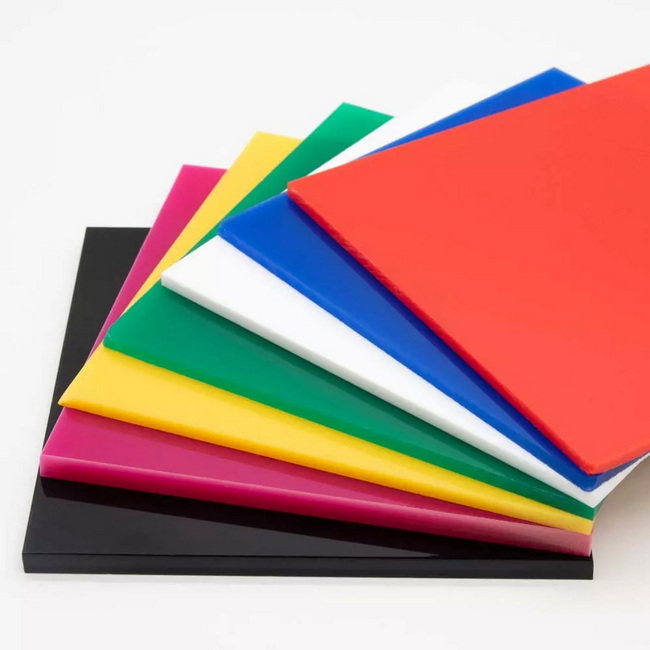
5G semiconductor plastics are engineering polymers specifically selected to withstand high temperatures, high frequencies, and harsh environments in base stations, antennas, devices, and back‑end infrastructure. Unlike traditional metals or ceramics, these plastics combine electrical insulation, low dielectric constants, and mechanical toughness in a lightweight, easily processed form.
Core roles of plastics in 5G semiconductors include:
- Providing electrical insulation between high‑frequency components.
- Maintaining signal integrity with low dielectric loss at microwave and millimeter‑wave bands.
- Managing heat around densely packed chips and RF modules.
- Protecting sensitive circuits through durable casings, radomes, and enclosures.
The jump from 4G to 5G dramatically increases frequency, power density, and integration level, which raises mechanical and thermal requirements on semiconductor packages. Advanced plastics are engineered to meet these requirements without the weight and processing limitations of metals or ceramics.
Key benefits of advanced plastics in 5G semiconductors include:
- Thermal stability to maintain performance at elevated temperatures and reduce warpage or failure.
- Low dielectric constant (Dk) for high‑frequency signal transmission with minimal loss and crosstalk.
- EMI performance through coatings or conductive fillers for effective electromagnetic interference shielding.
- Mechanical durability to resist impact, vibration, and environmental exposure in indoor and outdoor deployments.
- Lightweight design that reduces system weight, especially in antenna structures and distributed small cells.
These properties allow designers to miniaturize 5G modules while preserving speed, efficiency, and reliability.
5G chips operate at higher power densities, generating more heat in smaller footprints. High‑performance plastics support thermal management through stable insulating layers, thermally conductive compounds, and well‑designed enclosures.
Typical thermal roles of plastics include:
- Insulating high‑power components while maintaining thermal stability.
- Acting as lightweight heat‑spreading structures or housing for metal heat sinks.
- Providing mechanically stable carriers during high‑temperature processing.
By limiting temperature cycling and hotspots, advanced plastics help extend component life and reduce field failures in telecom and edge‑computing applications.
5G uses frequencies from sub‑6 GHz up to millimeter‑wave bands, where dielectric properties of materials become critical. Plastics such as PTFE and liquid crystal polymers (LCPs) offer low dielectric constants and low dissipation factors, which support cleaner, faster signal transmission.
Benefits for RF performance include:
- Reduced insertion loss on high‑frequency circuit boards.
- Improved impedance control for transmission lines in RF front‑end modules.
- Lower crosstalk between closely spaced conductors in dense layouts.
This makes advanced plastics ideal for microwave substrates, antenna layers, and RF interconnect structures in 5G designs.
As 5G hardware becomes more compact, EMI issues grow because multiple high‑frequency circuits operate in close proximity. Plastics can be formulated or coated to provide effective EMI shielding while maintaining structural and environmental performance.
Common EMI strategies with plastics include:
- Applying conductive coatings to polycarbonate casings and housings.
- Integrating metallic or carbon‑based fillers into specialty polymers.
- Combining shielding layers with insulating layers in hybrid stack‑ups.
This enables designers to meet regulatory requirements and protect signal integrity without adding unnecessary bulk.
Plastic Type | Key Properties | Typical 5G Uses |
PEEK | High heat resistance, mechanical strength, chemical stability | Wafer carriers, RF insulation, structural parts in base stations |
PTFE | Very low dielectric constant, high chemical resistance | Microwave substrates, high-frequency PCBs, antenna insulation layers |
Polycarbonate (PC) | Impact resistance, UV stability, optical clarity | Protective enclosures, radomes, device casings |
Specialty Acrylics | Weather resistance, transparency, lightweight durability | Infrastructure covers, display windows, protective shields |
Conductive Plastics | Enhanced EMI shielding via metallic or carbon fillers or surface coatings | Shielded housings, connector bodies, internal shields and covers |
PEEK is a high‑performance thermoplastic known for its exceptional heat resistance and mechanical strength, making it a preferred choice for demanding 5G environments.
Key properties of PEEK for 5G:
- Stable at high continuous‑use temperatures, even during repeated thermal cycles.
- High stiffness and dimensional stability under mechanical load.
- Strong resistance to chemicals encountered in semiconductor processing.
Typical 5G semiconductor applications:
- Wafer carriers that must maintain precise geometry through multiple heating and cooling stages.
- RF insulation components where mechanical robustness and electrical isolation are both critical.
- Heat‑resistant parts in base station hardware and high‑power modules that require long‑term reliability.
By combining structural integrity with thermal stability, PEEK supports precise, long‑term alignment of critical semiconductor components.
PTFE is widely used in RF and microwave engineering because of its low dielectric constant and excellent chemical resistance. In 5G systems, it plays a central role in enabling low‑loss signal paths and stable high‑frequency performance.
Key properties of PTFE:
- Low Dk and low dissipation factor for clean propagation at gigahertz frequencies.
- High resistance to aggressive chemicals and processing conditions.
- Good temperature stability across a broad operating range.
Common 5G applications include:
- Microwave substrates for RF front‑end modules and phased‑array antennas.
- High‑frequency circuit boards in base stations, small cells, and repeaters.
- Antenna insulation layers where minimal signal distortion is required.
For designers targeting high‑bandwidth and low‑latency performance, PTFE‑based materials provide a robust platform for RF circuitry.
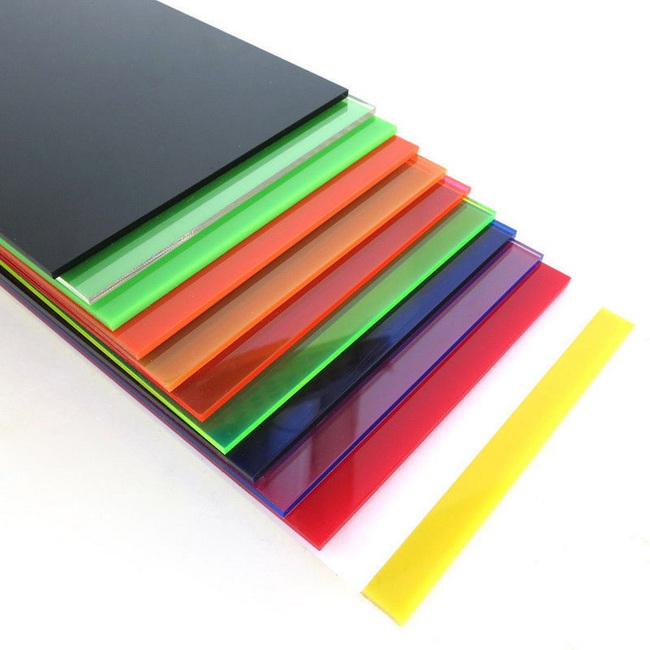
Polycarbonate is a versatile engineering plastic valued for its impact resistance, UV stability, and optical clarity. It is particularly important on the mechanical and protective side of 5G infrastructure and devices.
Key advantages of PC:
- High impact strength for outdoor and industrial environments.
- UV‑resistant grades that withstand long‑term exposure in external installations.
- The ability to be molded into complex, thin‑wall housings and covers.
Representative 5G uses:
- Radomes that protect antennas while allowing RF signals to pass efficiently.
- Protective enclosures for base station electronics and remote radio units.
- Casings for 5G‑enabled devices, gateways, and customer premises equipment (CPE).
Polycarbonate enclosures can also be engineered with ventilation features that promote better airflow and support thermal management.
Specialty acrylics combine weather resistance, optical transparency, and low weight, making them ideal for protective structures across 5G networks.
Key benefits for semiconductor‑related infrastructure:
- Excellent clarity for visual inspection windows, signal indicators, and display covers.
- Good outdoor durability for mast‑mounted or rooftop assemblies exposed to sun and moisture.
- Lower weight compared to glass or metal coverings, reducing structural demands.
In 5G deployments, specialty acrylics are often used for:
- Enclosures that shield sensitive electronics from rain, dust, and UV exposure.
- Covers and screens on telecom cabinets, monitoring systems, and interface panels.
These materials help ensure long‑term protection without excessive structural loads on towers or mounting hardware.
As 5G semiconductor designs grow more complex, the selection of plastics directly shapes device performance and stability.
Performance improvements supported by advanced plastics include:
- Better thermal management, where materials such as PEEK and thermally engineered plastics dissipate heat more effectively than many conventional options.
- Higher signal speeds, with low‑Dk plastics like PTFE and LCP reducing signal delay and attenuation at high frequencies.
- Miniaturization, as strong yet lightweight plastics enable thinner walls, denser layouts, and smaller module footprints.
By aligning material choice with electrical, thermal, and mechanical demands, designers can achieve higher data throughput and longer service life in 5G systems.
Thermal management is one of the most demanding aspects of 5G semiconductor design because power densities remain high even as footprints shrink. Advanced plastics help dissipate heat, protect components, and maintain consistent performance.
Key ways plastics support thermal management:
1. Heat‑resistant insulating layers
PTFE and PEEK create thermally stable barriers around high‑power components while preserving signal integrity, keeping critical areas electrically isolated but thermally controlled.
2. Lightweight heat sinks and gap fillers
Plastics formulated with higher thermal conductivity can complement or replace metal structures, reducing weight while transporting heat away from chips and substrates.
3. Protective casings with optimized airflow
Polycarbonate enclosures and radomes can be designed with vents, channels, and structural features that improve air circulation and heat dissipation in outdoor and indoor units.
Combined, these strategies help keep junction temperatures within safe limits across a wide range of operating conditions.
The requirements of 5G and emerging beyond‑5G systems are driving rapid innovation in plastic formulations and processing.
New nanoengineered plastics and composite materials are being developed to improve thermal conductivity, EMI shielding, and mechanical performance. These solutions incorporate fillers such as metal particles, carbon‑based structures, or ceramic reinforcements into polymer matrices.
Benefits include:
- Higher thermal conductivity for faster and more uniform heat spreading.
- Enhanced EMI attenuation without heavy metal housings.
- Increased strength and stiffness while keeping parts lightweight and easy to handle.
Sustainability is an increasingly important theme for 5G infrastructure and semiconductor packaging. Bio‑based and recyclable plastics are gaining attention as environmentally responsible alternatives that still meet demanding performance requirements.
These materials help manufacturers:
- Reduce the environmental impact of large‑scale network rollouts and upgrades.
- Support recycling and circular‑economy strategies within telecom supply chains.
Additive manufacturing is changing how plastic components for 5G are designed and produced. 3D printing enables customized, high‑precision parts that would be difficult or expensive to make with conventional tooling.
Advantages for 5G semiconductor applications include:
- Rapid prototyping of enclosures, carriers, and fixtures around semiconductor devices.
- Complex internal geometries for optimized airflow, cable routing, and heat dissipation.
- Shorter development cycles and lower tooling investment for low‑volume or specialized parts.
As 5G radios and processors operate at higher frequencies and closer spacing, EMI shielding becomes essential for stable operation. Advanced plastics provide a flexible platform for integrated shielding solutions.
Key approaches include:
- Using polycarbonate and similar plastics with EMI‑resistant coatings on the surface.
- Formulating conductive plastics by adding metallic or carbon‑based fillers into the base resin.
- Combining multiple layers to separate shielding and insulating functions in complex assemblies.
- Shielded enclosures
Polycarbonate casings with EMI coatings protect semiconductor chips and circuit boards from external interference and stray fields.
- Dielectric circuit boards
PTFE‑based materials reduce electrical noise and support high‑frequency performance in RF boards used in 5G radios and repeaters.
- Conductive plastics
Specialty polymers with metallic additives deliver effective EMI shielding while remaining lighter and easier to process than metal housings or machined parts.
These strategies help maintain clean signal paths across densely integrated 5G hardware.
When you select plastics for 5G semiconductor components, consider both electrical and mechanical requirements at the earliest design stages.
1. Match dielectric properties to frequency bands
- Use low‑Dk, low‑loss plastics such as PTFE‑based materials for high‑frequency RF paths and antenna structures.
- Reserve more general‑purpose plastics for mechanical parts where signal loss is less critical, such as brackets and covers.
2. Balance thermal performance and weight
- Combine thermally conductive plastics with airflow‑friendly enclosure designs for reliable cooling and lighter systems.
- Reduce unnecessary metal use to minimize overall system weight and installation costs, especially on towers and poles.
3. Plan for environmental exposure
- Use UV‑stable, weather‑resistant plastics like polycarbonate or specialty acrylics in outdoor applications.
- Consider chemical resistance where cleaners, pollutants, or industrial atmospheres are present, particularly in factories and transportation hubs.
4. Integrate EMI shielding early in the design
- Design housings and internal shields to accommodate coatings, conductive plastics, or inserts from the start.
- Align shielding strategies with board layouts and grounding schemes to avoid later redesigns and unexpected interference.
Beyond high‑end engineering polymers, PVC foam boards and acrylic sheets can also play supporting roles around 5G semiconductor systems when used as structural, signage, or protective elements near electronic assemblies. They are especially relevant for mounting panels, labeling, equipment surrounds, and display integrations that interface with 5G infrastructure.
Typical uses around 5G‑related equipment include:
- PVC‑based boards for structural backing, equipment signage, or enclosures that do not sit directly in the RF path but still need stability and durability.
- Acrylic panels for transparent covers, display windows, and environmental protection near telecom cabinets and indoor distribution points.
By combining engineering plastics in the semiconductor area with PVC and acrylic in surrounding structures, manufacturers can create cohesive, cost‑effective solutions that support both performance and visual branding.
As 5G networks expand, the choice of high‑performance plastics has a direct impact on signal quality, reliability, and total cost of ownership. Whether you are designing RF circuit boards, protective radomes, or structural components around semiconductor modules, partnering with a specialized plastics supplier is the most effective way to select the optimal material for each task. If you are planning new 5G infrastructure, upgrading existing equipment, or exploring next‑generation semiconductor designs, contact our team today to discuss your project requirements, compare material options, and develop customized PVC, acrylic, and engineering plastic solutions that match your performance, budget, and branding goals.
Contact us to get more information!
Plastics offer a combination of low dielectric constants, electrical insulation, and lightweight design that metals cannot match in high‑frequency environments. They also simplify processing and enable complex geometries, supporting miniaturization and cost‑effective manufacturing.
PTFE‑based materials are widely used for high‑frequency circuit boards because of their low dielectric constant and low loss, which are ideal for RF and microwave applications. They help maintain signal integrity and reduce insertion loss at 5G frequencies.
Plastics can be coated with conductive layers or formulated with metallic or carbon fillers to provide EMI shielding while remaining lightweight. This allows casings and internal components to protect sensitive circuits without relying solely on metal enclosures.
Polycarbonate radomes protect antennas from impact, weather, and UV exposure while allowing RF signals to pass efficiently. They also enable optimized shapes and airflow features that support better thermal management in antenna systems.
Bio‑based and recyclable plastics are being developed for semiconductor packaging and infrastructure components that need to meet both performance and environmental targets. These materials support more sustainable long‑term deployment of 5G networks.
https://www.piedmontplastics.com/blog/5g-semiconductor-plastics


