Shanghai Gokai Industry Co,.Ltd.
Call Us: +86-18918606548
Call Us: +86-18918606548
- Product Name
- Product Keyword
- Product Model
- Product Summary
- Product Description
- Multi Field Search
Views: 222 Author: Loretta Publish Time: 2026-02-01 Origin: Site


Content Menu
● What Is Acetal (POM) and How Is It Made?
● POM‑H vs POM‑C: Key Differences OEMs Must Understand
>> Technical overview of POM‑H and POM‑C
● Core Material Properties That Drive Acetal's Manufacturing Value
>> 1. High Strength and Rigidity
>> 2. Low Friction and Excellent Wear Resistance
>> 3. Dimensional Stability and Low Water Absorption
>> 4. Thermal Performance in Continuous Use
>> 5. Easy Machinability and Processing Flexibility
● Acetal vs Other Engineering Plastics (Nylon, HDPE, and Metals)
● Typical Industrial Applications of Acetal in Manufacturing
>> Mechanical and Power Transmission Components
>> Fluid‑Handling and Pump Components
>> Electrical and Electronics Components
>> Automotive, Transportation, and Consumer Products
● Practical Guidelines for Selecting the Right Acetal Grade
● Best Practices for Machining and Fabricating Acetal
● When Acetal Is the Right Choice for Your Manufacturing Process
● Strategic Opportunities for OEM and Custom Manufacturing with Acetal
● Get Expert Help Choosing and Machining Acetal
● Frequently Asked Questions About Acetal in Manufacturing
>> 1. Is acetal suitable for food‑contact or medical applications?
>> 2. Can acetal replace metal in high‑load applications?
>> 3. How does acetal perform outdoors and under UV exposure?
>> 4. What are the main limitations of acetal?
>> 5. How do I decide between machining and injection molding for acetal parts?
Acetal, also known as polyoxymethylene (POM), has become a go‑to engineering thermoplastic for manufacturers who require strong, dimensionally stable, and low‑friction components in demanding production environments. This in‑depth guide explains what acetal is, compares copolymer and homopolymer grades, explores real‑world applications, and shares practical selection and machining tips for OEMs and custom part producers.

Acetal is a semi‑crystalline thermoplastic engineered for high strength, stiffness, and excellent sliding behavior in mechanical assemblies. It belongs to the family of thermoplastics that can be repeatedly heated, melted, and re‑solidified without significant loss of performance, which also makes it suitable for processes such as injection molding and extrusion.
From a chemistry perspective, acetal is produced by polymerizing formaldehyde‑based monomers into long, orderly chains, which create its rigid crystalline structure and high melting point. Depending on the catalyst system and monomers used, manufacturers obtain either homopolymer acetal (POM‑H) or copolymer acetal (POM‑C), each with distinct performance characteristics for specific industrial applications.
Choosing between homopolymer and copolymer acetal is critical for product reliability, especially in high‑load or chemically aggressive environments. The table below summarizes the most important distinctions that design engineers and production teams should consider.
Property / Aspect | POM-H (Homopolymer) | POM-C (Copolymer) |
Molecular structure | Single monomer, more regular, higher crystallinity | Two monomers, slightly less regular, lower crystallinity |
Mechanical strength and stiffness | Higher strength and rigidity for load-bearing parts | Slightly lower stiffness but still strong for structural parts |
Friction and wear behavior | Very low friction, excellent sliding performance | Low friction, good wear resistance in mixed environments |
Chemical resistance | Good, but narrower range (roughly pH 4–9) | Better resistance across a wider range (about pH 4–13) |
Hydrolysis resistance | Lower at elevated temperatures (around 60 °C) | Better hydrolysis resistance up to about 85 °C |
Continuous use temperature in air | Typically up to around 90 °C | Typically up to around 100 °C |
Centerline porosity | More prone to centerline porosity in thick sections | Significantly reduced porosity, better for thick or pressure-tight parts |
Dimensional stability (temperature) | Excellent in dry, high-temperature applications | Excellent where both temperature and moisture vary |
Typical best-fit applications | High-load gears, precision bearings, wear strips | Fluid-contact parts, valves, pump components, wet-service bushings |
In practice, POM‑H is preferred where maximum stiffness, low friction, and tight tolerances under dry load are critical, such as high‑performance gears or cams. POM‑C, on the other hand, is typically selected for components exposed to hot water, chemicals, or cleaning agents, thanks to its superior chemical and hydrolysis resistance.
Acetal's unique combination of mechanical, thermal, and tribological properties makes it especially attractive for industrial OEM and replacement parts.
Acetal exhibits high tensile strength and natural rigidity, allowing it to carry significant loads without excessive deflection. This strength, combined with impact resistance, enables long‑term performance in gears, levers, and structural components that face repeated mechanical stress.
Thanks to its low coefficient of friction, acetal supports smooth sliding motion in gears, bearings, and conveyor components without the need for constant lubrication. Its wear resistance in both wet and dry environments reduces downtime, minimizes noise, and helps maintain efficiency in automated equipment.
Acetal maintains its shape and critical tolerances across varying temperatures and humidity levels, which is essential for precision components. Its low water absorption makes it ideal for marine, food processing, and fluid‑handling applications where many other plastics swell, creep, or lose accuracy.
Standard acetal grades typically tolerate continuous service up to about 80–100 °C, depending on whether they are POM‑H or POM‑C. Within this temperature range, acetal remains strong and stiff, enabling use in power transmission, under‑hood automotive, and industrial machines that cycle through elevated temperatures.
Acetal is often described as one of the most machinable engineering plastics, supporting tight‑tolerance turning, milling, drilling, and routing. It can also be injection molded and extruded into sheets, rods, tubes, and custom shapes, allowing OEMs to choose the most cost‑effective route for their volume and part complexity.
When selecting a material for industrial components, acetal is frequently compared with nylon, HDPE, and even metal alloys.
- Versus nylon: Acetal can outperform nylon in strength and dimensional stability, especially in humid environments where nylon tends to absorb water and swell. It also offers lower friction than many nylon grades, which is beneficial in gear and bearing applications.
- Versus HDPE: Acetal maintains structural integrity across a wider temperature range and under tighter tolerances than HDPE, which may soften and deform at elevated temperatures. This makes acetal better suited for high‑performance, precision parts where long‑term dimensional accuracy is crucial.
- Versus metals: In many instances, acetal can replace metal, dramatically reducing component weight while still delivering excellent mechanical strength and wear resistance. Unlike metals, it resists corrosion and does not require painting or heavy surface treatments in most applications.
Because of its performance profile, acetal is widely used across mechanical, electrical, automotive, and industrial automation sectors.
Manufacturers use acetal in:
- Gears, gear racks, and sprockets for quiet, low‑friction motion.
- Bearings, bushings, and rollers in conveyors and automated handling systems.
- Cams, guides, and wear strips where repeated sliding contact occurs under load.
These components benefit from acetal's low friction, high wear resistance, and ability to maintain tolerances over long service intervals.
Acetal's resistance to water absorption and many common industrial fluids makes it suitable for:
- Valve bodies and valve seats in moderate‑temperature service.
- Pump impellers and housings.
- Fittings, manifolds, and spacer rings for process equipment.
POM‑C is often the preferred grade in these applications due to its broader chemical and hydrolysis resistance.
Because acetal offers strong electrical insulation along with mechanical strength, it is used for:
- Insulating connectors and housings.
- Switch components and small precision mechanisms inside devices.
- Cable management clips and guides where strength and insulation must coexist.
In automotive and related fields, acetal appears in:
- Door system components, seat mechanisms, and safety restraint hardware.
- Under‑hood clips, brackets, and fluid‑handling fittings exposed to heat and fluids.
- Precision mechanical parts in consumer devices, such as printer gears and appliance linkages.
These parts rely on acetal's combination of light weight, durability, and low friction, which collectively supports long service life and reduced maintenance.

To maximize performance and cost‑effectiveness, manufacturers should follow a structured selection process when specifying acetal.
1. Define the load and motion profile.
Determine whether the part is primarily static, sliding, or rolling, and estimate expected loads, speeds, and duty cycles.
2. Analyze environmental conditions.
Identify operating temperature range, exposure to moisture, chemicals, cleaners, and UV light, as these factors significantly influence whether POM‑H or POM‑C is more appropriate.
3. Set dimensional tolerance requirements.
For very tight tolerances in dry, high‑temperature service, POM‑H is often preferred; for stable performance in varying humidity or chemical exposure, POM‑C is usually the safer choice.
4. Consider regulatory and food‑contact needs.
In food processing or medical environments, verify that the selected grade meets relevant FDA, NSF, or other regulatory requirements.
5. Evaluate processing route (machining versus molding).
For low to medium volumes and larger parts, machining from acetal sheets or rods offers flexibility, while high volumes may justify injection molding for unit cost reduction.
Acetal's machinability is one of the main reasons it is favored for OEM and custom components. Following a few practical guidelines helps ensure precise, repeatable results.
- Use sharp, carbide tooling.
Sharp cutting edges help maintain surface finish and dimensional accuracy while reducing heat build‑up.
- Control heat and chip removal.
Moderate cutting speeds, efficient chip evacuation, and, where appropriate, light coolant use prevent overheating and dimensional drift.
- Allow for thermal expansion in design.
While acetal's coefficient of thermal expansion is relatively low, high‑precision parts should account for temperature during machining and in service.
- Deburr carefully without excessive heat.
Light mechanical deburring or low‑temperature flame deburring can clean edges without causing local warpage.
For OEMs that need repeatable quality across multiple parts and projects, partnering with an experienced plastics fabricator ensures consistent results and optimized toolpaths.
Acetal is particularly valuable when you need precision, durability, and low friction in a compact, lightweight package. It fits best where parts must maintain tight tolerances under load, run quietly in high‑cycle environments, and tolerate repeated exposure to moisture or industrial fluids.
You should strongly consider acetal if:
- Metal parts are over‑engineered, heavy, or prone to corrosion in your application.
- Nylon components suffer from swelling, noise, or dimensional drift in humid or wet conditions.
- HDPE or commodity plastics cannot hold tolerances or sustain mechanical loads over time.
By aligning material selection with these criteria, manufacturers can reduce lifecycle costs, minimize maintenance, and improve the end‑user experience of their products.
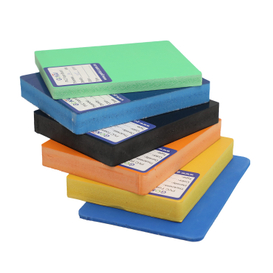
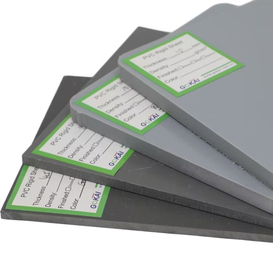
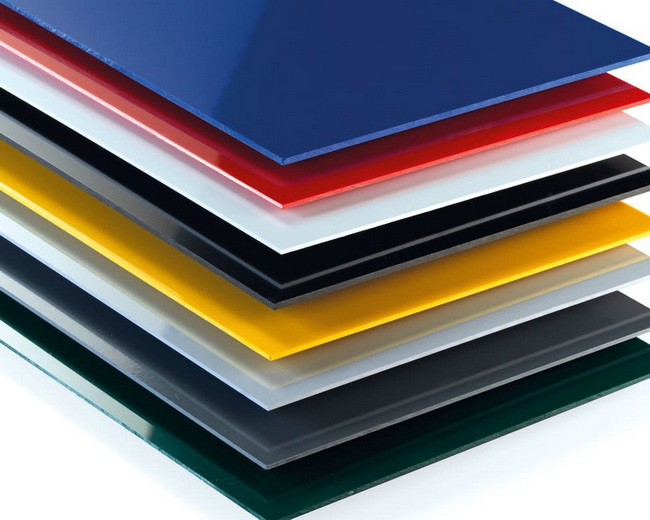
For OEMs and global buyers who rely on custom sheet, board, and machined plastic components, acetal complements materials such as PVC foam board and acrylic in a multi‑material product portfolio.
- In signage, displays, and lightweight structures, PVC foam board and acrylic can provide form and aesthetics, while acetal delivers high‑precision moving or load‑bearing mechanisms within the same assembly.
- For industrial equipment, acetal components such as gears, bushings, and wear strips can be integrated with acrylic covers or PVC‑based panels to deliver both performance and visual clarity.
- OEMs that require OEM and ODM services benefit from suppliers capable of machining acetal to tight tolerances, while also fabricating and finishing PVC foam and acrylic parts to create complete solutions.
By leveraging acetal alongside other engineered plastics, manufacturers can design systems that optimize every component for its specific functional and aesthetic role.
If you are evaluating acetal for gears, bearings, pump parts, or other precision components, the next step is to match the right POM grade and processing method to your application. Collaborating with an experienced plastics manufacturer that offers both material selection support and OEM machining services will help you minimize risk, control cost, and accelerate time‑to‑market.
Whether you need prototype quantities, small production batches, or large‑scale OEM supply for acetal sheets, rods, and custom‑machined parts, consider partnering with a specialist capable of integrating acetal with other engineered plastics such as PVC foam board and acrylic. Contact our team now to discuss your drawings, performance requirements, and project timeline, and turn acetal's engineering advantages into reliable results in your own manufacturing processes.
Contact us to get more information!
Many acetal grades are available with FDA, USDA, or NSF compliance, and they are used in food processing and certain medical device components. Always verify certification and regulatory status with your material supplier before specifying a grade.
Acetal can replace metal in many load‑bearing parts, especially where moderate loads, low friction, and corrosion resistance are required. However, extremely high loads or temperatures may still warrant metal or reinforced polymers, so engineering review is essential.
Standard acetal is not optimized for prolonged UV exposure and may require stabilization or protective design measures for outdoor use. For long‑term outdoor applications, UV‑stabilized grades or alternative plastics may be more appropriate.
Acetal is sensitive to strong acids and oxidizing agents, and certain grades can experience centerline porosity in thick sections. It also has a relatively narrow welding window, so bonding and joining require compatible methods and experienced processing.
Machining is often ideal for low and medium volumes, complex geometries, or when you need rapid design changes. Injection molding generally becomes more economical at higher production volumes, provided you can invest in molds and maintain stable part designs.
1. https://www.piedmontplastics.com/blog/acetal-manufacturing
2. https://www.xometry.com/resources/materials/acetal-plastic/
3. https://www.mcam.com/en/products/pom
4. https://polymershapes.com/what-is-acetal-plastic-used-for-in-industrial-applications/
5. https://www.millerplastics.com/the-advantages-of-using-acetal-plastic-for-fabrication/
6. https://www.hpmanufacturing.com/all-you-need-to-know-about-acetal-properties-challenges-and-benefits/
7. https://www.millennium-metals.com/acetal-the-go-to-material-for-precision-machining/
8. https://www.mcneallplastics.com.au/news/acetal-plastic-uses-and-benefits
9. https://baetro-machining.com/blog/pom-h/
10. https://sumiparts.us/services/acetal-industrial-applications/
11. https://www.magnaplastics.com.au/Engineering-Plastics/Acetal/
12. https://www.beeplastic.com/blogs/plastic-insights/pom-acetal-plastic-vs-other-engineering-plastics-what-makes-pom-unique
13. https://www.ensingerplastics.com/en/thermoplastic-materials/pom-acetal
14. https://boydbiomedical.com/knowledge-center/articles/using-acetals-in-biomedical-applications