Shanghai Gokai Industry Co,.Ltd.
Call Us: +86-18918606548
Call Us: +86-18918606548
- Product Name
- Product Keyword
- Product Model
- Product Summary
- Product Description
- Multi Field Search
Views: 222 Author: Loretta Publish Time: 2026-02-01 Origin: Site


Content Menu
● ABS Chemical Composition and Key Properties
>> How the Three Monomers Work Together
>> Core Mechanical and Thermal Properties
● Processability: Why Manufacturers Like ABS
>> Injection Molding, Thermoforming, and CNC Machining
● Major Applications and Industry Use Cases
>> Automotive and Transportation
>> Electronics and Electrical Enclosures
>> Appliances, Consumer Goods, and Toys
>> Construction, Plumbing, and Infrastructure
>> Healthcare and Medical Devices
● Comparing ABS to Other Common Plastics
>> Quick Comparison Table: ABS vs. PVC vs. PC vs. PE vs. Nylon
● Types of ABS Grades and When to Use Them
>> UV‑Stabilized and Weather‑Resistant ABS
>> High‑Impact and Machine‑Grade ABS
● Environmental and Sustainability Considerations
● Practical Selection Guide: When ABS Is the Right Choice
>> Step‑by‑Step Selection Checklist
● Action‑Oriented Conclusion And Call To Action
>> 1. Is ABS plastic safe for everyday consumer use?
>> 2. Can ABS be used outdoors?
>> 3. Is ABS better than PVC for piping?
>> 4. Can ABS be recycled in industrial settings?
>> 5. What is the difference between ABS and polycarbonate in enclosures?
Acrylonitrile Butadiene Styrene (ABS) is an engineering-grade thermoplastic known for its excellent impact resistance, toughness, and ease of processing in high-volume manufacturing. It combines structural strength, attractive surface finish, and reliable performance in demanding environments such as automotive, electronics, construction, and consumer products.
ABS is especially popular for injection molded, thermoformed, and CNC‑machined parts where repeatability, dimensional stability, and cost efficiency matter. For OEMs and brand owners, it offers a practical balance between performance, aesthetics, and price across many industries.
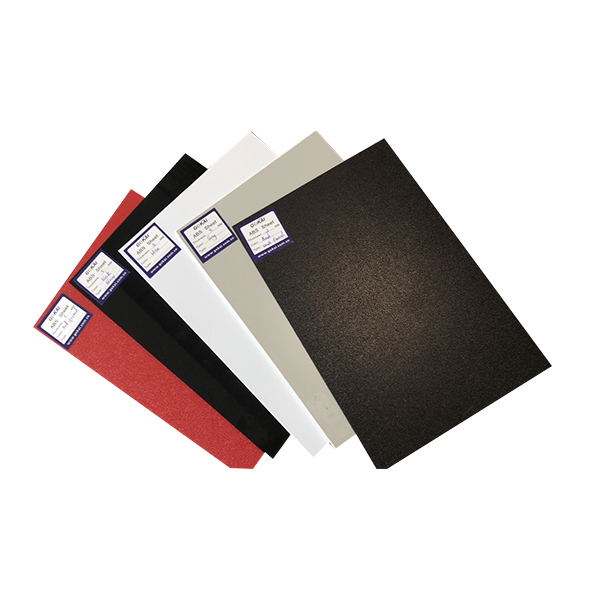
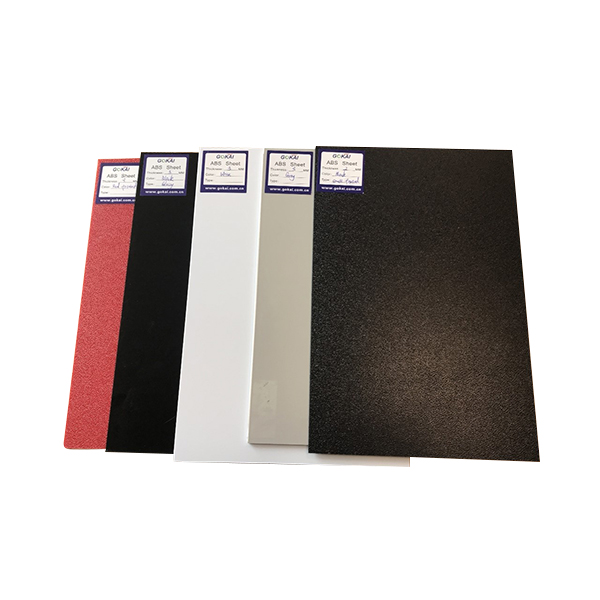
ABS is a terpolymer made from three monomers: acrylonitrile, butadiene, and styrene.
- Acrylonitrile – improves heat and chemical resistance, increases hardness, and supports dimensional stability under load.
- Butadiene – introduces a rubbery phase that significantly boosts toughness and impact strength, especially at low temperatures.
- Styrene – adds rigidity, good processability, and a naturally glossy surface that accepts painting and printing well.
By adjusting the ratio of these components, compounders can fine‑tune ABS grades for higher impact strength, better heat resistance, or improved surface quality.
While exact values depend on grade, typical ABS material characteristics include:
- High impact resistance suitable for everyday impacts and shocks
- Good tensile strength and stiffness for structural housings and covers
- Heat deflection temperature in the moderate range, adequate for many under‑hood and appliance applications
- Low moisture absorption that supports dimensional stability and predictable performance over time
- Good dielectric properties and electrical insulation for enclosures and electronic devices
These properties make ABS a reliable workhorse when parts must withstand daily use, minor impacts, and thermal cycling without cracking or warping.
ABS is widely recognized as one of the most versatile plastics for processing.
Injection molding
- Flows easily into complex molds with fine details and thin walls.
- Supports overmolding, textured surfaces, and integrated snap‑fits or bosses.
- Compatible with high‑volume, automated production and tight tolerance parts.
Thermoforming
- ABS sheets can be heated and vacuum formed into deep‑draw shapes while maintaining strength and surface quality.
- Frequently used for interior automotive panels, equipment covers, and point‑of‑sale displays.
CNC machining and fabrication
- Machines cleanly with common tooling and offers easy drilling, routing, and cutting.
- Low moisture absorption and good dimensional stability help maintain tolerances in machined components.
For OEMs that need rapid prototyping and mass production on the same material platform, ABS supports both tool‑free CNC or 3D printing and full‑scale molding.
In automotive applications, ABS is used for both functional parts and decorative trim.
Typical components include:
- Dashboards, instrument clusters, and interior trim panels
- Pillar covers, door liners, seat back shells, and seat belt components
- Exterior trim pieces and some bumper or fascia elements in specific designs
Manufacturers value ABS because it withstands vibration, temperature swings, and everyday impacts while remaining paintable and aesthetically consistent.
ABS is a staple for consumer electronics and low‑voltage electrical housings thanks to its insulation and dimensional stability.
Common examples include:
- Computer keyboards, mouse housings, and printer covers
- Remote controls, set‑top boxes, and small appliance housings
- Instrument cases, terminal boxes, and low‑voltage enclosures
Its dielectric behavior, moldability, and smooth finish make it ideal for branded, user‑facing electronics.
ABS offers a strong mix of toughness, appearance, and cost‑effectiveness for consumer products.
You will find ABS in:
- Vacuum cleaner housings, hair dryers, food processor bodies, and refrigerator liners
- Luggage shells, tool housings, helmets, and protective gear
- Toys and hobby products where impact resistance and bright colors are important
Because it can be easily colored, textured, and painted, ABS supports strong brand differentiation and long‑lasting consumer appeal.
ABS is widely used in piping, fittings, and various structural components in buildings and infrastructure.
Typical uses include:
- Drain, waste, and vent pipes in residential and commercial projects
- Fittings and manifolds exposed to intermittent hot water and chemicals
- Utility housings, equipment covers, and interior cladding panels
Its chemical resistance, moderate heat resistance, and impact strength make it suitable for many non‑pressurized and semi‑structural roles.
In medical and healthcare environments, ABS is used in multiple non‑implantable components.
Examples include:
- Equipment housings, monitor covers, and IV component fixtures
- Handles, brackets, and portable device casings
- Carts, cabinetry components, and diagnostic equipment shells
Manufacturers value its resistance to many cleaning agents, durability under frequent handling, and compatibility with certain sterilization methods, depending on the chosen grade.
Material | Key Strengths | Typical Weaknesses | Common Uses | Relative Cost |
ABS | High impact strength, good stiffness, excellent machinability, good surface finish | Limited UV resistance without stabilizers, not transparent | Automotive trim, enclosures, consumer goods, piping | Low–medium |
PVC | Strong chemical and UV resistance, suitable for outdoor exposure | Process considerations with additives, environmental perception issues | Pipes, siding, cable insulation | Low |
Polycarbonate (PC) | Very high impact strength, high heat resistance, optical clarity | Higher cost, more stress cracking in some chemicals | Lenses, safety shields, high-end housings | Medium–high |
Polyethylene (PE) | Excellent flexibility and chemical resistance, very light weight | Lower stiffness and lower heat resistance versus ABS | Packaging, films, flexible piping | Low |
Nylon (PA) | High strength and abrasion resistance, good bearing performance | Moisture uptake can affect dimensions, potentially more demanding processing | Gears, bearings, mechanical parts | Medium |
When you need rigid, impact‑resistant, and easily molded parts at a competitive price, ABS often wins over PVC, PE, and nylon, while PC is reserved for cases where extreme impact performance and transparency are required.
Modern ABS formulations are offered in multiple specialty grades tailored to specific environments.
- Balanced mix of impact strength, stiffness, and processing ease.
- Best for indoor housings, appliances, fixtures, and non‑critical structural parts where cost and appearance are key.
- Formulated to meet common flame classifications such as UL 94 V‑0 in many grades.
- Essential for electronics, electrical enclosures, and transportation interiors where fire safety regulations apply.
- Enhanced with UV stabilizers and weathering additives for outdoor exposure.
- Used in exterior trim, signage, outdoor housings, and equipment covers exposed to sunlight and changing weather.
- Modified for higher impact strength or improved machinability and dimensional stability.
- Suitable for structural components, load‑bearing brackets, and CNC‑machined fixtures in industrial equipment.
By choosing the correct grade, designers can align material performance with regulatory, mechanical, and environmental requirements right from the specification stage.
ABS is a petrochemical‑based, non‑biodegradable plastic, which raises important sustainability questions. At the same time, it offers good recyclability, especially in closed‑loop industrial and post‑industrial waste streams.
Key points include:
- ABS can be mechanically recycled into regrind and reused in new parts, often for less demanding applications.
- Its durability and long service life reduce the frequency of replacement, indirectly lowering resource consumption.
- Many manufacturers blend recycled ABS content into new compounds to reduce environmental footprint while still meeting performance targets.
Designing products for disassembly, material separation, and mono‑material use where possible can significantly improve the sustainability profile of ABS‑based components.
Use this practical decision path when evaluating ABS for your project:
1. Define operating environment
- If your part faces frequent impacts, moderate heat, and regular handling, ABS is a strong candidate.
- For continuous high temperatures or strong solvent exposure, consider alternatives or specialty ABS grades.
2. Clarify regulatory and safety requirements
- For electronics and transportation, confirm flame‑retardant or low‑smoke requirements and choose an appropriate FR grade.
- For outdoor or UV‑exposed parts, specify UV‑stabilized or weather‑resistant ABS.
3. Match processing method
- For injection‑molded housings, clips, and complex geometries, standard ABS grades are typically ideal.
- For large covers or panels, consider thermoformable ABS sheet.
- For short‑run or machined parts, use machine‑grade ABS and confirm machinability targets.
4. Balance aesthetics and cost
- If you require color consistency, gloss, and paintability at low–medium cost, ABS often fits well.
- For ultra‑high clarity or premium impact performance, compare with polycarbonate and blends.
5. Plan for sustainability and lifecycle
- Design parts with recycling in mind by minimizing metal inserts and mixed materials.
- Explore options for incorporating recycled ABS content where standards and performance allow.
Selecting the right ABS grade and processing method can dramatically improve part performance, cost efficiency, and time to market across automotive, electronics, construction, and consumer product applications. With the right partner, you can align mechanical properties, compliance requirements, and manufacturing processes in a single, optimized material strategy.
If you are planning a new project or upgrading an existing product line, contact our engineering team today to review your drawings, compare ABS against alternative plastics, and receive a tailored OEM solution that matches your performance, sustainability, and budget targets. Share your specifications now to get a fast, expert recommendation and move your ABS application from concept to production with confidence.
Contact us to get more information!
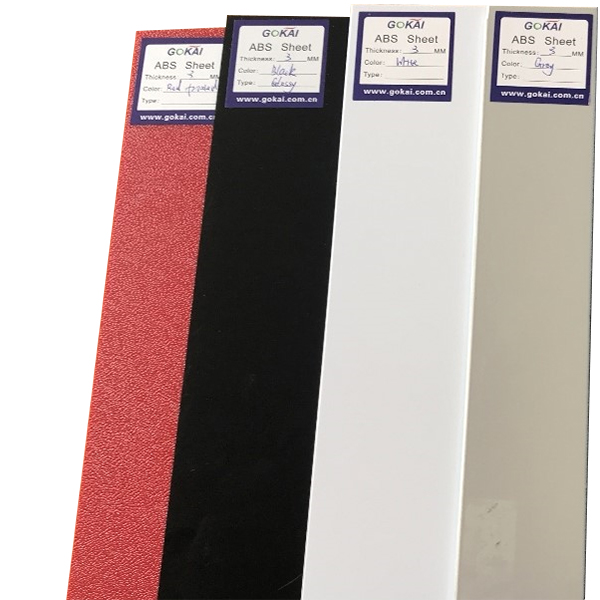
ABS is widely used in consumer electronics, appliances, luggage, and toys because of its toughness, dimensional stability, and reliable performance under normal use conditions. Safety always depends on the specific formulation and on meeting relevant standards for each market, so manufacturers should verify compliance with regulations in their target regions.
Standard ABS has limited UV resistance, which can lead to discoloration and surface degradation over time in direct sunlight. UV‑stabilized and weather‑resistant ABS grades are engineered specifically for outdoor applications such as exterior trim, signage, and housings, and are the preferred choice where long‑term weather exposure is expected.
ABS and PVC each have strengths in piping applications, so neither is universally “better.” ABS generally offers higher impact strength and easier machining, while PVC typically provides superior chemical and UV resistance; the best choice depends on the transported media, operating temperature, installation environment, and local code requirements.
ABS can be mechanically recycled and is commonly reprocessed in industrial environments, where production scrap is ground and fed back into suitable product streams. Many manufacturers also use recycled ABS in non‑critical or hidden components to reduce material costs and support sustainability goals, provided that performance requirements are still met.
Polycarbonate delivers higher impact strength and heat resistance and can be completely transparent, making it ideal for clear covers and protective shields. ABS is usually more cost‑effective, easier to process, and well suited for opaque housings where mechanical performance and surface quality matter, but transparency is not required, so many enclosures use ABS or ABS/PC blends to balance performance and budget.
1. https://www.piedmontplastics.com/products/abs
2. https://www.protolabs.com/materials/abs/
3. https://www.specialchem.com/plastics/guide/acrylonitrile-butadiene-styrene-abs-plastic
4. https://adrecoplastics.co.uk/abs-plastic-properties/
5. https://www.xometry.com/resources/materials/abs-plastic-uses/
6. https://uvteco.com/blogs-about-plastic/difference-abs-vs-polyethylene-plastic
7. https://www.flexpipeinc.com/us_en/technical_data/plastic-coating-comparison-pe-vs-abs-vs-pvc-vs-pp/
8. https://pom-material.com/blog/abs-plastic-material/
9. https://www.fortunebusinessinsights.com/acrylonitrile-butadiene-styrene-abs-market-104538
10. https://www.partmfg.com/the-best-plastics-for-cnc-machining-a-detailed-comparison/