Shanghai Gokai Industry Co,.Ltd.
Call Us: +86-18918606548
Call Us: +86-18918606548
- Product Name
- Product Keyword
- Product Model
- Product Summary
- Product Description
- Multi Field Search
Views: 222 Author: Loretta Publish Time: 2026-01-31 Origin: Site


Content Menu
● Core Keywords and Search Intent
● Types of Rigid Substrates Used in Wide Format Printing
>> Foam Board
>> Gator Board
>> Aluminum Composite Material and Similar Panels
● PVC Foam Board vs Acrylic Sheet: Which Is Better?
>> Side by Side Material Overview
>> When to Choose PVC Foam Board
>> When to Choose Acrylic Sheet
● What Is the Best Substrate for Mounting?
● Rigid Substrates in the Display and Exhibit Industry
● How to Choose the Right Rigid Substrate Step by Step
● Sustainability and Eco Friendly Rigid Substrates
● Installation and Handling Best Practices for PVC Foam Board and Acrylic
● FAQs About Rigid Substrates, PVC Foam Board, and Acrylic
>> 1. Is PVC foam board suitable for outdoor use?
>> 2. Does acrylic yellow over time outdoors?
>> 3. Which material is better for backlit signs, PVC foam board or acrylic?
>> 4. Can PVC foam board and acrylic both be directly printed?
>> 5. What is the most economical rigid substrate for temporary outdoor campaigns?
Rigid substrates are the backbone of modern signage, displays, and visual communication, and choosing the wrong material can quietly damage print quality, durability, and overall return on investment. This guide walks you step by step through the most common rigid substrates, especially PVC foam board and acrylic sheet, so you can match each material to the right application with confidence.

A rigid substrate is a flat, inflexible base material used for printing, mounting, and fabrication in wide format graphics. Typical materials include foam board, PVC foam board, PVC sheet, acrylic, aluminum composite material, polystyrene, corrugated plastic, and other engineered boards. These boards provide a stable surface that can withstand ink weight, printing pressure, and routine handling.
Rigid substrates are widely used for:
- Indoor and outdoor signs
- POS and POP displays
- Trade show panels and backdrops
- Museum graphics and educational panels
- Interior décor panels and wall art
To align with search intent and support search visibility, this article focuses on clear and relevant terminology.
Primary keyword:
- Rigid substrates
Secondary keywords:
- PVC foam board
- Acrylic sheet
- Rigid printable substrates
- Best substrate for mounting
- PVC foam board vs acrylic sheet
- Rigid substrates for signage and displays
These keywords appear naturally in the title, introduction, headings, and early sections, without keyword stuffing or repetition that harms readability.
Choosing the right rigid substrate starts with understanding your material options and the strengths of each.
Foam board consists of a foam core sandwiched between paper facers. It is very lightweight and easy to cut, which makes it ideal for short term indoor graphics.
Typical uses:
- Presentation boards
- Temporary indoor signs
- Photographic mounting
- Event and promotional boards
Pros: low cost, light weight, easy to trim.
Cons: not moisture resistant, and not suitable for long term outdoor use.
Gator board is similar to foam board but uses a rigid polystyrene foam core with wood fiber veneer facers, which provides extra strength.
Best for:
- Larger indoor panels
- Displays that need extra rigidity
- Semi long term interior installations
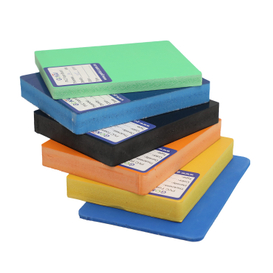
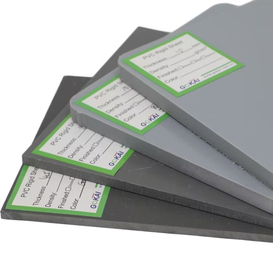
PVC foam board, often known by trade names such as Sintra, is a lightweight, rigid PVC material with a fine, closed cell structure. It offers a balanced combination of print quality, durability, and cost compared to many other rigid substrates.
Typical applications:
- Indoor and outdoor signage
- Trade show graphics
- Retail and POP displays
- Exhibition panels and wayfinding signage
Key advantages:
- Weather resistant and moisture resistant
- Good dimensional stability and flatness
- Suitable for direct digital printing, vinyl, and paint
- Lightweight yet strong, and easy to fabricate by cutting, routing, and drilling
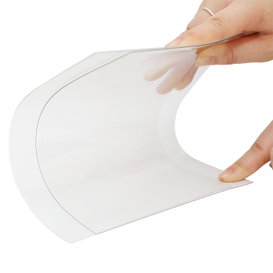
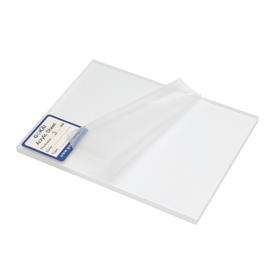
Acrylic sheet is a clear or opaque rigid plastic known for excellent optical clarity and UV resistance. It delivers a premium, glass like appearance with superior light transmission.
Common uses:
- High end indoor signs
- Backlit and edge lit displays
- Corporate reception signage
- Museum and gallery mounting
Benefits:
- Very high light transmission for clear grades
- Premium glass like look
- Long term weatherability and UV resistance
- Ideal for polished edges and illuminated signage
Aluminum composite panels combine two thin aluminum skins bonded to a polyethylene or similar core. They provide high rigidity with relatively low weight.
Ideal for:
- Exterior building signs
- Long term outdoor panels
- Large format graphics where structural stability is critical
These substrates are strong, dimensionally stable, and weather resistant, making them a solid choice for demanding exterior applications.
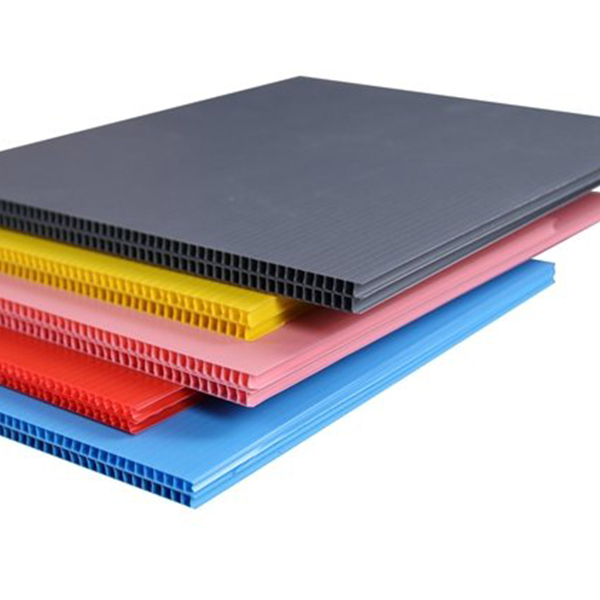
Corrugated polypropylene sheets, often called Coroplast, are light, inexpensive, and easy to produce in high volume.
Best suited to:
- Yard signs
- Political signs
- Temporary outdoor campaigns
- Short term directional signage
Polystyrene is a rigid plastic sheet available in various thicknesses and is commonly used for semi permanent or temporary graphics.
It offers:
- Good impact strength
- Smooth printable surface
- Economical price point for indoor visuals
PVC foam board and acrylic sheet are two of the most frequently compared rigid substrates for signage and display projects. The right choice depends on your priorities, especially budget, appearance, durability, and installation environment.
Factor / Material | PVC foam board | Acrylic sheet |
Visual appearance | Matte to semi gloss, opaque colors | High clarity, glass like finish |
Weight | Very lightweight | Heavier than PVC foam |
Durability outdoors | Good for short to mid term use | Excellent for long term premium signs |
Cost | Generally lower material cost | Higher material cost |
Printability | Excellent for direct print and vinyl | Excellent for premium and backlit applications |
Typical use cases | Retail, POP, temporary outdoor, construction signage | Corporate identities, illuminated signs, architectural features |
PVC foam board is usually the best choice when you need a cost effective rigid substrate that is easy to fabricate and robust enough for demanding indoor or short to mid term outdoor use. It is especially suitable for:
- High volume campaign signage
- Exhibition and trade show panels
- Retail promotions and seasonal displays
- Construction site and safety signage
With PVC foam board, you benefit from lower material cost, lightweight structures, and easier handling, especially on large runs or oversize panels.
Acrylic sheet is preferable when visual impact, perceived quality, and long term weatherability matter more than initial cost. It is particularly effective for:
- Reception signs and brand walls
- Illuminated and edge lit displays
- Premium exterior building signage
- Gallery style photographic mounting
If your client expects a high end, glass like finish that maintains its look for many years outdoors, acrylic sheet is typically the better investment.
The best substrate for mounting depends on the weight of the graphic, the desired lifespan, the installation environment, and the project budget. Below are common options and their ideal uses.
Popular mounting substrates:
- Foam board: lightweight, ideal for posters, photography, and lightweight artwork indoors.
- Gator board: stronger than foam board and better for larger pieces and busy interior spaces.
- PVC foam board: durable and moisture resistant, ideal for indoor and outdoor signage.
- Acrylic: premium appearance, excellent for photographic and art mounting.
- Polystyrene: economical choice for semi permanent indoor display.
- Aluminum composite panels: robust option for long term outdoor signage and large panels.
As a practical rule, use foam or Gator board for lightweight indoor projects, PVC foam board for versatile signage and exhibits, and acrylic or aluminum composite materials when you need a premium or long term outdoor solution.
In display and exhibit work, weight, transportability, and visual impact are critical decision factors. Foam boards and PVC foam boards are widely used because they are light, printable, and easy to install repeatedly.
Typical applications include:
- Trade show displays: portable backdrops, header panels, product displays, and branded walls made from PVC foam board or foam board.
- Retail displays: POP displays, standees, shelf talkers, and hanging signs in PVC foam board or polystyrene.
- Museum exhibits: printed panels, dioramas, and interpretive graphics produced on foam boards or PVC foam boards.
- Interior décor: wall murals, decorative panels, and art reproductions using PVC foam board or acrylic.
These substrates offer a flexible combination of print quality, structural stability, and manageable weight, which is essential when graphics are installed and dismantled frequently.
Use this simple decision framework to select the best rigid printable substrate for each project.
1. Define the environment.
Decide whether the graphics will be used indoors, outdoors, or in mixed environments, and evaluate exposure to temperature extremes, humidity, and UV.
2. Clarify lifespan and durability.
Decide if the project is temporary, semi permanent, or expected to last for multiple years, and consider the risk of impact, vandalism, or frequent handling.
3. Set visual expectations.
Confirm whether the project needs standard retail quality or a high end architectural finish, and identify requirements for gloss, transparency, edge lighting, or backlighting.
4. Consider weight and installation.
Check whether the mounting structure can support heavier substrates, and assess how often the graphics will be transported or reinstalled.
5. Match to budget.
Balance the need to minimize upfront cost with the total lifetime value of the installation, and decide whether premium materials such as acrylic or aluminum composite can be justified.
6. Check print and fabrication requirements.
Confirm if you will use direct digital print, vinyl application, or screen print, and whether the substrate must be routed, bent, or laser cut.
By working through these steps, you can narrow down to PVC foam board, acrylic sheet, or another rigid substrate with much higher confidence and fewer costly mistakes.
Sustainability has become an important factor when choosing rigid substrates for signage and displays. Many suppliers now offer boards with post consumer recycled content or paper based alternatives that are fully recyclable.
Examples include:
- Paper based display boards with embossed or honeycomb cores that are 100 percent recyclable.
- Rigid substrates with recycled content that still maintain high print performance.
For brands with strong environmental and social goals, consider:
- Whether the material is recyclable in your region.
- The percentage of recycled content in the substrate.
- The expected lifespan of the installation compared to its environmental impact.
PVC foam board and acrylic sheet are not paper based, but responsible sourcing, optimized thickness, efficient fabrication, and longer service life can still significantly reduce their environmental footprint.
Correct installation is one of the fastest ways to extend the life and appearance of rigid substrates.
PVC foam board best practices:
- Prepare the mounting surface so it is clean, dry, and free of dust, grease, or loose particles.
- Choose compatible adhesives, such as polyurethane or structural adhesives for exterior use, and always test on off cuts first.
- Allow for thermal expansion by leaving small gaps where large panels meet, which helps prevent buckling in changing temperatures.
Acrylic sheet best practices:
- Use specialized hardware such as standoffs or concealed mounts that distribute load evenly.
- Avoid stress cracking by selecting the correct drill bits and avoiding overtightening of fasteners.
- Maintain surface clarity by cleaning with non abrasive solutions and soft cloths.
Good installation practices protect your investment, reduce callbacks, and maintain visual quality over the life of the project.
If you are planning a new signage, display, or wide format printing project and want expert guidance on PVC foam board, acrylic sheet, and other rigid substrates, get in touch with our team today. Share your application details, installation environment, and budget, and we will recommend the most efficient and durable rigid substrate solution for your specific project needs.
Contact us to get more information!

Yes, PVC foam board offers good weather and moisture resistance, which makes it suitable for many short to mid term outdoor signage applications when it is properly installed and supported.
High quality acrylic sheet has strong UV resistance and maintains clarity and color stability for many years, even in outdoor conditions, when sourced from reputable manufacturers and installed correctly.
Acrylic is generally preferred for backlit and edge lit signage because of its high light transmission and glass like clarity, which produce brighter and more even illumination than opaque boards.
Yes, both PVC foam board and acrylic can be used for direct digital printing, although PVC foam board is more common for cost sensitive campaigns, while acrylic is often chosen for premium finishes and illuminated graphics.
Corrugated plastic and PVC foam board are typically the most economical choices for temporary outdoor signage because they balance low cost with sufficient durability for short term use.
1. https://lairdplastics.com/resources/choosing-the-right-rigid-substrates/
2. https://www.lairdplasticsottawa.com/signs-graphics/rigid-printable-substrates
3. https://www.lairdplasticstoronto.ca/rigid-printable-substrates
4. https://www.lairdplasticscalifornia.com/signs-and-graphics/sustainable-rigid-substrates
5. https://www.yingchuangplastic.com/blog/pvc-foam-board-installation-stepbystep-guide
6. https://www.jutupvc.com/blog/pvc-foam-vs-acrylic-sheet
7. https://www.jinbao-pvc.com/PVC-foam-board-vs-acrylic-sheet-Which-is-better-for-signage-id47144236.html
8. https://www.acmeplastics.com/content/how-to-choose-the-right-plastic-for-indoor-vs-outdoor-signage/
9. https://www.bannershop.com.hk/en_hk/blog/post/Material
10. https://www.pvcfoamsheet.com/PVC-Foam-Board-Vs-Acrylic-Which-Material-Is-Right-for-Your-Project-id40936316.html