Shanghai Gokai Industry Co,.Ltd.
Call Us: +86-18918606548
Call Us: +86-18918606548
- Product Name
- Product Keyword
- Product Model
- Product Summary
- Product Description
- Multi Field Search
Views: 222 Author: Loretta Publish Time: 2026-02-01 Origin: Site


Content Menu
● What Is Acetal and How Does It Compare to Metal?
● Why Engineers Are Replacing Metal with Acetal
>> 1. Strength, Stiffness, and Wear Performance
>> 2. Weight Reduction and Energy Savings
>> 3. Corrosion Resistance and Chemical Stability
>> 4. Machinability and Design Flexibility
● Cost Advantages of Acetal vs. Metal
>> Direct and Indirect Cost Savings
>> When Metal Still Makes Sense
● Common Industrial Applications for Acetal
>> Typical Uses of Acetal Components
● Real-World Case Scenarios: Where Acetal Replaces Metal Successfully
● How to Evaluate Whether Acetal Can Replace Metal in Your Design
>> Step-by-Step Evaluation Framework
● Acetal vs. Metal: Quick Comparison Table
● Ready to Replace Metal with High-Performance Acetal?
>> 1. Is acetal strong enough to replace metal in load-bearing parts?
>> 2. How does acetal perform at high temperatures compared with metal?
>> 3. Can acetal be used in food processing or medical applications?
>> 4. Does acetal require lubrication like metal components?
>> 5. How easy is it to prototype acetal parts?
Acetal is rapidly becoming the go-to alternative to metal in many industrial applications thanks to its combination of high strength, low friction, excellent machinability, and long-term cost advantages. For OEMs and engineers aiming to reduce weight, cut maintenance costs, and improve design flexibility, acetal offers a powerful route to higher performance and profitability.

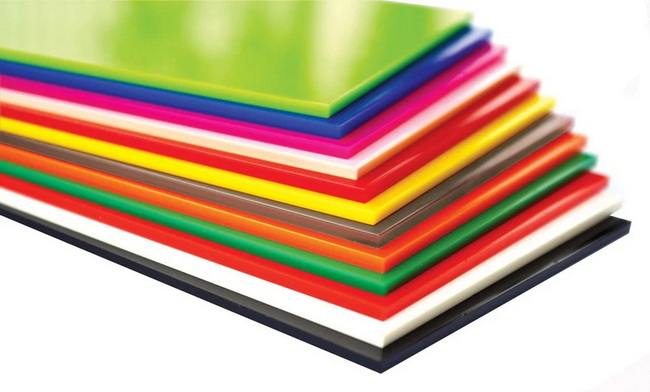
Acetal (also known as polyoxymethylene or POM) is an engineering thermoplastic designed to deliver metal-like strength with the processing and weight advantages of plastic. It is available in both homopolymer and copolymer grades, supplied as sheet, rod, and tube for machining or fabrication into precision parts.
Key material characteristics of acetal include:
- High tensile strength, stiffness, and impact resistance.
- Low coefficient of friction and excellent wear properties.
- Very low moisture absorption and outstanding dimensional stability.
- Strong resistance to many chemicals, fuels, and oils.
- Excellent electrical insulating properties for electronic and electrical components.
By contrast, metals like steel and aluminum offer very high strength and temperature resistance but are heavier, prone to corrosion, and more costly to machine into complex shapes.
In many applications, acetal can equal or exceed metal performance while unlocking additional design and economic benefits. This makes it especially attractive for OEMs looking to optimize total lifecycle cost rather than just material price per kilogram.
Acetal provides high mechanical strength and rigidity, making it suitable for load-bearing and precision components that historically defaulted to metal. Its toughness and fatigue resistance support long-term performance in cyclic loading environments such as gears, cams, and linkages.
Mechanical performance highlights:
- High tensile strength and stiffness allow acetal components to carry significant loads in compact dimensions.
- Excellent wear resistance and low friction support smooth sliding or rotating motion with reduced lubrication.
- Dimensional stability under load and temperature helps maintain tight tolerances over time.
In many sliding and wear applications, acetal outperforms metal because it is self-lubricating or can be compounded with lubricants, reducing wear on both the acetal part and its mating surfaces.
Acetal is significantly lighter than steel and many other metals, which has far-reaching impacts across design, logistics, and system efficiency. Lower weight directly contributes to energy savings in moving systems and reduced fuel consumption in transportation-related applications.
Weight-driven advantages:
- Reduced inertia in moving machinery improves dynamic responsiveness and lowers energy demand.
- Lighter assemblies are easier and safer to handle during installation and maintenance.
- Transportation and logistics costs decrease when shipping components made from lightweight plastics rather than heavy metals.
For OEMs focused on sustainability and carbon reduction, the combination of lighter components and lower energy consumption over the product's life can be a compelling reason to transition from metal to acetal.
Metals corrode in the presence of moisture, salts, and aggressive chemicals, often requiring coatings, paints, or corrosion-resistant alloys. Acetal, by contrast, is inherently resistant to many common chemicals and remains stable in humid or wet environments.
Corrosion and chemical benefits:
- Acetal is unaffected by moisture and many fuels, oils, and solvents encountered in automotive and industrial environments.
- Low water absorption keeps mechanical properties and dimensions stable even in high-humidity or submerged conditions.
- Eliminating corrosion reduces unplanned downtime, repainting, or replacement of rusted metal components.
This stability makes acetal highly attractive in fluid handling, food processing, and chemical equipment where metal components would degrade or require frequent replacement.
While metals can be machined to precise tolerances, complex geometries often demand extensive cutting, welding, or grinding operations that drive up costs. Acetal is easily machined, routed, drilled, or thermoformed, enabling intricate part designs at a lower processing cost.
Processing and design advantages:
- Acetal sheets, rods, and tubes can be cut and milled with conventional tools into tight-tolerance parts.
- Thermoforming, extrusion, and injection molding allow designers to consolidate multiple metal parts into a single molded component.
- Design iterations are faster and less expensive, supporting prototyping and rapid OEM development cycles.
For OEMs offering custom solutions, acetal's design flexibility and cost-effective fabrication can become a key competitive advantage, especially when combined with OEM-specific branding or features.
When evaluating acetal as a replacement for metal, it is essential to consider total cost of ownership rather than only raw material pricing. In many use cases, acetal delivers substantial savings over the full lifecycle of the product.
Typical cost-saving levers when switching from metal to acetal include:
- Lower machining and fabrication costs due to easier processing and reduced secondary operations.
- Reduced maintenance costs because of improved wear resistance, self-lubrication, and corrosion-free performance.
- Lower energy and fuel consumption in moving systems thanks to weight reduction and lower friction.
- Savings in logistics and handling from lighter parts and simpler packaging.
Acetal's ability to maintain dimensional accuracy and surface finish over long operating periods further minimizes rework and downtime costs compared to corroding metal parts.
There are applications where metal remains the preferred or necessary choice. Understanding these boundaries helps engineers make balanced, evidence-based decisions.
Metal is usually more appropriate when:
- Continuous operating temperatures significantly exceed acetal's upper range.
- Extremely high structural loads or impact demands exceed what engineering plastics can safely handle.
- Regulatory or safety standards mandate metal components, for example in certain pressure vessels or structural members.
In many other cases, however, acetal can either fully replace metal or be used strategically in hybrid designs to optimize performance and cost.

Acetal is widely used across mechanical, automotive, electronics, and fluid-handling applications where precision and reliability are critical.
- Mechanical and industrial equipment: gears, bearings, bushings, cams, rollers, pulleys, fasteners, and housing components.
- Automotive systems: fuel system parts, cooling system components, clips, brackets, and interior mechanisms that benefit from low friction and low noise.
- Plumbing and fluid handling: valves, fittings, and pump components where chemical resistance and dimensional stability prevent leaks or wear.
- Electrical and electronics: connectors, insulation components, and structural parts in consumer devices that require electrical insulation.
- Food and medical equipment: components requiring cleanability, chemical resistance, and in some grades, compliance with food-contact or medical regulations.
In many of these sectors, acetal is now considered a standard engineering material rather than a niche alternative, especially for OEMs targeting lightweight and maintenance-free designs.
To illustrate acetal's practical advantages, consider three typical scenarios where manufacturers have replaced metal with acetal.
1. Conveyor system components
Metal sprockets and guide rails suffer from noise, corrosion, and aggressive wear on mating parts.
Replacing them with acetal components reduces noise, eliminates rust, and extends belt life thanks to low friction and gentler contact with mating surfaces.
2. Automotive fuel system parts
Metal fittings and brackets in fuel systems are exposed to fuels and moisture that accelerate corrosion.
Acetal's resistance to fuels and low moisture absorption enable long service life, stable dimensions, and lighter assemblies that improve overall vehicle efficiency.
3. Precision gears in compact equipment
Small metal gears in printers, medical devices, or packaging machines can be noisy and require lubrication.
Acetal gears run quietly, often operate with minimal lubrication, and maintain dimensional precision under cyclic loading.
These examples show how acetal delivers both performance and business value, especially for OEMs focused on reliability and reduced maintenance.
Engineers and OEM product teams can follow a structured process to determine if acetal is a viable replacement for metal in a specific component.
1. Define operating conditions
Identify loads, speeds, temperatures, exposure to chemicals, and moisture levels.
Confirm that these conditions fall within acetal's mechanical and thermal capability ranges.
2. Assess functional requirements
Determine required stiffness, wear life, tolerances, and surface finish.
Compare these requirements with acetal's strength, dimensional stability, and friction characteristics.
3. Check regulatory and safety constraints
Review any standards that specify materials, such as food-contact or pressure-related codes.
Confirm that suitable acetal grades and certifications are available if needed.
4. Estimate lifecycle cost and risk
Model costs for machining, assembly, maintenance, and replacements over the expected product life.
Compare metal vs. acetal not only on material cost but also on downtime, lubrication, and corrosion management.
5. Prototype and test
Produce acetal prototypes via machining or molding.
Test them under real or accelerated operating conditions to validate performance and refine the design.
Following this structured approach helps teams confidently transition critical components from metal to acetal where it makes technical and economic sense.
Attribute | Acetal (POM) | Metal (e.g., steel, aluminum) |
Density / weight | Low density, very lightweight components | High density, significantly heavier parts |
Mechanical strength | High strength and stiffness for an engineering plastic | Very high strength and stiffness |
Wear and friction | Low friction, excellent wear, self-lubricating options | Higher friction, can wear mating surfaces |
Corrosion resistance | Naturally corrosion free in most environments | Prone to rust or corrosion without protection |
Moisture absorption | Very low, excellent dimensional stability | Not affected by moisture but may corrode |
Chemical resistance | Resistant to many fuels, oils, and solvents | Varies widely; some metals attacked by chemicals |
Electrical properties | Excellent electrical insulator | Good electrical conductor |
Temperature capability | Moderate; suitable for many but not all high-heat applications | High; suitable for very high temperatures |
Machinability and forming | Easily machined, routed, or molded into complex shapes | Machinable, but complex parts require more operations |
Lifecycle costs | Lower maintenance, energy, and logistics costs | Higher maintenance and corrosion management in many cases |
If you are an OEM, fabricator, or engineer exploring metal replacement, partnering with a specialist supplier is the fastest way to de-risk your transition to acetal. A knowledgeable plastics team can help you validate material selection, optimize part geometry, and align processing methods with your performance and cost targets.
Use this article as your starting point to identify candidate metal components that could be redesigned in acetal, especially high-wear, sliding, or corrosion-prone parts. Then contact our engineering and OEM support team today to discuss your project, request material samples, and develop custom acetal solutions that improve performance while lowering total lifecycle cost.
Contact us to get more information!
In many medium-load applications, acetal's high tensile strength and stiffness are sufficient to replace metal, especially where loads are well understood and safety factors are respected. For extreme loads or structural applications, metal may still be required to provide the necessary safety margins and long-term durability.
Acetal maintains good mechanical properties in typical industrial temperature ranges but has a lower continuous-use temperature limit than metals. For very high temperatures or severe thermal cycling, metals generally remain the preferred choice because they retain their mechanical strength and dimensional stability over a wider temperature range.
Many acetal grades are available with food-contact approvals and are used in processing equipment, conveyor components, and dosing systems. Its chemical resistance and cleanability also make it suitable for selected medical and diagnostic equipment components, provided the specific grade meets the relevant regulatory and hygiene requirements.
Acetal's low friction and wear characteristics often allow it to run with minimal or no lubrication in light to moderate duty conditions. In more demanding environments, compatible lubricants can be used to further extend service life, reduce noise, and optimize efficiency in sliding or rotating interfaces.
Acetal sheet, rod, and tube can be machined with standard tooling, making it straightforward to prototype and test components before moving to molding or larger-scale runs. This rapid iteration capability is particularly valuable for OEMs refining new product designs or exploring metal-to-plastic conversions without committing to expensive tooling too early.
1. https://www.xometry.com/resources/materials/acetal-plastic/
2. https://www.protolabs.com/services/cnc-machining/plastics/acetal/
3. https://www.piedmontplastics.com/products/acetal
4. https://www.piedmontplastics.com/blog/acetal-the-metal-industry-s-worst-nightmare
5. https://www.mcam.com/en/products/pom
6. https://www.lehighvalleyplastics.com/2024/06/27/metal-vs-plastic/
7. https://www.hpmanufacturing.com/all-you-need-to-know-about-acetal-properties-challenges-and-benefits/
8. https://www.curbellplastics.com/materials/plastics/acetal/
9. https://www.acmeplastics.com/content/all-you-need-to-know-about-acetal-plastic/
10. https://meviy-usa.com/acetal-group-of-materials-choosing-the-right-option-for-on-demand-manufacturing/