Shanghai Gokai Industry Co,.Ltd.
Call Us: +86-18918606548
Call Us: +86-18918606548
- Product Name
- Product Keyword
- Product Model
- Product Summary
- Product Description
- Multi Field Search


Content Menu
● Key Properties and Benefits of ABS Plastic Sheet
>> Aesthetic and Functional Advantages
● Common Industries Using ABS Plastic Sheets
>> Marine Industry Applications
>> Automotive and Transportation Industry
>> Exhibit, Trade Show, and Retail Display
● ABS vs Other Sheet Materials
>> ABS vs PVC Foam Board vs Acrylic Sheet
● How ABS Plastic Sheets Are Processed and Fabricated
● Practical Considerations When Selecting ABS Sheet
>> Environmental and Performance Requirements
● Real-World Use Cases of ABS Plastic Sheet
>> Case Example 1: Marine Interior Panel Upgrade
>> Case Example 2: High-Traffic Retail Display
● Step-by-Step Guide to Specifying ABS Sheet for Your Project
>> Step 1 – Define Application and Environment
>> Step 2 – Determine Mechanical and Aesthetic Requirements
>> Step 3 – Choose Processing Method and Tolerances
● How OEM and Custom Services Add Value
>> Why OEM-Focused Support Matters
>> Benefits of Working With a Multi-Material Supplier
● Where ABS Plastic Sheet Excels
● Take the Next Step for Your ABS Sheet Project
● Frequently Asked Questions (FAQ)
>> Q1: What makes ABS plastic sheet different from other plastics?
>> Q2: Is ABS suitable for outdoor or marine use?
>> Q3: Can ABS plastic sheet be thermoformed and machined?
>> Q4: Why is ABS popular for point of sale fixtures?
>> Q5: Can ABS sheets be customized in color and finish?
ABS plastic sheet is a versatile, impact-resistant material widely used across marine, automotive, transportation, and retail display applications thanks to its excellent balance of toughness, processability, and cost.
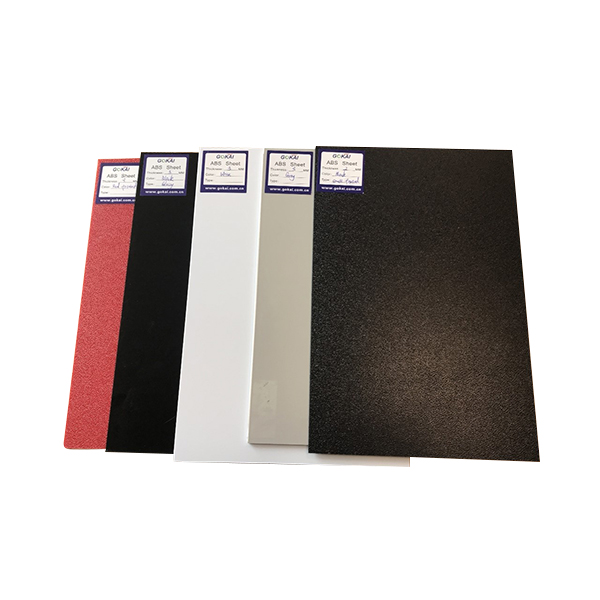
Acrylonitrile butadiene styrene (ABS) is a thermoplastic polymer made from three monomers that deliver a unique balance of rigidity, toughness, and chemical resistance.
- Acrylonitrile provides chemical resistance and hardness.
- Butadiene delivers impact resistance and toughness, especially at low temperatures.
- Styrene adds rigidity and a smooth, easy-to-finish surface.
ABS is typically supplied as sheet, rod, and plate, which can be thermoformed, machined, or fabricated for a wide range of industrial and commercial applications.
ABS plastic sheet is popular because it combines strong mechanical performance with design flexibility and attractive aesthetics.
- High impact strength for demanding environments where parts are dropped, bumped, or exposed to vibration.
- Good stiffness and dimensional stability to maintain shape under load and over time.
- Low moisture absorption, which helps prevent warping and degradation in humid or marine environments.
- Excellent machinability and thermoformability, making it suitable for cutting, drilling, routing, and vacuum forming.
- Smooth, consistent surface that can be colored, textured, or painted for branding and design.
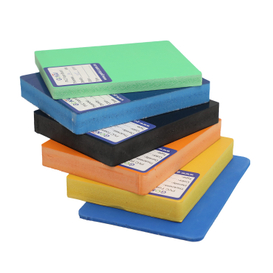
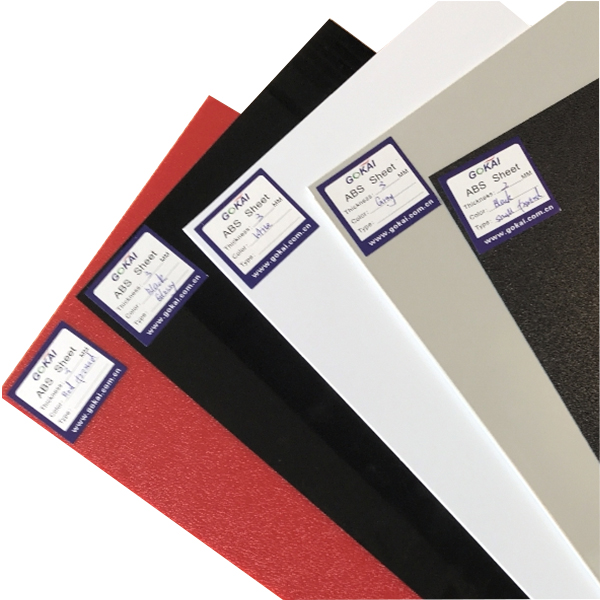
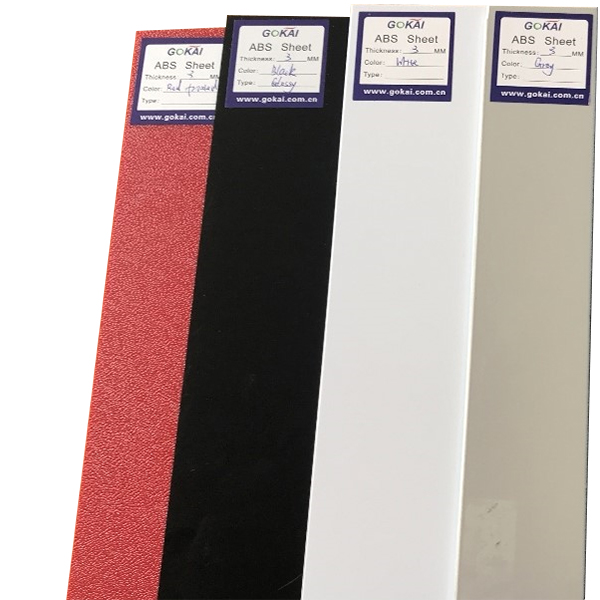
- Available in a wide range of colors and finishes, including glossy, matte, and haircell textures to help hide scratches.
- Compatible with additives such as flame retardants, UV stabilizers, and anti-static agents, depending on the grade and supplier.
These characteristics make ABS a strong choice when you need a durable, formable material that still looks professional in end-use applications.
ABS sheet is used in many industries where a durable, lightweight, and easily fabricated plastic is required.
ABS plastic sheet is widely used in marine applications because of its low moisture absorption and impact resistance.
Typical uses include:
- Interior boat trim panels and liners
- Dashboard components and instrument housings
- Storage compartments, doors, and hatches
- Protective interior partitions and covers
Because ABS resists water uptake and physical abuse, it helps extend the service life of components inside boats and other marine vessels.
ABS sheet is commonly molded and fabricated into parts for automobiles, train cars, public transit vehicles, and other transportation equipment.
Typical transportation-related applications include:
- Automotive trim such as interior panels, pillar covers, and consoles
- Seat backs, tray tables, and interior cladding in train cars and buses
- Enclosures and covers for electrical or mechanical systems
- Lightweight panels for interior partitions and equipment housings
The durability and impact resistance of ABS make it especially suitable where components face frequent contact with passengers, luggage, and equipment.
ABS plastic sheet is a practical alternative to cardboard and other short-life materials in exhibit, trade show, and point of sale (POS) fixtures.
Key advantages in this context include:
- Higher durability than cardboard, withstanding repeated assembly, disassembly, and transport
- Resistance to fading, flame or smoke damage, and water damage from spills
- Ease of cutting, forming, and decorating to create branded displays, kiosks, and signage
Common examples:
- Point of sale fixtures such as product stands, shelving, and promotional displays
- Modular exhibit panels and kiosk cladding
- Branded signage and header panels
When choosing materials for your project, it is helpful to compare ABS with other common plastics used in similar applications.
Material | Key Strengths | Typical Uses |
ABS plastic sheet | High impact strength, good toughness, easy forming and machining | Automotive trim, marine interiors, POS fixtures, equipment housings |
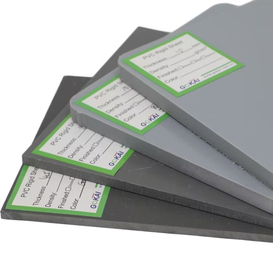
PVC foam board | Very lightweight, good printability, good for signage and displays | Advertising boards, exhibition panels, interior signs |
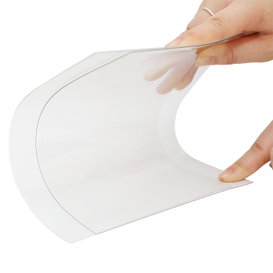
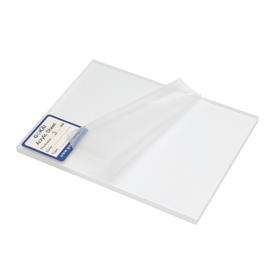
Acrylic sheet | High clarity, glass-like appearance, good weather resistance | Displays requiring transparency, lightboxes, protective screens, decorative panels |
If your project prioritizes impact resistance and formability, ABS usually stands out, whereas PVC foam board is favored for ultra-light signage, and acrylic is chosen when transparency and high-end aesthetics are most important.
Understanding how ABS can be processed helps you design parts that are practical and cost-effective to manufacture.
- Thermoforming / vacuum forming: ABS sheet is heated and formed over a mold to create contoured parts such as interior panels or covers.
- CNC machining and routing: Sheets can be accurately cut, drilled, milled, and routed for precise shapes and cut-outs.
- Bonding and assembly: Components can be joined using mechanical fasteners or suitable adhesives, depending on the design.
Because ABS responds well to these processes, it supports both low-volume custom work and higher-volume production runs.
When specifying ABS sheet for a new project, engineers, designers, and buyers should consider several practical factors.
- Thickness: Thicker sheets are used for structural or load-bearing components, while thinner sheets are suitable for cladding and decorative panels.
- Sheet size: Standard sizes help reduce waste, but custom cuts can optimize yield and simplify installation.
- Color and finish: Many suppliers offer color matching services so the sheet integrates with brand colors or existing components.
Choosing the right combination of thickness, size, and color ensures that the finished part meets both performance and aesthetic requirements.
- Exposure to UV light, moisture, and temperature extremes should be evaluated so the correct grade or additives can be selected.
- Fire safety standards may require flame-retardant or low-smoke formulations in specific industries.
- Cleaning chemicals and contact with oils or fuels should be considered for long-term durability.
By aligning sheet selection with environmental conditions and compliance needs, you help minimize field failures and long-term maintenance.
Adding real-world examples can help clarify how ABS performs in demanding conditions.
A boat manufacturer replaces traditional laminated wood interior panels with ABS plastic sheets to reduce warping, improve impact resistance, and simplify cleaning.
- ABS's low moisture absorption helps prevent swelling and delamination in humid cabins.
- The manufacturer uses color-matched sheets to maintain a cohesive interior look while improving durability.
This change leads to fewer warranty claims and a cleaner, more durable interior environment.
A retail chain upgrades its cardboard point of sale fixtures to ABS plastic stands to handle continuous customer traffic and product rotation.
- The ABS fixtures resist fading, smoke, and water damage from accidental spills.
- Displays withstand repeated seasonal changes and re-merchandising without frequent replacement.
As a result, the retailer reduces replacement costs and maintains a more professional store appearance.
For buyers and designers planning to use ABS plastic sheets, a clear decision process improves both outcomes and efficiency.
1. Identify whether your application is marine, automotive, transportation, retail display, or general industrial.
2. Note key environmental factors: moisture, temperature range, UV exposure, and chemicals.
3. Clarify whether the part is structural, cosmetic, or both.
1. Decide on the required impact strength and stiffness based on how the part will be used.
2. Select thickness and sheet size that balance weight, strength, and cost.
3. Choose color, texture, and finish that align with your brand or interior design.
1. Confirm if parts will be thermoformed, machined, or both.
2. Define tolerances and edge quality requirements for cutting and routing.
3. Plan any bonding or fastening methods early to ensure compatibility.
This structured approach helps you specify the right ABS sheet grade and dimensions from the start, reducing design changes later.
For many projects, particularly global OEM programs, material supply is only part of the solution. A partner that can support OEM services and multiple plastics can streamline your supply chain.
An OEM-capable supplier can:
- Provide consistent quality and specifications across production batches.
- Support custom colors, textures, and sizes to match your branding and performance needs.
- Coordinate long-term programs, ensuring stable availability for global production sites.
If your product ranges use not only ABS but also PVC foam board and acrylic sheet, a supplier experienced in all three can:
- Recommend the best material for each component, such as ABS for impact-resistant trim, PVC foam for lightweight signage, and acrylic for transparent covers.
- Help you standardize thicknesses and formats to simplify production.
- Offer consolidated logistics and inventory support for international projects.
This integrated approach is especially valuable for brands serving marine, automotive, transportation, and display markets worldwide.
ABS plastic sheet is particularly effective in applications that demand a combination of durability, ease of forming, and appealing aesthetics.
- Marine interiors and components that must resist moisture and impact.
- Automotive and transportation interiors where passengers and cargo create constant wear.
- Displays and POS fixtures that need a professional look while enduring heavy customer traffic.
- General industrial enclosures, guards, and covers where toughness and machinability are essential.
When you need a workhorse material that can be tailored in color, thickness, and finish, ABS is often the most practical choice.
If you are planning a new project in marine, automotive, transportation, or retail display, now is the right time to specify a material that delivers long-term performance and consistent visual quality. By choosing high-quality ABS plastic sheets and working with a partner that understands OEM requirements and multi-material solutions, you can shorten development cycles, control costs, and improve the reliability of your finished products.
Get in touch with a professional plastics supplier today to discuss your ABS, PVC foam board, and acrylic sheet needs, request technical recommendations, and secure customized OEM services that match your global production plans.
Contact us to get more information!
ABS combines acrylonitrile, butadiene, and styrene to deliver a unique balance of impact resistance, stiffness, and surface quality that many single-polymer materials cannot match.
ABS plastic sheet offers low moisture absorption and good impact resistance, which makes it well suited for interior marine applications and environments with occasional moisture exposure.
Yes, ABS is known for its excellent thermoformability and machinability, allowing it to be vacuum formed, cut, drilled, and routed into complex shapes and detailed components.
ABS POS fixtures are more durable than cardboard, resist fading, smoke, and water damage from spills, and withstand heavy customer interaction and frequent product changes in retail environments.
Many suppliers offer color matching technology and a range of textures and finishes, making it possible to align ABS parts with brand guidelines and surrounding materials.
https://www.piedmontplastics.com/blog/abs-plastic-sheets