Shanghai Gokai Industry Co,.Ltd.
Call Us: +86-18918606548
Call Us: +86-18918606548
- Product Name
- Product Keyword
- Product Model
- Product Summary
- Product Description
- Multi Field Search
Views: 222 Author: Loretta Publish Time: 2026-01-31 Origin: Site


Content Menu
● Why Plastics Dominate Modern Material Handling
● Quick Comparison of Material Handling Plastics
● HDPE: Workhorse Plastic for Liners, Bins, and Guides
● UHMW: Ultra‑Low Friction for High‑Wear Conveyor Components
● Polyurethane: Rollers, Wheels, and Impact Protection
● ABS: Durable Totes, Trays, and Structural Components
● Polycarbonate: High‑Impact Guards and Safety Windows
● PVC Foam Board: Lightweight Panels, Guards, and OEM Components
● Acrylic Sheet: High‑Clarity Guards, Displays, and Panels
● How to Choose the Right Plastic for Your System
● OEM Opportunities with PVC Foam Board and Acrylic Sheet
● Maintenance and Lifecycle Tips for Material Handling Plastics
● Design Better Material Handling Systems with Expert OEM Support
● FAQs
>> FAQ 1: What are the most common plastics used in material handling and conveying?
>> FAQ 2: When should I choose UHMW instead of HDPE for my conveyor?
>> FAQ 3: Is PVC foam board strong enough for machine guards?
>> FAQ 4: Should I use acrylic or polycarbonate for safety windows?
>> FAQ 5: Can these plastics be used in food processing conveyors?
Material handling and conveying systems increasingly rely on performance plastics such as HDPE, UHMW, polyurethane, ABS, polycarbonate, PVC foam board, and acrylic sheet to deliver longer service life, lower maintenance, and smoother throughput. When selected and engineered correctly, these materials reduce friction, minimize contamination, and support higher automation in industries from logistics and warehousing to food processing and packaging.
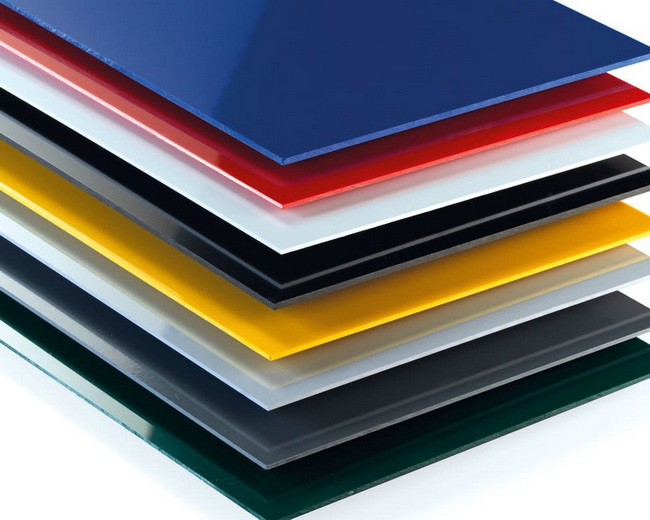
Plastics have displaced metals and wood in many conveying and handling applications because they combine low friction, light weight, and high wear resistance with excellent machinability. Compared with traditional materials, engineered plastics help conveyors run more quietly, reduce lubrication needs, and allow faster line speeds with fewer stoppages.
Key advantages of material handling plastics include:
- Low coefficient of friction, enabling smooth sliding and conveying.
- High impact and abrasion resistance for impact zones and high‑load areas.
- Chemical and corrosion resistance, especially in washdown and outdoor environments.
- Lightweight design, simplifying installation and retrofits on existing lines.
- Excellent machinability, allowing custom OEM parts, liners, and components.
Material | Typical Roles in Handling/Conveying | Standout Properties | Limitations / Watchpoints |
HDPE | Liners, bins, hoppers, guides | Low moisture absorption, impact resistance, chemical resistance | Lower wear resistance than UHMW in extreme abrasion |
UHMW | Wear strips, chain guides, chute liners | Ultra-low friction, excellent impact strength | Lower temperature resistance than some engineering plastics |
Polyurethane | Rollers, bumpers, wheels, pads | Tear and abrasion resistance, load-bearing | Can be sensitive to some chemicals and high temperatures |
ABS | Totes, trays, housings, covers | Impact resistance, thermoformable, heat resistant | Outdoor UV resistance may require stabilizers or coatings |
Polycarbonate | Guards, windows, machine covers | Transparency, impact strength, flame retardance | Scratches more easily than glass; may require hard coating |
PVC Foam Board | Panels, guards, lightweight covers, signage | Lightweight yet rigid, moisture and chemical resistance, printable | Lower impact resistance than UHMW or HDPE in high-impact zones |
Acrylic Sheet | Safety windows, machine guards, displays | High clarity, good impact strength vs glass | More brittle than polycarbonate in severe impact applications |
For user experience, this table works best near the top of the article, supported with simple icons or illustrations for each material.
High‑density polyethylene (HDPE) is one of the most widely used plastics for material handling and conveying thanks to its balance of cost, durability, and ease of fabrication. You will find HDPE in bins, hoppers, chute liners, pallets, and guide rails where low moisture absorption and impact resistance are critical.
Core performance characteristics:
- Low moisture absorption and resistance to rot, mold, and mildew.
- High tensile strength and impact resistance for repeated loading.
- Chemical and corrosion resistance, including many cleaners and fertilizers.
- Good machinability for cutting, routing, and basic fabrication.
Typical material handling uses:
- Bulk material liners in hoppers and chutes.
- Pallets, totes, and storage containers.
- Wear strips and slider beds in medium‑duty conveyors.
- Pipes and channels for liquids and slurries in agricultural and industrial systems.
Visual suggestion: insert a photo or diagram of a conveyor chute lined with HDPE wear panels to show where the material sits in the system.
Ultra‑high molecular weight polyethylene (UHMW) is a top choice for sliding, high‑wear applications in material handling and conveying. With an ultra‑low coefficient of friction and excellent impact strength, UHMW significantly reduces noise and energy consumption in continuous‑motion environments.
Key advantages:
- Extremely low friction for smooth sliding without heavy lubrication.
- Very high impact and abrasion resistance in impact zones.
- Inherent lubricity, helping chains and belts glide with less wear.
- Chemical resistance to many process chemicals and cleaners.
Common applications:
- Chain guides and wear strips along conveyor frames.
- Chute liners for abrasive bulk materials.
- Star wheels, sprockets, and custom machined profiles.
- Side rails and slide beds in bottling, canning, and packaging lines.
For OEMs, UHMW is typically supplied as sheet or rod and then machined into custom profiles, which works well with global OEM services.
Polyurethane offers a unique combination of hardness, elasticity, and abrasion resistance, making it ideal for components that must flex and absorb impacts. In material handling and conveying, polyurethane is common wherever items are rolling, gripping, or cushioning.
Key performance traits:
- Available in multiple hardness levels, from very soft to very hard.
- Outstanding tear and abrasion resistance for long service life.
- Ability to bond to metal cores and other substrates.
- High load‑bearing capacity with excellent flex fatigue resistance.
Typical uses in conveying systems:
- Conveyor rollers and drive wheels.
- Bumpers, stops, and impact pads.
- Wire harness fixtures and precision positioning fixtures.
- Bottling and packaging line components needing controlled grip.
ABS (acrylonitrile‑butadiene‑styrene) is a tough, impact‑resistant thermoplastic used in many material handling structures and housings. Its balance of rigidity, toughness, and thermoformability makes it suitable for custom bins, trays, covers, and machine housings.
Key ABS advantages:
- High impact resistance for reusable containers and fixtures.
- Low moisture absorption and good dimensional stability.
- Heat resistance, enabling thermoforming and welding processes.
- Compatibility with bonding to materials such as wood, ceramics, and metals.
Representative applications:
- Stackable totes and trays in warehouses and production lines.
- Machine covers, access panels, and control housings.
- Protective enclosures for conveyors and small automation systems.
For outdoor or high‑UV environments, consider UV‑stabilized ABS or coatings to prevent surface degradation.
Polycarbonate is widely used when optical clarity and extreme impact strength are required in the material handling environment. It is significantly stronger than glass and acrylic, yet much lighter, which is ideal for large doors and hinged guards.
Key benefits:
- Exceptional impact resistance, far stronger than glass and much stronger than acrylic.
- High toughness with flame retardant grades available.
- Good dielectric properties for guarding around electrical equipment.
- Low moisture absorption and excellent dimensional stability.
Common uses in conveying and material handling:
- Machine guards and safety doors around conveyors.
- Inspection windows and viewing panels.
- Protective covers over sensors, cameras, and control panels.
To maintain aesthetics and scratch resistance, consider hard‑coated polycarbonate where frequent cleaning or abrasive dust is present.
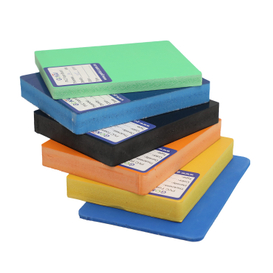
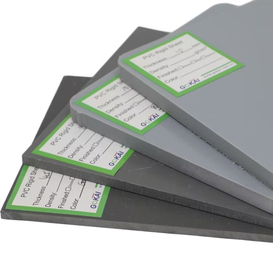
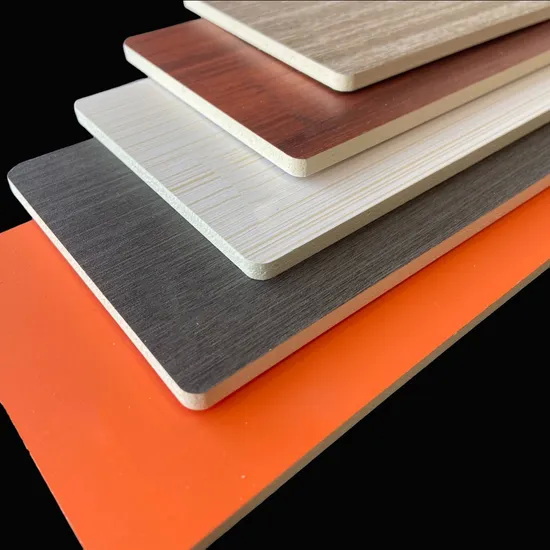
Beyond the classic materials above, PVC foam board is an increasingly attractive option for lightweight structural panels, guards, signage, and OEM components in material handling and conveying systems. It combines low weight with surprising rigidity, moisture resistance, and easy machining, making it especially suited for global OEM projects requiring complex shapes and branding.
Key properties of PVC foam board:
- Lightweight yet rigid closed‑cell structure with solid PVC skins.
- Excellent moisture and chemical resistance with very low water absorption, suitable for humid or washdown environments.
- Good impact and scratch resistance for everyday handling and light impacts.
- Low thermal conductivity and stable dimensions across typical operating temperatures.
- Smooth surface that is easy to print, paint, and brand.
Typical material handling and conveying uses:
- Lightweight machine guards and covers.
- Visual management boards, signs, and standard operating procedure panels along conveyor lines.
- Divider panels inside carts, trolleys, and storage systems.
- OEM‑branded enclosures and fascia panels.
Because PVC foam board can be CNC‑machined into complex shapes with clean edges, it is an excellent substrate for customised OEM solutions and retrofits. Manufacturers can combine cutting, routing, and digital printing to deliver ready‑to‑install assemblies for integrators.
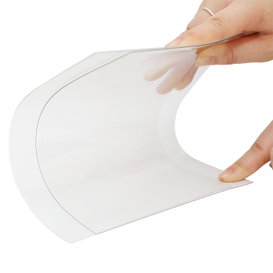
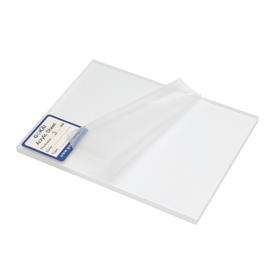
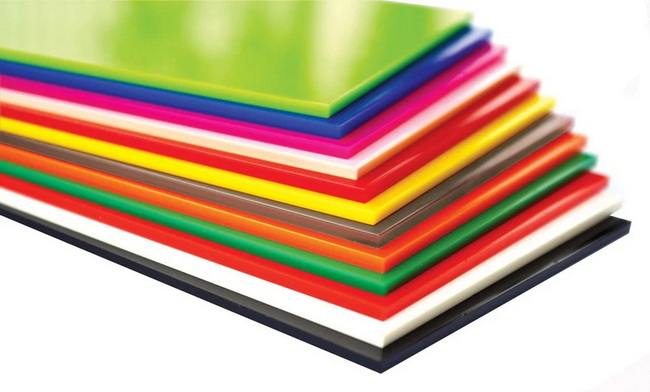
Acrylic sheet is another critical material in material handling environments where visibility and aesthetics matter alongside durability. Compared with glass, acrylic is much lighter and offers significantly higher impact strength, which helps prevent dangerous shattering.
Key performance traits:
- High optical clarity and light transmission, ideal for inspection and monitoring.
- Impact strength significantly higher than standard glass while remaining lightweight.
- Good chemical resistance and suitability for many industrial settings.
- Easy to fabricate: cutting, drilling, routing, bonding, and thermoforming are all possible.
Common uses in conveying and material handling:
- Machine guards and windows where operators need a clear view.
- Control panel covers and indicator windows.
- Display panels for pick‑to‑light systems or operator guidance.
- Protective enclosures for sensitive instruments near material handling lines.
In more aggressive impact environments, acrylic is often used for secondary guards and displays, while polycarbonate is chosen for primary impact zones.
Choosing among HDPE, UHMW, polyurethane, ABS, polycarbonate, PVC foam board, and acrylic sheet starts with clearly defining the operating environment, load conditions, and regulatory requirements. A structured selection process reduces redesigns and unexpected failures.
Use this step‑by‑step approach:
1. Define the contact type
- Sliding surfaces: prioritize UHMW or HDPE for low friction and wear.
- Rolling or impact surfaces: consider polyurethane for load‑bearing rollers and bumpers.
- Guarding and windows: use polycarbonate or acrylic for visibility and impact resistance.
- Panels and lightweight covers: evaluate PVC foam board for rigid, low‑weight structures.
2. Check environmental conditions
- Moisture and washdowns: look for low water absorption and chemical resistance, such as HDPE, UHMW, and PVC foam board.
- UV exposure: select UV‑stabilized grades or add coatings for outdoor use on ABS, HDPE, polycarbonate, or acrylic.
- Temperature extremes: confirm thermal resistance and dimensional stability match your process.
3. Consider regulatory and safety needs
- Food contact: use food‑grade or compliant plastics in food processing and packaging conveyors.
- Flame retardancy: select flame‑retardant grades where local codes require it.
- Electrical isolation: use plastics with appropriate dielectric properties for enclosures and guards.
4. Balance cost, machinability, and lifetime
- High‑wear, critical components may justify premium UHMW or polyurethane.
- Large panels and non‑critical guards can often use PVC foam board or ABS to save weight and cost.
- Where branding or operator guidance is critical, design in printable PVC foam or acrylic panels.
For OEMs and system integrators, partnering with a specialized plastics fabricator helps optimize both material selection and part design for manufacturability.
For global customers seeking OEM material handling components, PVC foam board and acrylic sheet open up new design and branding options while keeping systems lightweight and easy to install. Both materials are available in a wide range of thicknesses, colors, and finishes.
Examples of OEM‑oriented solutions include:
- Custom‑cut PVC foam board machine covers with integrated cable cutouts and mounting holes.
- Acrylic display panels with printed graphics for operator instructions or safety information.
- Modular divider systems in carts and trolleys made from PVC foam board for fast reconfiguration.
- Clear acrylic or polycarbonate windows integrated into PVC foam or ABS frames for hybrid assemblies.
A manufacturer that specializes in PVC foam board and acrylic sheet can combine sheet production, precision cutting, CNC machining, and digital printing to deliver fully customized OEM kits ready for final assembly on your line.
Proper maintenance is essential to maximize the service life of plastics in material handling systems. When correctly specified and maintained, many components can run for years with minimal intervention.
Best practices include:
- Periodic inspection of wear strips and liners for grooves, cracking, or warping.
- Cleaning with compatible detergents that will not attack or stress‑crack the polymer.
- Monitoring bolt torque and mounting hardware to avoid localized stress and premature failure.
- Evaluating friction and noise over time to identify when sliding surfaces are wearing out.
- Planning replacement intervals for polyurethane rollers and wheels based on throughput and load.
A structured maintenance plan improves uptime and allows you to schedule planned replacements instead of reacting to unexpected failures.
If you are planning a new material handling or conveying system, or upgrading an existing one, selecting the right plastics at the design stage can dramatically improve performance, lifecycle cost, and safety. Materials such as HDPE, UHMW, polyurethane, ABS, polycarbonate, PVC foam board, and acrylic sheet each have a clear role in modern conveyor and handling applications.
For OEM engineers, system integrators, and end users:
- Share your drawings, system requirements, and regulatory constraints.
- Specify the performance you need in terms of wear life, impact resistance, clarity, and weight.
- Collaborate with a plastics specialist to choose optimal materials and design custom PVC foam board and acrylic components tailored to your global operations.
Contact our team today to discuss your next material handling or conveying project and discover how advanced plastics and customized PVC foam board and acrylic solutions can make your systems run smoother, safer, and more efficiently.
Contact us to get more information!
The most common plastics used in material handling and conveying include HDPE, UHMW, polyurethane, ABS, and polycarbonate. In addition, PVC foam board and acrylic sheet are increasingly used for guards, panels, and signage around conveyor lines.
UHMW is preferred when you need ultra‑low friction and maximum wear resistance in high‑load or high‑speed sliding applications, such as chain guides and chute liners. HDPE is a good choice for bins, general liners, and medium‑duty wear applications where cost and simplicity are more important than extreme wear performance.
PVC foam board offers good rigidity and impact resistance for light to medium‑duty guards, covers, and panels, especially where low weight and moisture resistance are important. In heavy‑impact zones, it is often combined with tougher plastics or metal frames to ensure adequate protection and durability.
Acrylic delivers excellent clarity and higher impact strength than glass at low weight, which makes it ideal for many guards and displays that do not see severe impact. Polycarbonate provides even greater impact resistance and offers flame‑retardant options, so it is usually chosen for higher‑risk impact areas and critical safety guards.
Many grades of HDPE, UHMW, and polyurethane are available in food‑contact or compliance‑oriented formulations suitable for food processing and conveying systems. When specifying materials for food applications, always confirm that the selected plastic meets the relevant regulations and standards for your region and industry.
1. https://www.unioncomposites.com/What-is-pvc-foam-board-used-for.html
2. https://www.plasticonline.com.au/acrylic-sheets-high-performing-plastics/
3. https://www.piedmontplastics.com/industries/material-handling-conveying
4. https://www.kapoorplastics.com/blog/acrylic-sheets-guide/
5. https://www.jinbaoplastic.com/PVC-Foam-Board-Properties-Unveiling-the-Secrets-of-This-Versatile-Material-id48565476.html
6. https://www.acplasticsinc.com/informationcenter/r/common-material-handling-plastics
7. https://lairdplastics.com/resources/common-plastics-used-in-material-handlingconveying/
8. https://lairdplastics.com/categories/shop-by-application/material-handling/