Shanghai Gokai Industry Co,.Ltd.
Call Us: +86-18918606548
Call Us: +86-18918606548
- Product Name
- Product Keyword
- Product Model
- Product Summary
- Product Description
- Multi Field Search
Views: 222 Author: Loretta Publish Time: 2026-02-06 Origin: Site


Content Menu
● What Are Acrylic Sheets and Why Use Them at Home?
● 1. Acrylic Windowpanes and Interior Glazing
● 2. Acrylic Greenhouses and Cold Frames
● 3. Acrylic Furniture and Protective Coverings
● 4. Acrylic Kitchen Backsplashes and Wall Panels
● 5. Acrylic Room Dividers and Wall Art
● 6. Acrylic Home Office and Study Solutions
● 7. Acrylic Bathroom and Wet‑Area Uses
● 8. Acrylic Picture Frames and Display Cases
● 9. Acrylic Shelving and Storage Solutions
● 10. DIY Crafts, Decor, and Lighting with Acrylic
● 11. Safety, Maintenance, and Best Practices for Acrylic at Home
● Quick Reference: Key Home Uses of Acrylic Sheets
● How to Choose the Right Acrylic Sheet for Your Project
● Take the Next Step with Your Acrylic Project
● FAQs About Using Acrylic Sheets at Home
>> 1. Are acrylic sheets safe to use instead of glass in family homes?
>> 2. Can acrylic sheets be used outdoors all year round?
>> 3. How do I clean acrylic without scratching it?
>> 4. What thickness of acrylic should I use for shelves?
>> 5. Is acrylic suitable for kitchen backsplashes behind a stove?
Acrylic sheets are a versatile alternative to glass that can transform your home decor, storage, and renovation projects while staying lightweight, durable, and budget‑friendly. From windowpanes to modern furniture and stylish wall art, acrylic is now a go‑to material for DIYers and interior designers alike.
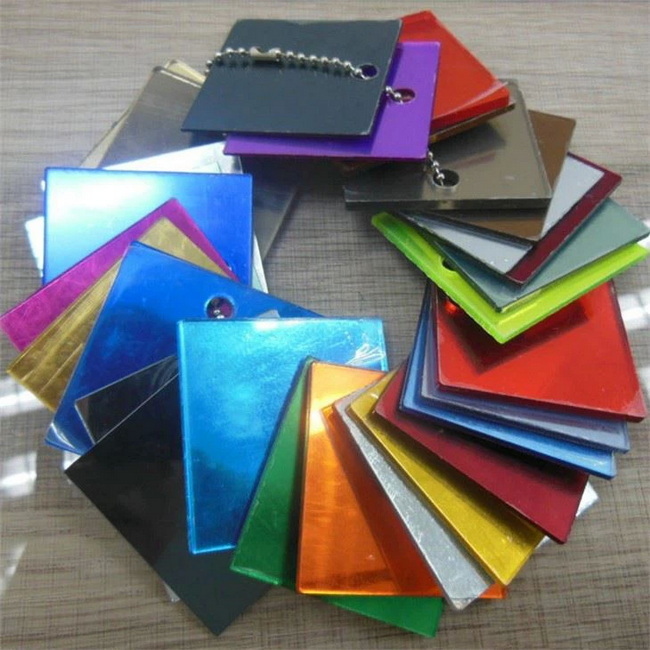
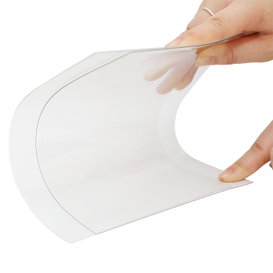
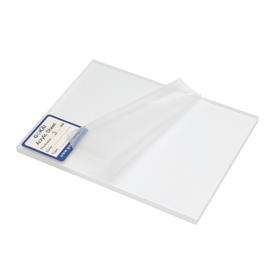
Acrylic sheets (also called plexiglass) are clear or colored thermoplastic panels known for their glass‑like clarity, high impact resistance, and ease of fabrication. They are about half the weight of glass yet significantly more shatter‑resistant, which makes them ideal for busy homes with kids and pets.
Key benefits of acrylic sheets for home use include:
- Lightweight but strong, easier and safer to handle than glass.
- High impact resistance, reducing the risk of dangerous breakage.
- Easy to cut and drill with consumer‑grade tools (with proper blades and technique).
- Wide range of colors, tints, and finishes for decor and design.
- Weather resistance, suitable for greenhouses and outdoor projects.
For homeowners, this combination of practicality and aesthetics makes acrylic a high‑value material for both functional upgrades and creative projects.
Replacing certain glass panes with acrylic can improve safety and durability while maintaining clear views. Acrylic windowpanes work especially well in areas where impact or breakage is a concern, such as children's rooms, basements, garages, or balcony enclosures.
Benefits of acrylic windowpanes:
- Similar clarity to window‑grade glass when using clear, high‑quality acrylic.
- Improved impact resistance, reducing the chance of shattered glass.
- Easier installation due to lower weight, which also reduces stress on frames.
Basic steps to use acrylic as windowpanes:
1. Measure carefully and account for expansion (leave a small gap in the frame).
2. Choose the right thickness (commonly 3–6 mm for small panes, thicker for large panels).
3. Use appropriate glazing seals or gaskets designed for plastics to avoid stress cracking.
Acrylic sheets are excellent for greenhouses, cold frames, and mini plant shelters because they transmit light while offering insulation and impact resistance. Compared with traditional glass, acrylic panels are less likely to crack in hail or strong wind, and they are easier to cut and install in DIY structures.
Advantages for gardeners:
- High light transmission supports plant growth while filtering some UV.
- Weather resistance and longevity in outdoor environments.
- Custom shapes and sizes for raised‑bed covers, cold frames, and full walk‑in greenhouses.
For a simple cold frame, you can build a low wooden box and top it with hinged acrylic sheets so you can open it for ventilation and access. This solution is ideal for extending your growing season and protecting delicate seedlings in spring and autumn.
Acrylic furniture pieces add a contemporary and minimalist look to living rooms, offices, and bedrooms. You can use thick, clear acrylic sheets for coffee tables, side tables, benches, or even chair elements, or use thinner sheets as protective covers on wood surfaces.
Popular applications:
- Glass‑style tabletops using thick clear acrylic to mimic glass while being lighter and more impact resistant.
- Desk and table protectors that shield wood or stone surfaces from scratches and spills while keeping the original look visible.
- Accent furniture like acrylic shelves, plant stands, and small side tables, which visually “disappear” and help small rooms feel larger.
Practical tips:
- Use thicker acrylic (8–15 mm or more) for structural furniture parts to ensure stability.
- Round or polish edges for a safer, more professional finish.
- Use non‑abrasive cleaners to avoid micro‑scratches on the surface.
Acrylic sheets make sleek, grout‑free backsplashes that are easier to clean than traditional tile. Available in solid colors, metallic looks, or frosted finishes, acrylic backsplashes are ideal for contemporary kitchens and bathrooms.
Key advantages:
- Smooth, non‑porous surface with no grout lines to trap dirt and grease.
- Wide design flexibility, from glossy color panels to printed designs on the back of clear acrylic.
- Moisture resistance, suitable for sink and cooktop areas (with proper clearances from direct heat).
Basic installation steps:
1. Measure the wall and order acrylic sheets cut to size if you prefer a precision fit.
2. Apply neutral‑cure adhesive compatible with acrylic on a clean, dry wall.
3. Press panels into place, using spacers as needed, and finish with silicone around edges.
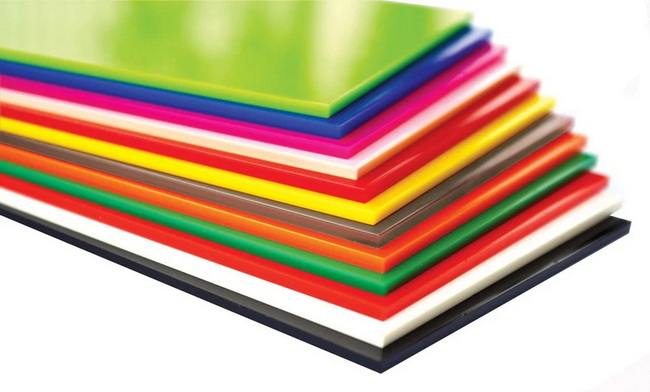
Beyond classic applications, acrylic sheets can serve as decorative room dividers and wall art, helping you redefine open‑plan spaces without sacrificing natural light. This is especially useful in apartments, studios, or home offices where flexibility is crucial.
Examples of creative uses:
- Frosted or tinted partitions between dining and living areas for subtle separation.
- Patterned panels with cut‑outs, engraving, or printed graphics mounted as floating wall art.
- Hanging panels from ceiling tracks to create movable, semi‑transparent boundaries.
These solutions maintain an open feel while adding a design‑forward focal point that reflects your personal style.
With more people working remotely, acrylic sheets are widely used for home office upgrades. They help create defined, professional spaces even in shared rooms.
Practical applications include:
- Desktop privacy screens and modesty panels that block visual distractions without darkening the room.
- Wall‑mounted whiteboards made from clear or frosted acrylic for notes, calendars, and brainstorming.
- Monitor risers and laptop stands using thick acrylic sheets to improve ergonomics while maintaining a clean look.
These additions make your workspace more functional and organized, which can boost focus and productivity at home.
In bathrooms and other wet areas, acrylic provides a smooth, water‑resistant surface that is easier to maintain than many traditional materials. Its resistance to moisture and impact makes it attractive for family homes and rental properties.
Ideas for bathroom use:
- Shower screens or partial partitions made from frosted or patterned acrylic instead of glass.
- Wall panels behind sinks or bathtubs for a seamless, easy‑clean finish.
- Floating bathroom shelves for toiletries and decor, using clear or colored acrylic.
By replacing fragile glass or high‑maintenance tile with acrylic, you create a bathroom that looks modern and is easier to clean day‑to‑day.
Acrylic is ideal for picture frames and display cases, providing optical clarity without the shatter risk of glass. This is particularly important for homes with energetic children, pets, or high‑traffic hallways.
Typical uses:
- Frame‑grade acrylic cut to standard photo sizes or custom dimensions for gallery walls.
- Shadow boxes and collectibles cases that protect items from dust while keeping them visible from all angles.
- Poster and art displays using frameless acrylic sandwich frames mounted with standoff hardware.
Frame‑grade acrylic offers excellent optical clarity and resists breaking under normal household conditions, helping you preserve valuable photos and artwork.
Acrylic shelves combine a minimalist aesthetic with practical strength for books, plants, or decor items. Because acrylic is lighter than glass, installation is easier and there is less risk of catastrophic breakage if a bracket fails.
Use cases:
- Wall‑mounted shelves in living rooms, kitchens, or bathrooms for decor and essentials.
- Corner shelves to maximize unused space without visual clutter.
- Display risers and organizers inside cabinets or on countertops.
When installing, ensure that brackets and anchors are rated for the expected load and that the acrylic thickness matches the shelf span. This keeps your shelving both attractive and reliable.
Acrylic sheets are a favorite for DIY craft projects, home decor, and custom lighting features. Thanks to their workability, you can cut, engrave, and combine acrylic pieces into unique, personalized items.
Popular DIY ideas:
- Custom wall art made from layered colored acrylic shapes.
- Acrylic clocks, jewelry holders, name signs, and ornaments.
- Backlit panels and lamp shades that diffuse light through frosted or patterned acrylic.
These projects allow you to express your creativity while making durable decor that stands up better than paper or thin plastic films.
To get the most value from acrylic sheets, it is important to handle, clean, and install them correctly. Following a few best practices will extend their lifespan and keep surfaces clear and attractive.
Best‑practice checklist:
- Use soft microfiber cloths and mild soap solutions; avoid ammonia‑based cleaners that can cause crazing.
- When cutting or drilling, use tools suitable for plastics and support the sheet to prevent cracking.
- Keep acrylic away from direct flames and very high heat sources, as it is a thermoplastic material.
- Remove protective film only after installation to reduce scratches.
By treating acrylic with proper care, you retain its clarity and durability for many years of everyday use.
Home Application | Acrylic Benefit |
Windowpanes and interior glazing | Lightweight, impact-resistant, high clarity. |
Greenhouses and cold frames | Weather-resistant, high light transmission. |
Furniture and table covers | Modern look, safer than glass, easy to move. |
Kitchen and bathroom wall panels | Grout-free, easy to clean, moisture-resistant. |
Room dividers and wall art | Semi-transparent, design-flexible, light-friendly. |
Home office whiteboards and risers | Functional, reusable, ergonomic upgrades. |
Picture frames and display cases | Shatter-resistant, high optical clarity. |
Shelving and storage | Minimalist look, lighter than glass. |
DIY decor, crafts, and lighting | Highly customizable, easy to shape and engrave. |
Selecting the correct acrylic type and thickness is essential for a safe and professional result. A thoughtful choice will also reduce waste and improve long‑term performance.
Key considerations:
- Thickness: Use thinner sheets (2–3 mm) for small decor pieces, 4–6 mm for shelves and wall panels, and thicker material for furniture and structural elements.
- Finish: Choose clear for maximum light, frosted for privacy, tinted for ambience, and mirrored acrylic for statement decor.
- Indoor vs outdoor: For outdoor uses, consider UV‑stabilized grades that resist yellowing and brittleness.
If you are uncertain, start with a small test project or order sample pieces to understand how different finishes and thicknesses perform in your space.
If you are ready to upgrade your home with durable, stylish acrylic sheets, start by listing one or two projects you want to complete first, such as a new backsplash, shelving system, or home office whiteboard. Then gather your measurements, choose your preferred thickness and finish, and request made‑to‑measure acrylic panels so you can move smoothly from planning to installation. By taking action now, you will turn your ideas into long‑lasting improvements that make your home safer, more functional, and more visually appealing.
Contact us to get more information!
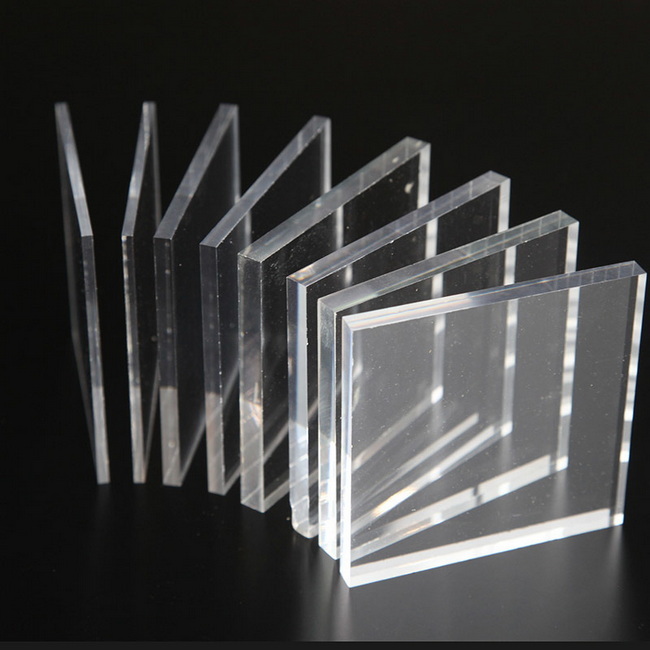
Yes. Acrylic sheets are significantly more impact‑resistant than glass and do not shatter into sharp shards, which makes them suitable for homes with children and pets.
Many acrylic sheets are weather‑resistant and can be used in outdoor applications, especially when you select UV‑stabilized grades for greenhouses, patio barriers, and exterior glazing.
Use a soft microfiber cloth with mild soap and water, and avoid abrasive pads or ammonia‑based cleaners that can cause scratches and surface crazing.
For typical wall shelves, 4–6 mm may work for short spans and light loads, while longer or heavily loaded shelves should use thicker sheets and properly rated brackets.
Acrylic works well as a backsplash in most areas, but it should be kept at a safe distance from direct high‑heat sources; always follow appliance clearance recommendations and local safety guidelines.
References
1. https://www.acmeplastics.com/content/7-ways-to-use-acrylic-sheets-at-home/
2. https://www.acplasticsinc.com/informationcenter/r/acrylic-sheet-applications-for-home-use
3. https://www.e-architect.com/articles/home-decor-with-acrylic-sheets
4. https://royaletouche.com/blog/best-acrylic-sheets-for-home-decor/
5. https://www.dreamofhome.co.uk/2024/02/22/practical-uses-of-acrylic-sheets/
6. https://www.piedmontplastics.com/blog/acrylic-plastic-applications