Shanghai Gokai Industry Co,.Ltd.
Call Us: +86-18918606548
Call Us: +86-18918606548
- Product Name
- Product Keyword
- Product Model
- Product Summary
- Product Description
- Multi Field Search
Views: 222 Author: Loretta Publish Time: 2026-02-08 Origin: Site


Content Menu
● What Is Acrylic Plastic (Plexiglass) and Why Businesses Use It
● Key Commercial Applications of Acrylic Plastic Sheets
>> 1. Acrylic Commercial Windows and Glazing
>> 2. Acrylic Skylights and Roof Glazing
>> 3. Acrylic for Secure Facilities and Safety Barriers
>> 4. Retail Displays and Merchandising Fixtures
>> 5. Trade Show Exhibits and Portable Branding
>> 6. Barriers, Shields, and Hygiene Protection
● Emerging and High‑Value Acrylic Applications (2026 Trends)
>> 7. Acrylic in LED Lighting and Signage Systems
>> 8. Acrylic for Digital Printing and Brand Graphics
>> 9. Acrylic in Industrial and OEM Components
● Acrylic Plastic vs. Other Transparent Materials (Quick Reference)
● Practical Considerations When Specifying Acrylic Sheets
>> 1. Selecting the Right Acrylic Grade
>> 2. Fabrication and Handling Tips
>> 3. Cleaning and Maintenance
● How Shanghai Gokai Supports OEM Acrylic Sheet Projects
● How to Plan Your Next Acrylic Project
● Call to Action: Start Your Acrylic Sheet OEM Project Today
● FAQs About Acrylic Plastic Commercial Uses
>> 1. Is acrylic plastic safe for commercial windows and doors?
>> 2. Can acrylic be used outdoors without yellowing?
>> 3. What is the difference between plexiglass and acrylic plastic?
>> 4. How does acrylic compare with polycarbonate for safety barriers?
>> 5. Can acrylic sheets be custom‑fabricated for OEM components?
Acrylic plastic (also called plexiglass or PMMA) has become one of the most versatile and cost‑effective transparent materials for modern commercial applications, from retail displays to safety barriers and architectural glazing.
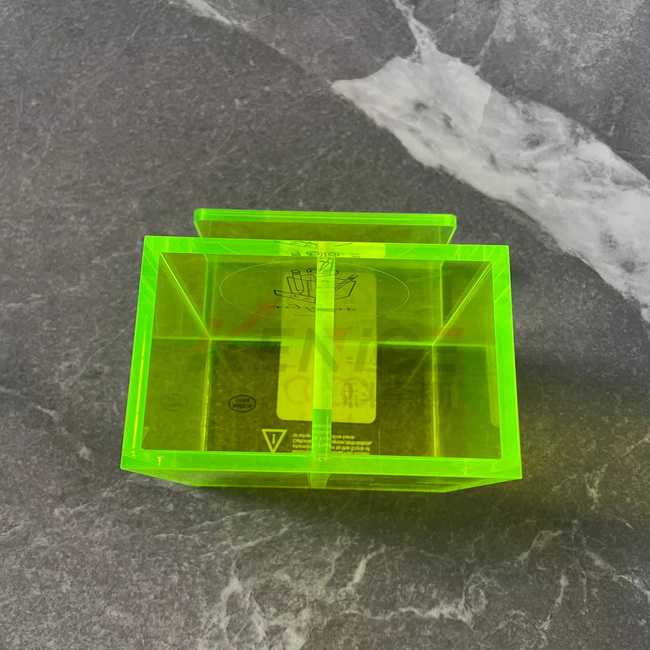
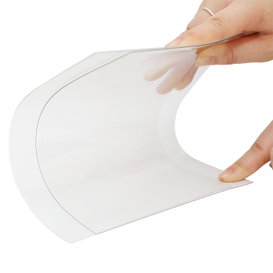
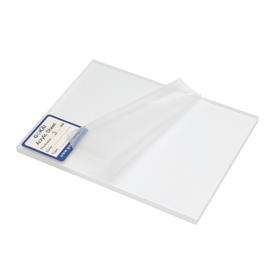
Acrylic plastic is a transparent thermoplastic sheet material with high light transmission (around 92–93%), strong impact resistance, and excellent weatherability. These properties make it a popular alternative to glass in commercial projects such as windows, skylights, displays, and shields.
Key advantages for business users:
- Lightweight compared with glass, reducing transport and installation costs.
- High impact resistance, improving safety in public and high‑traffic areas.
- Thermoplastic formability, allowing bending, molding, and CNC fabrication into custom shapes.
- Cost‑effective for large‑scale or OEM production runs.
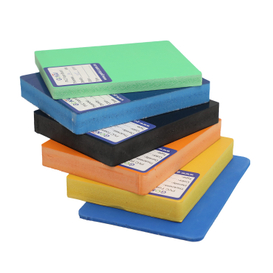
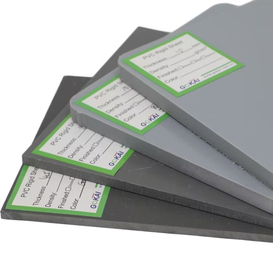
As a manufacturer of PVC foam boards and acrylic sheets, Shanghai Gokai Industry Co., Ltd. can provide OEM‑level customization in dimensions, colors, and surface finishes to match specific commercial standards and regional regulations.
Acrylic sheets are widely used in commercial and residential windows where clarity and safety are both critical.
Benefits for glazing projects:
- Up to about 93% light transmission, comparable to or higher than standard glass.
- Increased impact resistance versus glass, reducing breakage in public areas.
- Lower weight for easier handling on site and reduced structural load.
- Good weatherability for exterior facades and canopy glazing when properly specified.
Typical uses:
- Storefront windows and interior partitions.
- Protective interior panels in schools, banks, and public transit stations.
- Glazing where safety and transparency must be balanced (e.g., stadiums, public buildings).
Skylights can be difficult to design and install because of their height, size, and exposure to weather. Acrylic sheets address several of these pain points.
Why acrylic skylights are popular:
- Low weight simplifies lifting and installation on roofs.
- Thermoplastic behavior allows forming into domes, pyramids, or barrel vaults.
- Good optical clarity with options for clear, opal, or tinted sheets to control glare.
- Resistance to many environmental conditions when properly UV‑stabilized.
Acrylic skylights are frequently specified for:
- Shopping mall atriums.
- Warehouses and logistics centers.
- Public building corridors and transit hubs.
In high‑security or high‑risk environments, clear visibility and physical protection must work together. Acrylic plastic is widely used in secure facilities because of its strength and impact resistance.
Typical secure applications:
- Government building service windows and reception counters.
- ATM surrounds and enclosures where visibility and vandal resistance matter.
- Detention and institutional facilities where clarity is needed but safety is paramount.
Key reasons acrylic is preferred:
- High impact resistance reduces the likelihood of dangerous shattering.
- Compatible with multi‑layer security glazing systems.
- Can be fabricated with cutouts for communication devices, transfer trays, or card readers.
Retail environments rely heavily on visual merchandising, and acrylic offers a powerful combination of aesthetics and practicality.
Core benefits in retail:
- Crystal‑clear optical clarity enhances product presentation.
- Easy to fabricate into complex shapes: boxes, risers, shelving, stands, and signage.
- Available in multiple colors, textures, and finishes for brand‑consistent displays.
- Cost‑effective for temporary promotions and long‑term fixture programs alike.
Examples of retail acrylic uses:
- Countertop display cases for electronics, cosmetics, and jewelry.
- Freestanding POS displays highlighting seasonal promotions.
- Branded backlit panels and signage.
Trade show exhibits demand eye‑catching design and rapid installation, often under strict weight and size limits. Acrylic plastic is ideal for fabricating modular, reusable exhibit components.
Why exhibitors choose acrylic:
- Can be molded or cut into unique forms that stand out on the show floor.
- Lightweight, making international shipping and on‑site handling easier.
- Strong enough to withstand repeated assembly and disassembly cycles.
- Compatible with lighting, printing, and vinyl graphics for custom branding.
Typical acrylic trade show elements:
- Lightboxes and illuminated brand towers.
- Clear or colored podiums, counters, and product plinths.
- Hanging signage and information panels.
The demand for personal protection barriers and shields has increased significantly in recent years across schools, banks, offices, factories, and healthcare settings. Acrylic sheets are a leading material choice.
Key advantages for protective barriers:
- High optical clarity maintains face‑to‑face communication.
- Lightweight panels are easy to mount to desks, counters, or machines.
- Adequate toughness for daily use in public environments.
- Easy to clean with suitable, non‑abrasive cleaning agents.
Applications include:
- Reception shields in clinics, hotels, and corporate offices.
- Desk dividers in educational facilities and call centers.
- Splash guards on food service and production lines.
To build topical authority and long‑term SEO visibility, it is helpful to address emerging commercial uses that go beyond traditional displays and windows.
Acrylic's high light transmission and diffusion properties make it a preferred material for modern LED lighting and signage. It helps create uniform illumination while protecting internal components.
Typical uses:
- Light diffusers and covers for LED panels and linear fixtures.
- Edge‑lit acrylic signs with engraved or printed graphics.
- Outdoor illuminated fascias when combined with proper UV‑stable grades.
Benefits:
- Clean, premium look that supports brand perception.
- Long‑term color stability with suitable formulations.
- Lightweight structures compared with traditional glass signage.
Digital printing technology integrates well with acrylic sheets for creating durable, high‑resolution visual communications.
Commercial scenarios:
- Wall‑mounted brand panels in corporate lobbies.
- Wayfinding and safety signs in malls, hospitals, and industrial sites.
- Premium photo panels and art installations.
Acrylic can be direct‑printed or used with reverse printing and mounting techniques, enhancing color depth and visual impact while protecting the print behind a clear layer.
Beyond visible display elements, acrylic also appears in industrial components where clarity, stability, or chemical resistance are important.
Examples:
- Machine guards and inspection windows on equipment housings.
- Sight glasses for tanks and process lines (within suitable temperature limits).
- Instrument covers and control panel windows.
For OEM buyers, working with a manufacturer like Shanghai Gokai Industry Co., Ltd. means:
- Custom thicknesses and formats to match equipment design.
- Pre‑cut and CNC‑machined parts for direct assembly on the production line.
- Stable quality standards across repeat orders.
To support product selection and SEO for comparison queries, the following table highlights how acrylic compares with common alternatives in typical commercial contexts.
| Property / Feature | Acrylic Plastic (Plexiglass) | Glass | Polycarbonate |
|---|---|---|---|
| Relative weight | About half the weight of glass, easier handling. | Heavy | Similar to or slightly lighter than acrylic |
| Impact resistance | Higher than glass, lower than polycarbonate. | Low | Very high |
| Optical clarity | High clarity (around 92–93% light transmission). | High | Good but may yellow over time without UV protection |
| Formability | Thermoplastic, heat‑formable into shapes. | Rigid | Thermoplastic, also formable |
| Scratch resistance | Better than polycarbonate, can be improved with coatings. | Good | Lower without hard‑coat |
| Typical commercial uses | Windows, displays, skylights, shields, signage. | Traditional glazing | Safety glazing, machine guards |
To help decision‑makers, include practical selection and installation tips so the content delivers real value, not just marketing claims.
Consider these factors when choosing acrylic sheets for a project:
- Indoor vs. outdoor: Use UV‑stabilized grades for exterior applications like skylights and outdoor signage.
- Cast vs. extruded: Cast acrylic often offers better optical properties and machining performance; extruded can be more cost‑effective for simple shapes.
- Color and finish: Clear, opal, tinted, mirrored, frosted, or textured surfaces can serve different design and privacy needs.
- Thickness: Match thickness to load and safety requirements, especially for large panels or security applications.
Acrylic sheets respond well to cutting, drilling, bending, and bonding when handled correctly.
Basic best practices:
1. Use suitable saw blades or CNC tools designed for plastics to reduce chipping.
2. Keep protective film on during fabrication to minimize surface scratching.
3. Avoid excessive localized heating that may cause stress or bubbling when forming.
4. Use compatible adhesives or mechanical fasteners to ensure durable joints.
For OEM projects, you can outsource most of these steps to a manufacturer that offers end‑to‑end fabrication — from sheet extrusion to finished components.
Proper cleaning extends service life and maintains clarity.
Recommended practices:
- Use mild soap solutions or cleaners designed for acrylic, applied with soft cloths.
- Avoid strong solvents or abrasive pads that can scratch or craze the surface.
- Implement regular cleaning schedules for retail displays and shields in high‑traffic areas.
As a professional manufacturer of PVC foam boards and acrylic sheets, Shanghai Gokai Industry Co., Ltd. serves global customers with OEM services tailored to commercial and industrial applications.
What a professional OEM partner can provide:
- Customized specifications: Size, thickness, color, surface texture, and protective films tailored to your application.
- Engineering support: Material selection guidance for windows, displays, skylights, and safety shields.
- Fabrication services: Cutting, routing, drilling, polishing, bending, printing, and assembly for ready‑to‑install parts.
- Stable supply chain: Consistent quality and batch‑to‑batch repeatability for long‑term programs.
This level of support helps reduce total project cost, shorten lead times, and improve the reliability of commercial installations utilizing acrylic plastic.
To turn information into action, guide readers through a simple, practical sequence.
1. Define your application
Clarify whether you need acrylic for windows, skylights, retail displays, shields, or OEM components, and list key performance requirements.
2. Specify material requirements
Decide on thickness, color, finish, and whether the application is indoor or outdoor. Note any regional standards your project must meet.
3. Estimate volumes and formats
Identify whether you need full sheets, cut‑to‑size panels, or fully fabricated parts ready for installation.
4. Consult a specialist manufacturer
Share your drawings, sketches, or reference samples with a manufacturer like Shanghai Gokai to receive technical recommendations and a tailored quotation.
5. Prototype and refine
Start with a prototype batch to validate design, clarity, fit, and durability, then scale up to full production.
If your business is planning new windows, skylights, retail displays, safety shields, or OEM plastic components, acrylic plastic offers an excellent balance of clarity, safety, and cost.
To discuss your next project, share your drawings, specifications, and annual volume forecast with Shanghai Gokai Industry Co., Ltd. A dedicated team can recommend the optimal acrylic or PVC foam sheet solution, provide samples, and support you from concept through mass production.
Contact us to get more information!
Yes. Acrylic offers higher impact resistance than standard glass and does not shatter into sharp fragments, making it suitable for many commercial windows, doors, and partitions when correctly specified.
With the right UV‑stabilized grades and proper maintenance, acrylic can perform well outdoors for windows, skylights, and signage while maintaining clarity for long periods.
Plexiglass is a common trade name, while acrylic plastic (PMMA) is the generic material; in most commercial contexts the terms are used interchangeably for similar sheet products.
Acrylic has excellent clarity and good impact resistance; polycarbonate offers even higher impact strength but is more prone to scratching without coatings, so the choice depends on risk level and budget priorities.
Yes. Acrylic sheets can be cut, drilled, machined, bent, and bonded into precise parts, and many manufacturers provide full OEM services for industrial and commercial clients seeking custom components.