Shanghai Gokai Industry Co,.Ltd.
Call Us: +86-18918606548
Call Us: +86-18918606548
- Product Name
- Product Keyword
- Product Model
- Product Summary
- Product Description
- Multi Field Search
Views: 222 Author: Gokai Publish Time: 2026-04-11 Origin: Site


Rising energy prices have turned every drafty window into a monthly expense line—and that is exactly where plexiglass (acrylic) windows can quietly save you money and make your home more comfortable. As someone who has worked with acrylic sheet manufacturing and with homeowners upgrading their own windows, I've seen how a well‑designed acrylic or plexiglass insert can transform cold, leaky rooms into warm, quiet, energy‑efficient spaces. [fabglassandmirror]
In this guide, I'll walk you through, step by step, how to insulate plexiglass windows, why acrylic often outperforms traditional glass, and what to watch out for if you want professional‑level results on a DIY budget. [flacrylic]
Plexiglass is simply another name for acrylic sheet, a transparent thermoplastic that is lightweight, impact‑resistant, and easy to fabricate. Originally developed in the late 1920s and used extensively in aircraft canopies during World War II, it is now widely used in windows, skylights, greenhouse panels, and retail displays. [piedmontplastics]
Compared with traditional glass, well‑made acrylic sheet:
- Transmits up to about 92% of visible light, giving crystal‑clear transparency. [piedmontplastics]
- Has lower thermal conductivity than glass, which means it can help reduce heat transfer. [piedmontplastics]
- Is around 10 times more impact resistant than regular glass, improving safety and durability. [citywindow]
For homeowners, these properties translate into windows that are clearer, tougher, and easier to insulate effectively.
When you combine acrylic sheet with thoughtful insulation techniques, you get more than just slightly warmer rooms. [fabglassandmirror]
Main benefits include:
- Lower heating and cooling bills: Adding a sealed acrylic layer can reduce heat loss and help cut heating costs; plastic window insulation methods may save around 5–10% of heating costs in some homes, depending on climate and baseline efficiency. [blog.americanwindowfilm]
- Improved comfort: Fewer cold drafts, more stable room temperatures, and less condensation around the window perimeter. [flacrylic]
- Better safety and durability: Acrylic is far more impact‑resistant than regular glass, a real advantage in storm‑prone or high‑traffic areas. [citywindow]
- Noise reduction: A secondary acrylic layer plus weatherstripping can noticeably reduce outside noise, especially when you use 1/4‑inch plexiglass and foam weatherstripping. [soundproofist]
From an energy‑efficiency perspective, insulating plexiglass windows works on a simple principle: you are adding an extra airtight layer and an air gap, which together increase thermal resistance and slow heat flow. [greenbuildingadvisor]
Many homeowners assume "glass is glass," but from an engineer's perspective acrylic behaves differently from traditional window glass. [piedmontplastics]
- Acrylic has lower thermal conductivity than ordinary glass, so it tends to insulate better when used as glazing. [piedmontplastics]
- In practice, plexiglass is often estimated to be three to eight times more thermally insulating than standard single‑pane glass when part of a well‑sealed system, especially in secondary glazing configurations. [acmeplastics]
- Heat‑treated glass transmits about 80–90% of visible light, while typical acrylic can reach around 92% light transmission, giving bright, clear daylight. [piedmontplastics]
- Specialized acrylic grades can also block up to 99% of UV, helping protect furniture and finishes from fading. [piedmontplastics]
- Acrylic is about 10 times more impact resistant than glass, while some polycarbonate grades go higher but at a higher cost and with more scratching. [citywindow]
- For residential window inserts, acrylic strikes a sweet spot between clarity, cost, and impact resistance.
In other words, if you are considering a secondary glazing system to cut energy bills, acrylic/plexiglass is often the most practical choice for DIY and OEM solutions. [fabglassandmirror]

From an energy consultant's viewpoint, the goal of window insulation is not just "adding plastic." It is about controlling air movement and heat transfer. [blog.americanwindowfilm]
Plexiglass insulation works in three main ways:
1. Creating a sealed air gap
- The air between the glass and the acrylic insert acts as an insulating layer, similar to the gap in a double‑glazed window. [greenbuildingadvisor]
2. Reducing drafts and infiltration
- Foam weatherstripping, magnetic frames, and caulking cut air leaks around the frame—the real culprit behind many high heating bills. [soundproofist]
3. Lowering conductive heat loss
- Acrylic's lower thermal conductivity means less heat escapes directly through the panel compared with standard glass. [piedmontplastics]
In many climates, even low‑cost plastic window insulation kits (typically clear film plus tape) can deliver noticeable energy savings; some sources cite 5–10% heating cost reductions when used consistently on leaky windows. A rigid acrylic insert, properly air‑sealed, can provide similar or better performance along with improved durability and visibility. [shopping.yahoo]
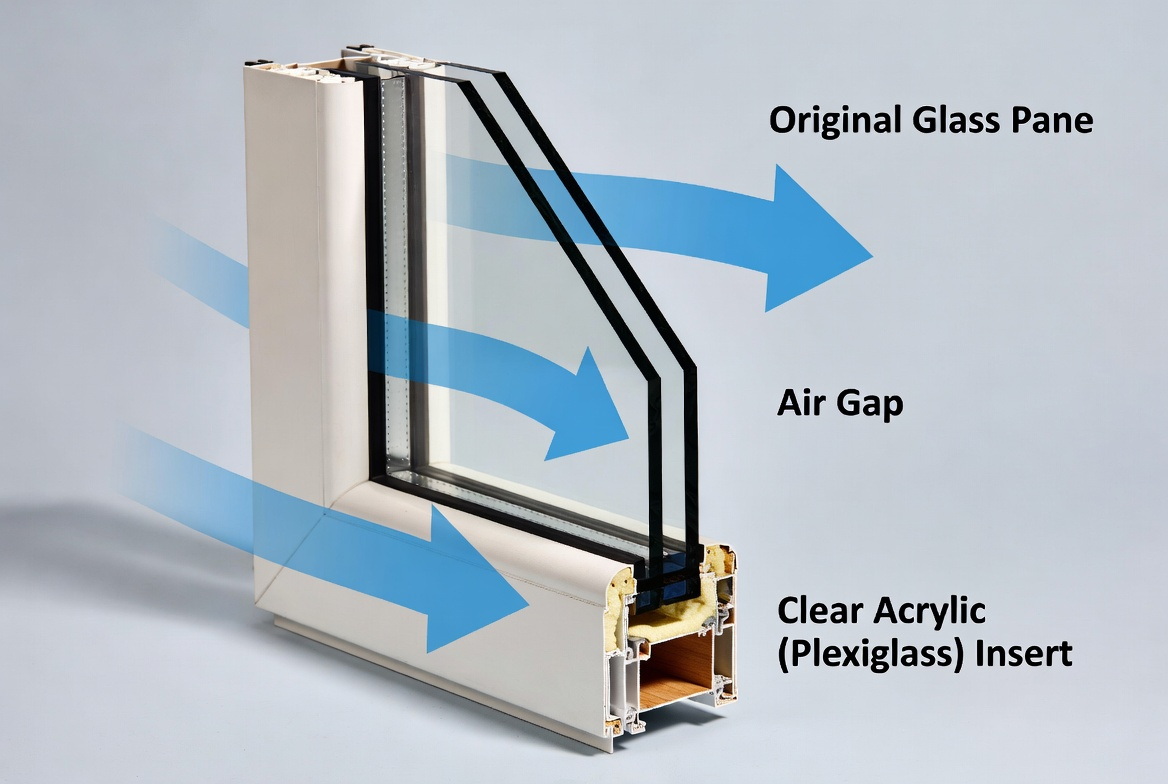
Based on both manufacturer guidance and field experience, the following method is a robust way to insulate plexiglass windows and secondary acrylic inserts. [flacrylic]
Before touching any tools, check:
- Where the drafts come from (sashes, frame, wall junction).
- Whether the plexiglass is primary glazing or a secondary interior panel.
- The condition of existing caulk and frame materials.
This helps you decide whether you only need a removable acrylic insert, weatherstripping, or a more substantial frame upgrade. [greenbuildingadvisor]
For most residential secondary glazing or interior storm windows:
- Use 1/8 inch (3 mm) acrylic for smaller openings.
- Use 1/4 inch (6 mm) acrylic for larger windows or where you also want better sound reduction. [soundproofist]
As a manufacturer, Gokai typically recommends matching sheet thickness to window size, wind loads, and whether the panel will be frequently removed or fixed in place. [flacrylic]
A clean, dry frame is crucial for a long‑lasting seal. [flacrylic]
- Remove dust, old tape, and loose paint.
- Degrease the surface with a suitable cleaner and allow it to dry fully.
- Repair any rotten wood or damaged sections before proceeding.
Foam or rubber weatherstripping is your first line of defense against drafts. [soundproofist]
- Apply foam tape around the window frame or sub‑frame, sticky side facing outward to meet the acrylic or sash. [flacrylic]
- Press firmly and cut off excess.
- If you still see gaps, add a second layer of foam tape. [flacrylic]
This foam not only seals air leaks but also cushions the acrylic panel and helps reduce vibration and noise. [soundproofist]
If your system uses a separate frame or magnetic sub‑frame:
- Fit the frame into the window opening, ensuring you maintain at least about 1/2 inch from the frame edge to the window edge so screws do not crack the substrate.
- Use a pencil to mark uniform distances around the perimeter.
- Screw the frame in place along those markings, avoiding over‑tightening.
In magnetic acrylic systems, adhesive magnetic strips may be applied both to the frame and the acrylic perimeter. [flacrylic]
Before any sealant:
- Place the acrylic sheet into the frame for a dry fit.
- Confirm it seats evenly, with no large gaps or stress points.
- Make small adjustments if necessary.
This step is essential to avoid cracking or warping once you add sealants and final fasteners.
To move from "draft‑reduction" to true insulation, you must seal the perimeter.
- Apply a continuous bead of clear silicone caulk or acrylic‑compatible sealant around the outside edge of the frame where it meets the wall or existing sash. [flacrylic]
- Smooth the bead to avoid gaps or air pockets.
- Allow at least 24 hours for the silicone to cure before subjecting it to stress or cleaning.
Note: Some sealants do not adhere well to acrylic; always test a small inconspicuous area first. [flacrylic]
Once the sealant is cured:
- Peel protective film from the back of the acrylic, then spray with an anti‑static cleaner and wipe with a microfiber cloth.
- Install the panel, then remove the front‑side film and clean again with a non‑abrasive cleaner.
Anti‑static cleaners help reduce dust attraction, which can be a common complaint with plastic glazing.

Not every homeowner has the time or budget for a full frame‑and‑seal installation. The good news is that several simpler methods can still deliver meaningful energy savings. [fabglassandmirror]
Clear plastic film kits are widely sold and can be applied with tape and a hair dryer.
- Pros: Very low cost, quick to install, good draft reduction. [youtube]
- Cons: Less durable than acrylic, may need replacement each season, less visually robust.
Some sources suggest these kits alone can save 5–10% on heating costs, especially on older, leaky windows. [shopping.yahoo]
Here you attach thin acrylic sheets with magnetic strips around the frame. [flacrylic]
- Pros: Clean look, strong seal, fully removable for cleaning or summer ventilation. [flacrylic]
- Cons: Higher upfront cost, requires careful measuring and fabrication.
Many homeowners favor this system because you get true secondary glazing without drilling into the main window frame. [greenbuildingadvisor]

This is a hybrid approach:
- A 1/4‑inch acrylic panel cut to size.
- Foam weatherstripping or felt along the sill and stops. [soundproofist]
- Light compression to hold the panel in place.
This method is especially effective in reducing both drafts and noise from traffic or neighbors. [soundproofist]
From both home‑owner feedback and installer experience, several recurring mistakes can undermine the performance of plexiglass insulation. [reddit]
- Leaving gaps at the edges: Reddit users and insulation pros repeatedly note that plexiglass only insulates well when the edges are properly air‑sealed. [reddit]
- Using the wrong sealant: Some caulks do not bond well to acrylic or can cause stress cracking; always check compatibility and follow manufacturer guidance. [flacrylic]
- Under‑sizing the air gap: An extremely small or inconsistent air gap reduces the benefits of secondary glazing. [greenbuildingadvisor]
- Neglecting condensation: If warm, moist indoor air reaches a cold surface inside the assembly, condensation can occur; good air sealing and ventilation planning are important. [greenbuildingadvisor]
- Scratching the acrylic during cleaning: Abrasive pads and harsh chemicals are a common cause of early replacement; use soft cloths and acrylic‑safe cleaners. [piedmontplastics]
Paying attention to these points will keep your upgraded windows performing well for many seasons.
As an OEM acrylic sheet supplier, Gokai typically works with both window manufacturers and large DIY brands, and a few expert insights come up repeatedly in successful projects. [piedmontplastics]
- Optimize thickness for climate and frame: In colder regions or high‑wind applications, using slightly thicker acrylic (for example, moving from 3 mm to 4.5–6 mm) can improve both stiffness and perceived comfort. [fabglassandmirror]
- Specify UV‑resistant grades for sun‑exposed façades: This improves long‑term clarity and reduces yellowing, keeping the window visually appealing and high performing. [piedmontplastics]
- Integrate acoustic performance: In noisy urban environments, pairing 1/4‑inch acrylic with dense foam weatherstripping can meaningfully reduce street noise as well as heat loss. [soundproofist]
- Standardize sizes for multi‑property projects: For hotel chains, rental portfolios, or modular buildings, OEM‑produced standard acrylic inserts dramatically reduce per‑unit cost and installation time. [flacrylic]
These are the small design decisions that separate average DIY fixes from professional‑grade solutions.
Plexiglass window insulation is not just for one type of building; it is used across many sectors. [piedmontplastics]
High‑impact residential applications:
- Older single‑pane windows in cold or temperate climates.
- North‑facing rooms with persistent cold drafts.
- Attics, basements, or bonus rooms with limited existing insulation.
Commercial and specialty uses:
- Greenhouses & skylights: Acrylic is tolerant to both heat and snow, while remaining lightweight and easier to build with than glass.
- Solar‑related glazing: Acrylic panels allow about 90% of light to pass through, suitable for some solar and daylighting applications.
- Security buildings and retail: Government facilities, detention centers, and retail stores often rely on impact‑resistant acrylic windows and panels for security and display clarity. [citywindow]
In many of these scenarios, insulating the plexiglass layer further increases both comfort and energy efficiency.
Below is a quick bill of materials for an effective plexiglass window insulation project. [fabglassandmirror]
| Item | Purpose |
|---|---|
| Acrylic sheet (3–6 mm) | Main insulating glazing panel. (fabglassandmirror) |
| Foam weatherstripping tape | Seals gaps, cushions panel, cuts drafts. (flacrylic) |
| Magnetic strips (optional) | Removable secondary glazing attachment. (flacrylic) |
| Clear silicone / compatible caulk | Long‑term perimeter air seal. (flacrylic) |
| Anti‑static acrylic cleaner | Reduces dust, prevents scratching. (piedmontplastics) |
| Microfiber cloths | Safe cleaning of acrylic surfaces. |
| Measuring tools & screws | Accurate fitting and secure framing. |
If you are planning a multi‑window project—whether for your own home, a rental portfolio, or a commercial building—the quality and consistency of your acrylic sheets matter as much as the installation method. [piedmontplastics]
As an OEM‑capable acrylic sheet supplier, Gokai can:
- Provide custom‑cut acrylic sheets and panels optimized for your local climate and window sizes.
- Offer material choices (clear, frosted, tinted, UV‑resistant) that match your design and performance goals. [piedmontplastics]
- Support bulk orders for contractors, builders, and brands developing ready‑to‑install plexiglass window insulation kits. [flacrylic]
If you are ready to reduce energy bills, improve comfort, and upgrade your windows with a professional‑grade acrylic solution, contact Gokai's team to discuss your project specifications and OEM requirements.

1. Is plexiglass really better than glass for insulation?
Acrylic (plexiglass) has lower thermal conductivity than conventional glass and can be three to eight times more thermally insulating in appropriate setups, making it a strong choice for energy‑saving window upgrades. [acmeplastics]
2. What thickness of acrylic sheet should I use for window insulation?
For most interior storm windows and secondary glazing, 1/8‑inch acrylic is suitable for small openings, while 1/4‑inch acrylic is recommended for larger windows or when noise reduction is a priority. [fabglassandmirror]
3. Will insulating plexiglass windows stop condensation?
Insulation and air sealing can reduce condensation on interior surfaces, but moisture control also depends on indoor humidity and ventilation; poor sealing or high humidity can still cause condensation issues. [greenbuildingadvisor]
4. Can I remove the acrylic panels in summer?
Yes. Magnetic secondary glazing and some foam‑sealed inserts are designed to be removable, allowing you to take down the panels in warmer months and reinstall them before the heating season. [soundproofist]
5. How much can I realistically save on energy bills?
Savings vary, but plastic window insulation approaches have been reported to reduce heating costs by roughly 5–10% in some homes, especially when applied to multiple leaky windows; well‑sealed acrylic inserts can perform similarly or better. [blog.americanwindowfilm]
1. Acme Plastics – "How to Insulate Plexiglass Windows to Keep Energy Bills Down." https://www.acmeplastics.com/content/how-to-insulate-plexiglass-windows-to-keep-energy-bills-down/
2. Acme Plastics – "How To: Working with Acrylic, Plexiglass & More." https://www.acmeplastics.com/how-to-plastic-tips [acmeplastics]
3. Piedmont Plastics – "Acrylic vs Glass | Is Plexiglass Better?" https://www.piedmontplastics.com/blog/acrylic-versus-glass [piedmontplastics]
4. Feilong Acrylic – "Plexiglass Window Insulation Made Easy." https://flacrylic.com/insulate-plexiglass-windows/ [flacrylic]
5. Fab Glass and Mirror – "Plexiglass Window Insulation Guide – Energy Saving DIY Tips." https://www.fabglassandmirror.com/blog/plexiglass-window-insulation-guide/ [fabglassandmirror]
6. Soundproofist – "How to Reduce Window Noise with Plexiglass Inserts." https://soundproofist.com/2021/12/30/how-to-reduce-window-noise-with-plexiglass-inserts/ [soundproofist]
7. Green Building Advisor – "Thick Walls – Plexiglass Interior Window Covering for Thermal Benefits." https://www.greenbuildingadvisor.com/question/thick-walls-6-plexiglass-interior-window-covering-for-thermal-benefits-any-downsid [greenbuildingadvisor]
8. American Window Film – "Can Window Film Really Lower Energy Bills?" https://blog.americanwindowfilm.com/can-window-film-lower-energy-bills [blog.americanwindowfilm]
9. Yahoo – "Does Plastic Window Insulation Really Save You Money?" https://shopping.yahoo.com/home-garden/home-improvement/articles/does-plastic-window-insulation-really-070000264.html [shopping.yahoo]
10. Reddit – "Can I Insulate Window Using an Extra Layer of Plexiglass?" https://www.reddit.com/r/Insulation/comments/1im54sv/can_i_insulate_window_using_an_extra_layer_of/ [reddit]
11. City Window – "A Comparison of Acrylic (Plexiglass) vs Polycarbonate (Lexan) Glass." https://citywindow.com/A-Comparison-of-Acrylic-vs-Polycarbonate-Glass [citywindow]
12. Synergy Files – "Add Plastic Glazing to Your Window and Lower Heating Bills." https://www.youtube.com/watch?v=WoaZLx6V4Ak [youtube]