Shanghai Gokai Industry Co,.Ltd.
Call Us: +86-18918606548
Call Us: +86-18918606548
- Product Name
- Product Keyword
- Product Model
- Product Summary
- Product Description
- Multi Field Search
Views: 222 Author: Gokai Publish Time: 2026-04-10 Origin: Site


Content Menu
● 1. Understanding the Core Differences: Indoor vs. Outdoor Environments
>> The Indoor Environment: Aesthetics and Precision
>> The Outdoor Environment: The Battle Against Nature
● 2. Acrylic Sheets (PMMA): The Gold Standard for Signage
>> Why Acrylic Wins for Outdoors
>> Key Performance Metrics of Acrylic
● 3. Polycarbonate vs. Acrylic: When Impact Resistance is Non-Negotiable
>> The Trade-off: Impact vs. UV
● 4. PVC Foam Board: The Versatile Budget King
● 5. The Science of Thermal Expansion: Avoiding the "Warp"
● 6. Sustainability and "Green" Signage Trends 2026
● 7. Comparative Analysis: Choosing Your Material
● 8. Maintenance and Care: Maximizing Your ROI
● Conclusion: Partnering with an OEM Expert
● FAQ: Frequently Asked Questions
In the competitive world of visual communication, the longevity and impact of your brand literally depend on the substrate you choose. As a professional at Gokai, a global leader in OEM Acrylic Sheet manufacturing, I have seen firsthand how a "cost-saving" material choice for an outdoor sign leads to yellowing, cracking, and brand degradation within six months. Selecting between materials like Acrylic, Polycarbonate, and PVC isn't just about aesthetics; it's a technical decision involving UV resistance, thermal expansion, and impact durability.
This guide provides an industry-deep dive into selecting the right plastic sheets for signage, ensuring your investment stands the test of time and weather.
Before selecting a material, we must define the "stressors" the plastic will face. Indoor and outdoor environments are not created equal in the eyes of a polymer chemist.

Indoor signage typically prioritizes visual clarity, weight, and ease of fabrication. Since these signs are sheltered from the elements, we can focus on high-gloss finishes and intricate laser cutting.
Outdoor signage is under constant attack. The primary enemies are:
Ultraviolet (UV) Radiation: Causes many plastics to become brittle and yellow.
Temperature Fluctuations: Plastics expand and contract significantly. Improperly mounted sheets will "oil-can" or warp.
Mechanical Stress: Wind loads and physical impact (hail or vandalism).
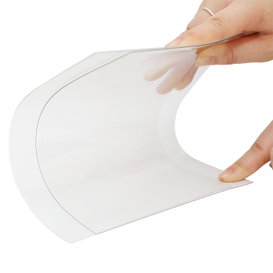
Acrylic remains the premier choice for both indoor and outdoor applications due to its unmatched optical clarity and natural UV stability.
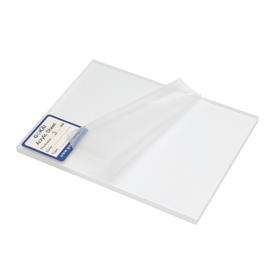
Unlike many other plastics, high-quality acrylic (especially Cell Cast Acrylic) is inherently resistant to UV light. At Gokai, our OEM acrylic sheets are formulated to maintain 90% of their light transmission even after 10 years of intense sun exposure.
| Feature | Performance Level | Why It Matters |
| Light Transmission | 92% (Clear) | Brighter than glass; perfect for backlit signs. |
| UV Resistance | Excellent | Won't yellow or turn brittle outdoors. |
| Weight | 50% of Glass | Easier to install and requires less heavy framing. |
| Surface Hardness | High | Resistant to minor scratches during cleaning. |

While acrylic is strong, Polycarbonate (PC) is the "heavy hitter" of the plastic world. It is virtually unbreakable.
Strength: Polycarbonate is roughly 250 times stronger than glass and 30 times stronger than acrylic.
The Weakness: Standard polycarbonate is highly susceptible to UV damage. Without a specialized UV-stabilized coating, it will turn yellow and "craze" (develop micro-cracks) within 2-3 years of outdoor use.
Expert Insight: If you are designing signage for a high-traffic urban area prone to vandalism, choose UV-protected Polycarbonate. For high-end retail branding where "pop" and gloss are required, Acrylic is the superior choice.

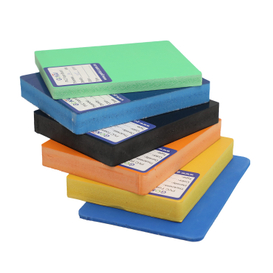
For temporary outdoor promotions or permanent indoor displays, PVC Foam Board (Expanded PVC) is an industry favorite.
Indoor: Menu boards, point-of-purchase (POP) displays, and directional signs.
Outdoor: Real estate "For Sale" signs or short-term event hoarding.
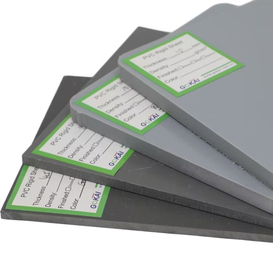
Technical Limitation: PVC has a lower heat distortion temperature. In direct summer sunlight, dark-colored PVC boards can absorb enough heat to warp or sag. Always specify white or light colors for outdoor PVC applications.
One of the most common mistakes in B2B signage procurement is ignoring the Coefficient of Linear Thermal Expansion (CLTE). Plastics expand much more than the metal frames holding them.
When installing a 2400mm acrylic sheet outdoors, the material can expand by as much as 3mm to 5mm between a cold night and a hot afternoon.
The Solution: Use oversized mounting holes and non-setting sealants. Never "pinch" the sheet tightly with bolts; allow it to "float" within the frame.

The industry is shifting toward the circular economy. At Gokai, we are seeing a 40% increase in inquiries for Recycled Acrylic (R-MMA).
R-MMA Performance: Modern chemical recycling allows recycled acrylic to match the purity and UV resistance of virgin material.
Brand Value: Using recycled substrates allows brands to claim "sustainable physical marketing," a key metric for ESG (Environmental, Social, and Governance) reporting.

| Material | Best For | Durability (Outdoor) | Cost Factor |
| Cast Acrylic | Luxury Backlit Signs | 10+ Years | Mid-High |
| Extruded Acrylic | High-volume OEM Parts | 5-8 Years | Moderate |
| Polycarbonate | Vandal-Prone Areas | 5-10 Years (UV Grade) | High |
| PVC Foam | Short-term/Directional | 1-3 Years | Low |
| ACM (Aluminium Composite) | Large Building Facades | 15+ Years | High |
A sign is only as good as its clarity. Incorrect cleaning can ruin a $5,000 installation in minutes.
NO Ammonia: Never use Windex or glass cleaners containing ammonia on acrylic or polycarbonate. It causes chemical stress cracking.
Mild Soap Only: Use lukewarm water with a drop of dish soap and a microfiber cloth.
Static Control: Plastics build up static. Use an anti-static ionized air gun or specialized sprays to prevent dust attraction during installation.
Choosing the right plastic is an exercise in balancing environment, longevity, and budget. As a global supplier, Gokai specializes in providing the specific grades of Acrylic and PVC required to meet international standards. Whether you need high-impact resistance for a stadium or high-gloss clarity for a flagship store, the material science must come first.
Ready to elevate your signage project?
Contact Gokai Today for OEM Plastic Sheet Samples and Technical Specifications.
Q1: Can I use standard Acrylic for outdoor signs without it yellowing?
Yes. High-quality Acrylic (PMMA) is naturally UV-stable. Unlike other plastics, it does not require an additional coating to prevent yellowing, making it the best long-term choice for sunny climates.
Q2: Is Polycarbonate better than Acrylic?
It depends on the priority. If you need impact resistance (unbreakable), Polycarbonate is better. If you need scratch resistance, clarity, and weatherability, Acrylic is superior.
Q3: Why did my outdoor PVC sign warp?
PVC expands and contracts with heat. If it was fastened too tightly to a frame or if it was a dark color that absorbed excessive solar heat, the internal stress caused it to warp.
Q4: How do I distinguish between Cast and Extruded Acrylic?
Cast acrylic is made in a mold, offering better chemical resistance and easier machining. Extruded acrylic is pushed through a die, making it more cost-effective for large production runs but slightly more prone to cracking during laser cutting.
Q5: Can these plastics be recycled?
Yes. Acrylic is 100% recyclable through chemical depolymerization, which returns it to its original monomer state (MMA), allowing it to be used again without loss of quality.
Acme Plastics: How to Choose the Right Plastic for Indoor vs. Outdoor Signage
British Plastics Federation (BPF): Polycarbonate (PC) Properties and Applications
International Association of Plastics Distribution (IAPD): Acrylic (PMMA) Technical Design Guide
ScienceDirect: UV Degradation and Stabilization of Polymers
Gokai Internal Data: [OEM Material Performance Reports 2026]