Shanghai Gokai Industry Co,.Ltd.
Call Us: +86-18918606548
Call Us: +86-18918606548
- Product Name
- Product Keyword
- Product Model
- Product Summary
- Product Description
- Multi Field Search
Views: 222 Author: Gokai Publish Time: 2026-04-12 Origin: Site


If you live or work in a noisy environment, a well‑designed acrylic sheet noise barrier can cut disturbing sounds by several decibels and dramatically improve comfort, focus, and sleep quality. As an OEM acrylic sheet supplier (Gokai), I'll walk you through how acrylic performs acoustically, how to design and install a DIY barrier correctly, and where it makes sense to use professional‑grade materials instead of trial‑and‑error. [acmeplastics]
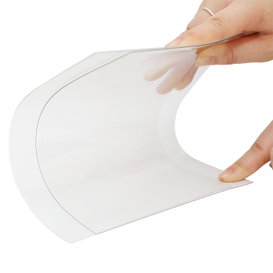
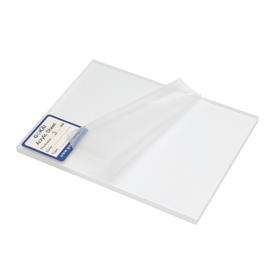
Acrylic noise barriers are rigid, transparent panels that block sound primarily by mass, rigidity, and airtight installation rather than by "absorbing" noise like soft foam. In practice, a correctly sized, well‑sealed acrylic window insert can reduce typical street or light traffic noise by roughly 8–10 dB, which people usually experience as close to "halving" the loudness. [acrylite]
From lab data on acrylic (PMMA), a 3.0 mm (1/8") sheet has an STC rating around 23, and thicker panels can achieve significantly higher sound loss values, especially when installed airtight. For context, a standard single‑pane window is often around STC 25, while many "sound‑rated" window systems fall in the STC 35–55 range. This means a properly built acrylic barrier is not "recording‑studio‑grade soundproofing," but it can noticeably cut airborne noise for home offices, bedrooms, and studios. [climateseal]

From a material supplier's standpoint, acrylic hits a sweet spot between performance, cost, and usability for DIY and light commercial barriers. Compared with glass or many plastics, it offers: [zakacoustics]
- High transparency (often up to about 92–93% light transmission), so you keep daylight and views. [ksacrylic]
- Good sound‑blocking when thickness and weight are matched to the noise problem. [plaskolite]
- Lower weight than glass, which makes DIY installation and handling far safer and easier. [acrylicitemsmaker]
- High impact resistance and durability, especially compared with ordinary glass in window inserts and balcony barriers. [acrylicitemsmaker]
- Excellent weather resistance, so exterior noise barriers (balconies, façades, road barriers) can stay clear and structurally sound for years. [zakacoustics]
For highway and bridge applications, transparent acrylic barriers are widely used along roads, rail corridors, and bridges to reduce traffic noise while maintaining visibility for drivers and nearby residents. In interior projects, the same principles scale down to windows, partitions, and small wall‑mounted shields around loud equipment. [acmeplastics]

Before cutting any sheet, it helps to understand what you're trying to block. Two key concepts dominate practical acoustic design: [indowwindows]
- Sound Transmission Class (STC): A single‑number rating that indicates how much sound a construction blocks across speech‑relevant frequencies. [indowwindows]
- Decibel (dB): A logarithmic unit of sound level; a 10 dB reduction is commonly perceived as roughly half as loud. [indowwindows]
In simple terms, heavier, thicker barriers block more sound across most frequencies, but real‑world performance is strongly affected by gaps and flanking paths (sound leaking around the barrier, through frames, and adjacent structures). Even small leaks around a window insert can dramatically reduce effective STC compared with lab values, which is why sealing and installation are just as important as material choice. [sinhaiplast]
Based on customer projects we see as a supplier, DIY acrylic barriers work especially well in these situations: [climateseal]
- Apartment or condo residents dealing with moderate traffic, voices, or construction noise.
- Remote workers who need quieter rooms for video calls, podcasts, or online teaching.
- Content creators recording voiceovers in untreated rooms.
- Home studios and music practice rooms where full professional soundproofing is not feasible.
Acrylic is less effective on very low‑frequency noise (e.g., heavy trucks, bass music, subways), where specialized multi‑layer systems, resilient mounting, and sometimes different materials are needed. Still, even in these cases, a well‑installed acrylic barrier can smooth out the most annoying high‑frequency components and make noise more tolerable. [sinhaiplast]
The original Acme Plastics guide offers a solid starter list for a window insert, and from a supplier perspective, we can refine it into a practical bill of materials. For a typical window project, you'll need: [acmeplastics]
- Acrylic sheet (plexiglass):
- Recommended thickness for windows: 6–10 mm (1/4"–3/8") for most home noise issues. [acrylite]
- Choose clear, UV‑stable sheet for exterior‑exposed installations. [ksacrylic]
- Felt strips or foam padding (about 3 mm / 1/8" thick) to cushion the panel and reduce vibration at the sill. [acmeplastics]
- Foam weather‑stripping with adhesive to create an airtight seal around edges. [climateseal]
- Acoustical tape or high‑density foam tape to seal remaining gaps between acrylic and frame. [climateseal]
- Mounting brackets or angle profiles if installing outside the frame or as a removable cover. [acmeplastics]
- Joiners or H‑profiles (optional) for combining multiple panels for extra‑large windows. [zakacoustics]
- Cleaning supplies, such as a 50:50 mix of isopropyl alcohol (IPA) and water for surface preparation. [acmeplastics]
From an OEM supplier like Gokai, you can source cut‑to‑size acrylic panels, pre‑drilled mounting holes, and even custom edge profiles, which reduces the risk of cracking or poor fit during a DIY build. [ksacrylic]

The Acme walkthrough provides a good baseline method; here we reorganize and expand it from a practitioner's perspective to reduce common mistakes. [youtube]
First decide whether your barrier sits inside the window frame (like an insert) or overlaps it on the wall. Then: [climateseal]
- For inside‑frame inserts, subtract about 6 mm (1/4") from each side so the panel can slide in without binding. [acmeplastics]
- For overlapping wall‑mounts, add about 25–38 mm (1–1.5") beyond the opening on each side to ensure full coverage and space for seals. [acmeplastics]
- Confirm depth: make sure there is enough interior reveal to accommodate both the glass and the acrylic insert without hitting blinds or handles. [climateseal]
You can cut acrylic yourself with proper tools, but from both safety and quality angles, factory cut‑to‑size panels are strongly recommended. Professional suppliers can provide accurate sizing, polished edges, and thickness recommendations tailored to your noise level and frame design. [plaskolite]
Sound control starts with adhesion and sealing quality. [climateseal]
- Remove dust, oil, and old caulk from the frame and adjacent drywall.
- Wipe with a 50:50 IPA and water solution to improve tape and sealant adhesion. [acmeplastics]
- Let surfaces dry completely before installing foam or acrylic.
This step separates a cosmetic DIY project from a genuinely effective acoustic insert. [youtube]
- Lay a continuous strip of felt or soft foam along the sill where the panel will rest to damp vibration. [acmeplastics]
- Apply adhesive foam weather‑stripping or acoustical tape around the perimeter where the acrylic will contact the frame or drywall, avoiding gaps at corners. [climateseal]
Choose one of these approaches, depending on how removable you want the barrier to be: [climateseal]
- Friction‑fit insert: Use foam strips on the back of the acrylic around sides and top; the panel presses snugly into the frame.
- Bracket‑supported panel: Install level brackets below the opening and possibly small clips at the top, anchored into studs or masonry if possible. [acmeplastics]
- Track or channel system: Use U‑channels on all four sides to guide the panel in and out, which is helpful for heavier sheets or large spans. [zakacoustics]
For wide or tall openings, splitting the barrier into two or more panels reduces weight and bowing. [plaskolite]
- Connect panels with transparent H‑profiles or mechanical joiners.
- Ensure joints are also sealed; otherwise you create a new flanking path. [sinhaiplast]
With seals and hardware ready, carefully place the acrylic panel: [acmeplastics]
- Keep protective film on as long as possible to avoid scratches.
- Set the bottom edge on the padded sill or bracket, then tilt into place.
- Check that the contact with seals is even along all sides; adjust brackets or foam thickness if needed. [youtube]
Once the panel is seated, look and listen for leaks. [youtube]
- Use acoustical tape, additional weather‑stripping, or low‑shrinkage sealant along visible gaps.
- Stand both inside and outside; have someone speak or play a constant noise source while you feel for air leaks and listen for weak spots.
If the result is not sufficient, typical expert‑level adjustments include: [sinhaiplast]
- Increasing acrylic thickness for better mass‑law performance.
- Adding a second acrylic layer with an air gap, effectively creating a double‑glazed system.
- Decoupling the panel slightly from the wall with resilient mounts for mid‑ to high‑frequency control.

A typical case we see involves a city apartment on a mid‑level floor, overlooking a busy street with cars and occasional motorcycles. The resident reports difficulty concentrating during calls, with noise primarily between 500–3000 Hz (speech and mid‑frequency traffic noise). [indowwindows]
By installing a 6–8 mm acrylic insert overlapping the window frame by about 30 mm on all sides, plus high‑quality perimeter seals, measured indoor sound levels during rush hour can drop by roughly 8–12 dB compared with the bare window, depending on existing glazing and building construction. This is often enough to move from "distracting" to "background," especially when combined with light interior treatments like curtains or bookshelves. [plaskolite]
From an acoustic and practical standpoint, acrylic is one of several options; the table below gives a simplified view used by many specifiers. [acrylite]
Common Noise‑Barrier Materials
| Material | Typical Use Case | Key Pros | Key Cons |
|---|---|---|---|
| Acrylic (PMMA) | Window inserts, transparent exterior walls (acrylite) | High clarity, good impact resistance, decent STC when thick (acrylite) | Rigid, needs very airtight installation (sinhaiplast) |
| Polycarbonate | Safety‑critical barriers, uneven frames (sinhaiplast) | Very high impact strength, tolerates some flexing (sinhaiplast) | Can scratch easier, may yellow if not UV‑stabilized (plaskolite) |
| Laminated glass | Premium windows, façades (plaskolite) | Excellent acoustic performance at higher thickness (plaskolite) | Heavy, harder for DIY, higher cost |
| Porous absorbers (foam, mineral wool) | Interior treatments, studios | Good for reducing reflections and reverberation | Do not block noise through a window by themselves |
For most homeowners who want a clear, removable barrier, acrylic remains a balanced choice: lighter than glass, more durable than many low‑cost plastics, and easier to source pre‑cut from OEM suppliers. [acrylicitemsmaker]

As an OEM supplier like Gokai, we see three decisions matter most for long‑term performance and customer satisfaction: [ksacrylic]
1. Thickness and panel size
- For small windows and moderate street noise, 4–6 mm can be sufficient, while larger spans or higher noise levels benefit from 8–10 mm panels. [acrylite]
- Oversized, thin panels tend to bow, opening gaps and reducing acoustic performance. [plaskolite]
2. Grade and surface quality
- UV‑stable, optical‑grade sheets keep clarity over time for outdoor barriers. [acrylicitemsmaker]
- For interior inserts, standard clear sheet often provides the best cost‑performance ratio. [acrylite]
3. Customization and fabrication
- Cut‑to‑size production reduces on‑site cutting risks and ensures cleaner edges that seal better. [zakacoustics]
- Optional CNC‑cut notches, corner radii, and pre‑drilled holes speed installation and lower DIY failure rates.
Working with an OEM that understands acoustic applications means you can discuss target noise levels, window sizes, and installation style, then choose a panel thickness and configuration engineered for that scenario rather than guessing. [ksacrylic]
Acrylic barriers are robust, but user education is critical for long‑term success. [acrylicitemsmaker]
- Safety and handling: Acrylic edges can be sharp if not polished; always handle with gloves and avoid aggressive cleaning agents that may cause crazing. [plaskolite]
- Cleaning and maintenance: Use mild soap and water or approved acrylic cleaners with soft cloths; avoid solvents and abrasives to preserve clarity. [acrylicitemsmaker]
- Realistic limits: Even a well‑executed DIY barrier will not fully eliminate low‑frequency rumble or structure‑borne noise; it is best positioned as a strong improvement, not absolute silence. [sinhaiplast]
Setting accurate expectations improves user satisfaction and reduces returns or complaints, which supports trust signals for your brand.
If you're ready to reduce noise without sacrificing daylight and views, a custom acrylic sheet noise barrier is one of the most flexible and cost‑effective options you can install yourself. As an OEM acrylic sheet supplier, Gokai can provide cut‑to‑size panels, thickness recommendations, and material options tailored to your window sizes, noise profile, and installation style, whether you're upgrading one bedroom or specifying dozens of panels for a commercial project. [zakacoustics]
Share your window dimensions, photos, and basic noise description with our team, and we'll help you choose the right acrylic grade, thickness, and mounting approach so your DIY project has professional‑level acoustic performance from day one. [ksacrylic]
1. Can an acrylic noise barrier completely soundproof my room?
No. Even thick, well‑sealed acrylic barriers will not fully eliminate all noise, especially low‑frequency rumble from heavy traffic or subwoofers. However, they can significantly reduce mid‑ and high‑frequency noise so that everyday sounds become much less intrusive. [indowwindows]
2. What acrylic thickness should I choose for my window barrier?
For most homes facing moderate street noise, 6–8 mm is a good starting point, while very noisy environments or large spans may benefit from 10 mm panels. Thicker panels generally block more sound but are heavier and may require stronger mounting hardware. [acrylite]
3. Will acrylic yellow or become cloudy over time?
High‑quality, UV‑stabilized acrylic sheets are designed to resist yellowing and maintain transparency for many years when used in outdoor or sun‑exposed locations. Regular cleaning with appropriate products also helps maintain clarity. [ksacrylic]
4. How much noise reduction can I realistically expect?
A well‑installed acrylic window insert can typically achieve around 8–10 dB of noise reduction for common urban noise sources, depending on the existing window and building construction. Users generally perceive this as a substantial improvement, though not absolute silence. [indowwindows]
5. Is acrylic better than polycarbonate for noise barriers?
Acrylic offers excellent clarity, good stiffness, and stable acoustic performance when installed airtight, making it ideal for many window and façade applications. Polycarbonate is more impact‑resistant and flexible, which can be useful on uneven frames, but it may scratch more easily and requires UV‑stable grades to prevent long‑term yellowing. [sinhaiplast]
- Acme Plastics – "How to Lower Noise with a DIY Acrylic Noise Barrier" (DIY guide and installation steps).
https://www.acmeplastics.com/content/how-to-lower-noise-with-a-diy-acrylic-noise-barrier/ [acmeplastics]
- ACRYLITE – "Sound Transmission Coefficient (STC) rating for acrylic" (STC data vs. thickness).
https://www.acrylite.co/resources/knowledge-base/article/what-is-the-sound-transmission-coefficient-stc-rating-for-your-material [acrylite]
- Plaskolite – "ACOUSTIC – OPTIX sheet sound transmission" (noise‑reduction tables and acoustic behavior).
https://plaskolite.com/docs/default-source/pds/pds422_opx_sound_trans_eu.pdf [plaskolite]
- Indow – "What is STC Rating?" (STC ranges and perception of noise reduction).
https://indowwindows.com/resources/stc-rating [indowwindows]
- Climate Seal – "Using Acrylic Window Inserts to Reduce Noise Pollution" (use cases and practical performance).
https://www.climateseal.com/acrylic-window-reduce-noise-pollution/ [climateseal]
- SinHai Plast / other acrylic suppliers – "Acrylic vs Polycarbonate for Soundproofing" (material comparison and installation effects).
https://www.sinhaiplast.com/blog/acrylic-vs-polycarbonate-for-soundproofing-which-is-better [sinhaiplast]
- Kingsign / Jiayuan – "Noise Barrier Acrylic Sheet" (properties, light transmission, and applications).
https://www.ksacrylic.com/noise-barrier-acrylic-sheet.html
http://acrylicitemsmaker.com/5-noise-barrier.html [acrylicitemsmaker]
- ZAK Acoustics – "Acrylic Sheet Noise Barrier Manufacturer and Supplier" (highway barrier use cases).
https://www.zakacoustics.com/acrylic-sheet-noise-barrier/ [zakacoustics]
- Example DIY and improvement videos for window noise inserts (installation pitfalls and fixes).
https://www.youtube.com/watch?v=jr3WO_CBj7c
https://www.youtube.com/watch?v=gvq9wBy6lGE [youtube]