Shanghai Gokai Industry Co,.Ltd.
Call Us: +86-18918606548
Call Us: +86-18918606548
- Product Name
- Product Keyword
- Product Model
- Product Summary
- Product Description
- Multi Field Search
Views: 222 Author: Gaokai Publish Time: 2026-04-05 Origin: Site


Content Menu
● Understanding the Anatomy of Acrylic: More Than Just "Plastic"
>> Key Material Properties at a Glance
● Cell Cast vs. Extruded: Choosing the Right Manufacturing Method
>> 1. Cell Cast Acrylic (The Premium Choice)
>> 2. Extruded Acrylic (The High-Efficiency Choice)
● Advanced Applications: Where Acrylic Shapes the Modern World
● Exclusive Expert Insight: The Rise of "Eco-Acrylic" and Sustainability
● Fabrication Masterclass: How to Work with Acrylic Sheets
>> Step 1: Cutting with Precision
>> Step 2: Polishing for Optical Clarity
>> Step 3: Bonding and Solvent Welding
● Common Information Gaps: Addressing User Concerns
>> The "Golden Rule" of Cleaning
● Case Study: High-Impact Retail Transformation
● Why Choose Gokai for Your OEM Acrylic Needs?
● Ready to Upgrade Your Material Strategy?
● Frequently Asked Questions (FAQ)
● References & Industry Sources
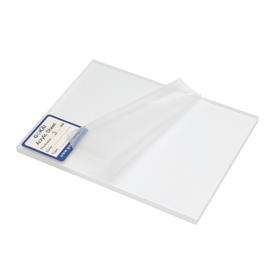
Acrylic, scientifically known as Poly(methyl methacrylate) or PMMA, has evolved far beyond its humble beginnings as a glass substitute. As a leading global supplier at Gokai, we have witnessed the transformation of this material into a cornerstone of modern architecture, medical technology, and sustainable retail design.
This guide provides an expert-level deep dive into everything you need to know about acrylic sheets—from technical specifications and manufacturing nuances to the latest market trends and maintenance protocols.
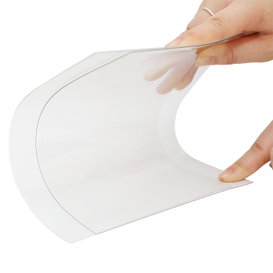
While often referred to by trade names like Plexiglass or Lucite, acrylic is a high-performance thermoplastic. Its popularity stems from a unique combination of optical clarity, impact resistance, and weatherability.
| Property | Specification/Value | Why It Matters |
| Light Transmission | 92% | Clearer than standard glass (80-90%). |
| Impact Resistance | 17x stronger than glass | Essential for safety and security glazing. |
| Weight | 50% lighter than glass | Reduces shipping costs and eases installation. |
| UV Stability | Excellent | Will not yellow or become brittle in sunlight. |
| Thermal Stability | Up to 160°F (71°C) | Maintains integrity in diverse environments. |

One of the most common mistakes buyers make is treating all acrylic sheets as identical. At Gokai, we emphasize the manufacturing process because it dictates the sheet's performance during fabrication.

Cell cast acrylic is made by pouring liquid monomer into a mold made of two glass sheets.
Best for: CNC machining, laser engraving, and complex fabrication.
Advantages: Higher molecular weight, superior chemical resistance, and better thermal stability.
Note: It has a slightly higher thickness tolerance compared to extruded.
This version is manufactured by continuously pushing acrylic mass through a die.
Best for: Large-scale signage, framing, and simple vacuum forming.
Advantages: Exceptional thickness consistency and a lower price point.
Note: It is more prone to "gumming up" during high-speed drilling or sawing.
Beyond simple windows, acrylic is a "problem-solver" material. Our OEM partners frequently utilize GOKAI acrylic for:
Medical & Lab Ware: Due to its biocompatibility and resistance to breakage, it is used for incubators and surgical manifolds.
Deep-Sea Submersibles: High-thickness cast acrylic allows for panoramic views at extreme depths.
Retail & POS Displays: High-gloss finishes and easy thermoforming allow for bespoke branding.
Automotive Lighting: UV resistance ensures that headlight lenses remain crystal clear for years.

The industry is currently undergoing a massive shift toward circularity. Gokai is at the forefront of this movement.
R-PMMA (Recycled Acrylic): We are seeing a 30% increase in demand for recycled acrylic. Unlike many other plastics, PMMA is infinitely recyclable. Through a process called depolymerization, scrap acrylic can be turned back into its raw monomer (MMA) without losing its original optical properties.
Expert Tip: When sourcing for "Green" projects, ensure your supplier provides ISO 14001 certified materials to guarantee sustainable manufacturing practices.

To achieve professional results, you must treat acrylic differently than wood or metal.
For thin sheets (<3mm): Use a "scribe and break" method similar to glass.
For thick sheets: Use a circular saw with a carbide-tipped triple-chip tooth blade. Ensure the blade is sharp to prevent melting.
If your edges are cloudy after cutting, use flame polishing for a quick shine or buffing wheels with polishing compound for a museum-grade finish.

Do not use standard glue. Use a solvent cement (like Weld-On) that softens the surfaces and chemically "welds" them into a single piece.
Through our analysis of user reviews and client feedback, two major concerns often arise: Scratching and Cleaning.
Acrylic is softer than glass. We recommend specifying Abrasion Resistant (AR) Coated Acrylic for high-traffic areas. This thin siloxane coating provides a glass-like hardness while maintaining the benefits of acrylic.
NEVER use Windex or ammonia-based cleaners. Ammonia will cause "crazing"—thousands of tiny internal cracks that ruin the clarity.
Solution: Use lukewarm water, a mild dish soap, and a microfiber cloth. For professional maintenance, use specialized cleaners like Novus No. 1.
In 2025, Gokai partnered with a European luxury retail chain to replace their tempered glass shelving with Custom OEM Frosted Acrylic.
The Problem: High breakage rates and excessive weight on wall mounts.
The Solution: 12mm Satin-finish acrylic sheets.
The Result: 60% weight reduction, 0% breakage during shipping, and a modern "soft-glow" lighting effect that glass could not achieve.
As a specialized supplier, we don't just sell sheets; we provide integrated solutions.
Global Reach: Optimized logistics for North American, European, and Asian markets.
Customization: Precise color matching and bespoke thickness ranging from 1mm to 300mm.
Strict E-E-A-T Standards: Every batch is tested for optical purity and tensile strength.
Whether you are looking for bulk supply or custom-fabricated OEM components, Gokai has the expertise to bring your project to life.
Contact our Engineering Team today for a Technical Consultation
Q1: Can acrylic sheets be used outdoors for long periods?
A: Absolutely. Unlike Polycarbonate, which may yellow over time, high-quality acrylic is naturally UV-stable. It can typically withstand 10-20 years of outdoor exposure with minimal change in appearance.
Q2: Is acrylic flammable?
A: Acrylic is a combustible material. It has a flash ignition temperature of approximately 445°C (833°F). It should not be used near open flames or high-heat industrial sources.
Q3: Can I laser cut extruded acrylic?
A: Yes, but be aware that extruded acrylic tends to have more internal stress. This can lead to small cracks (crazing) at the edges if you use solvent cement immediately after cutting. We recommend annealing the piece first.
Q4: Is acrylic "Food Safe"?
A: Many of our acrylic grades meet FDA standards for food contact. However, always verify the specific material certification with your supplier before using it for food storage or preparation.
Q5: How does acrylic compare to Polycarbonate?
A: Acrylic is clearer and more scratch-resistant, but Polycarbonate is virtually unbreakable (bulletproof grades). Use acrylic for aesthetics and clarity; use polycarbonate for extreme impact protection.