Shanghai Gokai Industry Co,.Ltd.
Call Us: +86-18918606548
Call Us: +86-18918606548
- Product Name
- Product Keyword
- Product Model
- Product Summary
- Product Description
- Multi Field Search
Views: 232 Author: Gokai Publish Time: 2026-07-12 Origin: Site


Content Menu
● Understanding How Environment Shapes Sign Performance
● Core Factors to Evaluate Before You Pick a Plastic
● Best Plastics for Indoor Signage
>> Acrylic Sheet for Premium Indoor Signs
>> Expanded Foam PVC and Other Lightweight Boards
>> Other Indoor‑Focused Plastics
● Best Plastics for Outdoor Signage
>> Polycarbonate for High‑Impact and Harsh Conditions
>> HDPE and Other Durable Plastics
>> Where Acrylic Sheet Fits Outdoors
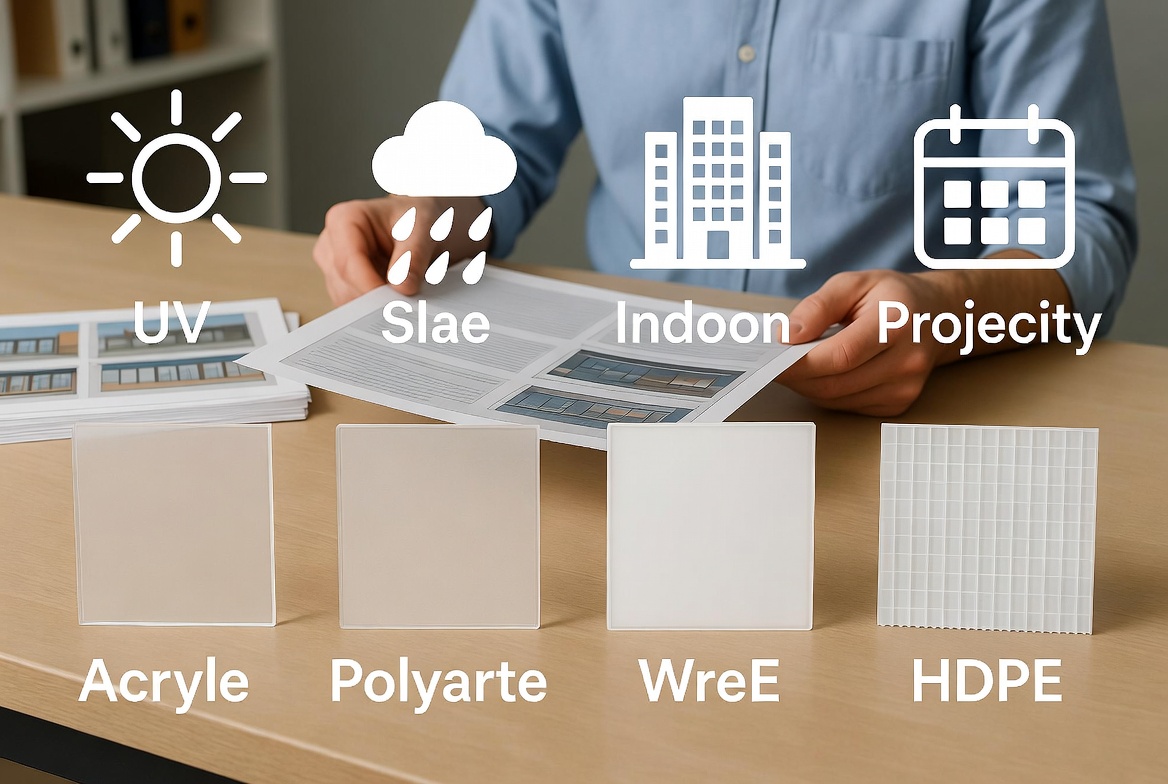
>> Overview of Common Sign Plastics
● Matching Material to Mounting and Display Methods
● Practical Maintenance and Longevity Tips
● How a Specialized Acrylic Sheet Supplier Can Help
● Indoor vs. Outdoor Signage: Quick Decision Checklist
● FAQs
When I advise brand and facility teams on sign materials, I always start with one simple question: where will the sign live day‑to‑day. Indoor and outdoor environments stress plastics in very different ways, and matching material to environment is the single biggest factor in how long your signage looks clean, safe, and on‑brand. [printingservices.vanderbilt]
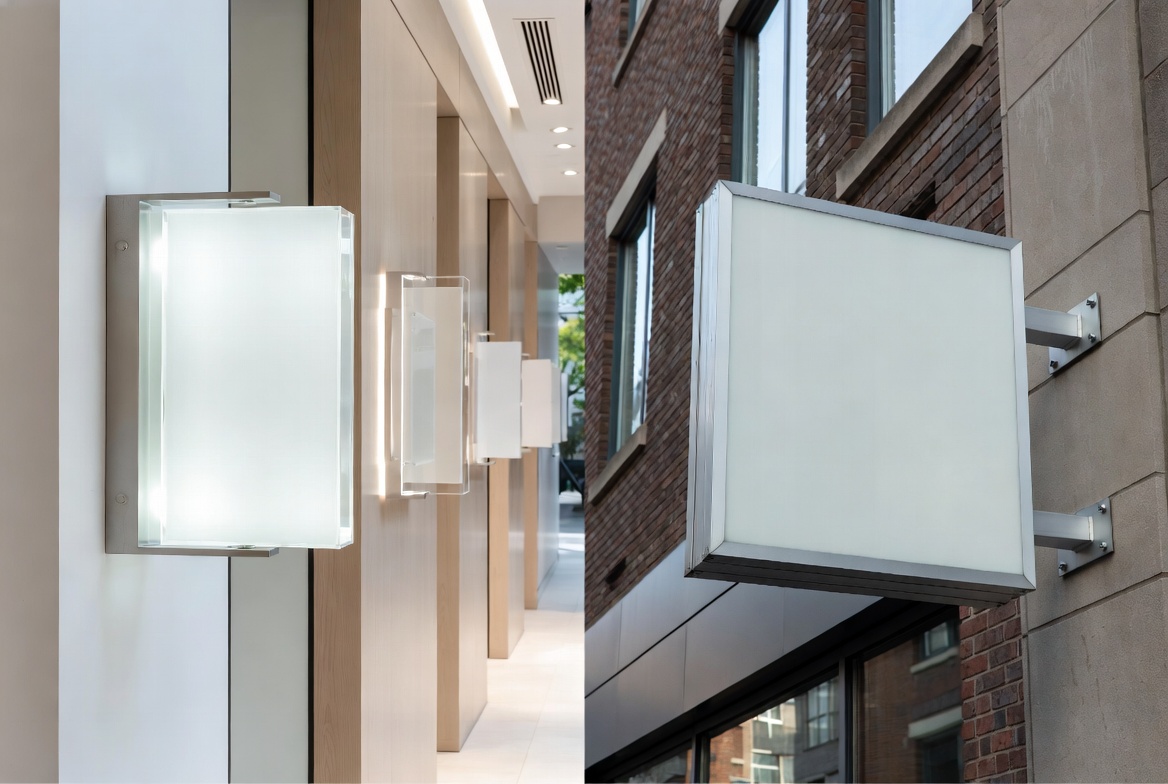
Indoor signage typically focuses on clarity, aesthetics, and seamless integration with interior design, while outdoor signage must survive UV exposure, moisture, wind, impact, and temperature swings over many years. Understanding this divide is the key to choosing between acrylic sheet, PVC, polycarbonate, HDPE, and other common substrates. [signsbcs]

Before you lock in a material, walk through a short checklist of practical constraints. [printingservices.vanderbilt]
- Expected lifespan (temporary campaign, seasonal, or multi‑year installation). [signsbcs]
- Location and exposure (fully indoor, semi‑covered outdoor, or fully exposed to sun and rain). [acmeplastics]
- Mounting style and weight limits (wall‑mounted, ceiling‑hung, freestanding, or post‑mounted). [acmeplastics]
- Visual finish and brand requirements (glass‑like clarity, matte, textured, or opaque color panels). [impactsigns]
- Budget and replacement tolerance (low‑cost short‑term vs. higher upfront cost for very long service life). [signsbcs]
If you document these factors for each project, you'll make faster, more consistent substrate decisions and avoid expensive re‑prints or premature failures. [youtube]
Indoor applications give you more freedom to emphasize aesthetics, print quality, and branding details because materials are protected from harsh weather and UV radiation. [printingservices.vanderbilt]
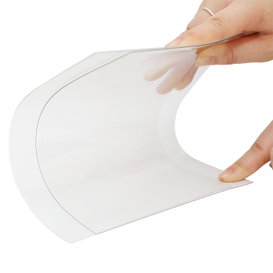
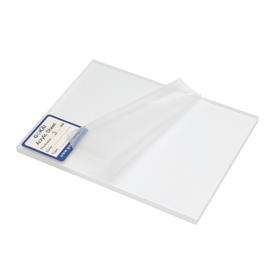
For clients who want a clean, modern, glass‑like look without the weight and shatter risk of real glass, acrylic sheet is usually my first recommendation. [impactsigns]
Key advantages indoors include:
- High optical clarity and a polished, professional finish suitable for wayfinding, corporate identity walls, and retail displays. [acmeplastics]
- Strong compatibility with printing, engraving, laser cutting, and backlit or edge‑lit signage, which makes it ideal for illuminated logos and menu boards. [impactsigns]
- Good impact resistance compared with glass, with a significantly lower risk of shattering into dangerous shards in public spaces. [signsbcs]
Because indoor environments minimize UV stress and temperature swings, acrylic panels maintain their gloss and color for many years with simple cleaning and occasional inspection. [acmeplastics]
Typical indoor use cases include reception signs, branded display panels, LED light boxes, menu boards, and interior directional signage. [impactsigns]
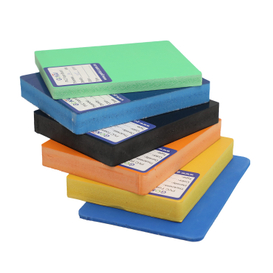
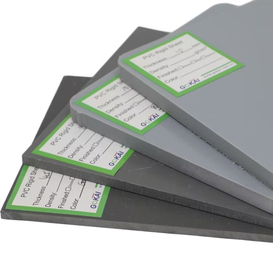
When the priority is light weight and easy handling, expanded foam PVC and similar boards are widely used for indoor signs in retail, exhibitions, and temporary promotions. [printingservices.vanderbilt]
These substrates offer:
- Low weight and rigid structure that's easy to mount with simple hardware or adhesives. [printingservices.vanderbilt]
- Smooth printable surfaces that work well with direct digital printing and screen printing. [acmeplastics]
- Good impact resistance for everyday indoor use, especially in lower‑traffic zones. [printingservices.vanderbilt]
Compared with acrylic, foam PVC trades some premium visual impact for cost savings and easier installation, making it a strong option for interior campaigns that change frequently. [acmeplastics]
For price‑sensitive or highly temporary indoor signage, substrates such as foam core, gator board, polystyrene, and rigid paperboard are often used in menu boards, posters, and point‑of‑purchase displays. These materials are not built for long‑term exposure to moisture or heavy handling but can be very effective when their limitations are understood and respected. [printingservices.vanderbilt]
Outdoor signage brings a different engineering challenge: materials must resist UV, rain, wind, and physical impact while staying readable and structurally safe. [youtube]
When impact resistance and safety are critical, polycarbonate is the material many facility managers and sign shops turn to. [zigosign]
Advantages in outdoor settings include:
- Exceptional impact strength, far higher than standard acrylic sheet, making it suitable for high‑risk locations such as transportation hubs or industrial sites. [zigosign]
- High transparency suitable for backlit signs, protective panels, and channel letter faces. [zigosign]
- Options for UV‑stabilized grades that can endure demanding sun exposure when specified correctly. [zigosign]
Polycarbonate typically commands a higher material cost but can dramatically reduce breakage and replacement frequency over the life of the installation. [zigosign]
High‑density polyethylene (HDPE) is a sturdy, long‑lasting plastic used for certain outdoor sign applications where routing and custom shapes are required. It combines low maintenance, resistance to moisture, and an ability to hold up under frequent handling, which is useful for movable freestanding signs and site boards. [signsbcs]
Corrugated polypropylene (often sold as Coroplast) remains a go‑to choice for yard signs, short‑term event signage, and temporary construction notices because it is lightweight, economical, and weather‑resistant enough for seasonal campaigns. [youtube]
Modern acrylic sheet, produced with UV‑resistant formulations and proper installation, can serve reliably in many outdoor sign scenarios where a polished appearance is as important as durability. [impactsigns]
In practice, acrylic is often selected for:
- Storefront signs and architectural panels that require a sleek, glass‑like aesthetic. [signsbcs]
- LED and backlit signs that depend on controlled light transmission through clear or opal sheets. [impactsigns]
- Exterior office branding where moderate UV exposure is expected and maintenance routines are in place. [signsbcs]
The trade‑off is that acrylic is more prone to surface scratching than polycarbonate and may require periodic polishing or replacement in environments with abrasive cleaning or airborne debris. [impactsigns]
| Material | Typical Use Location | Key Strengths | Key Limitations |
|---|---|---|---|
| Acrylic sheet | Indoor / semi‑outdoor | Glass‑like clarity, good durability, premium look. (acmeplastics) | Surface scratching, moderate impact resistance. (acmeplastics) |
| Expanded foam PVC | Indoor / short‑term outdoor | Lightweight, easy to print, cost‑effective. (acmeplastics) | Limited long‑term outdoor durability. (acmeplastics) |
| Polycarbonate | Demanding outdoor | Exceptional impact resistance, transparent, UV‑stable grades. (acmeplastics) | Higher cost, may yellow without proper UV grades. (zigosign) |
| HDPE | Outdoor, movable signs | Sturdy, low maintenance, routable for custom shapes. (acmeplastics) | Less premium appearance, limited clarity. (signsbcs) |
| Corrugated plastic | Short‑term outdoor | Very lightweight, economical, weather‑resistant for campaigns. (youtube) | Not intended for multi‑year installations. (signsbcs) |
How you plan to mount and display a sign should strongly influence which plastic you choose and how thick it needs to be. [acmeplastics]
For wall‑mounted panels and channel letters, materials like acrylic, polycarbonate, and aluminum composite deliver a clean, rigid face that holds hardware securely. Smaller indoor signs can be mounted with studs, screws, or adhesives, while larger outdoor panels might require structural backplates or framed systems to manage wind load. [impactsigns]
Freestanding signs and movable displays benefit from lightweight, tough materials such as HDPE, corrugated plastic, or foam PVC, which keep total weight manageable while staying stable under normal handling. For ceiling‑hung or suspended signs, pay attention to weight and rigidity: thinner acrylic or PVC sheets can deliver a sleek look but may need reinforcement or framing to prevent bowing over time. [youtube]
Plastic signage is generally low maintenance, but a few simple practices dramatically extend service life and keep surfaces readable. [signsbcs]
1. Clean regularly with non‑abrasive cloths and mild detergents, avoiding harsh chemicals that can haze or crack plastic surfaces. [zigosign]
2. Schedule visual inspections to catch cracks, impact damage, or hardware corrosion before failure occurs. [printingservices.vanderbilt]
3. Specify UV‑resistant grades and compatible coatings for outdoor installations, especially in high‑sun regions. [georgeandwilly]
4. Consider protective overlays or anti‑scratch films for high‑traffic zones where contact is frequent. [acmeplastics]
With these practices, most indoor plastic signage can last many years, and outdoor signs built with robust materials like acrylic sheet, polycarbonate, or aluminum composite can maintain legibility and structure across long campaigns. [signsbcs]
Working with a dedicated supplier that focuses on acrylic sheet and related plastic boards simplifies the entire process of choosing and fabricating sign materials for both indoor and outdoor projects. [kapoorplastics]
Experienced teams provide:
- Guidance on thickness, grades, and finishes for specific sign locations and lifespans. [flacrylic]
- OEM and custom fabrication services, including cutting, routing, polishing, and pre‑drilled mounting holes tailored to your design. [kapoorplastics]
- Consistent material quality across large orders, which is critical for chain retailers, multi‑site facilities, and international campaigns. [flacrylic]
For brands and manufacturers building signage programs across multiple countries and climates, partnering with such a supplier makes it easier to standardize acrylic sheet and companion plastics while still adapting to local environmental demands. [kapoorplastics]
When you're planning a new sign, use this simplified matrix as a working tool. [printingservices.vanderbilt]
- If you need a premium glass‑like appearance indoors: prioritize acrylic sheet. [impactsigns]
- If you require maximum impact resistance outdoors: select polycarbonate or aluminum composite with appropriate coatings. [zigosign]
- If the project is short‑term and budget‑sensitive: consider expanded PVC or corrugated plastic in suitable thicknesses. [youtube]
- If signs must be lightweight and frequently moved: use HDPE or foam PVC for freestanding and portable signs. [acmeplastics]
Keeping this logic visible in your design workflow ensures that material choice supports both visual goals and real‑world performance over time. [signsbcs]
1. Can acrylic sheet be used safely for outdoor signs in high‑sun regions?
Yes, modern acrylic sheet grades with UV‑resistant formulations and proper mounting can perform reliably outdoors, especially for storefronts and backlit panels, though periodic inspection is still recommended. [kapoorplastics]
2. When should I choose polycarbonate instead of acrylic sheet?
Polycarbonate is preferable when impact resistance and safety are top priorities, such as in transit hubs, industrial sites, or locations exposed to vandalism or airborne debris. [zigosign]
3. Are lightweight foam PVC boards suitable for long‑term exterior signage?
Foam PVC can handle short‑term outdoor use but is better reserved for indoor or semi‑covered applications when long service life is expected. [printingservices.vanderbilt]
4. What materials work best for temporary campaign signage?
Corrugated plastic and foam PVC are widely used for temporary campaigns because they combine low cost, easy printing, and sufficient durability for short‑term exposure. [youtube]
5. How often should outdoor plastic signage be inspected?
As a practical guideline, most facilities benefit from scheduled inspections at least once or twice per year to catch cracking, hardware fatigue, or surface wear before they impact readability or safety. [zigosign]
1. Acme Plastics – How to Choose the Right Plastic for Indoor vs. Outdoor Signage https://www.acmeplastics.com/content/how-to-choose-the-right-plastic-for-indoor-vs-outdoor-signage/
2. Vanderbilt University Printing Services – Choosing the Right Sign Material https://printingservices.vanderbilt.edu/choosing-the-right-sign-material/
3. Signs BCS – Top Materials for Long-Lasting Outdoor Signs https://www.signsbcs.com/post/top-materials-for-long-lasting-outdoor-signs
4. Impact Signs – Top 9 Durable Materials for Outdoor Signs https://www.impactsigns.com/outdoor-sign-material/
5. Kapoor Plastics – Acrylic Sheets Guide: Types, Uses & More https://www.kapoorplastics.com/blog/acrylic-sheets-guide/
6. FL Acrylic – Plastics for Indoor and Outdoor Signage https://flacrylic.com/plastics-for-indoor-and-outdoor-signage/
7. Zigo Sign – Best Materials & Coatings for Durable Outdoor Signage https://www.zigosign.com/blog/how-to-ensure-durability-of-outdoor-signage
8. George & Willy – Best Material for Outdoor Signs in 2026: A Complete Guide https://www.georgeandwilly.com/blogs/blog/best-material-for-outdoor-signs-guide
9. On Display Signs – Choosing the Best Material for Outdoor Signs https://www.ondisplaysigns.com/best-material-for-outdoor-signs/
10. YouTube – What Materials Should You Choose for Outdoor Signage? https://www.youtube.com/watch?v=eMNA52PanWg