Shanghai Gokai Industry Co,.Ltd.
Call Us: +86-18918606548
Call Us: +86-18918606548
- Product Name
- Product Keyword
- Product Model
- Product Summary
- Product Description
- Multi Field Search
Views: 217 Author: Gokai Publish Time: 2026-07-04 Origin: Site


Content Menu
● HDPE vs. PP: Key Material Differences
>> HDPE vs. PP Performance Overview
● How Professionals Distinguish HDPE from PP
● When HDPE Is the Better Choice
● When PP Is the Better Choice
● What Makes PP Hollow Sheet Unique?
● PP Hollow Sheet Applications Across Industries
● PP Hollow Sheet vs. HDPE Solutions
● OEM Considerations for Global Buyers
● Practical Steps to Choose Between HDPE and PP (Including PP Hollow Sheet)
● Why Partner With a Specialized PP Hollow Sheet OEM
● Call to Action: Align Your Material Strategy With PP Hollow Sheet Expertise
● FAQs
HDPE and PP are both widely used, durable thermoplastics, but PP's unique balance of lightweight strength, chemical resistance, and processability makes it especially suitable for OEM applications such as PP hollow sheet (PP corrugated plastic sheet) in packaging, construction, and industrial logistics. For global buyers and engineers, understanding these differences is critical to choosing the right material and the right manufacturing partner for long‑term performance. [archivemarketresearch]
HDPE (high‑density polyethylene) is a tough, relatively rigid thermoplastic known for its high impact strength, resistance to mold and corrosion, and ability to carry heavy loads without deforming. PP (polypropylene) is also a thermoplastic polymer, but it offers lower density, higher melting point, and excellent chemical resistance, making it ideal for lighter molded parts and applications that face elevated temperatures. Both materials can be heated, shaped, cooled, and reshaped repeatedly while maintaining their fundamental properties, which is why they dominate many industrial and consumer applications. [ogzmachine]

From an engineering and procurement perspective, HDPE and PP differ primarily in density, temperature performance, and UV behavior. HDPE is denser, harder, and more stable, excelling in high‑load, high‑impact contexts such as heavy liquid containers, structural components, and outdoor tanks. PP, by comparison, is lighter and more flexible, with a higher melting point and strong resistance to many bases and acids, which favors applications like reusable containers, automotive parts, textiles, and hollow extruded sheets. [waterpipefactory]
| Property / Aspect | HDPE | PP (Polypropylene) |
|---|---|---|
| Density & weight | Higher density, heavier parts. (archivemarketresearch) | Lower density, lighter parts. (archivemarketresearch) |
| Impact & load resistance | Very high impact strength and load capacity. (archivemarketresearch) | Good impact resistance, better flex fatigue. (ogzmachine) |
| Melting point / heat | Lower melting point, good for many ambient uses. (archivemarketresearch) | Higher melting point, better for hot liquids and elevated temperatures. (archivemarketresearch) |
| Chemical resistance | Strong resistance, particularly to aggressive acids/bases. (ogzmachine) | Broad chemical resistance, ideal for long‑term contact with cleaners, acids, bases. (archivemarketresearch) |
| UV resistance | Good natural UV resistance. (archivemarketresearch) | Needs stabilization via additives for outdoor use. (archivemarketresearch) |
| Recyclability | Widely recycled, high recycling rates. (ogzmachine) | Recyclable, increasingly used in closed‑loop packaging. (archivemarketresearch) |
| Typical processing | Blow molding, extrusion, thermoforming. (archivemarketresearch) | Injection molding, extrusion (including hollow sheets). (archivemarketresearch) |
In real‑world operations, mixed material streams or legacy parts can make quick identification necessary. Professionals often rely on combining documentation checks with practical tests rather than guesswork. Visually, both can appear similar, but under a simple flame test, HDPE usually smells like melted candle wax, while PP gives a petroleum or "dirty engine" smell with wax undertones, reflecting its additives and molecular structure. In practice, responsible manufacturers perform identification with material certification, spectroscopic methods, and batch traceability, and the flame test is treated as a last‑resort field indicator, not a formal lab method. [archivemarketresearch]
From an engineer's standpoint, HDPE is the preferred option when impact, structural integrity, and long‑term outdoor performance are the primary constraints. Typical HDPE use cases include: [readyplastics]
- Liquid containers and tanks (e.g., water jugs, chemical tanks, drums) where thin walls must withstand internal pressure and handling shocks. [ogzmachine]
- Sanitation and construction components, such as boards, liners, and corrosion‑resistant parts that face moisture, mold, and rough installation conditions. [archivemarketresearch]
- Reusable transport packaging (crates, pallets) that require rigidity and high load capacity under repeated use. [waterpipefactory]
In these scenarios, buyers typically prioritize dimensional stability under load, environmental and chemical resistance, and proven recycling streams, all of which align naturally with HDPE. [readyplastics]
PP becomes the obvious choice for lighter parts, higher operating temperatures, and complex shapes. Engineers and buyers choose PP where weight reduction, fine molding detail, and chemical cleaning cycles matter more than extreme impact loads. Common PP applications include: [ogzmachine]
- Automotive components (interior panels, functional trim, battery separators), where weight savings and heat resistance deliver fuel efficiency and durability. [derflex]
- Food containers and household products that must survive hot liquids, dishwashing cycles, and long exposure to detergents. [waterpipefactory]
- Textiles and ropes, leveraging PP fibers for light weight, strength, and resistance to moisture and many chemicals. [archivemarketresearch]
In a B2B context, PP is often chosen to balance mechanical performance with manufacturability, allowing OEM suppliers to design cost‑effective, complex geometries at scale. [ogzmachine]
PP hollow sheet (also called PP hollow board, PP corrugated sheet, or double‑wall polypropylene sheet) is produced by extruding PP into a lattice or grid‑structured sheet, creating a lightweight yet surprisingly strong material. The hollow core gives PP hollow sheet excellent impact resistance, shock absorption, moisture resistance, and sound/thermal insulation, while keeping material consumption and weight low. [sdgreenplastic]
From a practical standpoint, PP hollow sheet offers a combination of properties that traditional cardboard or solid plastic boards struggle to match:
- Lightweight and cost‑efficient: Less resin is required to achieve comparable stiffness, reducing material cost and logistics expenses. [plasticsheet-china]
- Waterproof and dust‑proof: Unlike paper‑based solutions, PP hollow sheet resists moisture, dust, and most common chemicals, making it suitable for demanding industrial environments. [derflex]
These characteristics explain why PP hollow sheet has become a trend in modern packaging and industrial turnover systems, especially where reusable and recyclable packaging is a strategic priority. [sdgreenplastic]
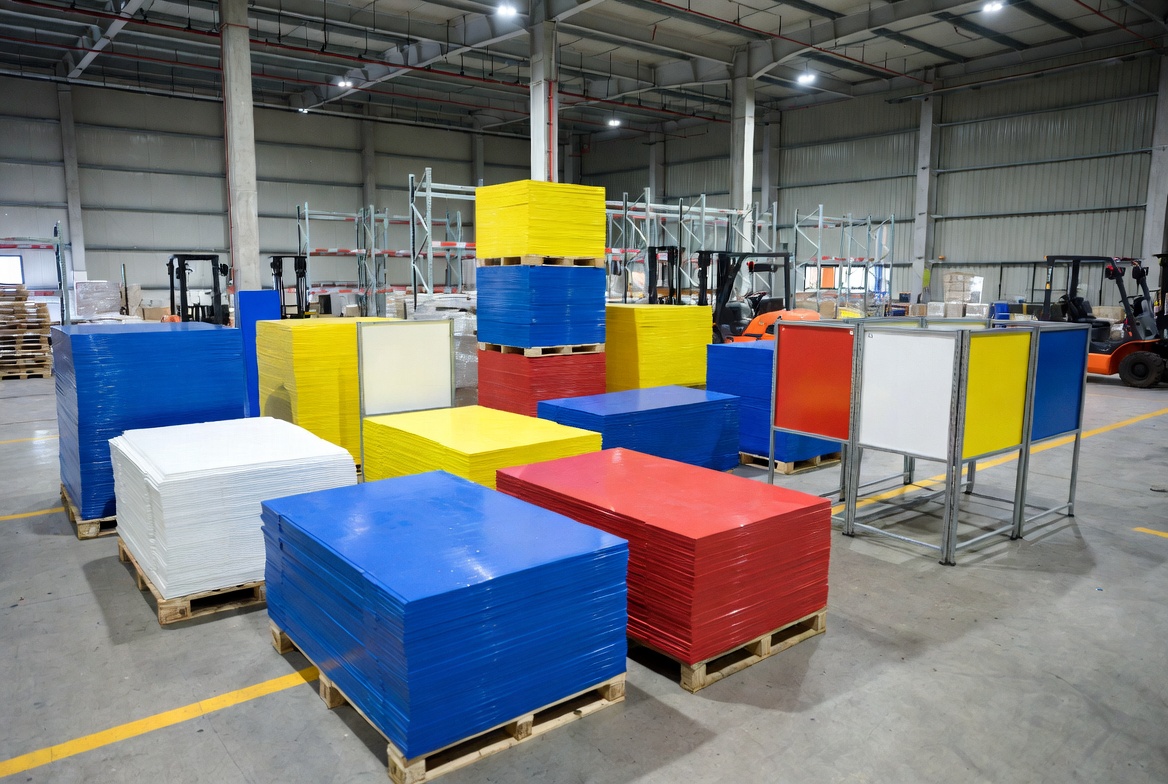
Global demand for PP hollow sheet has grown steadily across packaging, construction, automotive, agriculture, and advertising. Industry data shows the PP hollow sheet market reaching around USD 1.8–1.9 billion in the mid‑2020s, with projected CAGR around 4.1% through 2030, driven by packaging and construction needs, particularly in Asia‑Pacific manufacturing hubs. [plasticsheet-china]
Key application segments include:
- Industrial packaging and turnover boxes: Used for hardware, electronics, precision machinery, food and medicine, clothing, and auto parts, where reusable, stackable boxes protect components and optimize warehouse space. [derflex]
- Advertising and signage: PP hollow boards are widely used for display boxes, billboards, and temporary signage because they are lightweight, printable, and weather‑resistant. [plasticsheet-china]
- Construction and agriculture: Sheets and panels serve as temporary barriers, greenhouse roofing, and protective liners, leveraging their corrosion resistance, insulation, and easy handling. [sdgreenplastic]
For buyers managing complex, international supply chains, PP hollow sheet provides a proven, versatile platform that can be tailored in thickness, color, conductivity, and anti‑static performance to match specific industry requirements. [plasticsheet-china]
In many projects, the material decision is not simply "PP or HDPE" but "PP hollow sheet vs. HDPE board, crate, or film." PP hollow sheet is typically selected when lightweight structure, custom internal design, and recyclability of multi‑use packaging are crucial. HDPE solutions are chosen where solid wall strength, extreme impact performance, or specialized tank applications dominate. [readyplastics]
For example:
- A precision electronics factory might switch from one‑way cardboard to PP hollow conductive boxes, gaining ESD protection, durability, and better stackability. [derflex]
- A chemical processor might use HDPE tanks and drums for high‑stress liquid storage, while still employing PP hollow sheet for internal component handling and signage. [archivemarketresearch]
Matching the right material to the right function is where an experienced OEM partner adds tangible value, particularly when the solution involves multi‑material systems rather than a single polymer choice. [ogzmachine]
From a procurement and design standpoint, choosing an OEM for PP hollow sheet is not only about price per sheet; it's about material control, process capability, and application know‑how. Experienced suppliers typically support: [sdgreenplastic]
- Customized formulations, including flame‑retardant, anti‑static, and conductive grades, as well as UV‑stabilized sheets for outdoor or greenhouse use. [plasticsheet-china]
- Application‑specific design, such as tailored thickness ranges (often from around 1.8 mm to above 10–12 mm), colors, and structural patterns that match mechanical and branding requirements. [derflex]
For international buyers, especially in sectors like automotive, electronics, and food, working with a PP hollow sheet OEM that understands both material science and logistics is key to ensuring consistent quality, lead times, and compliance with local regulations and sustainability targets. [plasticsheet-china]
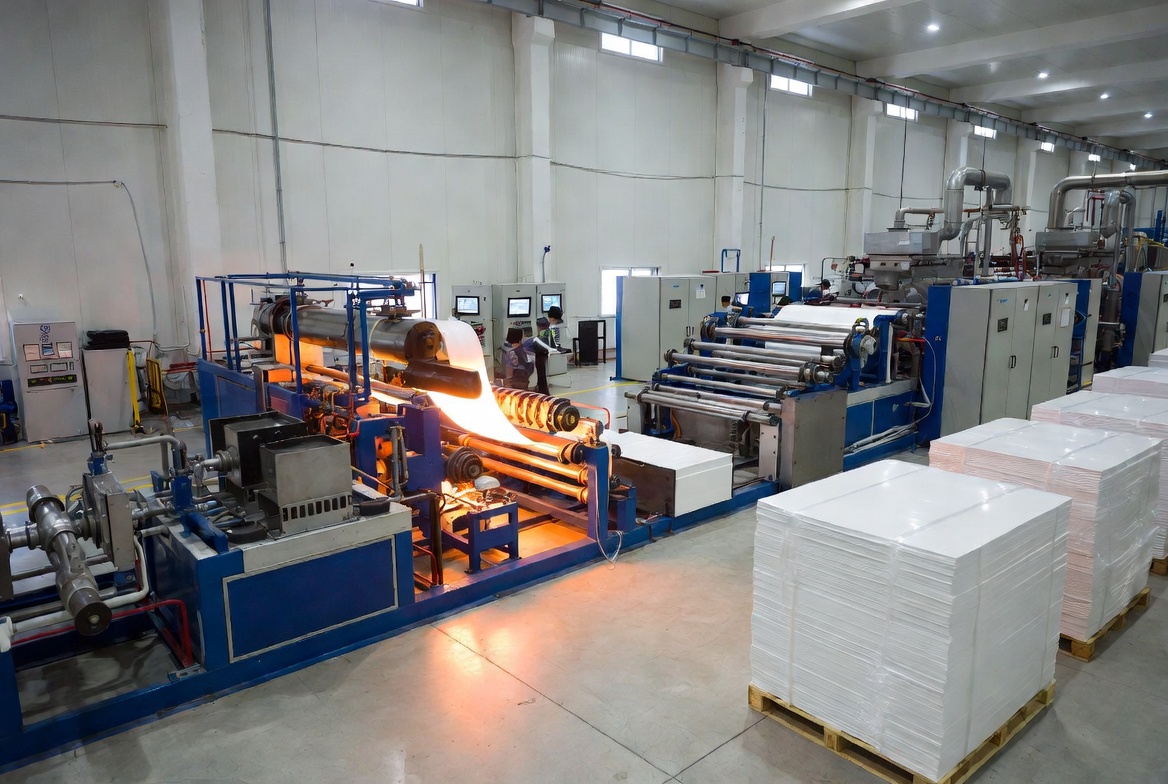
From an industry expert perspective, a structured approach helps avoid costly mis‑specifications:
1. Define load and impact requirements: If your solution must carry very high loads or endure heavy mechanical shocks, HDPE structures and solid boards may be advisable. [readyplastics]
2. Assess operating environment: For long‑term outdoor exposure, consider HDPE or PP with UV stabilization; for repeated cleaning with strong chemicals, PP often delivers better long‑term resistance. [waterpipefactory]
3. Set weight and logistics targets: If transport cost, manual handling, and ergonomic factors matter, PP hollow sheet provides significant weight and handling advantages. [sdgreenplastic]
4. Evaluate sustainability and reuse: For closed‑loop logistics or reusable packaging programs, PP hollow sheet offers a recyclable, reconfigurable platform that can replace single‑use corrugated cardboard. [plasticsheet-china]
5. Work with your OEM: Engage your supplier early to co‑design thickness, structure, box style, and surface treatments based on your process, from automated filling to warehouse stacking and export shipping. [derflex]
Following these steps ensures material selection is aligned with performance, cost, and sustainability, rather than being driven solely by unit price. [readyplastics]
A dedicated PP hollow sheet OEM can bridge the gap between material capability and application reality, especially for global buyers managing diverse product portfolios. Such partners typically offer: [sdgreenplastic]
- End‑to‑end support, from material selection and design drawings to sample production, testing, and full‑scale manufacturing. [derflex]
- Process flexibility, including extrusion, cutting, die‑cutting, printing, and assembly into finished turnover boxes, dividers, and display structures. [plasticsheet-china]
For international brands seeking to standardize their packaging and protective solutions across regions, working with a PP hollow sheet specialist capable of OEM/ODM collaboration simplifies rollout, ensures consistent specifications, and enables faster iteration based on real‑world performance feedback. [plasticsheet-china]
If your organization is exploring ways to reduce packaging weight, enhance durability, and move toward reusable, recyclable industrial solutions, it is time to benchmark PP hollow sheet against traditional HDPE and cardboard systems. By collaborating with a specialized PP hollow sheet OEM, you can co‑develop tailored solutions for packaging, turnover, construction, and signage that optimize total cost of ownership, improve user experience, and support sustainability goals across global operations. [plasticsheet-china]
Q1: Are HDPE and PP safe for food contact applications?
Both HDPE and PP are widely used for food and beverage containers because they are low in toxicity, heat‑tolerant, and chemically resistant, subject to compliance with local food‑contact regulations. [archivemarketresearch]
Q2: How many times can PP hollow sheet packaging be reused?
PP hollow sheet turnover boxes are designed for repeated reuse, and in industrial practice they often last many cycles before replacement, thanks to their impact resistance and moisture resistance. [sdgreenplastic]
Q3: Is PP hollow sheet suitable for outdoor applications?
Yes, especially when UV‑stabilized grades are used; these formulations are commonly applied in greenhouse roofing, outdoor signage, and construction protection. [plasticsheet-china]
Q4: Can PP hollow sheet be recycled at end of life?
PP hollow sheet is based on polypropylene and is 100% recyclable in suitable recycling streams, making it attractive for companies pursuing sustainable packaging transitions. [sdgreenplastic]
Q5: What thickness range is typical for PP hollow sheet?
Manufacturers commonly offer thicknesses from around 1.8 mm up to 10–12 mm and beyond, allowing engineers to balance stiffness, weight, and cost. [congruencemarketinsights]
1. Acme Plastics – "HDPE and PP Plastics: What to Know When Purchasing for Your Project" (material properties and application overview). https://www.acmeplastics.com/content/hdpe-and-pp-plastic-whats-the-difference/
2. OGZ Machine – "Differences Between HDPE and PP Plastics" (comparative performance data on strength, chemical resistance, heat resistance, and recyclability). https://www.ogzmachine.com/differences-between-hdpe-and-pp-plastics/
3. Ready Plastics – "HDPE vs Polypropylene" (density, temperature limits, and application guidance for industrial buyers). https://www.readyplastics.com/resources/comparisons/hdpe-vs-polypropylene
4. DERFLEX – "PP Hollow sheet applications" (definition, material characteristics, and cross‑industry applications of PP hollow board). https://www.derflex.com/m/articledetail.asp?id=184
5. Shandong Green Plastic – "Why PP Hollow Sheet Is Used So Popular In Different Fields?" (advantages of PP hollow sheet in packaging and turnover systems). https://www.sdgreenplastic.com/news/why-pp-hollow-sheet-is-used-so-popular-in-diff-38476132.html
6. Archivemarketresearch – "PP Hollow Sheet Analysis Report 2025" (market size, CAGR, and regional dynamics). https://www.archivemarketresearch.com/reports/pp-hollow-sheet-385181
7. Congruence Market Insights – "PP Hollow Sheet Market Size, Trends, Share, Growth, and Opportunity Forecast, 2023–2030" (market valuation and projected growth). https://www.congruencemarketinsights.com/report/pp-hollow-sheet-market
8. Plasticsheet‑China – "PP Hollow Sheet market trends and industry outlook for 2026" and "PP hollow sheet pros and cons you should know" (recent market trends and practical advantages/limitations). https://www.plasticsheet-china.com/PP-Hollow-Sheet-market-trends-and-industry-outlook-for-2026.html https://www.plasticsheet-china.com/PP-hollow-sheet-pros-and-cons-you-should-know.html
9. Waterpipefactory – "HDPE vs. PP Plastic: Key Differences and Use Cases" (application‑level comparison for industrial buyers). https://www.waterpipefactory.com/knowledge/hdpe-vs-pp-plastic-key-differences-and-use-cases/
10. LinkedIn – "PP Hollow Sheet Market Size By Application 2025" (market sizing and application breakdown). https://www.linkedin.com/pulse/pp-hollow-sheet-market-size-application-2025-hn94e