Shanghai Gokai Industry Co,.Ltd.
Call Us: +86-18918606548
Call Us: +86-18918606548
- Product Name
- Product Keyword
- Product Model
- Product Summary
- Product Description
- Multi Field Search
Views: 232 Author: Gokai Publish Time: 2026-07-07 Origin: Site


Content Menu
● What Is Acrylic Sheet and Why It Matters
● Core Acrylic Sheet Manufacturing Methods
>> Cast Acrylic Sheet: Batch, High-Performance Manufacturing
>> Extruded Acrylic Sheet: Continuous, Cost-Efficient Production
>> Continuous Cast Acrylic: Bridging Quality and Productivity
● Step-by-Step: Inside a Modern Acrylic Sheet Plant
>> 1. Raw Material Preparation and Additives
>> 2. Polymerization and Sheet Forming
>> 3. Cooling, Cutting, Finishing, and Quality Control
● Cast vs Extruded Acrylic: Which Is Right for Your Project?
>> Key Differences in Practice
● OEM and Customization: What a Supplier Like Gokai Adds
● Practical Tips for Choosing Acrylic Sheets for Your Application
● How a Modern Acrylic Factory Ensures Quality and Consistency
● Call to Action: Plan Your Next Acrylic Project With OEM Support
● FAQs About Acrylic Sheet Manufacturing and Selection
Acrylic sheet manufacturing might look simple from the outside, but each stage—from raw MMA monomer to finished, polished panels—directly affects clarity, strength, and cost. As a global OEM supplier of acrylic sheets at Gokai, we see these differences every day in customer projects, from signage to architectural glazing. [acmeplastics]
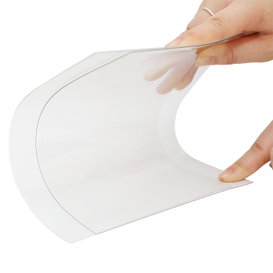
Acrylic sheet, often called PMMA (polymethyl methacrylate), starts from methyl methacrylate (MMA) monomer, a clear liquid similar in appearance to fuel. Through controlled polymerization, MMA is transformed into rigid, transparent acrylic panels used in displays, light boxes, safety guards, furniture, and more. [royaletouche]
Compared with glass, acrylic offers high optical clarity, excellent impact resistance, and significantly lower weight, making it easier to fabricate and ship globally. As an OEM partner, our job is not just to supply sheets, but to match the right manufacturing method and grade to the performance and budget targets of each application. [alandsplastic]
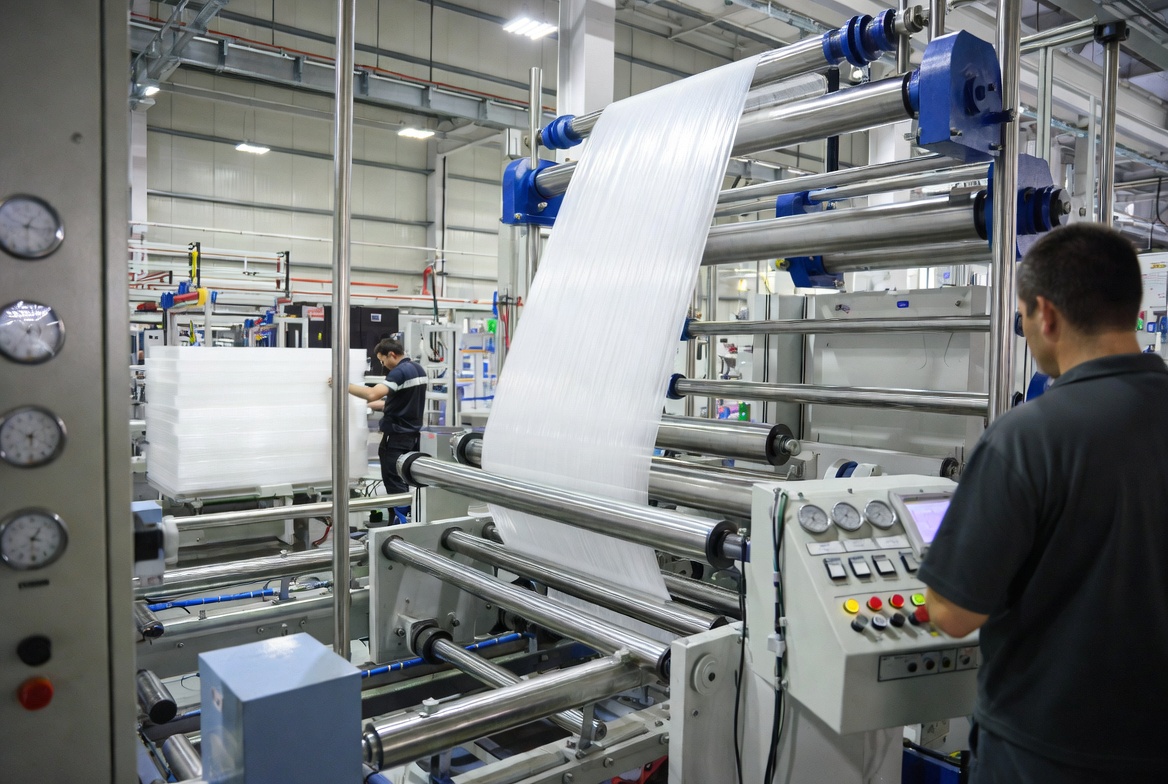
From a manufacturing viewpoint, acrylic sheets are not all created equal. The main production routes are: [acrylicsheetmfg]
- Cast acrylic sheet
- Extruded acrylic sheet
- Continuous cast acrylic sheet (hybrid process in modern plants) [acrylicsheetmfg]
Each route creates a different microstructure inside the sheet, which shows up as differences in clarity, machining behavior, and long‑term durability. [youtube]
Cast acrylic is typically produced in batch cells or continuous casting lines. In the batch process, liquid MMA mixed with initiators and additives is poured into a mold—often between two glass plates separated by a gasket to control thickness—and cured slowly in an autoclave. [acrylite]
This slower, controlled polymerization minimizes internal stress and produces sheets with:
- Superior optical clarity for light panels and museum displays. [royaletouche]
- Higher surface hardness and better chemical resistance. [royaletouche]
- More predictable behavior during machining and polishing. [acmeplastics]
After curing, the sheets are removed from the glass, annealed to relieve residual stress, then cut, sanded, and buffed for smooth edges and glossy surfaces. Premium manufacturers typically run extensive quality checks on thickness, flatness, and light transmittance—many clear cast sheets exceed 92% transparency. [alandsplastic]
Extruded acrylic starts from polymer pellets rather than liquid monomer. These pellets are produced by polymerizing MMA in a water suspension, then feeding them into an extruder, which melts and mixes them with colorants, UV stabilizers, and impact modifiers. [youtube]
The molten mass passes through a flat die and then through a series of rollers that:
- Set sheet thickness.
- Define surface texture.
- Help control cooling and dimensional stability. [acmeplastics]
This continuous process offers:
- Consistent thickness and long runs, ideal for standard sizes and high-volume orders. [youtube]
- Lower cost per square meter compared with cast sheets. [royaletouche]
- Flexible length options, improving yield in downstream fabrication. [youtube]
However, extruded sheets may carry more internal stress and can behave differently under aggressive machining, bending, or solvent exposure. [youtube]
Newer continuous cast lines pour refined MMA mixture into moving molds or belts, combining aspects of casting and continuous production. This approach aims to deliver near cast-level clarity with extruded-level throughput and cost stability. [acrylicsheetmfg]
For OEM clients looking for high optical performance at scale—such as LED panels or high-end retail fixtures—continuous cast can be a strategic middle ground. [acrylicsheetmfg]
Although cast and extruded sheets follow different routes, they share a series of key stages that drive final quality. [alandsplastic]
Manufacturing begins with carefully filtering MMA monomer or selecting high-purity acrylic pellets to remove impurities. At this stage, manufacturers add functional ingredients: [youtube]
- UV stabilizers for outdoor signage and facades. [royaletouche]
- Impact modifiers for protective barriers and machine guards. [youtube]
- Color pigments and diffusion agents for light boxes and decorative panels. [youtube]
The choice and dosage of these additives strongly influence transparency, color consistency, and long‑term aging. [royaletouche]
For cast sheets, MMA mixture is poured into molds or glass cells and polymerized under controlled temperature and pressure, often in chambers maintained around 60–80 °C. This process can take 10–20 hours or more, depending on thickness, and is followed by annealing to remove residual stress. [acrylite]
For extruded sheets, pellets are melted in an extruder and pushed through a flat die, forming a continuous "ribbon" of acrylic that passes through calibrated rolls. Roll gaps and line speed define thickness, while die and roll design affect surface quality. [acmeplastics]
Controlled cooling is critical in both routes: cooling too fast can trap stress and cause warping, while uniform cooling ensures dimensional stability and impact performance. [youtube]
After forming, sheets move through:
- Cooling zones or ovens to stabilize the polymer structure. [youtube]
- Automated cutting lines that trim sheets to standard sizes (for example, 4 x 8 ft) and custom dimensions. [alandsplastic]
- Edge finishing, such as sanding, beveling, and buffing, to deliver smooth, safe edges and optionally a high-gloss finish. [acmeplastics]
Quality control teams then inspect:
- Thickness uniformity and flatness. [alandsplastic]
- Surface defects like bubbles, scratches, or chips. [alandsplastic]
- Light transmission and color accuracy for optical-grade sheets. [acrylicsheetmfg]
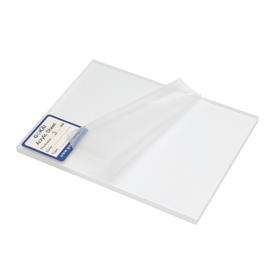
Finally, sheets receive protective masking (paper or film), are labeled with batch and specification data, and are packaged on pallets for shipment. [youtube]
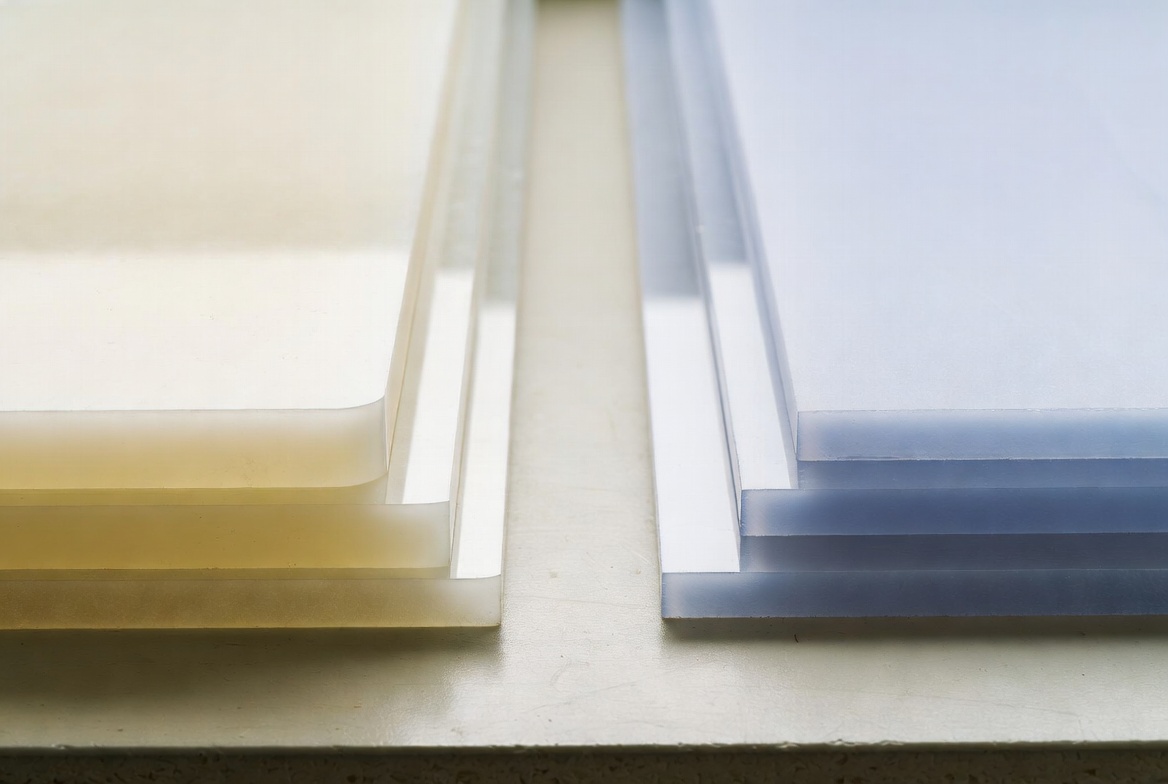
From an OEM supplier's perspective, the choice between cast and extruded acrylic should be led by performance requirements, fabrication methods, and cost targets rather than brand names alone. [youtube]
| Aspect | Cast Acrylic Sheet | Extruded Acrylic Sheet |
|---|---|---|
| Manufacturing | Batch or continuous casting from liquid MMA. (acmeplastics) | Continuous extrusion from acrylic pellets. (acmeplastics) |
| Optical clarity | Very high, low internal stress; suitable for optical applications. (royaletouche) | High but can be more sensitive to stress and solvents. (royaletouche) |
| Thickness tolerance | Typically wider tolerance, but excellent flatness in premium grades. (acmeplastics) | Tight, consistent thickness control across long runs. (royaletouche) |
| Fabrication behavior | Better for heavy machining, polishing, and complex thermoforming. (acmeplastics) | Ideal for simple cutting and bending; may craze under harsh conditions. (royaletouche) |
| Cost and availability | Higher cost per unit; strong in specialty sizes and grades. (royaletouche) | More cost-effective for standard sizes and large volumes. (royaletouche) |
For clients in sectors like retail POP displays or architectural glazing, we often recommend cast or continuous cast sheets for critical surfaces. For high-volume projects such as standard signage panels or protective screens, extruded sheets can unlock significant savings while still meeting performance requirements. [youtube]
Manufacturing technology is only part of the story. The real value for global buyers comes from OEM support—aligning sheet specification, processing method, and logistics with project realities. [youtube]
From an OEM supplier perspective, important customization levers include:
- Selecting cast, extruded, or continuous cast based on mechanical and optical targets. [youtube]
- Tailoring sheet thickness, color, diffusion, and UV resistance to end use. [royaletouche]
- Matching sheet formats to downstream fabrication (laser cutting, CNC machining, bonding, thermoforming). [acmeplastics]
- Designing packaging and palletization to minimize damage and optimize container loading. [alandsplastic]
Because we work across multiple industries—from signage and displays to furniture and protective equipment—we see how manufacturing decisions upstream show up as fabrication challenges or long‑term performance issues downstream. This experience helps us guide buyers beyond the "cheap vs expensive" conversation and toward fit‑for‑purpose acrylic sheet selection. [youtube]
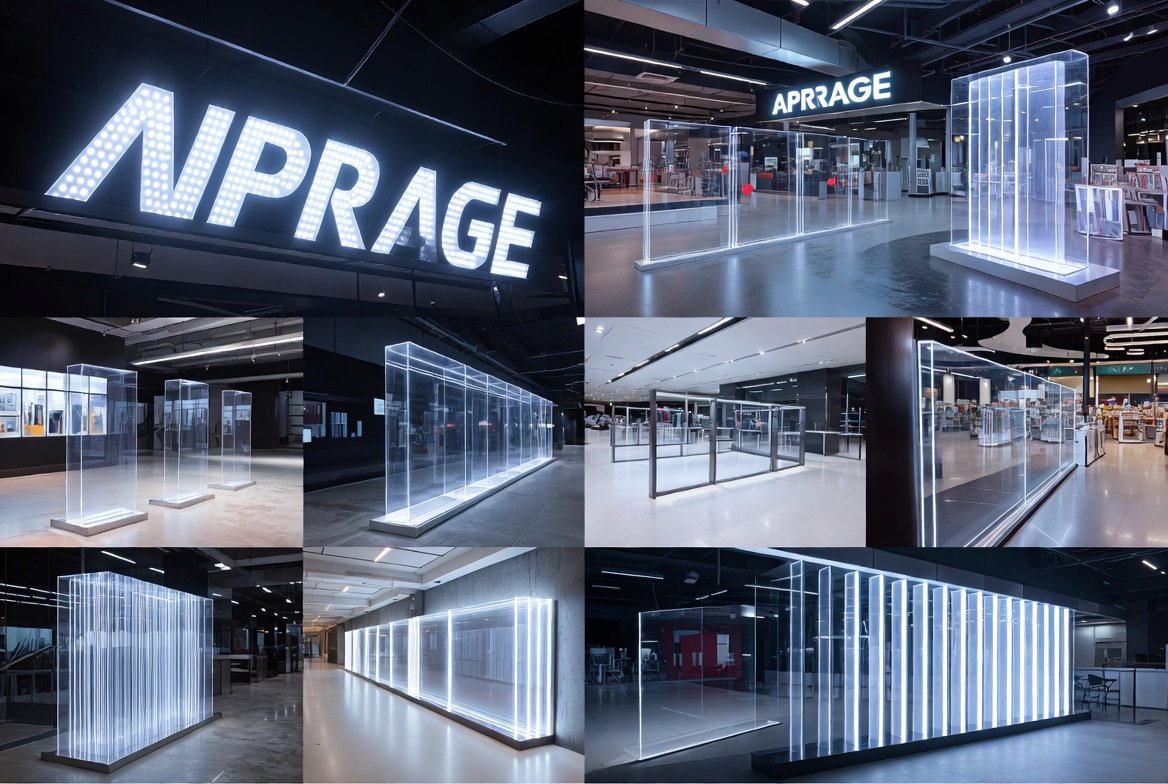
Based on current industry practices and feedback from large-scale fabrication projects, several practical patterns emerge. [youtube]
- Use cast or continuous cast for projects requiring extreme clarity and high polish, such as museum vitrines, high‑end furniture, or LED light panels. [acrylicsheetmfg]
- Consider extruded sheets where cost control and consistent thickness are more important than maximum optical performance, such as standard signage, guards, and partitions. [youtube]
- Specify UV‑stabilized grades for outdoor installations to reduce yellowing and maintain clarity over time. [royaletouche]
- Plan sheet sizes around actual part nesting to reduce off‑cuts; continuous extrusion makes it possible to tune lengths for better material yield. [acrylicsheetmfg]
- Check with your OEM supplier about machining and bonding recommendations, especially if combining acrylic with metals, adhesives, or LED systems. [youtube]
For international buyers, it is also important to align sheet standards and testing protocols (for example, light transmittance, stress testing, and thermal behavior) with local regulations and certification needs. [alandsplastic]
Factory tours and technical case studies show a consistent theme across leading acrylic brands: quality is built into the process, not inspected in at the end. [youtube]
Key practices include:
- Using 100 % virgin MMA or high-quality pellets as the baseline for clarity and mechanical strength. [youtube]
- Maintaining tight control of temperature, pressure, and cooling profiles along the casting or extrusion line. [youtube]
- Running continuous inspections for bubbles, surface defects, and thickness variation before labeling sheets as ready for shipment. [acrylicsheetmfg]
- Applying robust protective masking and packaging to prevent scratches and edge damage in transit. [alandsplastic]
This level of process control is what enables OEM suppliers to commit to repeatability—so that every container of acrylic sheets behaves predictably in the customer's factory or workshop. [youtube]
If you are planning a project that relies on acrylic sheets—whether it is a global signage rollout, a new architectural facade, or a series of OEM parts—the most effective starting point is a specification conversation rather than a simple price quote. By working with an experienced acrylic sheet supplier and OEM partner, you can define the right balance of sheet type, thickness, additives, and logistics to support your product roadmap and fabrication capabilities. [youtube]
Reach out to an acrylic specialist to discuss your target application, performance requirements, and budget, and use that dialogue to map cast, extruded, or continuous cast sheets to your real‑world needs. [youtube]
Q1: Are cast acrylic sheets always better than extruded sheets?
Cast sheets offer higher optical clarity and lower internal stress, but extruded sheets can be the better choice for cost, thickness consistency, and high‑volume projects. [royaletouche]
Q2: Why do some acrylic sheets warp or crack over time?
Warping or cracking often results from internal stress, inadequate annealing, or aggressive solvent exposure, which is more common in fast-cooled or heavily loaded sheets. [youtube]
Q3: Can I use the same acrylic sheet type indoors and outdoors?
You can, but outdoor applications should use UV‑stabilized grades to reduce yellowing and maintain clarity under sun exposure. [youtube]
Q4: How do OEM acrylic suppliers customize sheets for different industries?
OEM suppliers tune sheet type, thickness, color, diffusion, and additive packages, and align sizes, packaging, and certification with the needs of each sector and fabrication process. [acrylicsheetmfg]
Q5: What information should I provide when requesting a quote for acrylic sheets?
For meaningful recommendations, share your end use, environment (indoor/outdoor), required thickness and sizes, optical and mechanical targets, and preferred fabrication methods. [royaletouche]
- [Acme Plastics – How Are Acrylic Sheets Made?] [acmeplastics]
- [Royale Touche – How Acrylic Sheets Are Made] [royaletouche]
- [Alands Plastic – How Are Acrylic Sheets Manufactured?] [alandsplastic]
- [Senpu Acrylic – Inside the Acrylic Factory (Video)] [youtube]
- [Acrylicsheetmfg – How Acrylic Sheets Are Made: Cast, Extruded, and Continuous Cast] [acrylicsheetmfg]
- [Acrylite – How Cast Acrylic Sheet Is Made] [acrylite]
- [Acrylite – How Extruded Acrylic Sheet Is Made (Video)] [youtube]
- [YouTube – How Acrylic Sheets Are Made Differently] [youtube]