Shanghai Gokai Industry Co,.Ltd.
Call Us: +86-18918606548
Call Us: +86-18918606548
- Product Name
- Product Keyword
- Product Model
- Product Summary
- Product Description
- Multi Field Search
Views: 272 Author: Gokai Publish Time: 2026-06-30 Origin: Site


Content Menu
● What Is Recycled Acrylic (Recycled Plexiglass)?
● Recycled Acrylic vs. Virgin Acrylic and Glass
● Environmental and Performance Benefits
>> Why Recycled Acrylic Is a "Green" Alternative
>> Durability and Safety in Harsh Conditions
● Common Use Cases and Practical Ideas
>> 1. Custom Windowpanes and Glazing
>> 2. Patio Tabletops and Outdoor Furniture
>> 3. Coasters, Décor, and Creative Scrap Reuse
● How Recycled Acrylic Is Made: An Expert Overview
● Choosing Recycled Acrylic for OEM Projects with Gokai
● Recycled Acrylic in Global Market Trends
● Practical Tips for Specifying and Working with Recycled Acrylic
● Recycled Acrylic vs. Polycarbonate and Other Plastics
● When Should You Choose Recycled Acrylic?
● Call to Action: Partner with Gokai for OEM Recycled Acrylic Solutions
● Frequently Asked Questions (FAQ)
As a plastics industry consultant working with OEM acrylic sheet suppliers like Gokai, I've seen recycled acrylic evolve from a niche material into a strategic choice for brands that care about sustainability, durability, and cost control. In this guide, I'll walk you through what recycled acrylic really is, how it compares to virgin acrylic and other plastics, and how to use it effectively in real‑world projects while leveraging Gokai's global OEM capabilities. [linkedin]
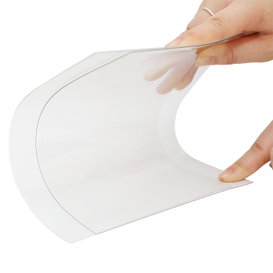
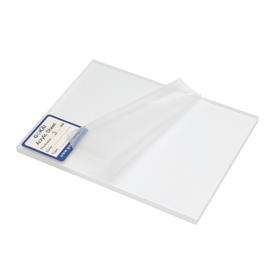
Recycled acrylic, often called recycled plexiglass, is a transparent thermoplastic sheet made by breaking down existing acrylic products and repolymerizing them into new sheets, rods, or tubes. Technically, it is still polymethyl methacrylate (PMMA), so its mechanical and optical properties match those of virgin acrylic when processed correctly. [persistencemarketresearch]
Unlike many plastics that rely on additive‑heavy formulations, recycled acrylic is typically produced from methyl methacrylate monomer (MMA) using processes that minimize volatile organic compounds (VOCs) and hydrofluorocarbons (HFCs). This makes it an attractive option for brands aiming to reduce emissions in their material supply chain. [documents1.worldbank]
From a buyer's perspective, the critical point is simple: recycled acrylic behaves like standard acrylic, but with a lower environmental footprint when the recycling loop is properly managed. [slideproducts]

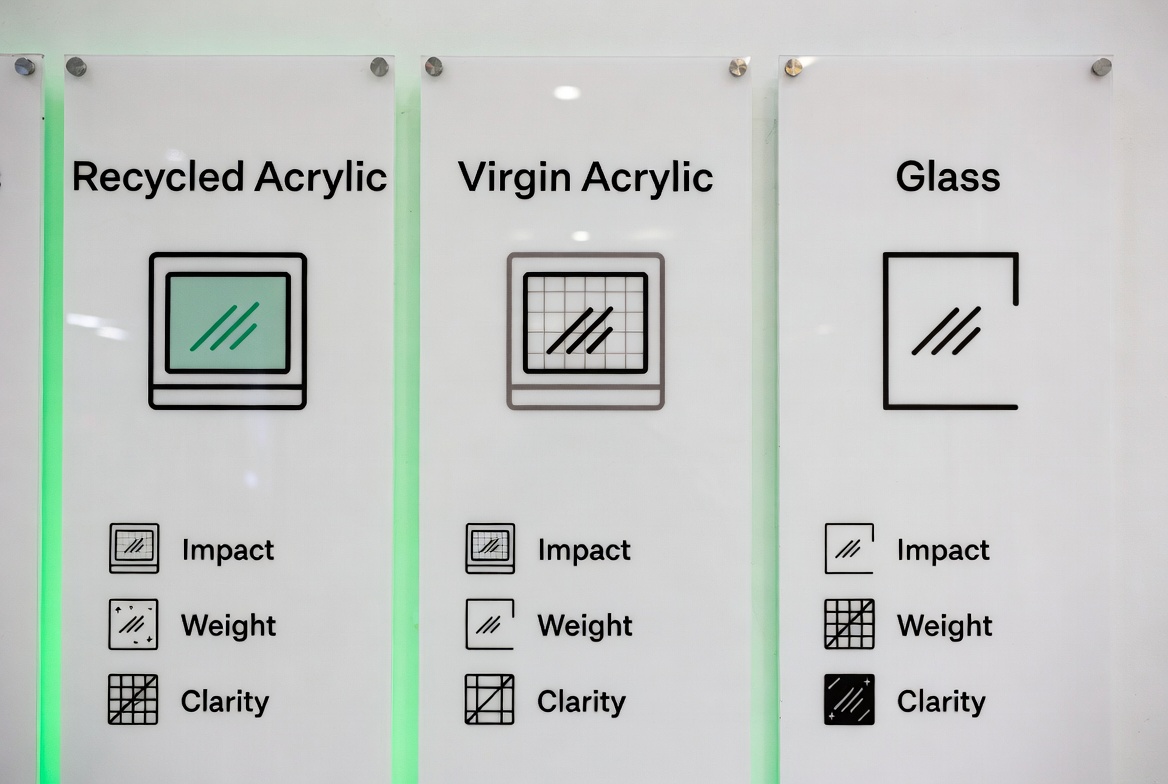
Below is a simplified overview of how recycled acrylic compares with virgin acrylic and traditional glass in typical display and architectural applications. [jinbaoplastic]
| Material | Impact resistance | Weight vs glass | Optical clarity | Weather resistance | Sustainability potential |
|---|---|---|---|---|---|
| Recycled acrylic | High, break‑resistant (linkedin) | ~50% of glass weight (persistencemarketresearch) | High light transmission (persistencemarketresearch) | Strong UV and aging resistance (linkedin) | Strong, enables circular use of PMMA (documents1.worldbank) |
| Virgin acrylic | High, similar to recycled (linkedin) | ~50% of glass weight (persistencemarketresearch) | Very high clarity (persistencemarketresearch) | Excellent outdoor durability (linkedin) | Limited unless end‑of‑life recycling exists (documents1.worldbank) |
| Glass | Brittle, prone to shatter (slideproducts) | Heavy baseline | Very high clarity | Good, but can crack or shatter (slideproducts) | Recyclable, but energy‑intensive processing (documents1.worldbank) |
In practice, when clients ask "Which is better, plexiglass or acrylic?", the answer is that these are simply different names for the same PMMA material; recycled versions retain the same core properties when manufactured to a high standard. [linkedin]
From a sustainability standpoint, recycled acrylic offers several advantages over both virgin PMMA and competing plastics: [documents1.worldbank]
- Lower CO2 emissions along the value chain when PMMA is kept in a closed loop instead of landfilled or incinerated.
- Reduced dependence on fossil‑fuel‑derived virgin MMA monomer by reusing existing material. [jinbaoplastic]
- Minimal content of acutely toxic, carcinogenic, mutagenic, or reprotoxic substances compared with some legacy plastics and coatings. [linkedin]
Practically, this means specifiers can design outdoor signage, glazing, or furniture that is both high‑performance and lower impact, especially when sourcing from OEM suppliers that invest in closed‑loop or "Green Cast" style processes. [slideproducts]
Recycled acrylic sheets are engineered to withstand rain, hail, and typical storm exposure without the brittle failure you often see with untreated glass. They are: [slideproducts]
- Weather and aging resistant, retaining optical clarity and structural integrity over years of use. [persistencemarketresearch]
- Break‑resistant, which is crucial for public spaces, retail environments, and hospitality projects. [linkedin]
- Easy to cut, drill, and fabricate using common tools like saws or CNC equipment, with minimal risk of cracking when handled correctly. [bpf.co]
For buyers managing multi‑site rollouts, this combination of durability and ease of fabrication significantly reduces lifetime maintenance and replacement costs. [persistencemarketresearch]
The original Acme Plastics article highlights several simple, yet effective applications for recycled plexiglass. Drawing on field experience, here are practical ways designers, builders, and brand owners use recycled acrylic today: [linkedin]
Recycled acrylic sheets are widely used to replace or upgrade windowpanes in offices, shops, and residential spaces. [persistencemarketresearch]
- They can be cut to fit existing frames at a local hardware store or through an OEM supplier's cutting service. [gokaiplastic]
- The material offers high light transmission and impact resistance, making it suitable for high‑traffic or public areas. [persistencemarketresearch]
For outdoor spaces, recycled acrylic tabletops provide an appealing mix of design flexibility and durability. [slideproducts]
- Sheets can be cut to match benches, tables, or bar counters, and mounted onto metal or wooden frames. [linkedin]
- Weather resistance means the surface maintains its appearance even with repeated exposure to UV, rain, and temperature swings. [slideproducts]
Offcuts and scrap acrylic are valuable resources rather than waste. In practice, many workshops and studios: [linkedin]
- Cut leftover sheets into equal‑size squares to create coasters or trivets, adding non‑slip pads to the underside. [linkedin]
- Donate scraps to makers, schools, or artisans who turn them into jewelry, artwork, and small décor pieces. [slideproducts]
By treating scrap as a design material, brands can demonstrate visible sustainability rather than simply claiming it in a policy document.
From an industry perspective, the key to high‑quality recycled acrylic is the underlying recycling and reprocessing loop. While processes vary by manufacturer, the core stages typically include: [documents1.worldbank]
1. Collection and Sorting
Post‑consumer or industrial acrylic sheets, displays, and components are collected and sorted to remove contaminants like metal fittings or non‑PMMA plastics. [documents1.worldbank]
2. Depolymerization or Advanced Recycling
Material is broken down chemically to return PMMA to a monomer or oligomer form, allowing impurities to be separated and controlled. [jinbaoplastic]
3. Repolymerization into MMA Monomer
Clean feedstock is repolymerized into MMA, which can then be used to cast or extrude new sheets with the same mechanical properties as virgin acrylic. [jinbaoplastic]
4. Casting or Extrusion into Sheets
Producers cast thick sheets for premium applications or extrude thinner sheets for signage, displays, and general glazing. [bpf.co]
When buyers work with OEM partners who understand this loop, they gain access to recycled acrylic products that meet strict quality standards and align with evolving environmental regulations, especially in Europe and high‑compliance markets. [documents1.worldbank]
As an OEM‑focused supplier, Gokai provides acrylic sheets in a wide range of sizes, thicknesses, and colors for global customers in signage, construction, retail, and furniture. While their core offering is virgin PMMA, the same production expertise and quality control principles apply when integrating recycled grades into customer projects. [gokaiplastic]
Key advantages for B2B buyers collaborating with Gokai include: [gokaiplastic]
- Fast delivery capacity through 10 production lines, with typical lead times of around 10 days for a 20‑foot container and 15 days for a 40‑foot container.
- Strict quality control using 100% virgin raw material for standard sheets, and standardized production processes suitable for OEM customization. [bpf.co]
- A strong technical team, including more than 20 engineers, supporting bespoke sizes, thicknesses, colors, and surface finishes. [gokaiplastic]
- OEM and ODM services covering laser cutting, CNC cutting, mirror coating, color matching, and special formulations such as UV‑resistant, frosted, or translucent grades. [gokaiplastic]
For buyers introducing recycled acrylic into an existing product line, Gokai's role is typically to co‑engineer sheet specifications (thickness, color, optical performance) and then integrate them into a scalable production plan and export packaging system. [gokaiplastic]
Recent market data shows that acrylic sheets as a category are growing steadily, driven by construction, advertising, sanitary ware, and retail applications. Within that broader trend, recycled grades increasingly feature in sustainability‑focused projects: [jinbaoplastic]
- The global acrylic sheet market was valued at around US$1.9 billion in 2026 and is projected to reach approximately US$2.8 billion by 2033, implying a compound annual growth rate (CAGR) of about 5.7%. [persistencemarketresearch]
- In Europe and other regulation‑heavy regions, buyers actively seek "Green Cast" or recycled MMA‑based acrylic sheets that provide the same optical clarity as virgin materials but reduce environmental impact. [documents1.worldbank]
- Asia‑Pacific, especially China, remains a major production base, with large‑scale ISO‑certified manufacturers consolidating share by offering both standard and specialized grades. [gokaiplastic]
For OEM projects, this means that sustainable acrylic sourcing is now a competitive differentiator, not just a compliance box to check.
From a manufacturing and fabrication standpoint, the best results with recycled acrylic come from combining sound material selection with disciplined processing. Here are practical guidelines: [bpf.co]
1. Define Application Requirements First
Clarify whether the primary need is optical clarity, impact resistance, UV stability, or specific colors and finishes. This determines whether cast or extruded sheets, virgin or recycled grades, and special coatings are needed. [jinbaoplastic]
2. Engage OEM Suppliers Early
Share drawings, load conditions, and environmental constraints with OEM partners like Gokai so that thickness, sheet type, and fabrication processes are aligned from the start. [gokaiplastic]
3. Plan for End‑of‑Life
Design products so that acrylic components can be easily removed, sorted, and returned to recycling streams rather than bonded to incompatible materials. [documents1.worldbank]
4. Optimize Fabrication
Use appropriate cutting speeds, tooling, and edge finishing to avoid stress cracking, and follow supplier recommendations for gluing and bonding acrylic to acrylic or other substrates. [gokai.com]
5. Communicate Sustainability to Customers
Include visible labels or documentation explaining that panels or displays use recycled acrylic, reinforcing your brand's environmental narrative. [slideproducts]
A common buyer question is whether recycled acrylic can replace polycarbonate or other engineering plastics. [slideproducts]
- Polycarbonate sheets: Often cited as a substitute for plexiglass, they offer high impact resistance and good light transmission, with robust weather resistance. However, polycarbonate and acrylic have different chemical behaviors, thermal properties, and cost structures, so substitution should be evaluated case by case. [linkedin]
- Standard commodity plastics: Many low‑cost plastics lack the clarity, UV resistance, and structural integrity of acrylic, particularly in outdoor or display applications. [persistencemarketresearch]
In sustainability‑driven projects, recycled acrylic often strikes a balanced compromise between performance, aesthetics, and environmental impact, especially where transparency and surface quality are non‑negotiable.
Based on project audits across retail, construction, and industrial clients, recycled acrylic is most valuable when:
- The brand has clear environmental targets, such as reduced CO2 per square meter of installed material. [documents1.worldbank]
- The application requires clear or translucent panels that remain structurally sound over years of exposure. [persistencemarketresearch]
- There is a plan (or at least intent) to keep acrylic products in a closed loop, reclaiming panels at end‑of‑life for further processing. [jinbaoplastic]
If your project is highly specialized—for instance, demanding extreme chemical resistance or very high‑temperature performance—virgin or specialty grades may still be required. But for mainstream signage, glazing, furniture, and displays, recycled acrylic is increasingly a default choice rather than an exception. [jinbaoplastic]
If you are exploring recycled acrylic for upcoming products, the most effective step is to engage with an OEM supplier that understands both material science and global logistics. Gokai offers: [gokaiplastic]
- Custom sheet sizes, thicknesses, and colors tailored to your brand and regional standards. [gokaiplastic]
- Integrated cutting, fabrication, and packaging for containerized shipments worldwide.
- Technical support from an experienced engineering team, helping you align sustainability goals with performance and cost.
Discuss your project requirements—dimensions, load conditions, visual expectations, and sustainability targets—and develop a material roadmap that integrates recycled acrylic into your product line in a controlled, scalable way. [gokaiplastic]

Q1: Are recycled acrylic sheets and plexiglass the same thing?
Yes. In practice, "acrylic sheets," "plexiglass," and many brand names all refer to PMMA; recycled versions use reclaimed PMMA feedstock but deliver similar properties to standard sheets. [persistencemarketresearch]
Q2: Can plexiglass actually be made from recycled plastic?
Yes. Acrylic products can be broken down using chemical recycling methods, then repolymerized into new sheets, rods, and tubes while maintaining durability and clarity. [documents1.worldbank]
Q3: Is recycled acrylic safe to work with in workshops and DIY projects?
Recycled acrylic does not typically contain acutely toxic, carcinogenic, mutagenic, or reprotoxic substances, and can be cut and fabricated with standard tools when basic safety guidelines are followed. [slideproducts]
Q4: How does recycled acrylic perform outdoors compared with glass?
It is significantly lighter than glass, offers high impact resistance, and is engineered to be weather and aging resistant, making it suitable for long‑term outdoor applications. [linkedin]
Q5: Can Gokai provide OEM recycled acrylic solutions for international brands?
Gokai operates multiple production lines, supports customized sizes and colors, and serves global customers with OEM and ODM services, making it well‑positioned to co‑develop recycled acrylic‑based products. [gokaiplastic]
1. Acme Plastics. "Everything You Need to Know About Recycled Acrylic." [Link]
2. Gokai. "PVC Foam Board, Acrylic Sheet, Clear Acrylic Sheet." [Link]
3. Gokai. "Featured Manufacturers & Suppliers." [Link]
4. Persistence Market Research. "Acrylic Sheet Market Size, Share, and Growth Forecast, 2026–2033." [Link]
5. World Bank. "Strengthening Sustainability in the Plastics Industry." [Link]
6. Slide Products. "Sustainable Plastic Manufacturing Practices." [Link]
7. Jinbao Plastic. "Global Perspectives: Cast Acrylic Sheet Market Analysis & Future Trends (2026)." [Link]
8. Gokai. "How to Glue Acrylic Sheet to Acrylic Like a Pro: An OEM Supplier's Expert Guide." [Link]
9. Ecomastery Project. DIY plexiglass tabletop guidance, cited by Acme Plastics. [Link]
10. British Plastics Federation. "Sustainability Management in Plastics Processing." [Link]