Shanghai Gokai Industry Co,.Ltd.
Call Us: +86-18918606548
Call Us: +86-18918606548
- Product Name
- Product Keyword
- Product Model
- Product Summary
- Product Description
- Multi Field Search
Views: 268 Author: Gokai Publish Time: 2026-06-29 Origin: Site


Content Menu
● What Is Acrylic Sheet and Why Do Professionals Choose It?
● Cast vs Extruded Acrylic: How Manufacturing Affects Your Project
>> Cast Acrylic Sheets: Stability and Optical Quality
>> Extruded Acrylic Sheets: Consistency and Cost Efficiency
● Specialty Acrylic Grades You Should Know
>> UV-Filtering Grades (OP2, OP3) for Art and Archival Protection
>> Matte and Non‑Glare Grades (P95, P99) for Displays and Signage
● Key Benefits of Acrylic Sheets in Professional Use
>> Performance Advantages Over Glass and Other Plastics
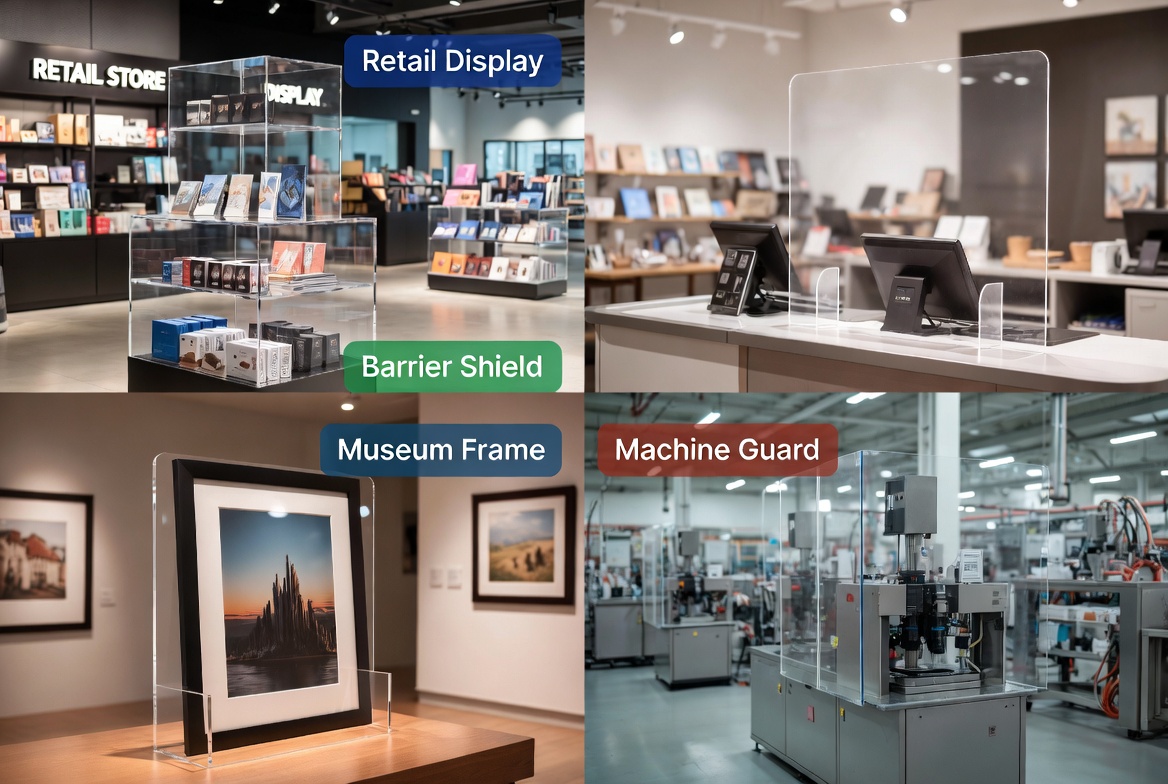
>> Common Commercial and OEM Applications
● Practical How‑To: Cutting and Machining Acrylic Sheets
>> Cutting Acrylic Cleanly Without Cracking
>> Removing Scratches and Restoring Acrylic Surfaces
● Expert Insight: Matching Acrylic Sheet Specs to Real B2B Buyer Needs
>> Thinking in Use Cases, Not Just Materials
>> OEM Collaboration: From Prototype to Rollout
● Practical Buying Checklist for Acrylic Sheet Projects
>> Step‑By‑Step: How to Specify Acrylic Sheets
>> Example Specification Table for a Retail Barrier Project
● Call to Action: Partner With a Specialized Acrylic Sheet OEM
As a long-time acrylic sheet supplier working with OEM customers worldwide, I've seen clear PMMA panels move from "basic plastic" to a core material for retail displays, safety glazing, industrial guards, and architectural features. This guide combines hands-on factory experience with up‑to‑date technical knowledge, so you can select, specify, and maintain acrylic sheets with confidence for both small projects and large-scale OEM programs. [attractandengage.co]
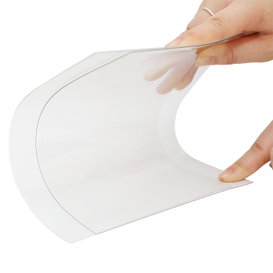
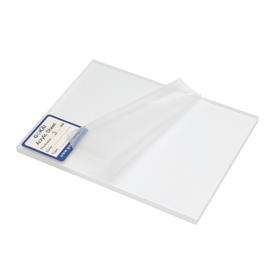
Acrylic (often called plexiglass or acrylic glass) is a transparent thermoplastic made from polymethyl methacrylate (PMMA). It's available as sheets, rods, and tubes in many colors, thicknesses, and surface finishes. Compared with glass, acrylic is lighter, more impact-resistant, and easier to machine, which is why professional buyers in retail, manufacturing, and construction specify it for both aesthetics and performance. [customacrylicproduct]
In our own OEM work at Gokai, most global customers don't start by asking for "PMMA." They ask for better product visibility, safer barriers, or cleaner brand presentation—and acrylic sheets deliver exactly those outcomes when correctly selected and fabricated. That application-first mindset is the foundation of professional acrylic procurement. [customacrylicproduct]
Cast acrylic sheets are produced either in batch cells or through continuous casting. A liquid monomer is poured between glass or metal molds, polymerized, and then cut and finished into sheets. This process allows for a wider thickness range (roughly 0.06″ up to several inches) and customized sheet sizes, which is ideal for specialized industrial and architectural projects. [attractandengage.co]
Because cast sheets cool more slowly and with less internal stress, they typically offer better machining performance, reduced risk of crazing around holes, and higher optical clarity. As a supplier, we usually recommend cast acrylic for precision CNC routing, deep edge polishing, complex bending, and high-end retail fixtures where premium finish matters. [attractandengage.co]
Extruded acrylic sheets start with extrusion-grade polymer pellets. These pellets are melted in an extruder, pushed through a die, and cooled on rollers to create uniform sheets which are then cut, sanded, and buffed. The extrusion process provides tight control over thickness, making extruded sheets attractive for high-volume applications where dimensional consistency is essential. [attractandengage.co]
Extruded acrylic is generally more cost-effective than cast, and it thermoforms at lower temperatures, which can reduce cycle times in OEM forming projects. For buyers, this makes extruded sheets a strong choice for point-of-purchase displays, simple brochure holders, and flat protective screens where cost and uniformity outweigh the need for extreme machining performance. [customacrylicproduct]

Museum and framing professionals often specify UV-filtering acrylic rather than standard clear sheet. OP2 acrylic is an ultraviolet-filtering grade that blocks approximately 98% of hazardous UV light and is commonly used in display cases and protective glazing for museums and galleries. OP3 acrylic offers similar UV protection in clear or tinted frame-grade sheets, protecting artwork and documents from fading and degradation. [attractandengage.co]
From a buyer's perspective, the key is matching UV performance to the value of what you are protecting. For high-value art or archival prints, upgrading to OP2 or OP3-type sheets significantly reduces long-term damage, especially in environments with strong daylight or spotlighting. [attractandengage.co]
P95 acrylic sheets feature a translucent matte surface with excellent ink and paint retention, making them popular in digital printing, silk-screening, and illuminated signage. P99 non‑glare frame-grade sheets offer a soft matte finish that minimizes reflections and provides smoother viewing at various angles while remaining lighter and more impact-resistant than glass. [attractandengage.co]
In real retail projects, using P95 or P99 instead of glossy clear acrylic can dramatically improve readability of graphics and reduce glare in brightly lit stores or exhibition spaces. Many of our OEM customers standardize these finishes for brand walls, menu boards, and wayfinding systems to keep visuals consistent and visitor-friendly. [customacrylicproduct]
Across industries, acrylic sheets are valued for a combination of properties:
- High optical clarity and transparency comparable to glass. [attractandengage.co]
- Lower weight, which simplifies installation and reduces structural loading. [attractandengage.co]
- Better impact resistance than glass, enhancing safety and durability. [attractandengage.co]
- Good machinability for cutting, drilling, routing, and polishing. [attractandengage.co]
- Easy cleaning and maintenance with basic neutral cleaners. [attractandengage.co]
These advantages make acrylic a workhorse material for windows, skylights, barrier shields, and display equipment in commercial and industrial environments. [attractandengage.co]
Professionals use acrylic sheets in a wide cluster of scenarios, often scaling from prototype to full rollout:
- Commercial plexiglass windows and skylights in buildings. [attractandengage.co]
- Secure facility glazing and barrier shields in banks, hospitals, and reception areas. [attractandengage.co]
- Retail displays, trade show fixtures, and product stands. [customacrylicproduct]
- Picture frames and art display systems requiring UV protection. [attractandengage.co]
- Furniture components, aquariums, and high-end interior decor. [attractandengage.co]
As an OEM supplier, we regularly build application-specific solutions—for example, bundling sheets, rods, and formed parts into complete visual merchandising kits for retailers, or supplying pre-cut guards and machine covers for manufacturing lines. [customacrylicproduct]
For small workshops and DIY teams, acrylic's machinability is a major attraction, but it demands the right tools and setup. Thicker sheets are best cut using a table saw or jigsaw equipped with a blade designed for plastics. When specialty blades are unavailable, a high-tooth-count wood blade can work, provided you reduce feed rate and prevent overheating. [attractandengage.co]
Professional fabricators typically:
- Use blades with fine teeth and appropriate rake angle for plastics.
- Support the sheet fully to avoid vibration and chipping at the cut edge.
- Apply masking film and protective paper until finishing is complete.
- Control feed speed to minimize melting and edge re‑welding.
In our own OEM production, consistent cutting parameters are critical to maintain tight tolerances across large batches, especially for parts that will later be polished or solvent bonded. [customacrylicproduct]
Even with careful handling, acrylic surfaces can pick up light or moderate scratches over time. A proven repair method uses graduated sandpapers and specialized polishing compounds to gradually refine the damaged area. The typical sequence involves wet and dry sanding with 600, 800, and 1200 grit papers, followed by polishing with dedicated plastic polishes such as Novus No. 3 and No. 2. [attractandengage.co]
For moderate scratches under approximately 5 mm depth:
1. Clean the acrylic sheet with mild dish soap or a dedicated cleaner.
2. Alternate between wet and dry 600 grit sandpaper in circular motions. [attractandengage.co]
3. Repeat the alternation using 800 grit sandpaper. [attractandengage.co]
4. Finish with light passes of wet and dry 1200 grit until the scratch disappears. [attractandengage.co]
5. Wipe away residue with a clean microfiber cloth, then polish with Novus No. 3, followed by Novus No. 2 and a final cleaner. [attractandengage.co]
Deep cracks, however, are difficult to repair cleanly. They may be bonded with appropriate adhesive, but some visible residue is likely, and in most professional scenarios the cracked sheet is replaced to maintain structural and visual standards. [attractandengage.co]
In B2B projects, buyers rarely think in terms of raw materials alone. Retail and brand teams care about sell‑through and visual merchandising, while OEM engineers focus on parts, tolerances, and long-term stability. Successful acrylic sheet selection begins by mapping technical specs to these real-world priorities instead of treating "acrylic" as a generic commodity. [customacrylicproduct]
For example:
- A museum buyer needs UV-filtering OP2/OP3-type acrylic with precise thickness and optical quality for conservation-grade frames. [attractandengage.co]
- A retailer planning seasonal campaigns may prioritize extruded sheets that thermoform quickly for cost-effective displays. [customacrylicproduct]
- An industrial plant requires cast sheets with high impact resistance and machining stability for machine guards and inspection windows. [customacrylicproduct]
By framing requirements in this way, you can brief suppliers more clearly and avoid mismatches between application demands and sheet performance.
For OEM projects, acrylic sheets are rarely the final product; they become custom panels, housings, or display modules integrated into bigger systems. Strong supplier partnerships reduce risk and speed up deployment. At Gokai and similar manufacturers, engineers typically support clients with: [customacrylicproduct]
- Material selection advice (cast vs extruded, UV grades, matte vs glossy).
- Process planning for cutting, drilling, bending, bonding, and finishing.
- Rapid prototyping and small pilot batches to validate designs.
- Scaling plans for full production with repeatable quality and timelines. [customacrylicproduct]
This end‑to‑end support ensures that acrylic components arrive on spec and on schedule, which is particularly important for multi-location retail rollouts and industrial equipment upgrades. [customacrylicproduct]
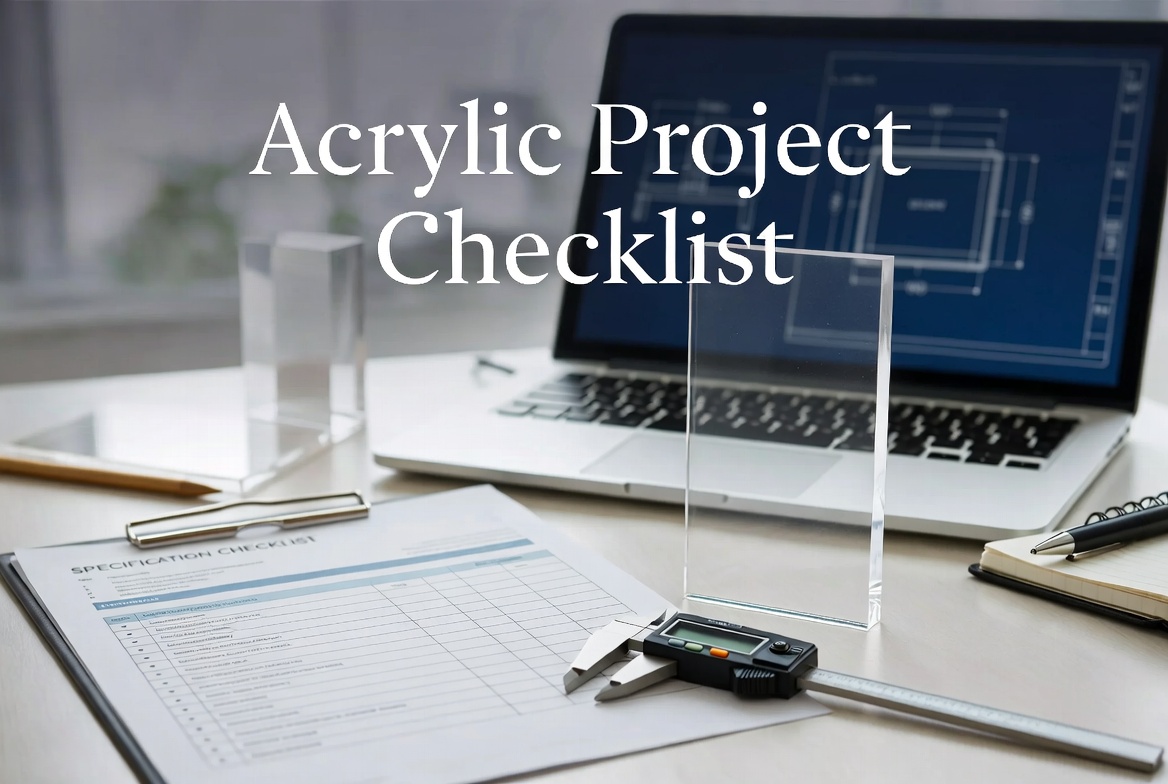
To make your next procurement or OEM project smoother, use this practical checklist when drafting requirements:
1. Define the main application (e.g., barrier shield, display stand, machine guard).
2. Decide whether you need cast or extruded acrylic based on machining and budget.
3. Select thickness and sheet size, including tolerances and cut‑to‑size needs.
4. Choose color, opacity, and surface finish (clear, frosted, mirrored, matte, non‑glare). [attractandengage.co]
5. Clarify performance needs: UV resistance, impact strength, fire behavior, chemical resistance.
6. Confirm fabrication processes (cutting, drilling, forming, bonding, printing).
7. Align packaging, labeling, and documentation with your internal standards.
Walking through these steps before requesting a quote helps your supplier respond with accurate pricing, realistic lead times, and the right material grades for your project. [customacrylicproduct]
Below is an example of how a retail chain might document acrylic sheet requirements for a series of checkout barriers:
| Item | Specification |
|---|---|
| Application | Customer-facing barrier shields for checkout counters |
| Material type | Clear cast acrylic sheet |
| Thickness | 8 mm ± 0.5 mm |
| Sheet size | 1200 × 800 mm, cut‑to‑size with polished edges |
| Finish | Glossy, protective film on both sides |
| Performance | High impact resistance, good optical clarity |
| Fabrication | CNC cutting, edge polishing, drilled mounting holes |
| Additional requirements | Branded corner etching, individual protective packaging |
Documenting requirements in this structured way reduces back‑and‑forth communications and makes it easier to compare offers from different acrylic sheet suppliers. [customacrylicproduct]
If you're planning a new acrylic sheet project—whether it's a global retail rollout, a machinery safety upgrade, or a custom product line—working directly with an experienced OEM manufacturer simplifies every stage from material selection to logistics. As a specialized acrylic sheet supplier, Gokai supports international buyers with technical consulting, flexible customization, and consistent long-term supply programs. [customacrylicproduct]
For your next project, consider preparing a brief based on the buying checklist above and sharing it with an acrylic expert team. That way, you can move quickly from concept to production while ensuring your acrylic sheets perform reliably in real-world use.
Q1: Is acrylic sheet safe to use as a replacement for glass in public spaces?
Acrylic sheets offer higher impact resistance and lower shatter risk than glass, which makes them suitable for many public applications such as barrier shields, display windows, and skylights when correctly specified and installed. [attractandengage.co]
Q2: How do I choose between cast and extruded acrylic for my project?
Choose cast acrylic when you need superior machining behavior, optical clarity, or thicker sections, and extruded acrylic when cost, uniform thickness, and easier thermoforming are your main priorities. [attractandengage.co]
Q3: Can acrylic sheets be printed or branded directly?
Yes, grades like P95 are designed for digital printing and silk-screening, with surface properties that improve ink and paint adhesion, and many branding projects use these sheets for illuminated signs and panels. [attractandengage.co]
Q4: What cleaning products are safe for acrylic sheets?
Use mild dish soap or dedicated acrylic cleaners with soft, non-abrasive cloths, and avoid aggressive solvents like acetone or ammonia-based glass cleaners, which can cause crazing and surface damage over time. [attractandengage.co]
Q5: How can I reduce glare on acrylic displays in brightly lit stores?
Specify non‑glare or matte grades such as P99, which feature a soft surface texture that diffuses reflections and improves viewing angles, especially under strong overhead lighting and spotlights. [attractandengage.co]
1. Acme Plastics – *Everything You Need to Know About Acrylic Sheets*
[https://www.acmeplastics.com/content/everything-you-need-to-know-about-acrylic-sheets/]
2. Attract & Engage – *SEO Content to get back to No1 on Google*
[https://www.attractandengage.co.uk/project/seo-content-to-get-back-to-no1-on-google/]
3. Custom Acrylic Product – *How to Market Custom Acrylic Products Effectively*
[https://customacrylicproduct.com/how-to-market-custom-acrylic-products-effectively/]
4. Serpstat – *Article Rewriting: Guide To Boost Your Website Ranking*
[https://serpstat.com/blog/how-to-rewrite-an-article/]
5. AgentX – *The Smartest Way to Rewrite and Optimize Content for SEO*
[https://www.agentx.so/mcp/blog/the-smartest-way-to-rewrite-and-optimize-content-for-seo]