Shanghai Gokai Industry Co,.Ltd.
Call Us: +86-18918606548
Call Us: +86-18918606548
- Product Name
- Product Keyword
- Product Model
- Product Summary
- Product Description
- Multi Field Search
Views: 291 Author: Gokai Publish Time: 2026-07-20 Origin: Site


Content Menu
● Introduction: From Factory Floor to Finished Panel
● Understanding Frosted Acrylic and P95 Panels
>> What Makes Frosted Acrylic Different
>> What P95 Acrylic Brings to the Table
● Why Paint on Frosted Acrylic Instead of Traditional Substrates
>> Optical Effects and Light Control
>> Durability and Handling in Real Projects
● Choosing the Right Acrylic Sheet for Your Application
>> Key Parameters to Decide Up Front
● Preparing Frosted Acrylic: Cleanliness and Tooth
>> Cleaning Protocol That Reduces Failures
>> When and How to Add Extra Texture
● Priming Frosted Acrylic for Better Adhesion
>> Practical Steps for Applying Primer
● Choosing Paint Systems That Work with Acrylic Sheet
>> Suitable Paint Types for Frosted Acrylic
>> Temperature and Drying Considerations
● Step‑by‑Step Workflow: From Bare Sheet to Finished Panel
>> Step 1: Plan Viewing Direction and Mounting
>> Step 2: Cut, Edge, and Clean
>> Step 4: Transfer or Mark the Design
>> Step 5: Block In Base Colors
>> Step 6: Build Up Layers and Effects
>> Step 7: Add Details and Line Work
>> Step 8: Dry, Cure, and Protect
● Advanced Techniques for Depth and Light
>> Multi‑Layer Panels for 3D Effects
>> Combining Paint with Frosting and Tinting Sprays
● Protecting, Cleaning, and Transporting Painted Panels
>> Choosing Protective Topcoats
>> Handling and Maintenance in Daily Use
● Frequent Mistakes and How to Avoid Them
● Bringing Material Knowledge into Your Next Project
Working daily with acrylic sheet in a production environment changes how you look at painted panels. What seems like a simple decorative surface is actually a precise combination of material choice, surface preparation, and carefully controlled painting steps that decide whether your work lasts for weeks or for years.
Over time, repeated feedback from installers, retail designers, and artists has shown that frosted acrylic and P95 acrylic offer a unique balance of light diffusion, durability, and paint adhesion when they are handled correctly from the very first cut. This guide brings together workshop practice and material science so that your next project starts with fewer guesses and more predictable results.
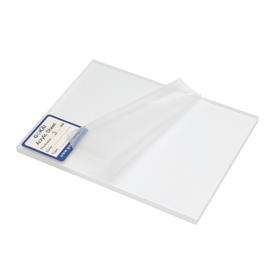
Frosted acrylic is a cast or extruded acrylic sheet whose surface has been mechanically or chemically textured to create a matte finish. This finish diffuses light and introduces microscopic tooth, giving paint and primers something to grip without the sharp sparkle of fully glossy plastic.
Because both faces of many frosted sheets share this matte texture, you can choose either side as your painting surface without worrying about adhesion differences. Designers often exploit this twin‑sided texture in room dividers, brand walls, or hanging panels that may be viewed from more than one direction.
P95 acrylic is a specific matte‑finish acrylic where one side is frosted and the other side remains fully clear and glossy. Artists and OEM buyers often paint on the matte side, then present the work through the clear side, achieving a smooth, glass‑like viewing surface with the design safely embedded behind it.
This configuration is especially useful for reversible panels, layered installations, and backlit signage, where the clear face acts as a protective skin while still showcasing color and detail. For production runs, it also simplifies cleaning and maintenance because the exposed side can be wiped more easily without direct contact with the paint layer.
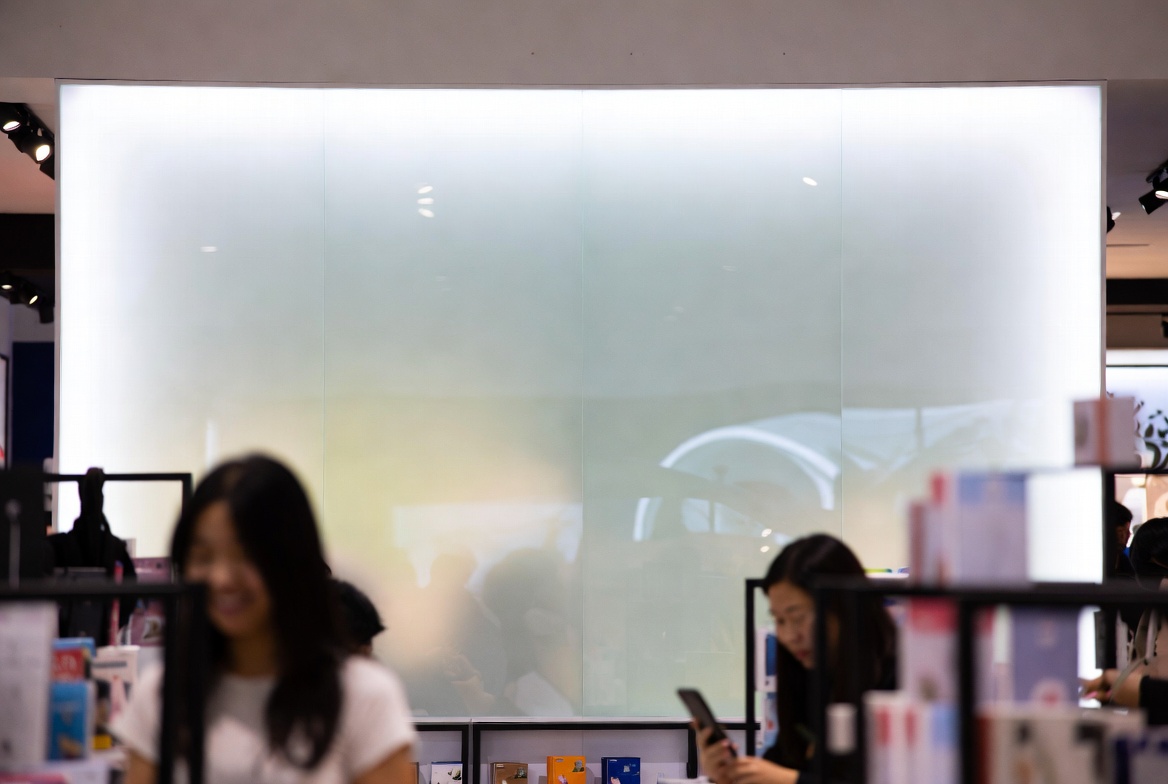
Frosted acrylic offers a soft, diffused glow that is difficult to achieve on canvas, MDF, or glass without additional coatings. When backlit, the matte texture spreads light evenly, avoiding harsh hot spots behind logos, graphics, or art elements.
For designers working with illuminated brand walls, menu boards, or hospitality features, this consistent diffusion means fewer on‑site adjustments and more confidence that the final installation will match the design render. Even in non‑backlit contexts, the subtle surface scatter reduces glare, making imagery easier to view from different angles.
Acrylic sheet combines relatively low weight with high impact resistance compared to glass, which matters when panels must travel from factory to job site, then live in busy environments. When appropriate primers and paints are used, the paint film bonds strongly enough to handle installation, regular cleaning, and moderate contact.
In export‑oriented production lines, this stability reduces panel rework and field failures, especially for recurring retail campaigns or hospitality upgrades where replacement windows are tight. For independent artists, it simply means fewer surprises when shipping works to galleries or clients.
Before ordering or cutting material, clarify three core factors: viewing conditions, lighting, and mechanical requirements.
- Viewing side: Decide whether people see the painted surface directly or view through a clear side.
- Lighting: Confirm whether the panel is front‑lit, backlit, or both.
- Mechanical constraints: Consider panel size, thickness, mounting points, and expected handling.
These factors guide whether you choose frosted acrylic both sides, P95, clear sheet with custom frosting, or a combination in layered constructions.
- For backlit signs and light boxes, a frosted panel on the viewer side helps spread light evenly, reducing visible hot spots from LEDs.
- For reversible decorative panels, P95 lets you paint on the matte side while keeping a smooth clear face outward.
- For multi‑layer artworks, combining clear and frosted sheets allows you to assign different design elements to different depths.
In OEM projects, it is common to specify cast acrylic for painted applications because it tolerates machining and drilling better while maintaining optical clarity and dimensional stability.
Most adhesion issues start before the first brushstroke. Oils from hands, residues from cutting, and dust can all interfere with paint.
A practical cleaning routine is:
1. Remove protective film only when you are ready to clean, to reduce dust attraction.
2. Wash the surface with lukewarm soapy water and a soft, lint‑free cloth.
3. Rinse thoroughly with clean water and dry with a microfiber or soft cotton towel.
4. Degrease using an appropriate cleaner such as anti‑static cleaner or isopropyl alcohol, especially in areas that will receive paint.
5. Check under raking light to ensure there are no smears or streaks left on the sheet.
In a production setting, applying this as a standard operating procedure dramatically reduces paint lifting during tape tests and long‑term use.
Frosted acrylic already has some tooth, but light abrasion can further stabilize adhesion on selected areas, especially if you are working on the glossy side of P95 or on standard clear sheet.
- Use fine‑grit sandpaper (around 220–600 grit) or abrasive pads to lightly roughen the paint zone.
- Sand using gentle, consistent strokes and avoid deep scratches that would show through transparent colors.
- Clean and degrease again after sanding to remove all dust and residues.
Some architects and model makers also rely on frosting sprays designed for acrylic to give clear sheets a translucent, matte character with better paint grip. These sprays must be applied from a suitable distance to avoid uneven build‑up and visible marks.

A primer designed for plastics acts as a bridge that binds both to the acrylic sheet and to the paint system, improving film integrity over the long term.
- It helps prevent peeling when the surface flexes slightly or experiences minor impacts.
- It compensates for variations in micro‑texture across a sheet, making paint flow and coverage more predictable.
- On the glossy side of P95 or on clear sheet, the primer is often the difference between a durable piece and one that fails during installation.
For large‑scale project work, testing a few primer options on scrap panels and performing simple tape‑pull tests provides valuable data before committing to a full run.
1. Work in a well‑ventilated space and protect neighboring surfaces from overspray.
2. Shake the primer can thoroughly according to instructions to mix resins and pigments evenly.
3. Spray from a moderate distance in thin, overlapping passes rather than heavy coats.
4. Allow full drying and initial curing within the recommended temperature and humidity ranges before painting.
Some workshops gently warm small sheets (around 40 °C) after cleaning and before priming to drive off residual moisture and improve primer bonding, as long as they stay within safe temperature limits for acrylic.
Not every paint that looks good on canvas will behave well on acrylic sheet. In practice, three categories perform particularly well when properly applied.
- Artist‑grade acrylic paints: Flexible, richly pigmented, and widely available, they are a natural companion for primed frosted acrylic.
- Water‑based acrylic lacquers or latex‑based paints: These can provide solid, uniform color fields on larger surfaces, especially when rolled or sprayed.
- Spray paints formulated for plastics: When compatible with acrylic substrate and primer, they offer efficient coverage for signage and display projects.
Oil paints can also be used on frosted acrylic, particularly when combined with thin oil‑based priming layers, but they require careful testing because oils and rigid plastics age differently over time.
Acrylic paints become less flexible as temperatures approach the lower end of their comfort range, typically just above freezing. Painting or curing panels in very cold conditions can lead to brittle films that are more prone to cracking when flexed or handled.
- Maintain stable, moderate temperatures while paint dries and cures.
- Avoid aggressive heating; excess heat can warp sheets or damage primer and paint layers.
- Use gentle airflow or low‑heat drying when necessary, keeping a safe distance from the surface.
Decide whether viewers will see the painted side directly or look through the clear side of a P95 sheet. Confirm how the panel will be mounted—flush against a wall, suspended, or stacked in layers—so you know which areas must remain unpainted for hardware or brackets.
Cut panels to size using appropriate tools, then gently smooth or polish edges if required. Clean and degrease the sheet following the protocol described earlier, avoiding direct hand contact with areas intended for painting once cleaning is complete.
Prime the painting side with a suitable plastic‑safe primer, using light, even passes. Let the primer dry completely in a dust‑free area before proceeding.
Place a printed or hand‑drawn guide behind or beneath the acrylic sheet and trace key lines using thin acrylic markers, pencils compatible with the surface, or light brush lines. This approach keeps the surface cleaner and reduces excessive erasing or scratching.
Apply base colors in thin layers, focusing on coverage and value relationships rather than detail. Thin applications dry more evenly and allow light to penetrate in backlit installations, supporting a consistent glow across the design.
Once base layers are dry, add mid‑tones, gradients, patterns, or textures. For mixed‑media projects, this is the time to integrate vinyl elements, stenciled shapes, or glazes that exploit the translucent nature of the substrate.
Use fine brushes, acrylic markers, or pens designed for non‑porous surfaces to add sharp edges, typography, and fine graphical details. Keep hands and tools clean to avoid depositing oils or residue on unpainted areas.
Let the painted panel dry thoroughly according to paint instructions and then allow additional time for curing, especially for thick or heavily layered sections. After curing, apply a clear protective topcoat if required, using multiple thin coats instead of a single thick one.
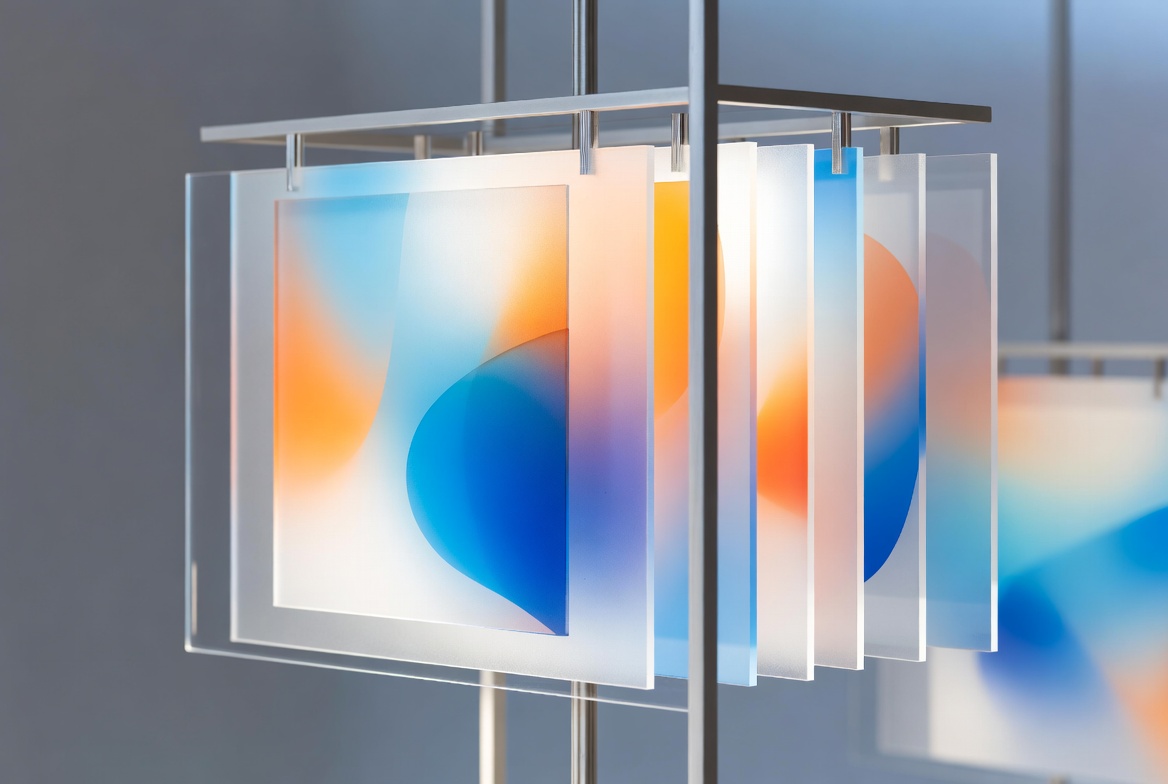
By stacking multiple acrylic sheets, each bearing part of the design, you can create convincing depth and parallax effects.
- Place background colors or gradients on rear panels.
- Develop mid‑ground motifs and shapes on intermediate layers.
- Reserve foreground details and highlights for the frontmost sheet.
Spacers or frames keep sheets separated, letting light travel between layers and creating subtle shadows and overlaps that change as viewers move around the piece.
Frosting sprays and stained‑glass‑style tints designed for acrylic can be combined with paint to control transparency and color density. For example, a lightly sanded or frosted surface can receive a translucent color spray and then fine painted details, producing a layered effect without heavy build‑up.
This approach is especially useful in architectural models and display prototypes where designers want surfaces that read as colored glass without the fragility of actual glass panels.
Clear acrylic or polyurethane‑based topcoats formulated for plastics can significantly improve resistance to scratches and handling marks. Apply in several controlled passes, following manufacturer recommendations for distance, number of coats, and drying intervals.
Avoid solvent‑heavy topcoats that may soften or craze the acrylic sheet itself, particularly on thinner or more flexible panels.
- Use soft separators—like foam or non‑woven fabric—between panels during storage and transport.
- Avoid bending or flexing painted panels, especially long or thin sheets.
- Clean exposed surfaces with compatible acrylic cleaners and soft cloths, steering clear of abrasive powders or rough sponges.
When panels are used in public or high‑traffic environments, many clients install an additional clear acrylic cover in front of the painted panel. This extra layer absorbs minor impacts while leaving the artwork intact behind it.
Even experienced teams see recurring issues when schedules tighten or shortcuts creep in.
- Skipping proper cleaning and degreasing, leading to localized paint lifting or fish‑eye defects.
- Using generic solvent‑based paints that can attack the acrylic surface, causing softening, crazing, or distortion.
- Applying coats that are too thick, extending drying times and increasing the risk of surface imprinting or cracking.
- Overheating panels during accelerated drying, which can cause warping or damage to primer and paint layers.
- Neglecting tests on offcuts, leaving potential compatibility problems undiscovered until after a full batch is produced.
Establishing a simple habit of testing new paint or primer combinations on scrap panels before full production greatly reduces these risks.
When frosted or P95 acrylic is treated as a serious painting substrate rather than an experimental one, it opens a broad range of possibilities for illuminated graphics, layered artworks, and durable decorative panels. By matching the sheet type to the application, respecting surface preparation, and selecting compatible paints and primers, you can deliver panels that not only look impressive on day one but continue to perform throughout their service life.
Whether you work in a busy fabrication shop, a design studio, or a home workshop, thoughtful planning and consistent technique turn frosted acrylic sheet into a reliable partner for both functional and creative projects.
1. Do I always need primer on frosted acrylic?
Primer is not absolutely mandatory for every small decorative project, but it is strongly recommended when panels will be handled frequently, transported, or installed in commercial environments, as it significantly improves adhesion and durability.
2. Can I apply oil paint directly to frosted acrylic?
It is possible to apply oil paint to frosted acrylic, especially when the surface has been cleaned thoroughly, but long‑term stability differs from acrylic paints and should be evaluated with small tests before using it in important work.
3. How can I make clear acrylic look frosted before painting?
You can gently sand clear acrylic with fine abrasive pads or use dedicated frosting sprays that create a matte, translucent surface suitable for paint, taking care to apply even, light coats.
4. What is the best way to avoid scratches during shipping and installation?
Allow the paint and any topcoat to cure fully, separate panels with soft materials, avoid stacking painted faces together, and, where possible, add a clear protective cover sheet in front of the painted surface during transport and use.
5. Why did my paint peel when I removed masking tape?
Peeling often occurs when the surface was not degreased properly, when incompatible paint or primer was used, or when masking tape remained on too long; using high‑quality painter's tape and removing it before the paint fully cures reduces this risk.
1. Acme Plastics – "How to Paint on Frosted Acrylic Plastic Panels" (material definitions, surface preparation, painting steps, and protective coating guidance). https://www.acmeplastics.com/content/how-to-paint-on-frosted-acrylic-plastic-panels/
2. Shanghai Gokai Industry Co., Ltd. – "How to Paint on Frosted Acrylic Sheet Like a Pro (With Real Shop Experience)" and related acrylic sheet resources (OEM practice, sheet selection, and fabrication insights). https://www.gokai.com.cn/how-to-paint-on-frosted-acrylic-sheet-like-a-pro-with-real-shop-experience.html | https://www.gokaiplastic.com
3. Cut My – "Beginners Guide to Painting on Acrylic Sheets" (priming methods, spray paint usage, and step‑by‑step painting guidance for acrylic panels). https://www.cutmy.co.uk/ideas-advice/painting-on-acrylic-sheet/
4. Plastic Sheets Shop – "Six tips and tricks for painting on PERSPEX® / Acrylic" (cleaning, sanding, avoiding solvents, paint and primer selection, masking, and drying practices). https://plasticsheetsshop.co.uk/acrylic-sheets/processing/painting/
5. Just Paint – "Frosted Vellum Look on Plastic" and related technical notes (abrading, degreasing, ground application, and adhesion improvement for painting on plastic substrates). https://justpaint.org/painting-on-acrylic-sheeting/ | https://justpaint.org/wp-content/uploads/2019/02/VellumLook2.pdf
6. SmarterMarx – "Oil on Translucent Acrylic Panels by Beth Sistrunk" (panel preparation, oil painting on acrylic sheets, adhesion testing, and workshop insights). https://www.smartermarx.com/t/oil-on-translucent-acrylic-panels-by-beth-sistrunk/458
7. Reddit r/architecture – community discussion on painting acrylic sheets (practical use of frosting sprays, translucent color sprays, and sanding techniques for acrylic panels). https://www.reddit.com/r/architecture/comments/y7pvts/whats_the_best_type_of_paint_to_use_on_acrylic/
8. Painting Best Practices – technical discussion on how temperature affects paint films, especially acrylic, and implications for drying and long‑term stability. https://paintingbestpractices.com/paintings-cold-temperatures/